
How to Care for a Mama Cat & Kittens


Caring for a mother cat (queen) and her kittens is both a rewarding and delicate responsibility.
Whether you're a first-time cat parent or an experienced caregiver, understanding the unique needs of both the mother and her newborns is crucial for their health and well-being.
In this guide, we will explore the essential aspects of caring for a mama cat and her kittens, including their nutritional needs, health care, socialization, and environment.
Ensuring Proper Nutrition for the Mama Cat

One of the most important aspects of caring for a mother cat is providing her with a proper diet to support her lactation and overall health.
What to Feed a Nursing Cat
During nursing, a mother cat's nutritional needs are significantly higher. It's crucial to provide her with high-quality, high-protein food.
Wet food is often preferable as it provides extra hydration, but dry kibble can also be offered if your cat prefers it. The food should be designed for lactating or pregnant cats to ensure she gets all the necessary nutrients.
Feeding Frequency and Amount
A nursing cat may need to eat multiple times throughout the day. It's important to offer food frequently, especially after she has nursed her kittens.
Make sure she has constant access to fresh water, as hydration is essential for milk production.
If your cat is not eating enough, or if her energy levels seem low, consider consulting a veterinarian to ensure her nutritional requirements are being met.
Keeping the Mama Cat and Kittens in a Safe Environment

Providing a safe and quiet environment for the mama cat and her kittens is essential for their well-being. Avoid loud noises, other pets, or frequent disturbances that could cause stress to the mother.
Ideal Nesting Area
Create a clean, warm, and secluded area for the mama cat to give birth and nurse her kittens. This space should be large enough for the mother to move around freely but small enough to keep the kittens close to her.
A cardboard box with soft bedding works well as a temporary solution.
Ensure the area is free from drafts and has easy access to the litter box and food for the mama cat. A cozy, private space will help the mother feel safe and encourage her to take care of her kittens.
Minimizing Stress
Try to minimize external stress factors. For instance, avoid introducing new pets or people to the area during the early stages of kitten care. Let the mama cat take the lead in terms of when she is ready for interaction.
Monitoring the Health of the Mama Cat and Kittens

It's crucial to keep a close eye on both the mother and her kittens to ensure they are healthy.
Signs of Health Issues in the Mama Cat
If the mother cat seems lethargic, stops eating, or is not interacting with her kittens, this could indicate a health problem. Some signs to look out for include:
Excessive lethargy
Refusal to eat
Signs of mastitis, such as swollen, red, or painful breasts
Unusual discharge from the vagina
If any of these symptoms are present, it’s important to seek veterinary attention immediately.
Health Checks for Kittens
Newborn kittens are extremely vulnerable. During the first few weeks, they should be checked regularly for proper weight gain and normal development.
Healthy kittens should be gaining weight steadily and should be warm to the touch. If they feel cold or are not gaining weight, they may need extra care, such as a heating pad or supplemental feeding.
It's also essential to check the kittens for any signs of birth defects or illness. If a kitten seems lethargic, has difficulty breathing, or is not nursing, it may need veterinary attention right away.
Socializing the Kittens

While the mama cat will primarily care for her kittens, it's important to start socializing them as early as possible to ensure they grow up to be well-adjusted adults.
Early Socialization Tips
At around three weeks of age, you can begin to gently handle the kittens. This is a critical period for kitten development, and early positive interactions with humans and other pets can help them become more socialized.
However, it’s important to respect the mama cat’s wishes. She may not want her kittens handled right away, and it's essential to give her the space she needs.
Over time, you can increase the amount of time you spend with the kittens to ensure they grow accustomed to human contact.
Preparing Kittens for Adoption
If you're planning to adopt out the kittens once they are old enough, it's essential to ensure they are properly weaned and have been desensitized to human interaction.
Start weaning around four weeks old by introducing them to solid food. They should be completely weaned by eight weeks.
Make sure the kittens are litter box trained and have received their first set of vaccinations before adoption. This will help ensure they go to their new homes healthy and ready to thrive.
When to Consult a Veterinarian

While most mama cats are excellent at taking care of their kittens, there may be situations where veterinary intervention is necessary.
Common Health Issues in Kittens
Fading Kitten Syndrome: This is a condition where a kitten fails to thrive, often due to underlying health issues or poor nutrition.
Respiratory Infections: Kittens can develop respiratory infections, especially if they are exposed to cold or unsanitary conditions.
Diarrhea or Vomiting: If kittens are showing signs of digestive distress, it may be a sign of infection or dietary issues.
In these cases, it’s important to contact a veterinarian for advice and possible treatment.
Conclusion: Caring for a Mama Cat and Her Kittens

Caring for a mama cat and her kittens can be a challenging but incredibly rewarding experience.
By providing the right nutrition, creating a safe environment, and monitoring their health, you can help ensure that both the mother and her kittens thrive.
Remember that while the mama cat will take care of most of the responsibilities, your support is crucial.
Always be on the lookout for signs of health issues, and don’t hesitate to seek veterinary care if needed. With proper care, the mama cat and her kittens will grow strong and healthy, ready to face the world.
Enjoy The Video About Cats
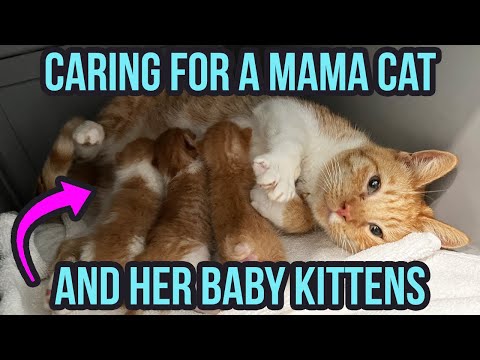
Source: Kitten Lady
Did you find this post useful or inspiring? Save THIS PIN to your Pets Board on Pinterest!

You may also like