
How to Care for your Finches


Finches are vibrant, social birds that can bring joy and life to any home. Whether you are a first-time bird owner or have experience with other species, understanding the specific needs of finches is crucial for ensuring their health and happiness.
In this guide, we'll explore the essential aspects of finch care, from their habitat and diet to their social needs and health.
Creating the Perfect Habitat for Your Finch

A proper habitat is the foundation of your finch's well-being. Here’s how to create an ideal environment for them:
Cage Size and Placement
Finches are active birds that need space to fly and exercise. A cage that is at least 24 inches long, 18 inches wide, and 18 inches tall is recommended for one or two finches.
A larger cage allows for more movement and helps reduce stress.
Bar spacing is crucial. The bars should be spaced no more than ½ inch apart to prevent your finch from escaping or getting stuck.
Place the cage in a quiet area away from direct sunlight and drafts. However, finches do enjoy natural light, so a room with indirect sunlight is ideal.
Perches and Toys
Provide your finch with multiple perches of varying materials and diameters. Natural wooden perches are excellent for foot health. Avoid perches that are too smooth, as they may cause foot problems.
Finches also need toys and activities to keep them engaged. Provide a mix of swings, ladders, and mirrors. Rotate toys regularly to prevent boredom and ensure your finch has new things to explore.
Nest Box
While finches are not particularly keen on nesting in cages, offering a nest box can help them feel secure. It's important to have a clean, safe space where your finch can retreat when it feels stressed or during sleep.
Feeding Your Finch: A Balanced Diet
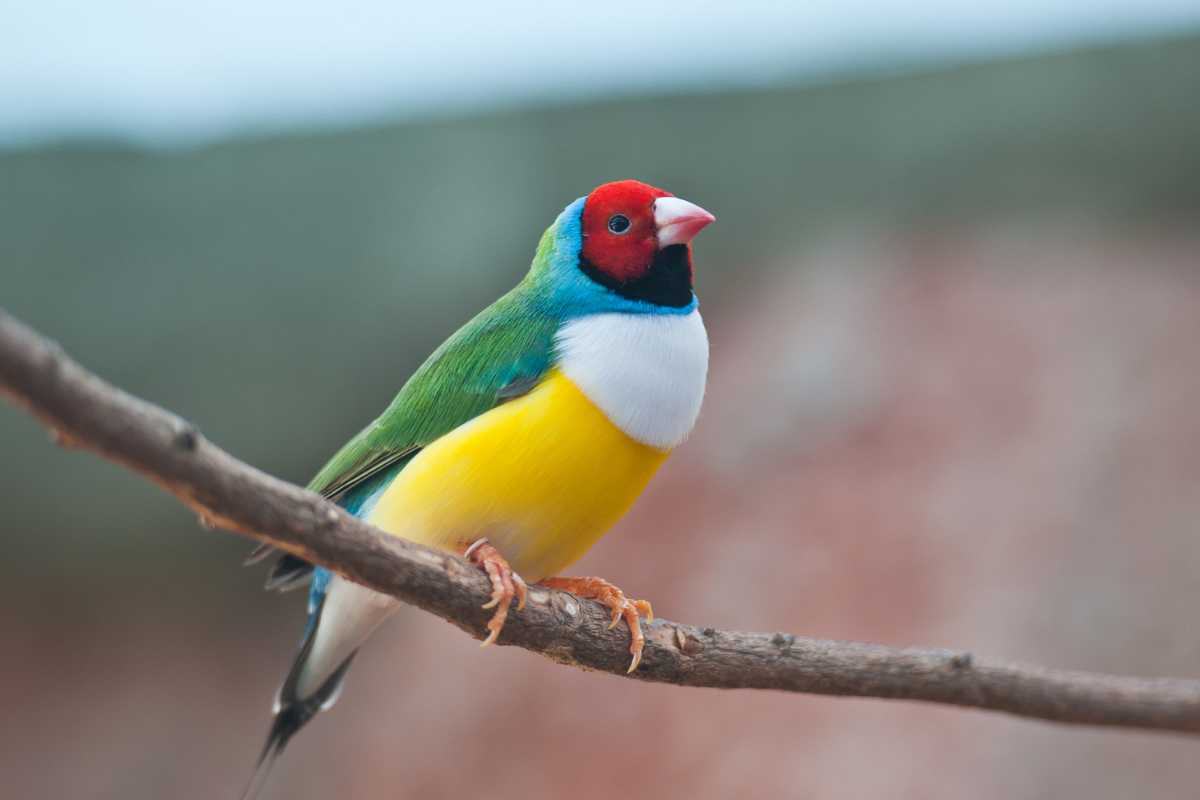
A nutritious diet is key to maintaining your finch’s health. Here's what to include in their diet:
Seeds and Pellets
Finches thrive on a variety of seeds, with the most common being millet, canary seed, and finch mix. It’s important to ensure the mix is free from artificial preservatives.
You can also provide pellets as an alternative to seeds. Pellets offer a more balanced nutritional profile and help prevent selective feeding (where finches only eat certain seeds).
Fresh Fruits and Vegetables
Offer fresh vegetables and fruits to your finch to supplement their diet. Finches enjoy leafy greens like spinach, dandelion, and kale.
Fruits like apples, berries, and oranges provide essential vitamins. Avoid giving them avocados, onions, or garlic, as these can be toxic to birds.
Calcium and Supplements
Finches need a calcium source to support their bone health and egg production. Provide cuttlebone or calcium blocks in the cage.
You can also supplement their diet with vitamin and mineral supplements, especially during breeding seasons or times of stress.
Hygiene and Cage Maintenance
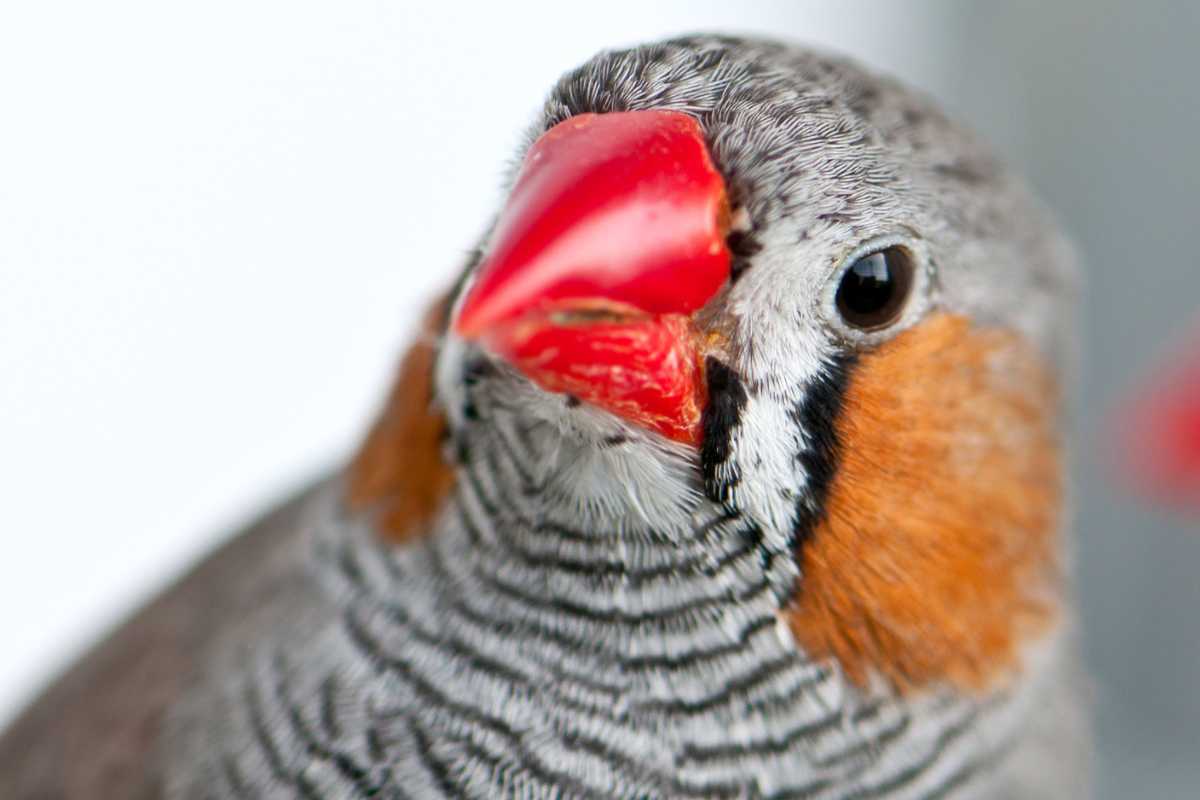
A clean environment is crucial for your finch’s health. Here are some essential cleaning tips:
Daily Cage Cleaning
Remove leftover food and change the water daily to prevent bacteria growth. Wipe down the perches and toys with a damp cloth to ensure they remain free of dirt and germs.
Weekly Deep Clean
Once a week, thoroughly clean the entire cage. Remove the finch, and wash the cage with bird-safe disinfectant. Scrub all perches, toys, and dishes.
This prevents the buildup of bacteria and ensures your finch is living in a safe environment.
Bathe Your Finch
Finches enjoy bathing. Provide a shallow dish of water or a spray bottle to allow your finch to bathe. This helps them keep their feathers clean and promotes natural oil distribution for healthy plumage.
Socialization and Behavior

Finches are social birds that thrive in groups. They are typically not as affectionate as parrots but enjoy being with other finches. Here are some tips on their social needs:
Introducing New Finches
If you plan to introduce a new finch to the cage, it’s essential to do so gradually. Start by placing the new bird in a separate cage but within sight of the existing bird.
This allows them to get used to each other without causing stress or aggression.
Flock Dynamics
Finches can live together peacefully, but it’s essential to observe their behavior. Ensure that there are enough resources—such as perches, food, and water—so that no finch feels threatened.
It’s also a good idea to have multiple feeding stations to avoid competition.
Signs of Stress or Aggression
Pay attention to signs of stress or aggression in your finches. These may include excessive feather plucking, loud chirping, or fighting.
Stress can be caused by environmental factors, cage overcrowding, or even illness. Providing them with ample space and enriching activities can help reduce these behaviors.
Health Care and Veterinary Visits

Your finch’s health is vital to its overall happiness and longevity. Here’s how to keep your bird healthy:
Common Health Problems
While finches are generally hardy, they are susceptible to certain diseases. Some common issues include:
Respiratory infections: Caused by drafts or poor ventilation.
Feather plucking: Often due to stress or boredom.
Egg binding: In female finches if they are not provided with proper nesting conditions or calcium supplements.
Signs of Illness
If your finch is lethargic, has ruffled feathers, or stops eating, it’s time to see a vet. Other signs of illness include diarrhea, labored breathing, or swelling.
Early intervention is crucial, as finches can deteriorate quickly when ill.
Regular Vet Checkups
Finches should be taken for a checkup at least once a year. A veterinarian specializing in exotic birds can provide a thorough examination and advise on diet and care.
Conclusion: A Happy, Healthy Finch
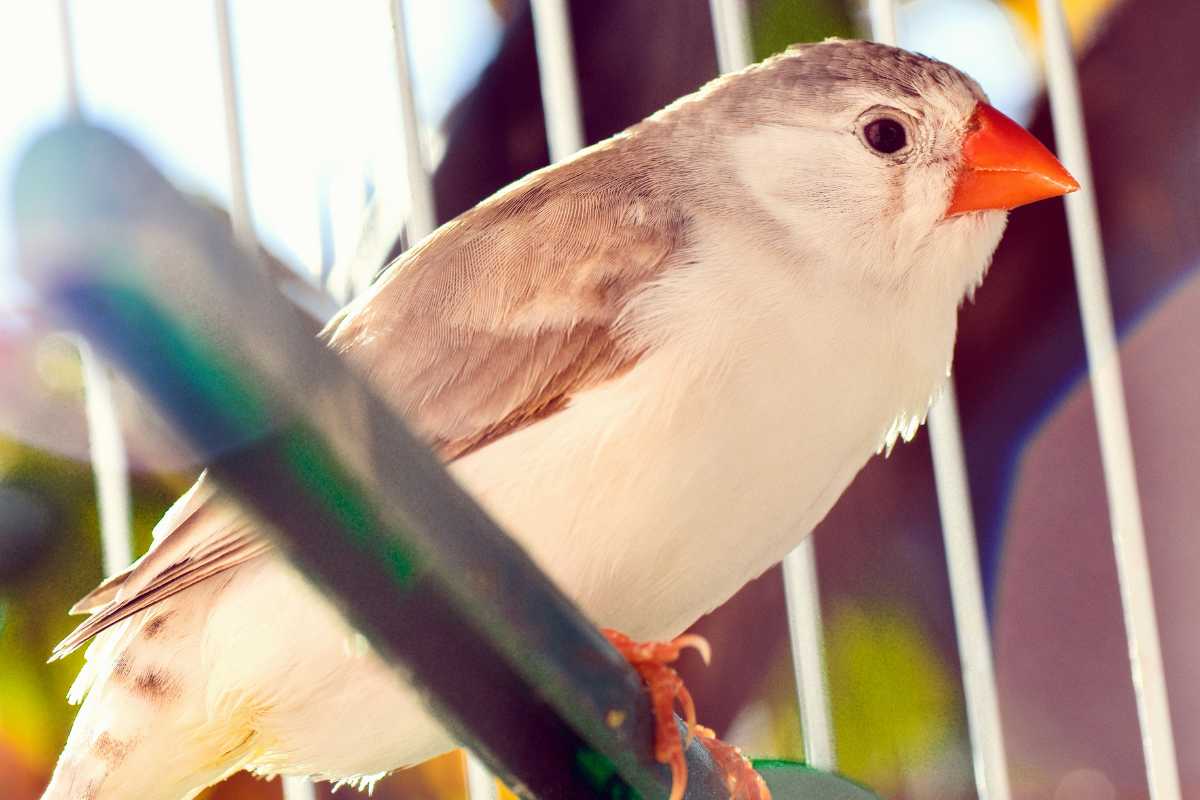
Caring for a finch can be a rewarding experience if you provide them with the proper care, diet, and social environment.
By following these essential tips on habitat, feeding, hygiene, and health, you can ensure your finch thrives and brings joy to your home.
Remember, finches are happiest when they have plenty of space, mental stimulation, and companionship.
If you’re unsure about any aspect of their care, don’t hesitate to consult a veterinarian who specializes in exotic birds. With the right environment and attention, your finch will be a cheerful and lively companion for years to come.
Enjoy The Video About Birds

Source: Finch Man Dave
Did you find this post useful or inspiring? Save THIS PIN to your Pets Board on Pinterest!

You may also like