
How To Fix Separation Anxiety With Your Dog


Separation anxiety is a common and distressing condition that affects many dogs.
When left unaddressed, it can lead to destructive behaviors, excessive barking, and even self-harm.
But the good news is that there are effective strategies to help your dog feel more comfortable when left alone.
In this article, we’ll dive into the causes of separation anxiety, practical methods for alleviating it, and tips for creating a calmer, happier environment for your furry friend.
What Is Separation Anxiety in Dogs?
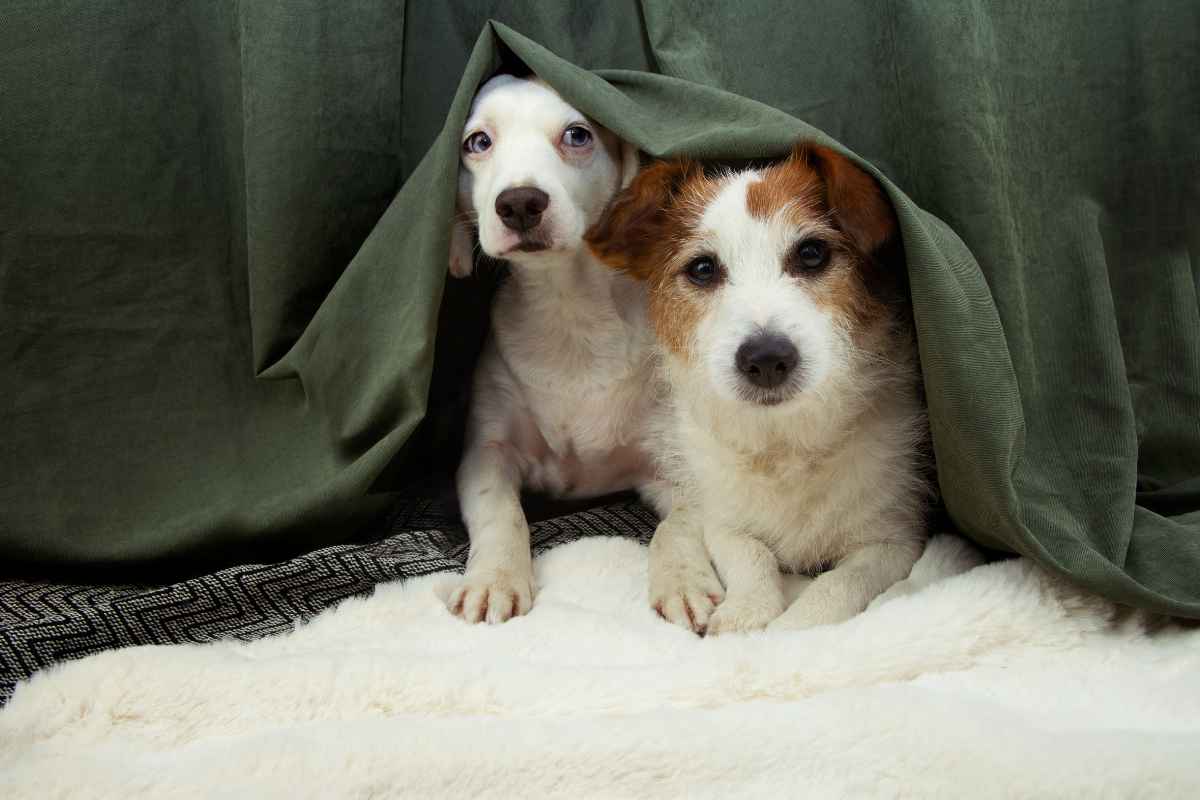
Separation anxiety occurs when dogs experience extreme stress or fear when they are separated from their owners.
This condition is not just about missing you for a few hours—it’s a real emotional and physical response that can lead to panic and distress. Dogs with separation anxiety may exhibit behaviors such as:
Excessive barking or howling
Destructive chewing (especially furniture or doors)
Accidents in the house, even if house-trained
Pacing, drooling, or whining when you prepare to leave
It's essential to recognize that these behaviors are not the result of poor training; rather, they are a direct response to the anxiety the dog experiences when left alone.
Causes of Separation Anxiety in Dogs

There are several reasons why a dog might develop separation anxiety. While each dog is unique, the most common causes include:
Traumatic Experiences
Dogs that have been abandoned or rehomed multiple times are at higher risk of developing separation anxiety. The trauma of losing a familiar owner can make them overly clingy or fearful when left alone.
Changes in Routinez
Dogs are creatures of habit. A sudden change in your schedule, such as a new work routine, can trigger anxiety in dogs that were previously comfortable being left alone.
Lack of Socialization
Dogs that weren’t properly socialized during their early months may struggle with separation anxiety later in life.
Lack of exposure to different people, environments, and experiences can make it more difficult for a dog to cope with being alone.

Effective Strategies for Treating Separation Anxiety
While separation anxiety can be challenging, it is treatable with time, patience, and consistency. Below are some proven methods for helping your dog overcome separation anxiety:
1. Gradual Desensitization
The key to desensitizing your dog to your departure is making the process as gradual and predictable as possible.
Start by leaving your dog alone for just a few minutes at a time. Gradually increase the duration as your dog gets more comfortable.
The goal is to make your dog less reactive to your departures, so they start associating your leaving with calmness instead of panic.
Tip: You can also practice “brief absences” by stepping out the door for a few seconds, then returning immediately. This helps your dog understand that your departures are not a cause for alarm.
2. Positive Reinforcement with Alone Time
One of the best ways to reduce anxiety is to make alone time more rewarding for your dog. Start by offering your dog a favorite toy or treat that they only get when you leave.
This positive reinforcement helps to create a calming association with your departures.
Additionally, crate training can be very effective. A dog’s crate, if used correctly, can become a safe, cozy space where your dog feels secure even when you're not around.
3. Exercise and Mental Stimulation
A tired dog is less likely to experience anxiety. Before leaving your dog alone, take them for a long walk or engage them in a mentally stimulating activity like puzzle toys.
Exercise helps release energy, and mental stimulation can keep their mind occupied, reducing the chances of destructive behavior.
Interactive toys like treat-dispensing balls or chew toys can keep your dog engaged during your absence and can help them feel more secure while you’re away.
4. Use of Anxiety-Reducing Products
There are several products on the market designed to help alleviate anxiety in dogs. These can be particularly useful in conjunction with behavioral training. Some options include:
Calming collars or sprays that release pheromones to help soothe your dog
Anxiety wraps, like the Thundershirt, which apply gentle pressure to your dog’s body and provide comfort
CBD products that may help reduce anxiety (consult with your vet before use)
These tools can be a helpful addition to your dog’s treatment plan but should not replace other strategies like training and exercise.
5. Avoiding Over-Attention
It’s tempting to shower your dog with attention before leaving to make them feel better, but this can actually increase anxiety.
Instead, try to maintain a calm, low-key departure and arrival routine. This helps signal to your dog that your coming and going is a normal part of the day and nothing to worry about.
Tip: Avoid making a big fuss when you come home. Greeting your dog calmly rather than excitedly can help them maintain a sense of stability.
When to Seek Professional Help
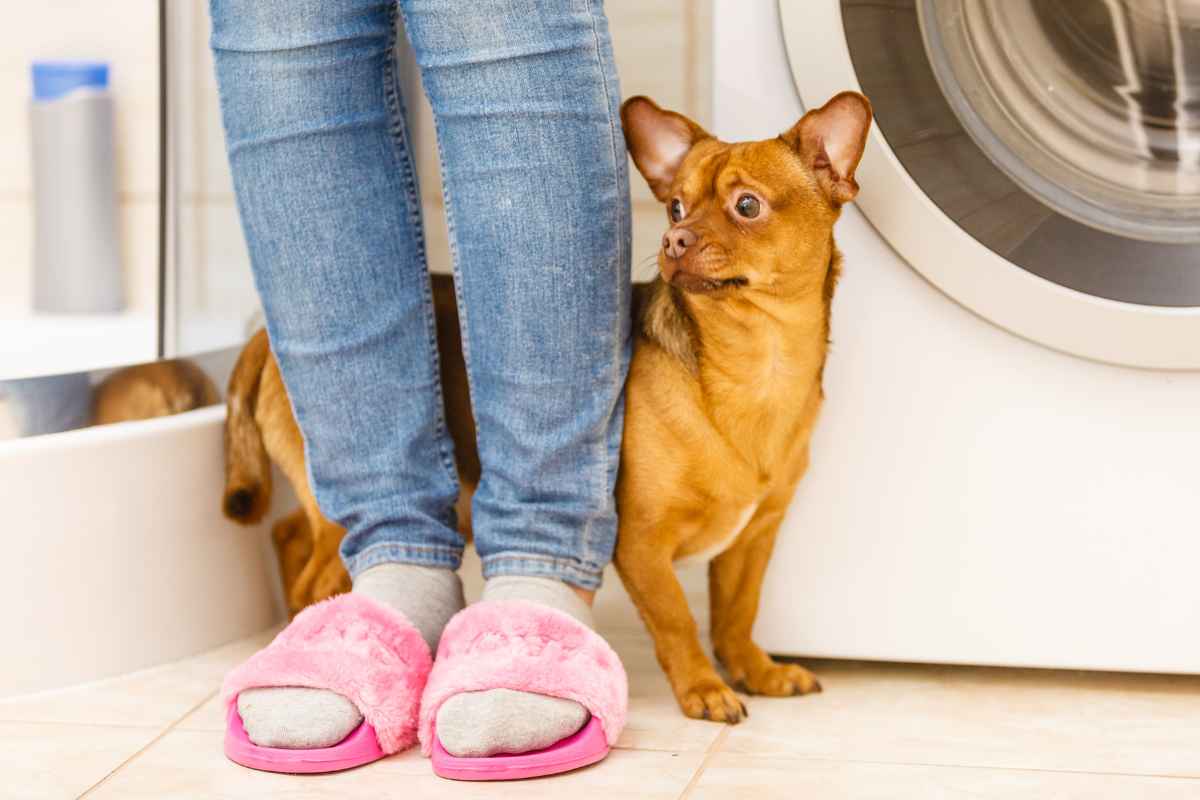
While many cases of separation anxiety can be managed with the methods outlined above, some dogs may require more intensive treatment.
If your dog’s anxiety is severe or doesn’t improve after consistent training, it may be time to consult a professional dog trainer or a veterinary behaviorist.
They can assess your dog’s behavior and create a customized treatment plan that may include behavior modification, medication, or both.
Conclusion: A Journey to a Calmer, Happier Dog
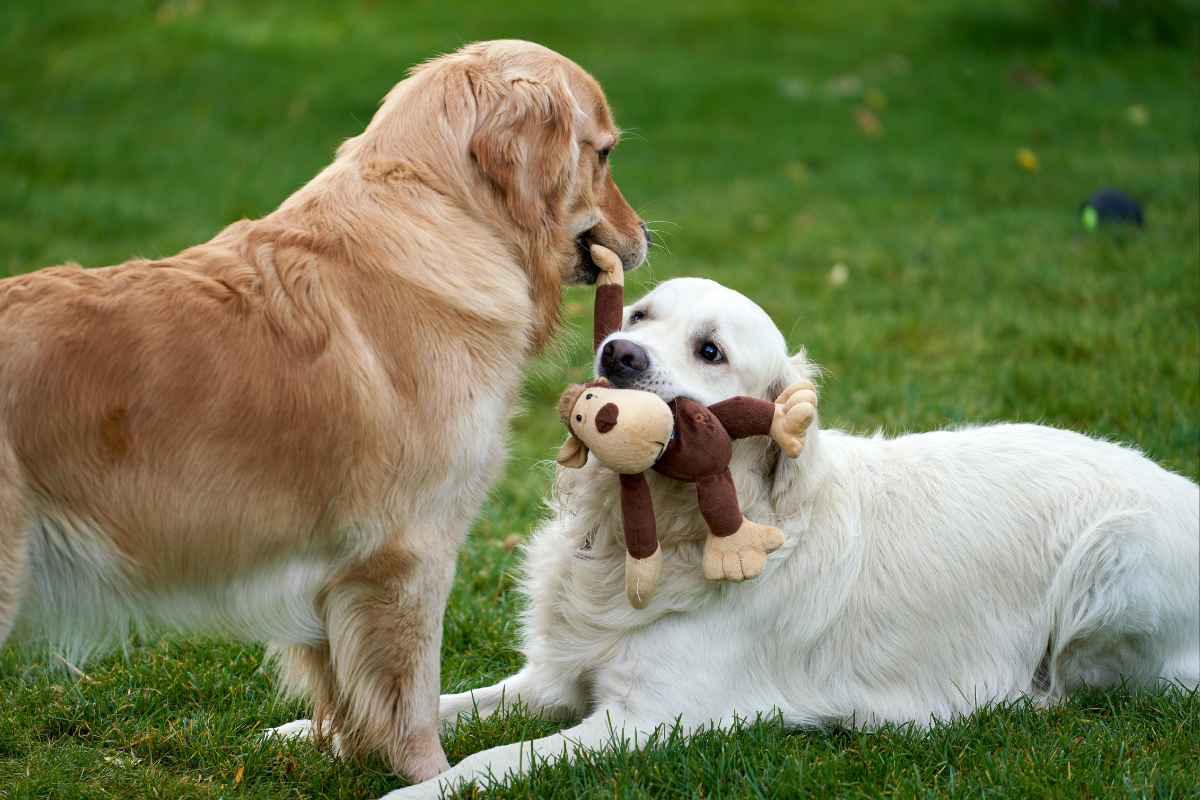
Dealing with separation anxiety can be frustrating, but with the right approach, most dogs can learn to cope with being alone.
The key is patience, consistency, and understanding. By gradually desensitizing your dog, using positive reinforcement, and addressing their physical and emotional needs, you can help them overcome their fears and lead a more relaxed, content life.
Remember, every dog is different, so it may take time to find the right combination of techniques that works for your pet.
But with love and dedication, you can help them feel more comfortable and less anxious when you’re not around.
If you have any questions or need further guidance, don’t hesitate to consult with a veterinarian or professional trainer who specializes in separation anxiety.
Together, you and your dog can build a future where anxiety no longer holds them back from feeling secure and happy in your absence.
We hope you enjoy this video about Dogs

Source: Cesar Millan
Did you find this post useful or inspiring? Save THIS PIN to your Pets Board on Pinterest!

You may also like