
How To Get Rid Of Fleas Fast Cheap and Easy


Fleas can turn a sweet, sleepy cat into a scratchy, restless bundle of stress.
The good news? You can get quick relief today and set up a simple plan to keep your cat and home flea-free without overspending.
Below you’ll find what to do right now, how to clean your space effectively, and the safest long-term protectors for cats.
Confirm a Flea Infestation (Two-Minute Check)

Before you buy anything, make sure fleas are the culprit. Look for flea dirt—tiny black specks that turn reddish-brown when dabbed on a damp white tissue (it’s digested blood).
Then run a fine metal flea comb from head to tail; after each pass, dip the comb into warm soapy water to trap what you catch.
A couple of focused combing sessions can ease itching right away.
Fast Relief Today
If your cat is uncomfortable now, pair flea combing with a rapid, vet-approved knock-down:
Nitenpyram (often sold as Capstar) is an oral option that starts killing adult fleas in about 30 minutes, giving quick comfort while you set up a longer plan.
Use only as directed for cats and ask your veterinarian if you’re unsure about dosing.
Safety first: Only use products labeled for cats and follow the exact directions. Never apply dog products to cats—permethrin and certain pyrethroids used in dog spot-ons are highly toxic to cats. If exposure occurs, seek veterinary help immediately. PMC

Reset Your Home Environment (Where Most Fleas Live)
Most of the flea population isn’t on your pet—it’s in your home as eggs, larvae, and pupae. A short “reset” makes treatments work faster.
Vacuum daily for 1–2 weeks: carpets, rugs, furniture, baseboards, and cracks. Vacuuming kills larvae, picks up adults, and even stimulates pupae to emerge so they’re easier to eliminate with ongoing control. Empty the canister or discard the bag outside.
Wash fabrics weekly on a hot cycle: pet bedding, throw blankets, removable couch covers—anything your cat naps on. Dry thoroughly.
If you use a home spray, choose one with an insect growth regulator (IGR) such as methoprene or pyriproxyfen, which prevents immature stages from maturing. Skip DIY “citrus/essential-oil” mixes—concentrated essential oils (including citrus/d-limonene) can be harmful to cats. Ask your vet for cat-safe environmental options.

Choose Ongoing Prevention (and Stick With It)
Long-acting preventives stop fleas from bouncing back. Talk with your vet about cat-specific products that fit your budget and your cat’s lifestyle:
Topicals (e.g., with fipronil, imidacloprid, selamectin, fluralaner) or orals prescribed for cats.
Collars made for cats (e.g., imidacloprid + flumethrin) for continuous protection.
Consider products that include an IGR/IDI component (e.g., lufenuron, methoprene, pyriproxyfen) to suppress future generations. Use exactly as labeled and keep using prevention all year. Companion Animal Parasite Council
Treat Every Pet and Be Patient
Treat all pets in the household at the same time—otherwise fleas simply jump to the untreated one and reinfest your home.
Because of the flea life cycle (egg → larva → pupa → adult), full control can take several weeks.
Pupae hide in protective cocoons and can wait to emerge until they sense heat or movement, which is why consistent cleaning and prevention matter.
Stay the course for at least a few months for complete break-through. CDC orkin.com

Common Mistakes to Avoid
Using dog products on cats: Even a small amount of permethrin can cause tremors or seizures in cats. Always double-check the label.
Stopping too soon: You may see fewer fleas in a week, but pupae can still be in the environment. Keep vacuuming and continue monthly prevention to prevent relapses.
Relying on essential oils: Diffusers, sprays, or topical oils can be risky for pets, especially cats. Consult your veterinarian before using scented products at home.
Keep Your Cat Comfy & Flea-Free
Your simple plan: comb today, consider a rapid oral for immediate relief, reset the home with vacuuming and hot washes, and maintain monthly prevention for every pet.
With consistency—and cat-safe products—you’ll keep the itch away and your kitty comfortable year-round.
Enjoy This Video Tutorial About Cats
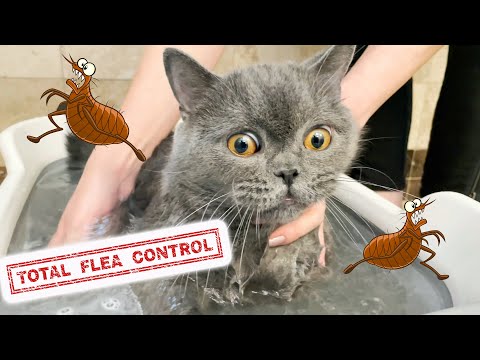
Source: Gatos azules británicos
Did you find this post useful or inspiring? Save THIS PIN to your Pets Board on Pinterest! 😊

You may also like