
How to Litter Train Baby Kittens


Welcoming tiny paws into your home is pure joy—and a little bit of chaos. The good news: most kittens take to a litter box quickly when you offer the right setup, a gentle routine, and short, consistent practice.
This guide gathers everything new caregivers need to know, with a focus on kitten-safe litter, low, open boxes, positive reinforcement, and smart cleaning that prevents repeat accidents.
Our aim is simple: help your little ones build a lifelong habit—cleanly, confidently, and safely—starting as early as their bodies can manage it.
When to Start Litter Training (and Bottle-Baby Notes)
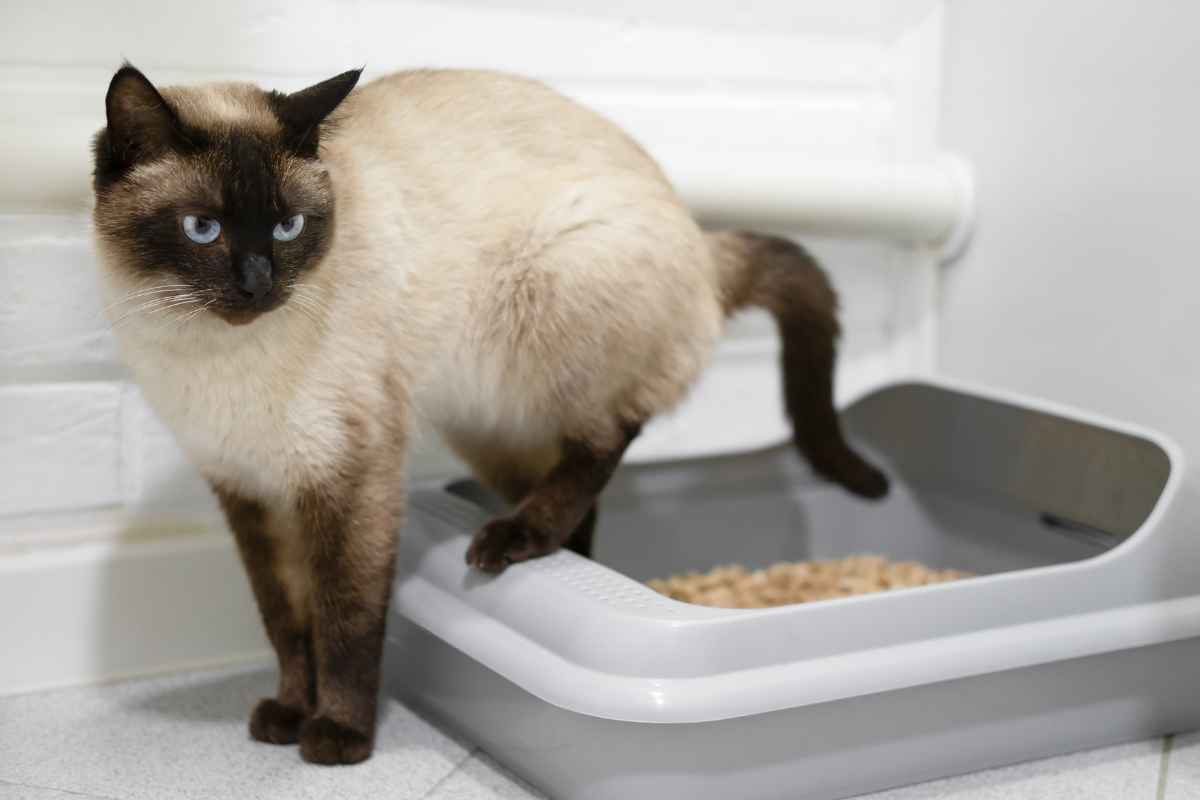
Most kittens are ready to begin at around 3–4 weeks of age, right as weaning begins. Before this, their mother stimulates elimination.
If you’re caring for orphans (bottle-babies), you’ll transition from manual stimulation (a warm, damp cotton pad) to a shallow potty area (like a tray with soft, non-clumping pellets) as soon as they begin toddling and can squat safely.
If your kittens are under 3 weeks, continue gentle stimulation after every feeding.
At 3–4 weeks, introduce a low, open litter box with unscented, non-clumping litter and start the routine below.
Expect legitimate “near misses” at the start—tiny bodies are learning coordination and timing. Stay calm and consistent.
Set Up for Success: Safe Litter & the Right Box
Box Size and Height
Start with a shallow, open box with very low sides (3–5 cm / 1–2 inches). Small baking trays, kitten pans, or cut-down cardboard trays work well. The key is easy entry—if they have to climb, they might go elsewhere.
Open vs. Covered Boxes
Avoid covered boxes for young kittens. Lids can trap odor, look intimidating, and make them feel trapped. An open box is less scary and encourages frequent visits. You can try a covered option later, once the habit is rock-solid.
The Best Litter for Baby Kittens
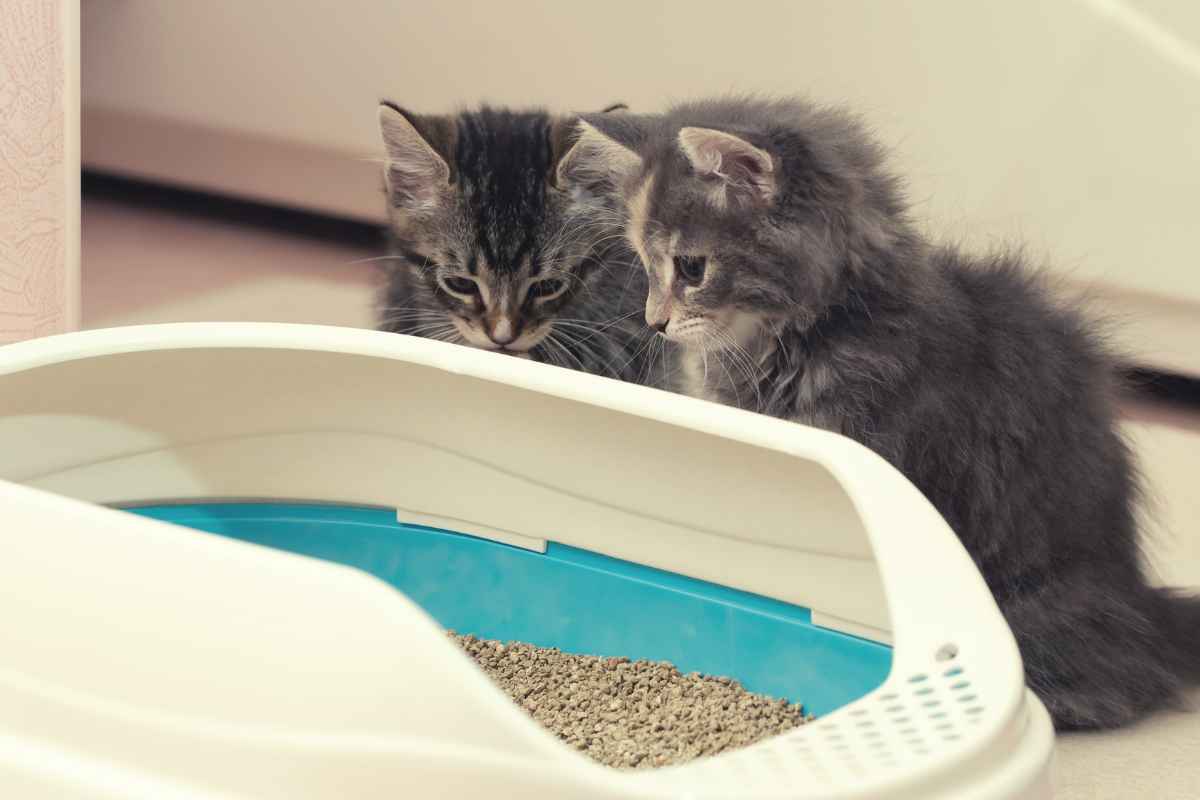
For safety and comfort, choose unscented, non-clumping litter with soft, kitten-friendly texture. Young kittens explore with their mouths and may ingest litter.
Clumping litters are best introduced later (often around 8–12 weeks), once they’re reliably using the box and less inclined to nibble. Fragrances can be overwhelming; unscented keeps things simple and less irritating.
Pro tip: If tracking is a problem, place a small litter mat outside the box, but keep the path clear and non-slippery.
Step-by-Step Routine That Works
Day 1–2: Orientation
Placement: Put the box in a quiet, easily accessible spot—away from their food and water. Corner locations help them feel secure.
Introduce: After arrivals, gently place each kitten in the box, let them sniff, and lightly scratch the surface with your fingers to model the behavior.
Timing: Put them in the box after meals, after naps, and after play—the three moments they’re most likely to need it.
Days 3–7: Build the Habit
Repetition: Keep escorting them to the box at the same trigger times (meals, naps, play).
Observe Signals: Sniffing, circling, squatting, or suddenly pausing play are your cues. Guide them calmly to the box.
Success Marker: When a kitten uses the box, praise in a soft, happy voice. A tiny food reward is fine if mealtime is near.
Positive Reinforcement Only
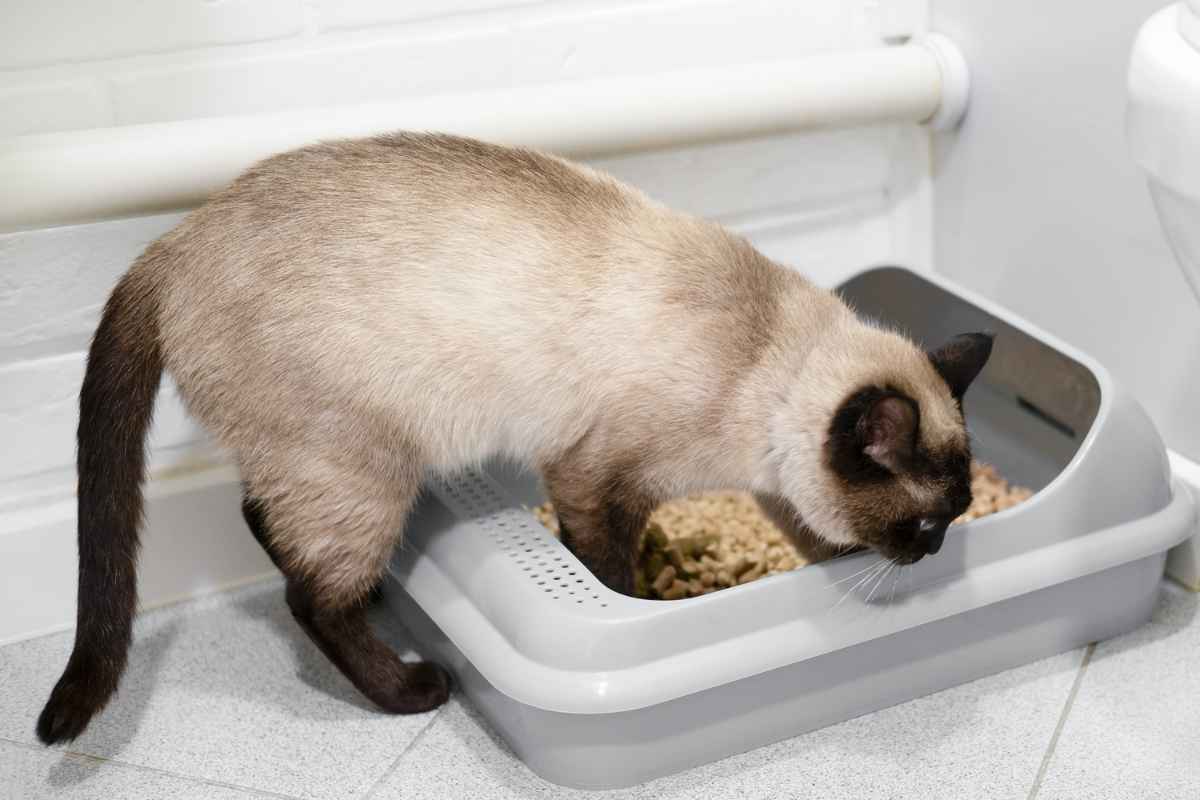
Kittens don’t connect punishment with past actions. Never scold or rub noses in accidents.
Instead, prevent repeats by cleaning thoroughly (see next section) and making the box easier, closer, and more appealing than any alternative.
Cleaning, Odor Control, and Hygiene
A clean space teaches the right habits. Scoop clumps/solids daily—with non-clumping litters, remove waste and stir to keep the surface fresh.
Fully refresh the litter regularly (frequency depends on litter type and how many kittens you have), and wash the box with mild soap and warm water.
For accidents:
Blot first, then use an enzyme cleaner designed for pet messes to break down odors.
Avoid ammonia-based products (they can smell like urine to cats).
Do not move food bowls into accident areas—focus on odor removal and better box placement instead.
A clean box tells kittens: “This is the bathroom.” A smelly carpet says, “This might be the bathroom.” Win the scent war.
Troubleshooting: Common Issues and Fixes
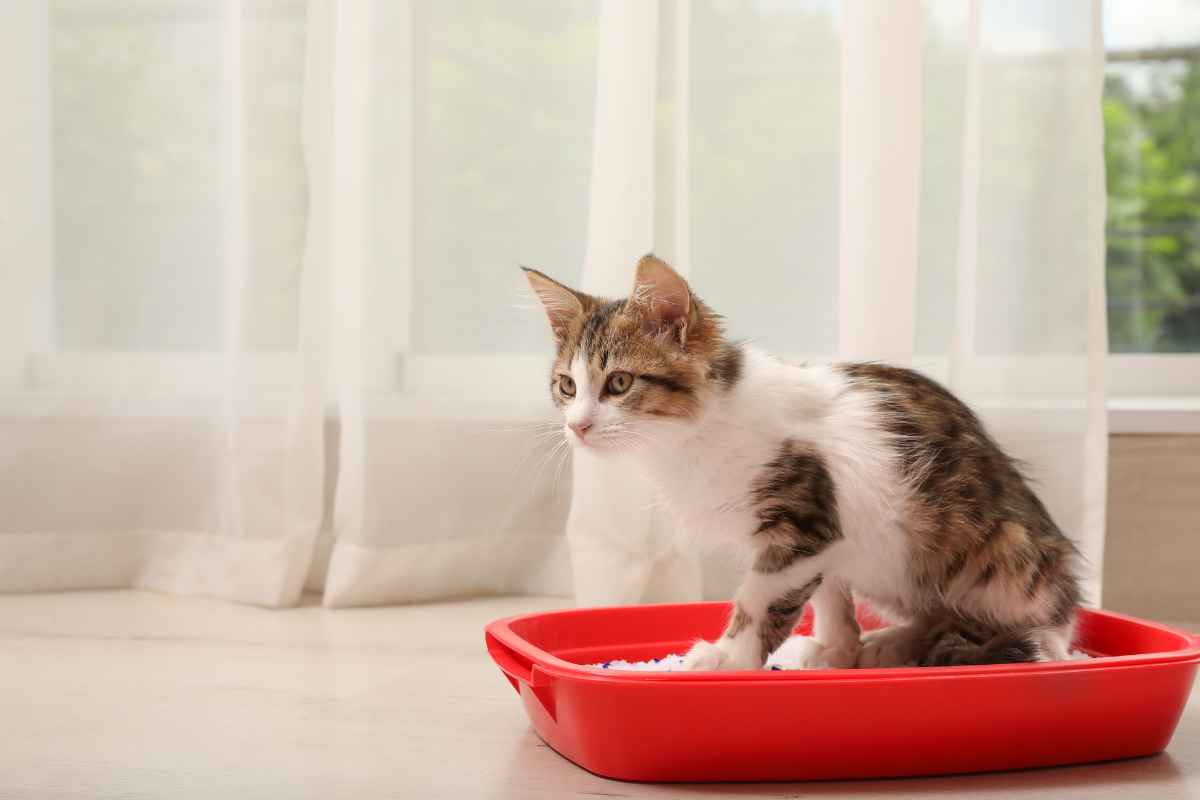
Even well-set routines can hit bumps. Use the table below to diagnose quickly.
| Problem | Likely Cause | Quick Fix |
|---|---|---|
| Pee/poop right next to the box | Sides too high; box too far; timing off | Switch to a lower box, add a second box closer to nap/play zones, and escort after triggers |
| Kitten avoids the box | The box seems scary; a covered box; a strong scent | Use open box, unscented, non-clumping litter, place in a quiet corner |
| Uses soft rugs or beds instead | Texture preference: box not appealing | Increase scooping, try a softer pellet texture, and enzyme-clean soiled fabrics |
| Goes in one corner of the room | Territorial scent marking via accidents | Place a box in that corner, enzyme-clean, and gradually shift the box to the preferred location |
| Inconsistent aim | Still learning motor control | Praise near-misses, keep low-lip box, add litter mat for easy cleanup |
| Another cat “guards” the box | Resource competition | Follow n+1 rule, multiple locations, consider calming pheromones |
If a kitten was reliable and suddenly regresses, check for stressors (new pets, noise, move), review cleanliness and access, and consider a vet check (see below).
Multi-Kitten and Multi-Cat Homes
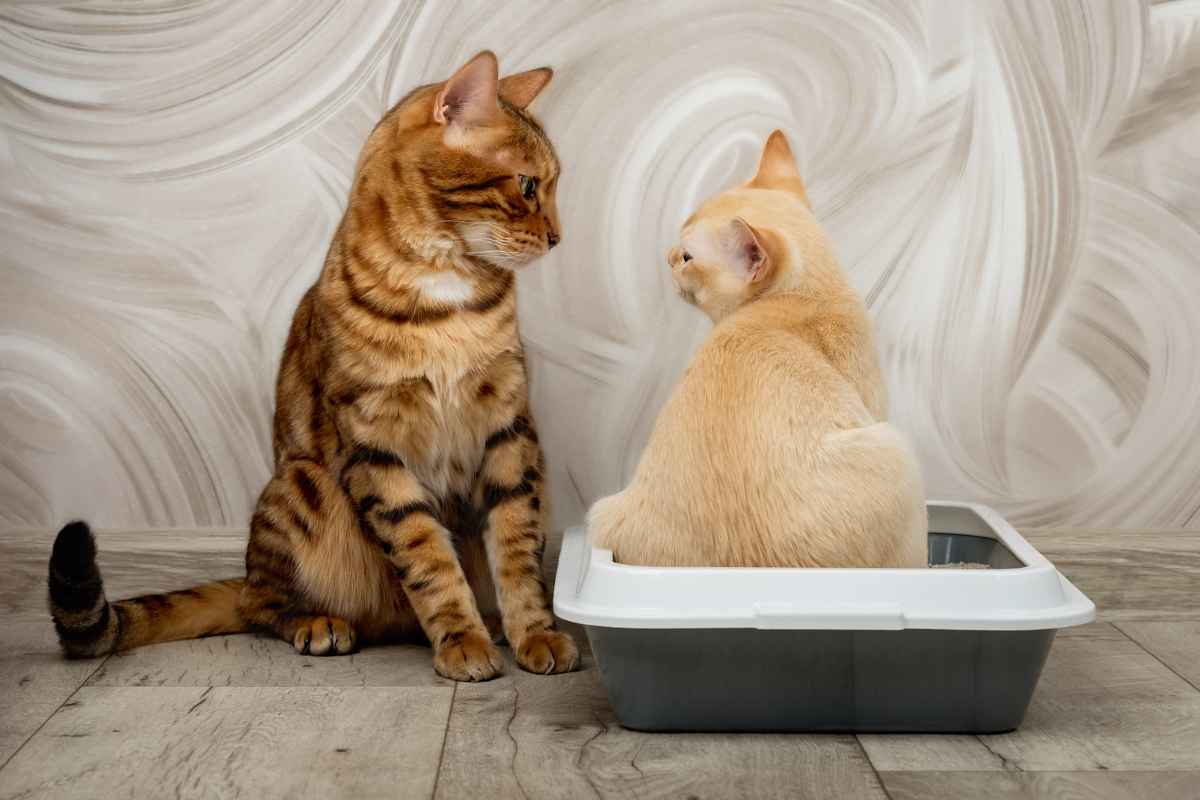
Crowded bathrooms don’t work for cats either. Follow the n+1 rule: number of cats/kittens plus one litter box.
In multi-story homes, put at least one box on each level so small kittens don’t have to brave stairs or long hallways.
Spread boxes apart—not side-by-side—to prevent resource guarding and to give each kitten a “safe bathroom.”
If you notice tension, try calming pheromone diffusers, create multiple quiet box zones, and keep the cleaning schedule extra tight.
When to Call the Veterinarian
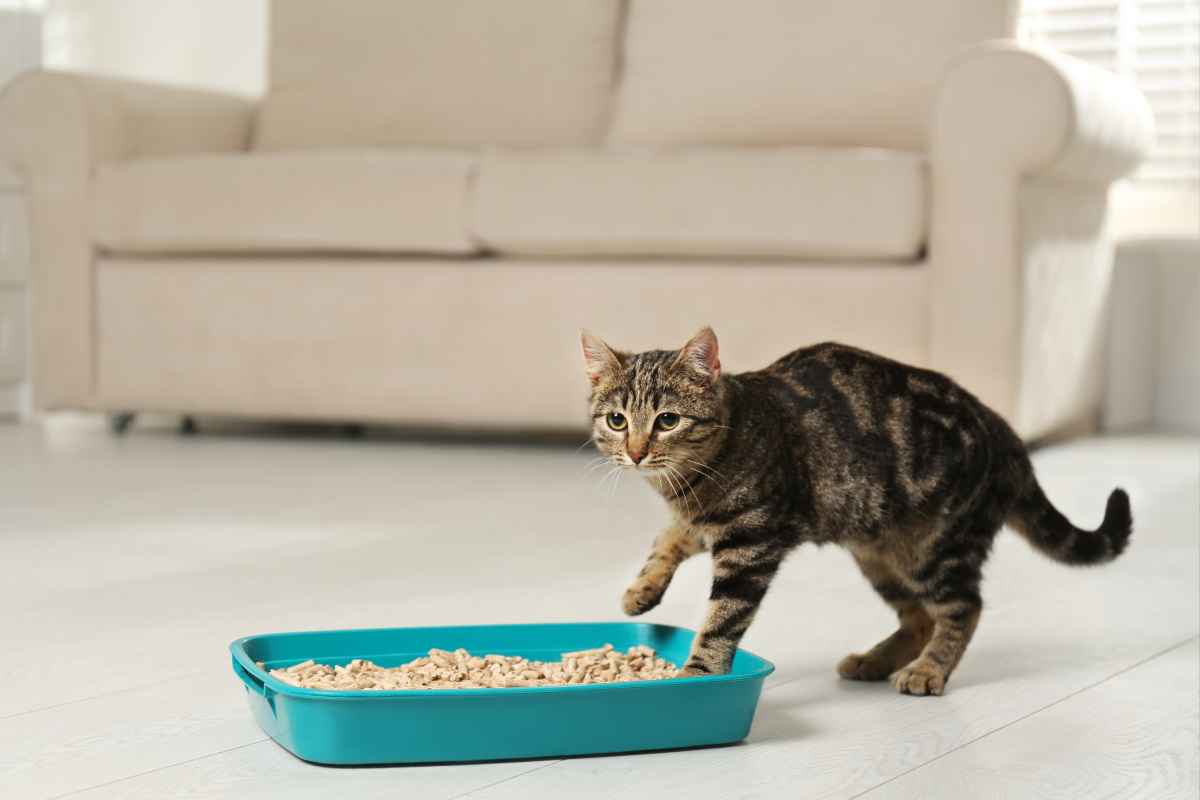
Call your vet if you see:
Straining, crying, or frequent trips to the box with little output
Blood in urine or stool
Diarrhea that lasts more than a day, or lethargy and poor appetite
Sudden refusal to use the box after steady success
Medical issues (UTIs, parasites, GI upset) are easier to treat early, and kittens can dehydrate quickly. Trust your instincts and seek help when something feels off.
Handy FAQ
How long does litter training take?
Many kittens “get it” within a few days, with reliability improving over 1–2 weeks of consistent practice.
Can siblings share one box?
They can try, but for smooth sailing, use the n+1 rule—and separate boxes by location.
When can I switch to clumping litter?
Often, around 8–12 weeks, when kittens reliably use the box and are less likely to taste the litter. Transition gradually by mixing a little clumping into the non-clumping over a week.
Are scented litters okay?
Stick with unscented while they’re young. Strong fragrances can deter use and irritate tiny noses.
Should I use puppy pads?
Pads can help during transitions for bottle-babies or in travel crates, but aim for a real litter texture promptly so the habit becomes box-based.
Quick-Start Checklist (Pin or Print)
Age: Start around 3–4 weeks (or when kittens can toddle and squat).
Box: Low, open litter box in a quiet, easy spot.
Litter: Unscented, non-clumping; soft texture for tiny paws.
Routine: Place kittens in the box after meals, naps, and play.
Reinforcement: Praise calmly for successes; no scolding for accidents.
Cleaning: Scoop daily, wash the box regularly, and enzyme-clean accidents.
Scaling Up: Add boxes following the n+1 rule; one per floor in multi-story homes.
Health: Call the vet for straining, blood, persistent diarrhea, or sudden regressions.
Putting It All Together
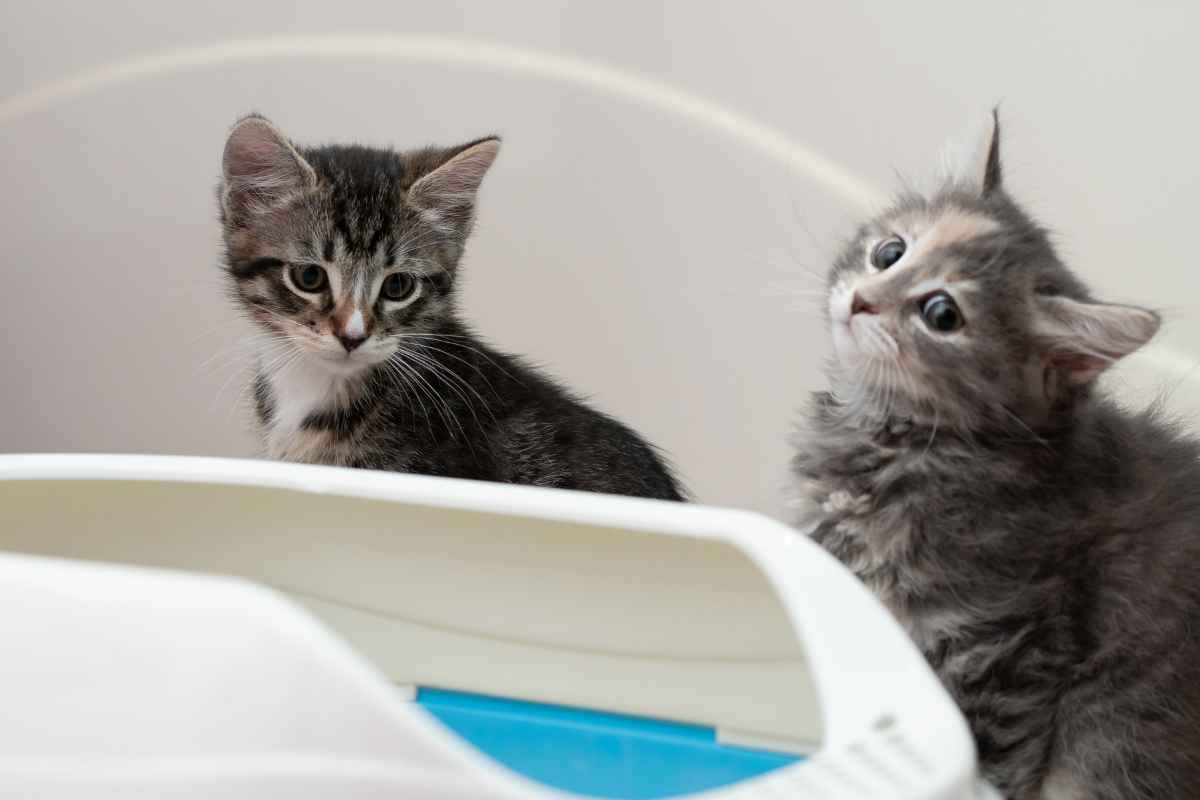
Success with baby kittens is about accessibility, safety, and repetition. A low, open litter box, kitten-safe litter, and a simple routine after meals, naps, and play will do most of the heavy lifting.
Keep scents neutral, boxes spotless, and feedback positive. If something isn’t working, adjust the environment first—lower sides, quieter locations, an extra box, or a slightly different litter texture.
These small tweaks solve most problems without stress.
Above all, remember that you’re teaching a brand-new habit to very small learners.
With patience and consistent, kind guidance, your kittens will master litter training quickly—and you’ll both enjoy a cleaner, calmer home from the start.
We hope you enjoy this video about Cats

Source: Kitten Lady
Did you find this post useful or inspiring? Save THIS PIN to your Pets Board on Pinterest!

You may also like