
How to Pet A Dog And Body Handling Techniques


Pets are family members, and when it comes to dogs, understanding their body language and handling them correctly is crucial for both their well-being and your relationship with them.
Dogs, being highly sensitive creatures, communicate through their posture, tail movements, and facial expressions.
Learning the correct techniques for petting and handling a dog can strengthen the bond between you and your furry companion while ensuring they feel safe and loved.
In this article, we'll cover the essential dog body handling techniques, the right way to approach and pet a dog, how to read their signals, and tips to help you care for your dog in a way that respects their boundaries.
Understanding Dog Body Language

Before you even touch a dog, it's important to understand their body language. Just like humans, dogs communicate through non-verbal cues that indicate how they feel at any given moment.
Recognizing these signs is crucial for ensuring that you’re not overstepping their boundaries, which can lead to stress or discomfort for the dog.
Common Dog Body Language Signals
Tail Wagging: A wagging tail often indicates happiness, but it’s important to watch the tail’s position. A low wag may suggest anxiety, while a wag that is high and stiff can be a sign of aggression or excitement.
Ear Position: Dogs’ ears can tell you a lot about their mood. If the ears are perked up, your dog might be curious or excited. When ears are pulled back, it often means fear, anxiety, or submission.
Eye Contact: If your dog is avoiding eye contact, they may be feeling stressed. However, soft, relaxed eyes typically mean your dog is comfortable and at ease. Intense eye contact can be a sign of dominance or aggression in some dogs.
Body Stance: A dog with a relaxed body posture is usually comfortable. Tension in their muscles, along with a stiff body, might indicate that the dog is on guard or uncomfortable.
Approaching a Dog: Do’s and Don’ts

When approaching a dog, whether it’s your own or a stranger’s, you must approach with caution and respect for the dog’s space. Every dog has its comfort zone, and respecting that space is crucial.
Do’s of Approaching a Dog
Approach Calmly: Move slowly and avoid sudden movements that might startle the dog. This gives them time to assess the situation.
Let Them Come to You: If possible, let the dog come to you rather than rushing to them. This allows them to feel in control and gives them the space they need to assess your intentions.
Keep Your Hands Low: Hold your hand out, but not at their face. A low hand position is non-threatening, which makes it easier for the dog to trust you.
Don’ts of Approaching a Dog
Avoid Staring: Dogs may interpret direct eye contact as a challenge. Instead, keep your gaze soft and relaxed to avoid intimidating the dog.
Don’t Reach Over Their Head: Reaching over a dog’s head can be perceived as a threat. Instead, allow the dog to approach you, or gently offer your hand from the side.
Proper Petting Techniques

Once a dog is comfortable with your presence and you’ve established a calm approach, petting can be a wonderful way to bond with your furry friend.
However, not all dogs enjoy being pet in the same way. Some dogs prefer gentle strokes, while others enjoy a more robust touch.
Best Areas to Pet a Dog
Chest and Shoulders: Most dogs enjoy a good scratch on their chest and shoulders. This area tends to be less sensitive than other parts of their body.
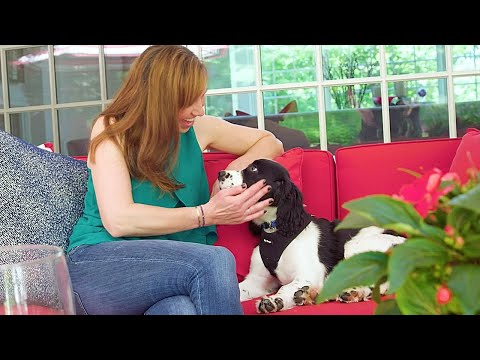
Under the Chin: Gently petting under the chin or around the neck area is also generally appreciated by dogs. This is a less threatening zone, and many dogs enjoy the feeling of attention here.
Back and Ribs: Many dogs enjoy being petted on their back, along the spine. However, some may not like it near their lower back or tail, especially if they feel insecure.
Areas to Avoid
Head and Ears: While some dogs enjoy having their heads scratched, many dogs feel threatened when you reach for their head, especially if they don’t know you well.
Be cautious with this area, as some dogs may also dislike having their ears touched.
Paws and Tail: A dog’s paws are highly sensitive. Many dogs are protective of their feet, so petting or handling them without proper training can lead to discomfort or even aggression.
Similarly, the tail should be approached with caution, as many dogs feel vulnerable when their tail is handled.
Body Handling Techniques: Nail Clipping, Grooming, and Medical Care

Regular body handling is essential for a dog’s hygiene, health, and comfort. However, many dogs may be apprehensive about grooming sessions, medical check-ups, or nail clipping.
To ensure these activities are stress-free, it’s important to desensitize your dog to touch in these areas from an early age.
Nail Clipping
Desensitize Gradually: Start by touching your dog’s paws gently. Give treats and praise each time they let you handle their paws. Once they are comfortable with you holding their paws, gradually introduce the clippers, but never force the action.
Use Positive Reinforcement: Reward your dog with treats and praise for calm behavior during grooming. This helps them associate the experience with something positive.
Bathing and Grooming

Start Slowly: Use a calm, soothing voice when introducing your dog to bath time. Gently wet their body and apply dog-safe shampoo while keeping the water temperature comfortable.
Brush Regularly: Regular brushing keeps your dog’s coat healthy. Again, using positive reinforcement helps your dog learn that brushing is a pleasant experience. Start slowly, especially with areas like their face, legs, and tail, as these areas might be more sensitive.
Vet Visits
Accustom Your Dog to Handling: Regularly handle your dog’s ears, eyes, and mouth to make them comfortable with being touched in these areas. This will make veterinary visits much less stressful for both you and your dog.
Reading Dog Behavior to Avoid Aggression

Understanding when a dog is uncomfortable or overstimulated is crucial to prevent aggression. Dogs may show subtle signs of stress before they resort to biting or growling.
Signs of Stress
Panting or Drooling: Excessive panting or drooling may indicate stress, especially if the dog is not overheated.
Yawning: A dog might yawn when they’re feeling anxious or uncomfortable. This is often accompanied by a stressed body posture.
Growling or Snapping: If a dog growls, it’s a clear sign that they feel threatened or uncomfortable. It’s important to back off and give them space.
How to Respond
Respect Their Space: If a dog displays any signs of discomfort, immediately give them space and avoid physical contact until they are calm again. Forcing interaction with an anxious dog can lead to negative experiences.
Use Calming Techniques: If your dog is stressed, offer calming strategies such as slow, soothing voice tones, or use a calming product like a pheromone diffuser.
Conclusion: A Bond Built on Respect

Petting and handling a dog is more than just showing affection; it’s about understanding their boundaries, respecting their space, and responding appropriately to their needs.
When you learn to read your dog’s body language, approach them with care, and handle them gently, you’re building a foundation of trust that will enhance your relationship.
By gradually desensitizing your dog to touch and handling, you help them feel safe and secure, and your bond will only grow stronger over time.
Patience, understanding, and positive reinforcement are the keys to successful dog body handling and petting.
Whether it’s the first time you’re petting your dog or you’re working on routine care, every touch and interaction matters. A little empathy and respect can go a long way in making your dog’s life more enjoyable and fulfilling.
Source: greatpetcare
Did you find this post useful or inspiring? Save THIS PIN to your Pets Board on Pinterest!

You may also like