
How to Play with Your Rabbit!


Rabbits don’t play like dogs or cats—and that’s exactly what makes them delightful. They’re curious, prey-minded explorers who thrive on choice, novelty, and gentle routine.
The sweet spot is giving your bunny enrichment that works with their instincts, not against them.
Two truths set the foundation: rabbits are crepuscular (most active at dawn and dusk), and they benefit from 3–4 hours of daily exercise/free-roam time in safe spaces.
When we honor those needs—plus communicate through calm body language—play stops feeling like “entertainment” and becomes daily wellbeing.
Understanding Your Rabbit’s Play Style

Crepuscular rhythm: best windows to play
Your rabbit’s energy peaks early morning and early evening. That’s when exploratory behaviors, zoomies, and curiosity are naturally highest. Aim to schedule short, predictable play blocks in these windows.
A simple pattern—10–15 minutes of focused play, a rest, then another mini-session—keeps things fun without pushing them into overstimulation.
Midday? Offer calmer enrichment like foraging puzzles or cozy tunnels to hide and nap between sniffs.
Reading body language: green flags vs. red flags
Look for relaxed ears, soft facial muscles, gentle grooming, and light binkies or hops—those are “go” signals. A rabbit that’s engaged will approach you willingly, investigate objects, tug or toss toys, and return for more. Slow blinks and flops mean “I feel safe.”
Hit pause if you see tension: ears pinned back for long stretches, sudden freezing, thumping, teeth grinding, or frantic darting.
If your rabbit consistently disengages, reduce intensity, switch the game, or simply sit nearby and hand-feed a few pellets to rebuild trust.
Set Up a Safe Play Space

Indoor bunny-proofing made easy
Rabbits play best when they feel secure. Think of your setup as a low-stress playground with clear boundaries and no dead ends. Before you start, do a quick scan:
Hide or cover cables, chargers, and power strips.
Block gaps behind appliances and under sofas.
Offer non-slip flooring where they jump or turn.
Place water and hay within reach so exploration never means hunger or thirst.
Keep a sturdy hidey house available so your rabbit can choose privacy at any time.
A small folding pen or baby gates can carve out a dedicated “play lane” where you can lay tunnels, cardboard boxes, and target stations without rearranging your living room every day.
Outdoor time, safely and kindly
Fresh air can be wonderful, but outdoors should be fully supervised and securely enclosed.
Avoid pesticides, check the area for toxic plants, provide shade, and never leave your rabbit unattended—birds of prey, neighborhood cats, or sudden noises can spook even confident bunnies.
If you experiment with a harness, choose a proper H-style body harness fitted snugly across chest and shoulders, never a neck collar, and never pull.
The goal is calm, exploratory steps on soft grass—if your rabbit freezes or fights it, skip the harness and stick to a safe run.
Games That Work (Mind + Body)

Foraging and puzzle play
In the wild, rabbits spend hours searching for food. Recreate that safely at home with foraging toys that make “earning” hay and pellets satisfying:
Cardboard rolls stuffed with hay and a pinch of pellet “sprinkles.”
Snuffle mats for scattering tiny treats to encourage nose-led searching.
Forage boxes: a shallow box filled with hay, herbs, and a few crumpled paper balls to nudge and toss.
Paper cups or egg cartons with perforations so the scent tempts them to nudge or shred.
Start very easy so your rabbit wins quickly, then increase difficulty by adding light barriers (a paper ball over the opening, a loose knot of paper around a treat).
Tunnels, platforms, and mini obstacle courses
Most rabbits adore tunnels—they feel safe and private. Connect two or three with “lookout” platforms (low, stable step stools or foam blocks) to create a circuit: tunnel → platform → short hop → treat.
Keep jump heights low to protect joints. Reward curiosity: a single pellet on the platform, a light cheer when they peek through the tunnel.
Over time, rotate tunnel angles, change the platform position, and add a soft crinkle mat for new textures.
Scent games and hide-and-seek
Place a pea-sized dab of banana on a paper square or hide two pellets in one of three cups. Let your rabbit watch you set it up, then cue with “find it!” Their nose does the rest.
If they solve it instantly, add a light barrier (a paper napkin over the cup) or increase distance. Keep rounds short—two or three successes, then a break.
Five-Minute Positive Training (That Feels Like Play)

Tiny training bursts sharpen your rabbit’s brain and strengthen your bond. Stick to positive reinforcement, pay in tiny pellets, dried herb flakes, or micro-mint leaves, and end on a win.
Step 1: Targeting (the foundation)
Hold a target (a chopstick tip or a small silicone spatula) just off your rabbit’s nose. When they touch it—intentionally or by curiosity—mark the moment (“yes!” or a soft click if you use a clicker) and reward. Repeat until they follow the target for one or two steps.
Targeting powers everything else: guiding onto a platform, through a tunnel, or into a carrier without lifting or chasing.
Step 2: Recall (“come”)
From a short distance, present the target, say the cue once (“come”), and back up a step. When your rabbit moves toward you, mark and reward. Gradually fade the target so “come” alone brings them trotting in for a treat.
This becomes invaluable when you need to end free-roam kindly or redirect from a no-chew area.
Step 3: Spin or platform
Lure a gentle spin by moving the target in a small circle; mark and treat as they complete even a partial turn. Or cue “up”: tap the stable platform with the target, reward two front paws up, then a full hop.
Keep sessions to 2–3 minutes, then switch to relaxed petting or a foraging break.
Bonding Without Overwhelming

Touch where it feels good
Many rabbits enjoy cheeks, forehead, and the base of the ears more than full-body strokes.
Let your rabbit come to you; offer a hand, wait for a chin rub or head lower, then deliver a slow, short petting sequence (5–10 seconds). Pause. If they stay or nudge, continue. If they move away, respect the “no thanks.”
That consent dance teaches your rabbit that you’re predictable and safe.
Play that respects their choice
If your rabbit loses interest, don’t chase engagement—change the game or reduce the ask. Sit on the floor, scatter a few pellets into a snuffle mat, and read nearby. Often, a rabbit returns once the pressure drops.
A Simple Weekly Rotation Plan
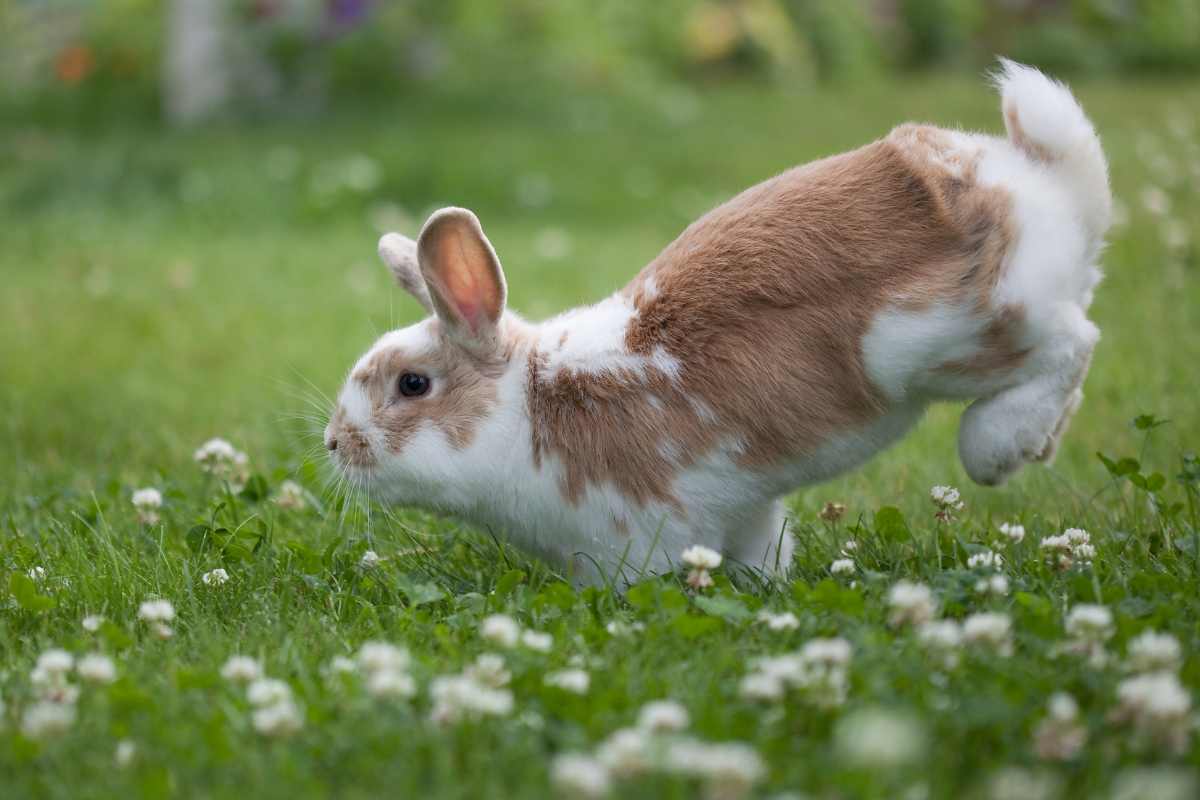
Novelty keeps curiosity alive. Rotate toys and layouts so your rabbit feels like the world changes—just a little—every few days.
Monday/Tuesday: Foraging focus. Two different cardboard puzzles and a snuffle mat; evening target-training for 2 minutes.
Wednesday/Thursday: Tunnels + platform day. Rearrange tunnel angles and add a soft ramp; practice one recall set at dusk.
Friday: Scent games. Three cups, one reward; increase difficulty after each success.
Weekend: Outdoor pen (if available) or extra indoor roam with new textures (a bath mat, a low box bridge). Keep sessions short and supervised.
Log quick notes in your phone (“Loved the crinkle mat,” “Spin got sticky after 2 reps”) so you can tune difficulty and repeat favorites.
Quick Answers You’ll Actually Use

How long should play sessions be?
Think short bursts—5–10 minutes of focused play, a rest, then another burst—nested inside your rabbit’s 3–4 hours of daily exercise/free-roam. Variety and choice matter more than one long marathon.
Harness: yes or no?
It’s optional, not required. If you try it, use a properly fitted body harness, introduce it gradually indoors with treats, never use a neck collar, and never tug.
If your rabbit resists, skip it and stick to a secure outdoor run or indoor enrichment.
What treats are safe for training?
Use tiny portions of regular pellets or high-fibre options like dried herb blends. Fresh herbs (mint, basil, parsley) can work as micro-rewards.
Keep sugary fruit to rare, pea-sized accents. The idea is many repetitions, minimal calories.
Pre-Play Safety Check (60 seconds)
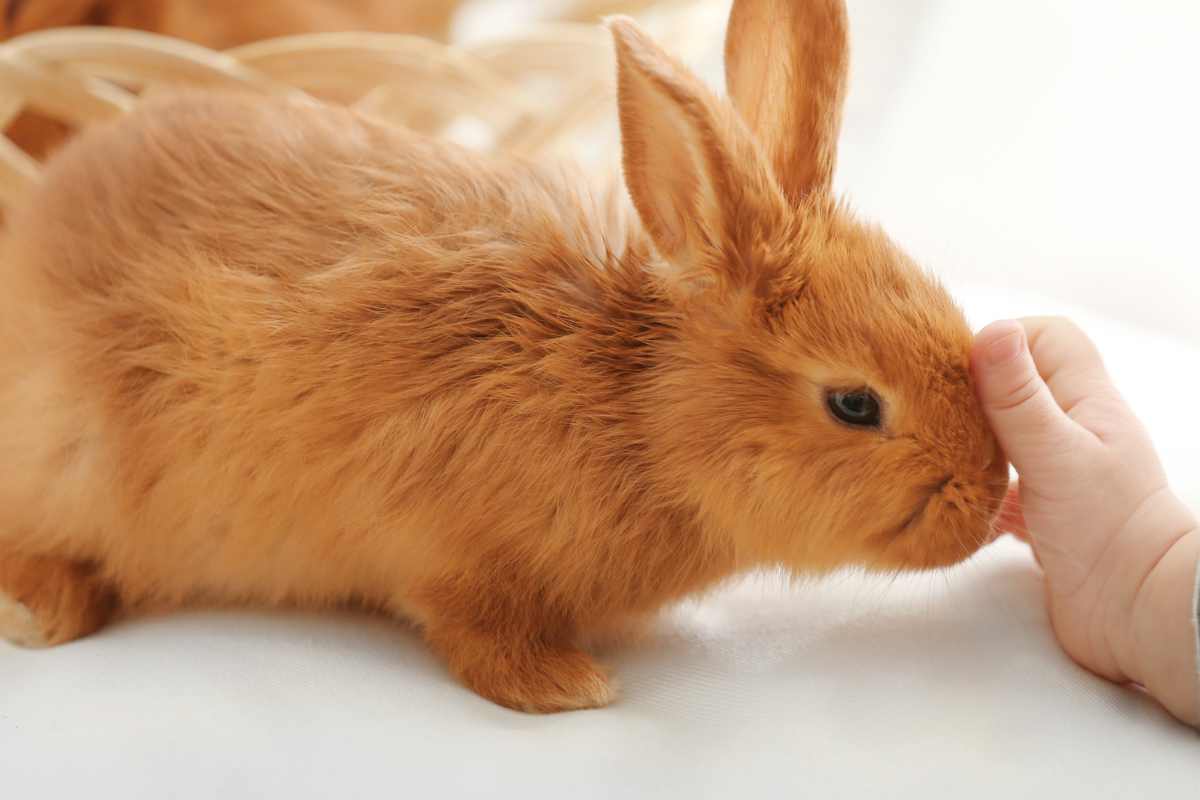
Before each session, run this quick mental list:
Space is bunny-proof (cables covered, no tight traps).
Water and hay are available in the play zone.
Non-slip surfaces where jumps and turns happen.
Hidey house within two hops.
Treats pre-portioned so you don’t overfeed.
Timer set for a gentle end (and one last easy “win”).
Keep It Fun and Flexible

When play respects your rabbit’s instincts, timing, and body language, everything gets easier: litter habits improve, confidence blooms, and the bond you share deepens.
Start with simple foraging, add one new element each week (a tunnel angle, a platform, a scent game), and sprinkle in five-minute positive training sessions that end on a win.
The result isn’t just a tired bunny—it’s a curious, confident companion who sees you as the safest, most interesting part of their world.

Source: Lennon The Bunny
Did you find this post useful or inspiring? Save THIS PIN to your Pets Board on Pinterest!

You may also like