
How to Post Trot On a Horse


The trot is one of the most fundamental gaits in horseback riding, and learning how to post the trot is essential for both comfort and control.
The posting trot is a technique where the rider rises from the saddle in rhythm with the horse's movement. It allows the rider to stay more comfortable, especially during prolonged periods of riding.
In this article, we'll break down everything you need to know about posting the trot, including the correct technique, tips, and potential pitfalls to avoid.
What is the Posting Trot?

The posting trot is a method of rising and sitting in the saddle in synchronization with the horse's diagonal gait. The trot is a two-beat gait where the horse moves its diagonal pairs of legs in unison.
By posting, the rider lifts themselves out of the saddle when the horse’s outside front leg moves forward and sits back down when the inside front leg moves forward.
This helps maintain a smooth ride and reduces the impact on both the rider and the horse.
Posting is essential when trotting for long periods because it relieves the pressure on the rider's back. It also helps the horse maintain a more comfortable and efficient rhythm. In this guide, we’ll show you how to get it right.
Why Is It Important to Post the Trot?

The primary benefit of posting the trot is that it reduces the impact on the rider’s body. When you stay seated during the trot, the rider feels a significant amount of up-and-down motion that can lead to fatigue and discomfort.
By posting, the rider rises with the horse’s movement, which minimizes the amount of bounce that is transferred to the body.
Additionally, posting helps to improve balance and coordination.
As you rise and fall with the horse, you learn how to develop a sense of timing and cooperation with your horse’s gait, which is crucial for mastering other movements and disciplines.
How to Post the Trot: Step-by-Step

1. Prepare Your Position
Before you begin posting, make sure you are in a proper position to maintain balance and control throughout the movement.
Keep your heels down, with your legs gently in contact with the horse’s sides. Your upper body should be straight, but not stiff, and your hands should hold the reins with a soft, even contact.
Ensure that you’re centered in the saddle, sitting evenly on both sides of the horse. Keep your shoulders relaxed and your elbows slightly bent.
Looseness in your arms and hands will help you follow the horse’s motion more smoothly.
2. Start with the Right Diagonal
The first thing to understand about posting is that the trot follows a diagonal pattern. When posting, the rider rises when the horse’s outside front leg moves forward and sits when the inside front leg moves forward.
This movement should feel synchronized, like a natural rhythm that flows with the horse’s gait.
To determine which diagonal you're on, look for the movement of the horse’s front legs. The easiest way is to check which front leg moves first as you start trotting.
If the right front leg moves first, then you should rise when it does, and if the left front leg moves first, you should rise when that leg moves forward.
3. The Rising Motion

Once you’ve identified the correct diagonal, you’re ready to begin the posting motion. When the horse’s outside front leg moves forward, push gently with your stirrups and rise slightly out of the saddle.
As you rise, your body should move with the horse's motion, keeping your back straight and your pelvis slightly forward. Avoid leaning backward as this can throw off your balance.
4. Sit Back Down
As the horse’s inside front leg moves forward, sit back down into the saddle. Keep your body fluid and in sync with the horse’s movement.
When sitting back down, ensure that your seat bones make contact with the saddle without crashing down heavily. You want to maintain a soft seat that absorbs the motion, rather than feeling jarring.
5. Maintain the Rhythm
Once you’re familiar with the basic movement, it’s time to focus on maintaining a smooth rhythm. You want to rise and sit in sync with the horse’s trot without rushing or lingering too long.
Avoid jerky movements, which can be uncomfortable for both you and the horse.
Tips for Improving Your Posting Trot

1. Relax and Stay Flexible
A relaxed posture is key to posting successfully. Tension in your body can disrupt the flow of the movement and cause unnecessary discomfort. Keep your elbows soft, shoulders relaxed, and your legs in light contact with the horse.
2. Keep the Contact Soft
Your reins should remain soft and steady. Avoid pulling on the reins as this can create tension in the horse’s mouth and lead to discomfort. Aim to keep the contact steady without restricting the horse’s movement.
3. Change Diagonals When Necessary
In dressage and many other riding disciplines, riders change diagonals after a set period or as directed by the instructor.
The diagonal change occurs by simply posting in the opposite rhythm. Switching diagonals is important to ensure both sides of the horse are equally engaged during the trot.
4. Practice on a Straight Line First
It’s a good idea to start practicing the posting trot on a straight line before moving to circles or patterns.
This allows you to focus solely on the posting rhythm without the additional challenge of steering. Once you're comfortable on the straight line, you can incorporate the trot into turns.
5. Avoid Stiffening Your Back
Your back should remain flexible throughout the post. Avoid stiffening or arching your back, as this can lead to discomfort. Your torso should follow the motion of the horse’s upward movement, not resist it.
Common Mistakes to Avoid

1. Sitting Too Early or Too Late
A common mistake is sitting down too early or too late in the rhythm of the trot. Sitting too early causes the rider to bounce out of sync with the horse’s movement, while sitting too late can lead to discomfort for the rider.
Focus on synchronizing your rise and sit with the horse’s leg movements.
2. Leaning Forward or Backward
Some riders unintentionally lean too far forward or backward during the trot.
Leaning forward can cause the horse to become unbalanced, while leaning back can make it harder to follow the horse’s movements. Stay upright and allow your body to move fluidly with the horse.
3. Over-Gripping the Reins
Gripping the reins too tightly can cause tension in both the horse and rider. It can also affect your ability to post properly. Keep a soft grip on the reins, allowing the horse to move freely without restriction.
When to Post the Trot

In some riding disciplines, such as hunter/jumper or dressage, posting the trot is commonly used to make the ride more comfortable and efficient.
However, there are times when sitting the trot might be necessary, especially when doing more advanced movements or when riding on rough terrain.
If you are just starting out, focus primarily on posting. As you gain more experience, you’ll begin to feel when sitting the trot or even collecting the trot might be necessary for certain movements.
Final Thoughts
Learning how to post the trot correctly is essential for every rider. It not only makes the ride more comfortable but also improves your balance, coordination, and communication with the horse.
By practicing regularly, focusing on the technique, and ensuring proper body alignment, you can master the posting trot and ride with greater ease and enjoyment.
Whether you’re riding for leisure or competing in equestrian sports, posting the trot will always be a fundamental skill that enhances your riding experience.
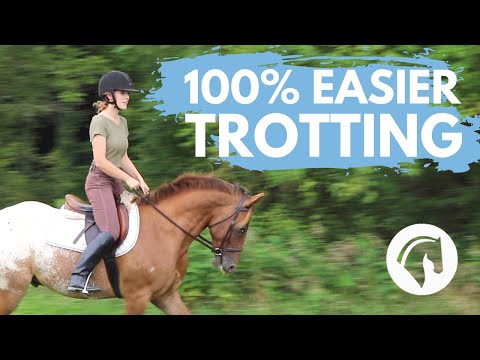
Source: Equine Helper
Did you find this post useful or inspiring? Save THIS PIN to your Pets Board on Pinterest!

You may also like