
How to Stop Your Cat From Scratching Furniture


Cats are natural scratchers. They do it to mark territory, stretch their muscles, and maintain their claws.
Unfortunately, this behavior can sometimes be a problem when they scratch furniture, curtains, or other household items.
However, there are many ways to manage and redirect this instinctive behavior.
In this article, we’ll explore why cats scratch, what you can do to stop them from scratching your furniture, and how to encourage them to use appropriate scratching surfaces.
Why Do Cats Scratch?
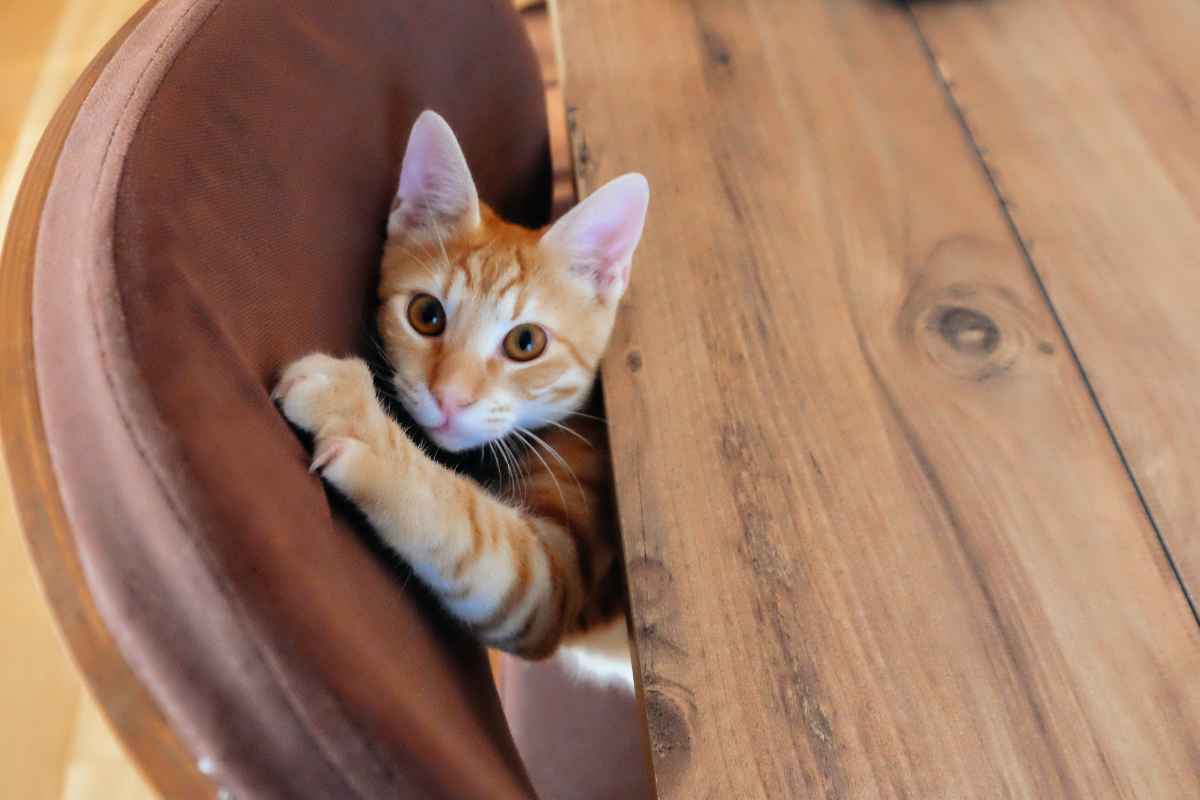
Before we jump into solutions, it's essential to understand why cats scratch. Scratching is a normal and healthy behavior for cats. It helps them to:
Mark territory: Cats have scent glands in their paws. Scratching leaves a scent trail, signaling to other animals that the area is claimed.
Maintain claws: Scratching helps cats shed the outer layer of their claws, keeping them sharp and healthy.
Stretch muscles: Scratching provides a great full-body stretch for cats, helping to keep their muscles toned and flexible.
Understanding these instincts will help you address the issue of furniture scratching without punishing your cat.
Common Misconceptions About Scratching

Some pet owners think that scratching can be stopped by trimming a cat’s claws or simply disciplining the animal. However, this isn't a long-term solution because:
Trimming claws: While trimming your cat's claws will make them less sharp, it doesn't eliminate the desire to scratch.
Punishment: Punishing a cat for scratching doesn't address the underlying instinct and can lead to stress or anxiety.
Instead, it’s more effective to provide alternative scratching surfaces and encourage your cat to use them.
Solutions to Stop Your Cat from Scratching Furniture
Here are several effective strategies to stop your cat from scratching your furniture and help them direct their energy towards more appropriate surfaces.
1. Provide the Right Scratching Surfaces
The most effective way to stop your cat from scratching furniture is to provide alternative scratching posts and surfaces. Cats prefer different types of scratching areas, so it’s important to experiment with various options:
Vertical Scratching Posts
Cats love to scratch vertically, as it helps them stretch their bodies.
A tall scratching post made from sisal or carpet can be a great option. Make sure it’s sturdy and tall enough to allow your cat to stretch fully.
Horizontal Scratching Surfaces
Some cats prefer to scratch on horizontal surfaces, such as scratching pads or mats. These can be placed on the floor or in your cat’s favorite resting spots.
Combination Scratching Posts
You can also find scratching posts that combine both vertical and horizontal surfaces. These posts are versatile and cater to the varying preferences of your cat.
2. Use Catnip to Attract Your Cat to Scratching Posts

If your cat isn’t immediately interested in the scratching posts, try using catnip to make them more enticing.
Sprinkle a small amount of catnip on the post or rub it in with your hands. The scent will attract your cat and encourage them to use the post as their new scratching spot.
3. Apply Double-Sided Tape to Furniture
One simple trick to deter your cat from scratching your furniture is to apply double-sided tape on the areas they tend to scratch.
Cats dislike the sticky texture, so they’ll be less likely to continue scratching there. Over time, your cat will learn to associate the furniture with discomfort and avoid it.
You can also find specialized furniture protectors that are made from scratch-resistant material, which can help safeguard your couch or chairs while you train your cat.
4. Regular Claw Trimming

While trimming your cat’s claws won’t stop them from scratching, it can help minimize damage to your furniture.
Trimming your cat’s claws regularly reduces the sharpness of their claws and prevents excessive tearing of fabric.
If you’re unsure how to trim your cat’s claws, consult a veterinarian or a professional groomer for guidance.
5. Reward Positive Behavior
Using positive reinforcement is a highly effective method to train your cat. Every time your cat uses the scratching post, reward them with praise or a treat.
This reinforces the behavior you want to encourage and helps create a positive association with using the scratching post.
Additional Tips to Prevent Scratching

While the above strategies are effective, there are a few additional techniques to ensure your cat stays away from your furniture:
1. Rotate Scratching Posts Regularly
If your cat becomes bored with the same scratching post, try rotating the posts regularly.
Moving the post to a new location or changing its position can make it more interesting for your cat and keep them engaged.
2. Use Deterring Sprays
There are commercial sprays available that are designed to deter cats from scratching furniture.
These sprays typically contain scents that cats find unpleasant, such as citrus or lavender. Spray them on areas of your furniture you want to protect.
Be sure to test the spray on a small, inconspicuous area to ensure it doesn't damage your furniture.
3. Create a Stimulating Environment

Boredom can lead to destructive behaviors, including scratching. Make sure your cat has plenty of mental stimulation and physical activity.
Provide toys, climbing shelves, and places to hide. A happy and well-exercised cat is less likely to scratch out of frustration.
What to Avoid When Dealing with Cat Scratching
There are some common mistakes pet owners make when dealing with scratching behavior. Avoid these strategies, as they can worsen the problem:
1. Declawing Your Cat
Declawing is an inhumane and outdated practice that removes part of a cat’s toes along with the claws.
This procedure causes pain, behavioral issues, and physical harm to your cat. It’s important to remember that scratching is a natural behavior, and there are humane alternatives.
2. Punishing Your Cat

Punishment, such as yelling or using harsh methods, doesn’t work with cats and can lead to fear and anxiety.
Cats do not associate punishment with their actions, and this can harm your bond with your pet. Instead, focus on redirecting the behavior and reinforcing positive actions.
Final Thoughts: How to Live Harmoniously with Your Scratching Cat
Scratching is an unavoidable part of having a cat, but with the right approach, you can protect your furniture while allowing your cat to express their natural instincts.
Providing alternatives, using rewards, and creating a stimulating environment will not only help stop your cat from scratching furniture but will also improve their well-being.

Key Takeaways
Provide a variety of scratching posts and surfaces for your cat.
Use positive reinforcement to encourage scratching in the right places.
Protect your furniture with double-sided tape or furniture covers.
Avoid harmful practices like declawing or punishment.
By understanding your cat’s natural behavior and making simple changes to your environment, you can ensure a happy and scratch-free home for both you and your furry friend.
We hope you enjoy this video about Cat

Source: The Purring Journal
Did you find this post useful or inspiring? Save THIS PIN to your Pets Board on Pinterest!

You may also like