
How to Take Care of a Cockatiel


Cockatiels are friendly, intelligent, and social birds, making them a popular choice for pet owners.
Whether you are considering adopting one or already have a cockatiel at home, it’s essential to provide the right care to ensure their well-being.
From their diet to socialization needs, there are various factors to consider to keep your cockatiel healthy and happy.
In this guide, we’ll walk you through everything you need to know about taking care of a cockatiel, so you can give your feathered friend the best possible life.
🏠 Setting Up the Perfect Home for Your Cockatiel
One of the first steps in caring for a cockatiel is creating a comfortable and safe environment. The right cage, placement, and enrichment can make a significant difference in your bird's happiness.
Cage Size and Placement

When selecting a cage for your cockatiel, size matters. A larger cage is always better, allowing them to move around freely.
The ideal size for a cockatiel’s cage should be at least 24 inches wide, 24 inches deep, and 36 inches tall.
This will provide enough space for your bird to stretch its wings and hop around.
Make sure the bars are spaced no wider than 1/2 inch to prevent your cockatiel from escaping or getting its head stuck.
Place the cage in a quiet area away from drafts, direct sunlight, or high-traffic spots. It’s essential to have some privacy and a sense of security for your bird.
Perches and Toys
Variety is key when choosing perches.
Opt for natural wood perches of different thicknesses to allow your cockatiel to exercise its feet.
Avoid perches made of plastic, as they can harm your bird's feet over time.
Cockatiels also need plenty of toys to stimulate their minds and prevent boredom.
You can offer toys like bell toys, mirrors, and puzzle feeders to encourage problem-solving. Avoid toys with small parts that your bird might swallow.
Cage Cleaning

Maintaining a clean cage is essential for your cockatiel’s health.
Clean the cage at least once a week by removing old bedding and scrubbing surfaces with a safe, bird-friendly cleaner.
Change the water and food dishes daily, and clean them thoroughly to avoid the buildup of bacteria.
🍽️ Providing a Nutritious Diet
A healthy diet is critical for your cockatiel’s overall health. While cockatiels may love seeds, they should not form the entirety of their diet.
Pellets: The Foundation of Their Diet
Pellets should make up 70-80% of your cockatiel's diet. Choose high-quality pellets that are specially formulated for cockatiels.
These provide balanced nutrition and prevent your bird from becoming picky, as they contain essential vitamins, minerals, and amino acids.
Fresh Fruits and Vegetables
Cockatiels enjoy fresh fruits and vegetables, which are packed with nutrients. Some safe options include:
Apples (without seeds)
Carrots
Broccoli
Spinach
Be sure to wash all fruits and veggies thoroughly before serving them. Introduce new foods slowly and observe your bird’s reaction to ensure it doesn’t have any adverse reactions.
Seeds: Treats, Not Staples

While seeds can be an enjoyable treat, they should not be the primary food source.
Seeds are high in fat, which can lead to obesity and other health problems if fed in excess. You can offer seeds as an occasional snack or for training purposes.
Supplements for Health
Ensure your cockatiel gets enough calcium by providing a cuttlebone or mineral block. These supplements help maintain strong bones and support healthy egg production in female cockatiels.
🧼 Maintaining Cleanliness and Hygiene
A clean environment is essential for your bird’s health. Regular cleaning of your cockatiel’s cage, perches, and toys can help prevent infections and keep your bird happy.
Daily Cleaning Routine
Every day, remove any uneaten food and change the water. Cockatiels can be messy eaters, so wiping down food dishes and perches with a clean, damp cloth will help maintain hygiene.
Weekly Cleaning
Once a week, give your cockatiel’s cage a thorough cleaning. Replace the cage liner, scrub the surfaces, and disinfect toys and perches. Make sure to use non-toxic cleaning agents to avoid exposing your bird to harmful chemicals.
🧠 Behavior and Socialization

Cockatiels are highly social birds, and they require daily interaction to remain happy.
They can become lonely and bored if left alone for too long, which may lead to behavioral problems.
Interaction and Bonding
Spend at least an hour each day interacting with your cockatiel.
Talking to your bird, offering treats, and letting it sit on your shoulder can help build a strong bond.
Cockatiels are affectionate birds, and they enjoy attention and companionship from their human family members.
Training Your Cockatiel
Training your cockatiel can be fun and rewarding.
Use positive reinforcement, such as treats or verbal praise, to teach basic commands or even simple tricks like step up or turn around.
Cockatiels are intelligent and can learn a variety of tricks with consistent training.
Signs of Stress
While cockatiels are generally calm, they can become stressed due to changes in their environment or routine.
Watch for signs of stress such as excessive screaming, feathers ruffled up, or repetitive behavior like plucking feathers.
If you notice these behaviors, it might indicate that your cockatiel needs more attention or a change in its environment.
🩺 Health and Wellness

Routine health care is crucial for keeping your cockatiel in top condition. Regular vet visits and attention to any unusual behavior can help you catch health issues early.
Regular Vet Visits
Take your cockatiel to the vet for annual checkups.
A bird-savvy veterinarian can perform a thorough examination and check for signs of illness.
If you notice any of the following signs, it’s essential to seek veterinary care immediately:
Loss of appetite
Fluffed-up feathers
Changes in droppings
Difficulty breathing
Common Health Concerns
Cockatiels are prone to certain health conditions, including respiratory infections and feather plucking.
Proper care and a clean environment can help prevent many of these issues.
If you notice that your cockatiel is constantly scratching or showing signs of discomfort, it may need a vet visit to rule out parasites or skin infections.
🌿 Creating a Safe Environment

Cockatiels are curious birds, and they tend to explore their surroundings. However, it’s essential to ensure their environment is safe to prevent accidents.
Toxic Household Items
Avoid using non-stick cookware with Teflon, as the fumes from overheated non-stick pans can be fatal to birds.
Keep your cockatiel away from strong-smelling cleaners, candles, or air fresheners, which can harm its respiratory system.
Free Flight Time
If you can safely do so, allow your cockatiel to fly outside of its cage for exercise.
Free flight gives your bird a chance to stretch its wings, practice its flying skills, and explore the house.
Ensure the area is safe, with no open windows, doors, or other hazards that could lead to injury.
💡 Final Thoughts
Caring for a cockatiel is an enriching experience, as these delightful birds can become lifelong companions.
By providing the right environment, diet, and socialization, you’ll help your cockatiel thrive and enjoy a happy, healthy life.
Be proactive in your bird's health, and remember that a strong bond with your cockatiel is essential to its happiness.
With these tips and a little effort, you'll be well on your way to having a wonderful relationship with your feathered friend.
We hope you enjoy this video about Birds
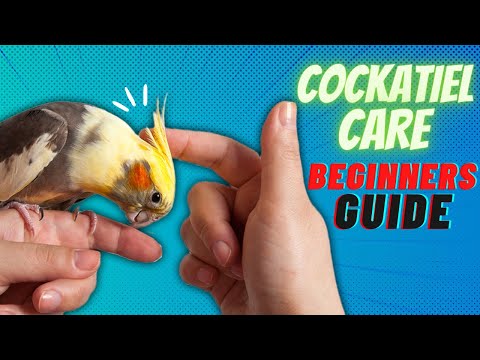
Source: Parrots Awesomeness
Did you find this post useful or inspiring? Save THIS PIN to your Pets Board on Pinterest!

You may also like