
How to Tame your bird and BOND with it


Taming your bird and building a bond with it is an enriching process that requires patience and understanding.
Whether you're a first-time bird owner or looking to deepen your relationship with your feathered friend, this guide will provide essential tips and practical steps to make your journey smoother and more successful.
Understanding Your Bird’s Natural Behavior

Before starting the taming process, it's important to understand your bird’s natural instincts. Birds, as prey animals, can be cautious and need time to feel safe.
Understanding these instincts will help you approach the taming process with patience.
Fear Responses and Body Language
Birds often display fear responses when they are introduced to a new environment or person. These can include:
Puffing up their feathers: This indicates the bird is feeling threatened.
Flapping or vocalizing loudly: These are warning signs to keep distance.
Understanding your bird’s body language is key. If a bird is relaxed, its feathers will be smooth, and it will be more likely to approach you.
First Steps in Taming Your Bird

Building trust with your bird requires a calm approach. Here are the initial steps to start the taming process.
1. Create a Comfortable Environment
To build trust, the environment is essential. Place your bird’s cage in a quiet, peaceful spot where it feels secure. Keep in mind that sudden loud noises or movements can startle your bird.
Cage Placement: Position the cage in a low-traffic area so your bird doesn’t feel overwhelmed.
Allow Alone Time: Let your bird settle into its environment before any direct interaction.
2. Respect Your Bird’s Space
Rushing into physical interaction can overwhelm your bird. Let it come to you at its own pace. Offer treats from your hand to encourage your bird to approach and associate you with positive experiences.
Slow and Steady Movements: Move calmly around your bird to avoid startling it.
Use Food as a Reward: Birds respond well to food. Offer treats to motivate your bird to come closer.
Building Trust with Your Bird

Once your bird feels more at ease with its surroundings, you can start working on developing a deeper bond.
3. Start with Simple Interaction
Communication is key when taming a bird. Talk softly to your bird in a calm voice to let it recognize your presence and tone.
Gentle Phrases: Use simple phrases like “Hello” or its name.
Reinforce Positive Responses: If your bird responds positively, reward it with a treat.
4. Hand-Feeding Your Bird
Hand-feeding is one of the most effective ways to build trust. When you feed your bird from your hand, it will begin to associate you with positive experiences.
Let the Bird Come to You: Don’t force your bird to take food from your hand. Wait until it is comfortable approaching.
Use Treats: Offer its favorite treats to entice the bird to come closer.
Handling Your Bird

Once your bird is comfortable with your presence, it's time to begin handling. This stage is crucial for further bonding and taming.
5. Step Up onto Your Finger
Teaching your bird to step up onto your finger is a great way to build trust and allow for more interaction. Here’s how:
Extend Your Finger Gently: Slowly approach your bird with your finger under its belly, saying “step up” in a calm tone.
Reward Positive Behavior: When the bird steps onto your finger, reward it with a treat to reinforce the behavior.
6. Gradual Handling
Now that your bird is stepping up, you can start to handle it for longer periods. Always handle your bird gently and respect its boundaries. Birds can become overwhelmed if held for too long.
Short Sessions: Start with short handling sessions and gradually increase the duration.
Let Your Bird Rest: After a session, let your bird retreat to its cage if it feels the need.
Overcoming Challenges in Taming

Even with patience, there will be challenges along the way. Below are common hurdles and how to address them.
7. Dealing with Fear
Fear is natural, especially in birds that are new to the environment. Instead of forcing the interaction, allow the bird to take its time to feel comfortable.
Avoid Forceful Interactions: If your bird shows fear, step back and give it space. Never punish it for being scared.
Reassurance and Patience: Show your bird you’re not a threat by being calm and patient.
8. Handling Aggression
Aggressive behavior can sometimes occur, especially if a bird feels trapped or threatened. The best way to deal with this is to remain calm and avoid escalating the situation.
Recognize Triggers: Pay attention to what might cause your bird to act aggressively, such as sudden movements or loud noises.
Use Positive Reinforcement: Reward your bird when it shows calm behavior to encourage good habits.
Maintaining the Bond with Your Bird

Once you’ve tamed your bird, it’s important to maintain the bond by continuing regular interaction and training.
9. Continue Training and Interaction
Taming your bird is a continuous process. Regular interaction is essential to keep your bird engaged and happy. Set aside time every day for training or playtime.
Introduce New Tricks: Challenge your bird by teaching it new tricks like spinning or waving.
Provide Enrichment: Birds need mental stimulation. Offering toys and puzzles will keep them entertained and mentally sharp.
Conclusion

Taming and bonding with your bird is a rewarding journey that requires patience, consistency, and understanding.
By creating a safe environment, respecting your bird’s space, and gradually building trust, you can establish a strong, positive relationship.
Over time, your bird will become a cherished companion, and your bond will continue to grow. Remember, the key to success is patience and positive reinforcement!
Enjoy The Video About Birds
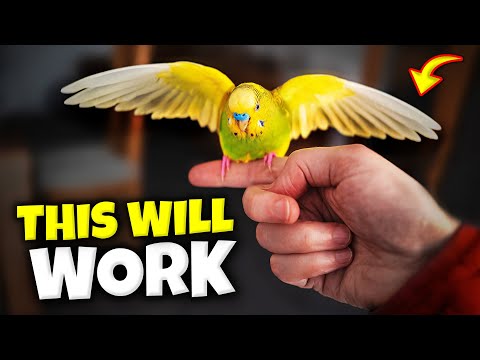
Source: Bird Nuggets
Did you find this post useful or inspiring? Save THIS PIN to your Pets Board on Pinterest!

You may also like