
How to Tame Your Bird Really Fast


Are you struggling to get your bird to trust you? Whether you're a first-time bird owner or looking to build a stronger bond with your pet, taming your bird can be a rewarding and enjoyable process.
Birds are highly intelligent, but they can also be wary of new environments and unfamiliar faces.
With patience, consistency, and the right approach, you can build a trusting relationship with your bird and ensure a happier, healthier pet.
In this guide, we'll walk you through the steps of taming your bird quickly, providing tips and techniques that will help you gain your bird's trust without overwhelming them. Let's dive in!
Why Taming Your Bird Is Important
Before we dive into the steps, it's essential to understand why taming your bird is crucial.
When birds are not comfortable with their surroundings or their handlers, it can lead to stress, behavioral issues, and even health problems.
Taming helps your bird feel safe and secure, making them more likely to interact with you and bond with you.
Building trust with your bird is not just about training them to step up on your finger or perform tricks. It's about creating a positive, trusting relationship where your bird feels comfortable and confident in your presence.
Step 1: Create a Safe and Calm Environment
The first step in taming your bird is to ensure they feel safe in their environment.
Birds are prey animals, so they are naturally cautious of anything that may pose a threat. If your bird feels unsafe, they may become stressed or aggressive.
Here are a few ways you can create a calm and safe environment:
Minimize Noise and Distractions: Birds are sensitive to loud noises and sudden movements. Keep their cage in a quiet, peaceful area of your home.
Avoid Overcrowding: If you have multiple pets, keep them away from the bird's cage until they become comfortable with you.
Provide Hiding Spots: Birds like to have a place where they can retreat and feel secure. Make sure their cage has a covered area or some form of shelter where they can feel safe.
Use Soft Lighting: Bright lights can be intimidating for birds. Use soft, natural lighting to create a more relaxing environment.
By providing a calm and secure environment, you'll help your bird feel more at ease, making the taming process much smoother.
Step 2: Build a Routine of Consistent Interaction
Birds thrive on routine. They feel more comfortable and secure when they know what to expect. Establishing a consistent routine will help your bird understand that you're not a threat and that they can trust you.
Here's how to create a positive and predictable routine for your bird:
Start Slowly
Begin by sitting near your bird’s cage for a few minutes every day. Speak softly and allow your bird to get used to your presence.
Avoid making sudden movements or trying to touch them right away. Let them observe you and feel comfortable with your presence.
Offer Treats as Positive Reinforcement
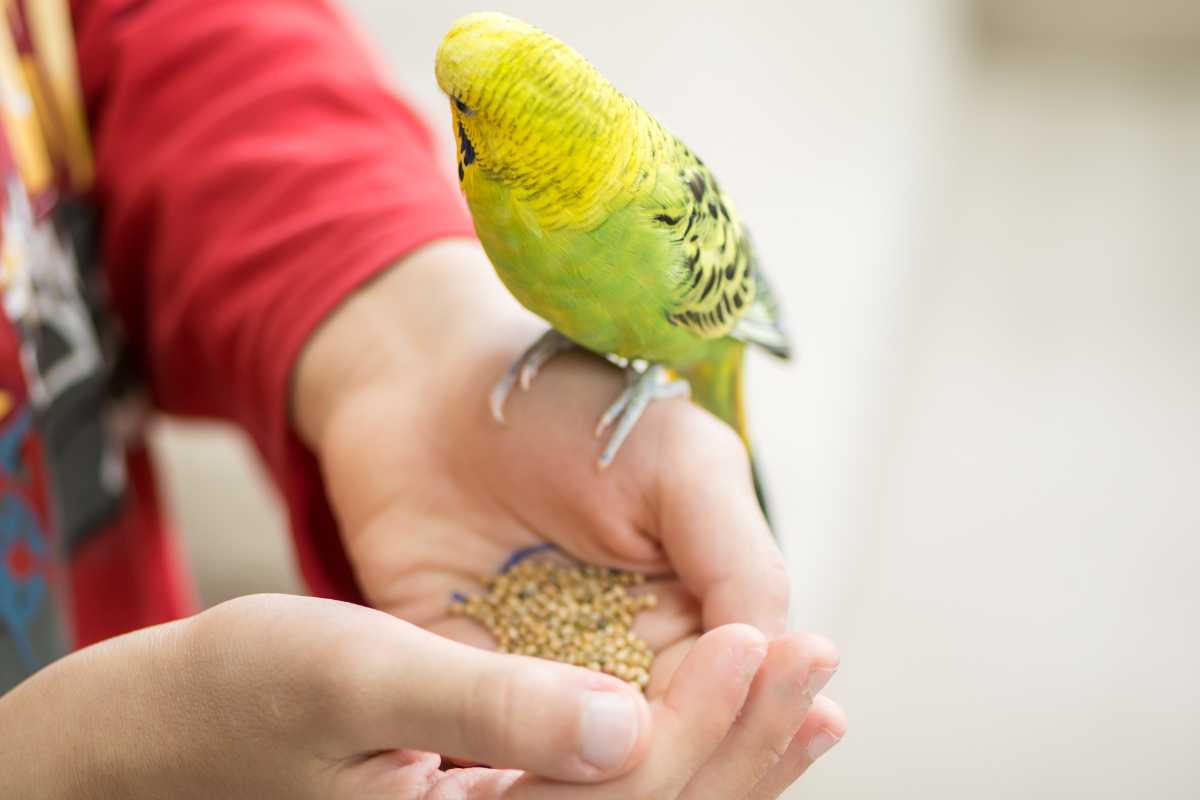
Offering your bird treats is a great way to start building trust. Hold a treat in your hand, and allow your bird to approach it at their own pace.
Do not try to force them to take the treat. If your bird approaches and takes the treat, reward them with praise and positive reinforcement.
Over time, your bird will begin to associate you with positive experiences, helping them feel more at ease with you.
Gradual Cage Interaction
Once your bird is comfortable with your presence near the cage, begin to open the cage door and let your bird come out on their own.
Never force your bird out of the cage, as this can cause fear and mistrust. Instead, offer your finger or a perch and let them decide whether to step out.
Step 3: Introduce Handling Gently
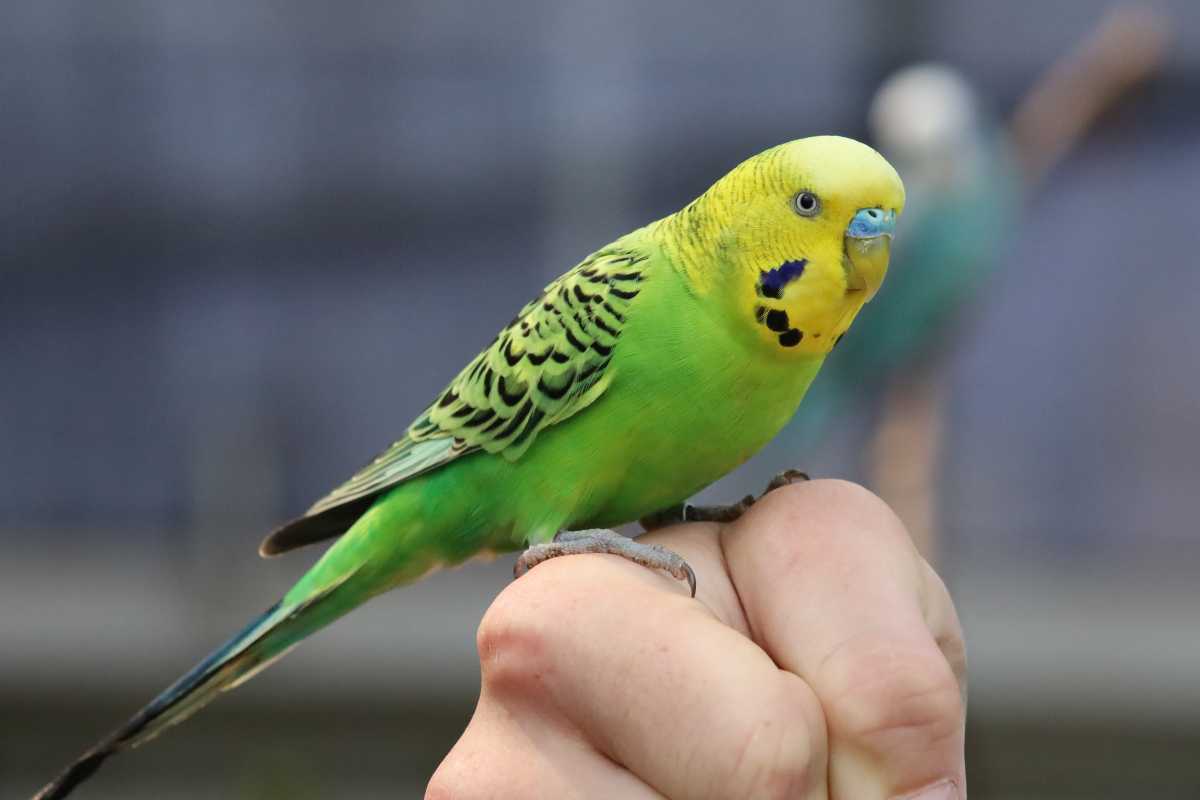
Handling your bird is an important part of the taming process. However, it's essential to go slow and allow your bird to get used to being handled in a non-threatening way.
Step Up Training
“Step up” training is one of the first behaviors that many bird owners teach their birds. This simple command involves encouraging your bird to step onto your finger or hand. Here's how to start:
Place your finger gently near your bird's belly.
When they step onto your finger, reward them with a treat and praise.
Repeat this process daily, gradually increasing the amount of time your bird spends on your finger.
Avoid Grabbing or Forcing
It's important to never grab your bird or force them into a situation where they feel trapped. Always allow your bird to make the decision to step onto your hand or perch. Patience is key—let them set the pace.
Step 4: Reinforce Positive Behavior
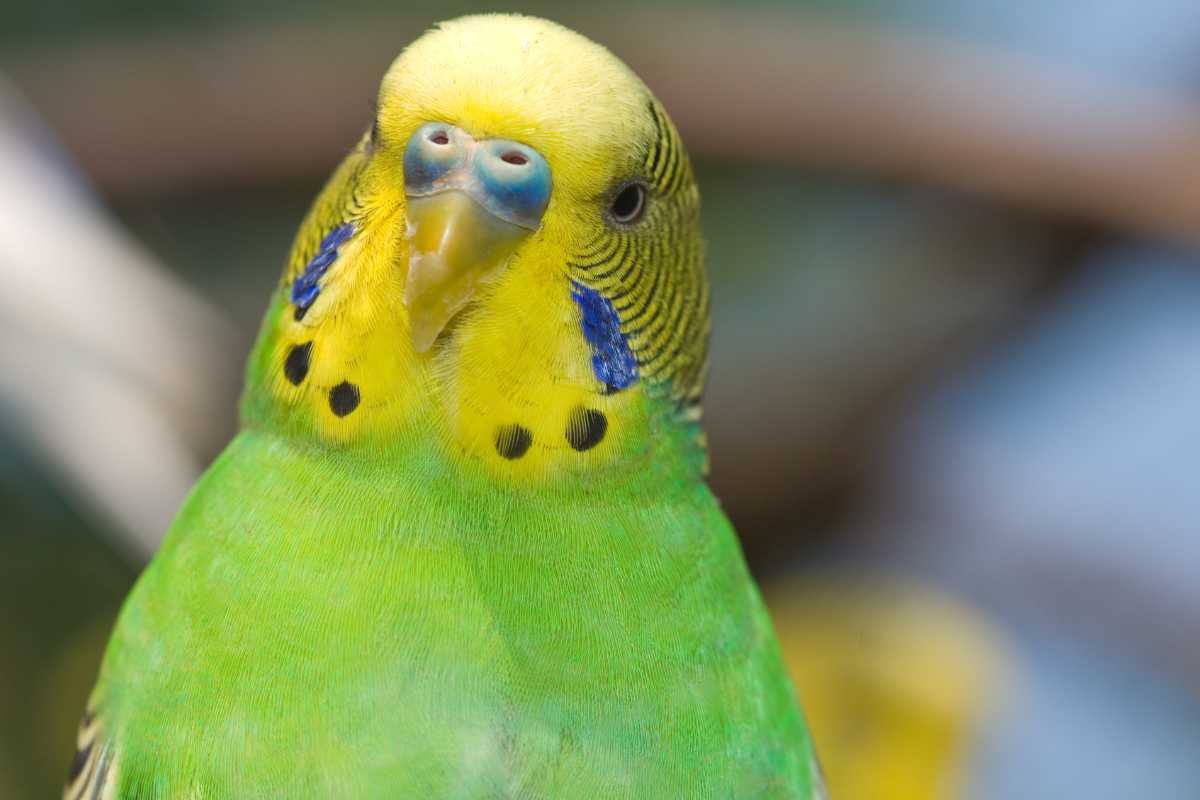
Positive reinforcement is an essential part of taming your bird. Birds respond well to rewards when they perform desired behaviors. The key is to make the training process fun and rewarding for your bird.
Use Clicker Training
Clicker training is a fantastic method for teaching your bird new behaviors. The idea is simple: you use a small device that makes a clicking sound, followed by a treat or praise. The bird learns to associate the sound of the click with something positive.
Start by clicking the device when your bird performs a desired action, such as stepping up onto your finger. Reward with a treat right after the click.
Over time, your bird will associate the click with positive reinforcement and will be more likely to repeat the behavior.
Consistency is Key
Consistency is critical in bird training. Practice daily, but keep training sessions short (5–10 minutes) to prevent your bird from becoming overwhelmed. Always reward good behavior with praise or treats to reinforce positive actions.
Step 5: Be Patient and Respectful

Patience is one of the most important qualities you can have when taming a bird. Remember that every bird is different.
Some may be naturally more trusting, while others may take longer to warm up to you. It's crucial to respect their pace and avoid rushing the process.
If your bird shows signs of stress, such as flapping their wings frantically, biting, or avoiding you, take a step back and give them time to calm down.
Birds are incredibly intuitive, and if they feel pressured, it can damage the trust you're trying to build.
Step 6: Maintain a Healthy Bond
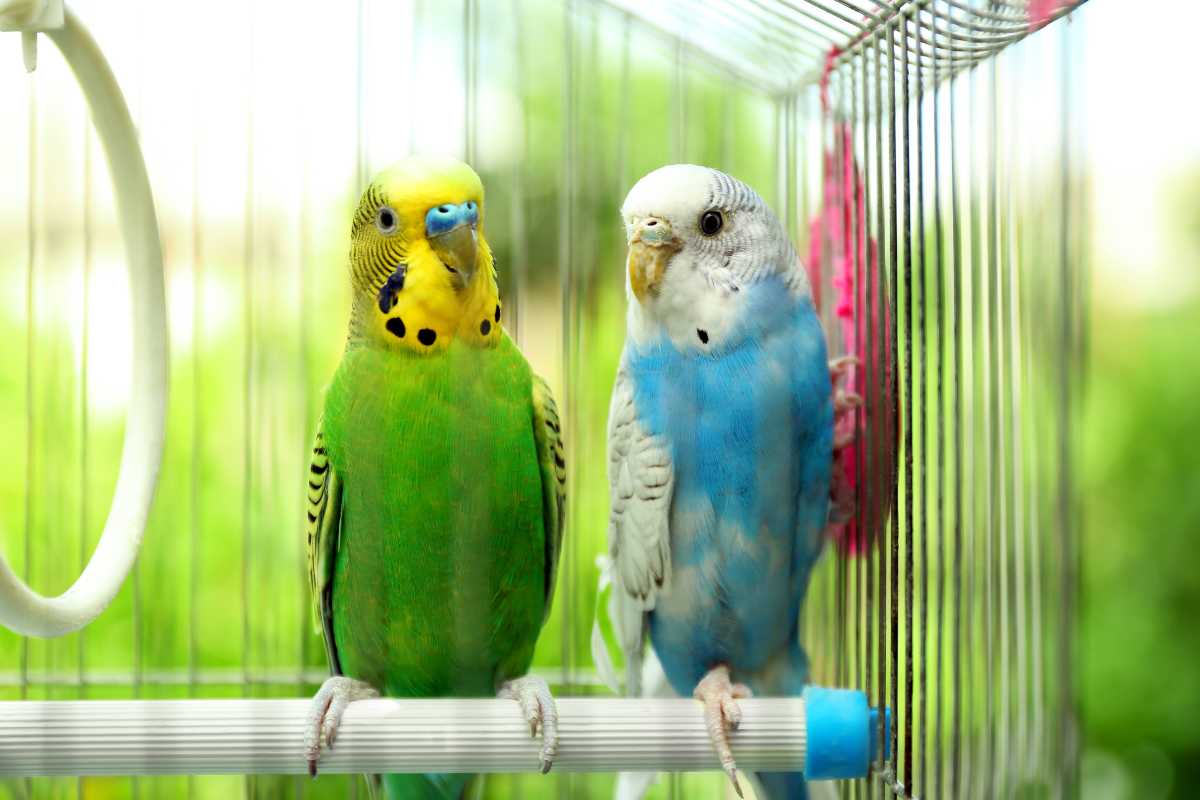
Once you've begun to tame your bird and build trust, it's important to maintain a strong bond. Keep interacting with your bird regularly to prevent them from becoming distant. Here are a few ways to strengthen your relationship:
Socialization: Continue to expose your bird to new experiences and environments. Take them to different areas of your home to explore, and occasionally introduce new toys to keep their environment stimulating.
Playtime: Birds love to play! Spend time each day engaging with your bird using safe, bird-friendly toys. This will not only keep your bird entertained but also reinforce your bond.
Affection: Many birds enjoy physical affection once they've become comfortable with you. Gently pet their head or neck, and watch for signs of enjoyment, like leaning into your touch.
Conclusion: Patience and Consistency Lead to a Strong Bond

Taming your bird quickly is possible, but it requires patience, consistency, and a deep understanding of your bird's individual needs and behaviors.
By providing a safe environment, building a routine, and using positive reinforcement, you'll create a trusting relationship with your bird that will last for years to come.
Remember, every bird is unique. Some may take a little longer to tame, while others will warm up to you quickly. The most important thing is to remain patient and allow your bird to set the pace.
The bond you share with your bird will be worth every moment of effort you put into taming them. With time, you'll have a happy, well-adjusted bird who enjoys spending time with you and your family.
Enjoy The Video About Birds

Source: Bird Nuggets
Did you find this post useful or inspiring? Save THIS PIN to your Pets Board on Pinterest!

You may also like