
How to Teach my Parrot Words


Teaching your parrot to speak is a rewarding experience that deepens the bond between you and your feathered friend.
While some parrots are naturally inclined to mimic sounds and words, others may require a bit more patience and consistent training.
In this article, we’ll cover essential tips, techniques, and common mistakes to avoid when teaching your parrot to speak.
Understanding Your Parrot’s Ability to Learn
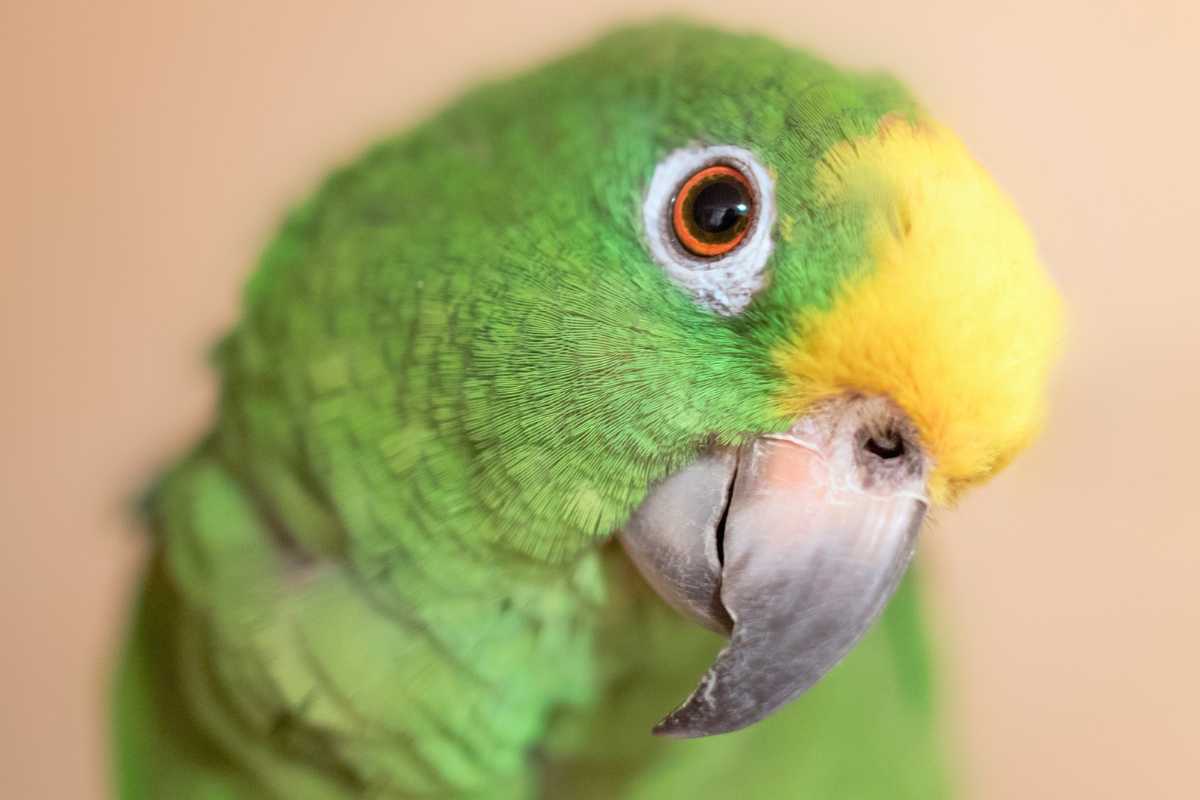
Before diving into the steps for teaching your parrot words, it’s important to understand your bird’s natural ability to learn. Parrots are intelligent, social creatures, and many species are known for their ability to mimic human speech.
However, not all parrots will learn at the same pace or to the same degree.
Why Some Parrots Are Better Talkers
Species like the African Grey Parrot, Amazon Parrot, and Indian Ringneck are known for their remarkable vocal abilities.
These birds not only mimic words but also use them in context. Other species, like cockatiels or budgies, may also learn to speak but often have a smaller vocabulary.
Recognizing Your Parrot's Learning Style
Just like humans, every parrot has a unique learning style. Some birds are quick learners, while others need more time.
Observing your parrot’s behavior and understanding its temperament can help you decide the best training method. For example, if your bird is more social and interactive, it may respond better to verbal repetition and rewards.
Key Techniques for Teaching Your Parrot Words
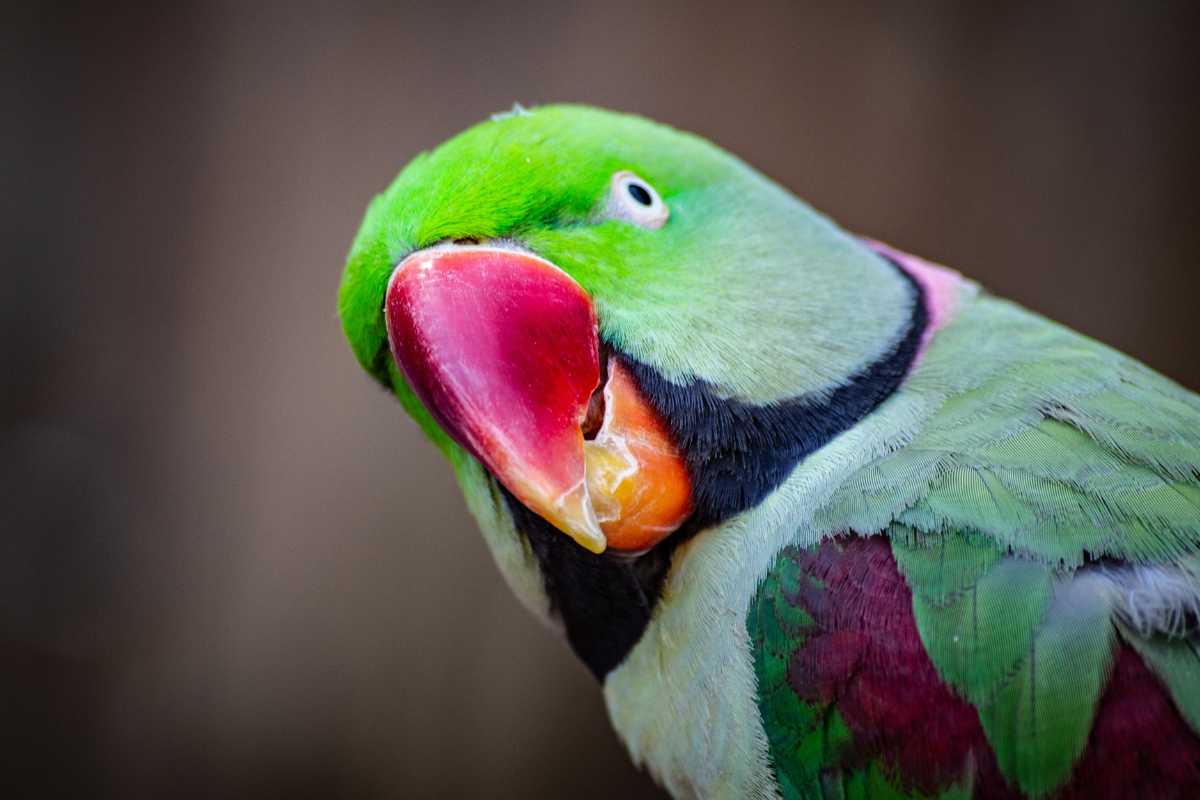
Training a parrot to speak requires patience, consistency, and the right techniques. Below are some proven methods that will help you teach your parrot to speak clearly and confidently.
1. Start with Simple Words
It’s essential to begin with simple, clear words that are easy for your parrot to mimic. Words like “hello,” “goodbye,” “food,” or the name of your parrot are perfect starting points.
Repeat these words frequently, especially during moments when they are most relevant. For example, say “hello” when entering the room or “food” right before mealtime.
2. Use Repetition to Reinforce Learning
Repetition is key when teaching a parrot to speak. Parrots, especially young ones, thrive on consistent exposure to words.
Repeating words and phrases several times a day will help your bird begin to associate those sounds with specific actions or objects.
Repetition Tip: Create a routine where you say the same words during predictable activities, like saying “step up” when inviting your parrot onto your finger. Over time, your bird will associate the sound with the action.
3. Use Positive Reinforcement
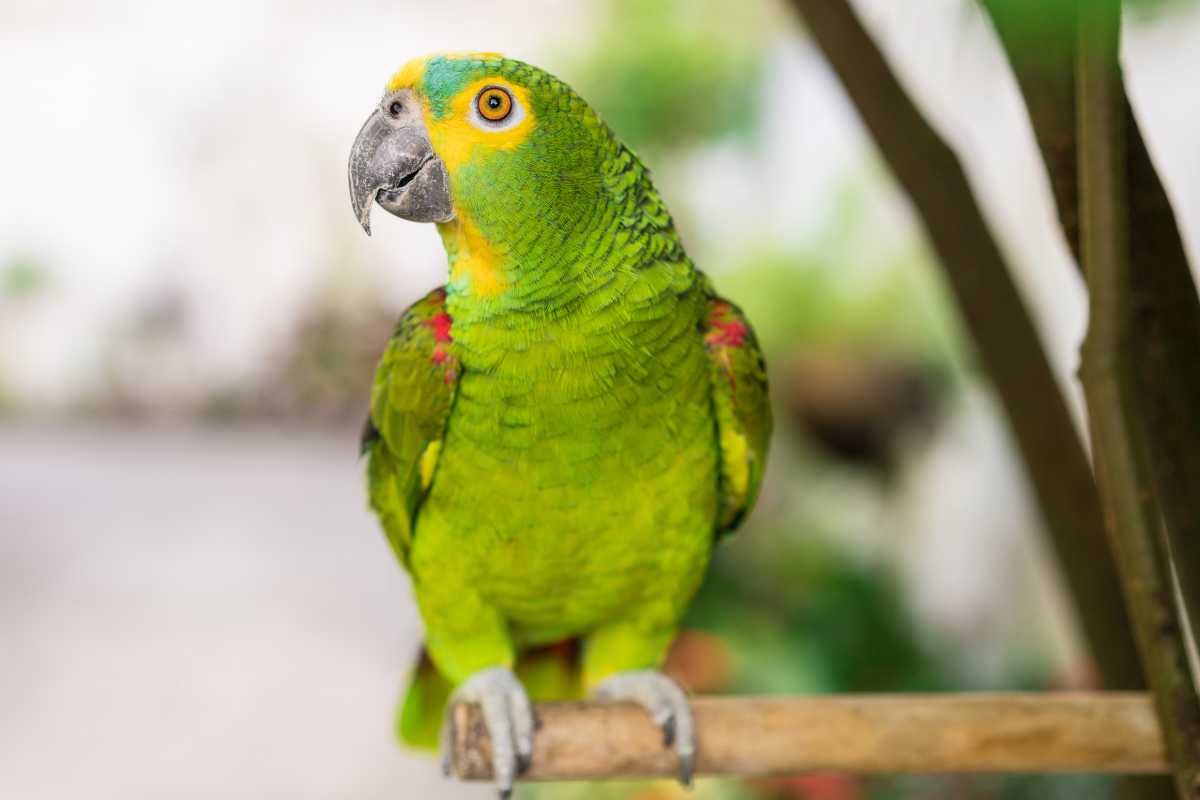
Rewarding your parrot for mimicking words helps strengthen the connection between the word and the action. When your bird repeats a word, give it a treat or affection.
Positive reinforcement encourages your bird to repeat the behavior in the future. Make sure the reward is given immediately after the word is spoken to help your bird connect the two.
4. Speak Slowly and Clearly
When speaking to your parrot, make sure to speak slowly and clearly. Use calm and distinct pronunciations. If you speak too quickly or unclearly, it may confuse your parrot, making it harder for them to mimic the sounds accurately.
5. Engage Your Parrot with Interactive Play
Parrots love to play, and using interactive playtime as part of training can be effective. For instance, you can incorporate words into their favorite games or routines.
Try saying a word or phrase right before or during their play sessions, so they begin to associate the activity with the word.
Overcoming Common Challenges in Parrot Training

Even with the best training techniques, you may face some challenges along the way. Here are some common issues that parrot owners encounter, along with solutions to overcome them.
Problem: Your Parrot Isn’t Speaking Yet
It’s essential to remain patient if your parrot isn’t picking up words immediately. Some birds take longer than others to start speaking.
If this happens, keep practicing consistently, and consider trying different words. Also, remember that some parrots prefer to listen more than talk.
Solution: Be consistent with your training sessions and try mixing up the words you use. Try shorter, easier words like “hello” or “bye,” or focus on words that are highly relevant to your bird's environment.
Problem: Your Parrot Repeats Words Incorrectly
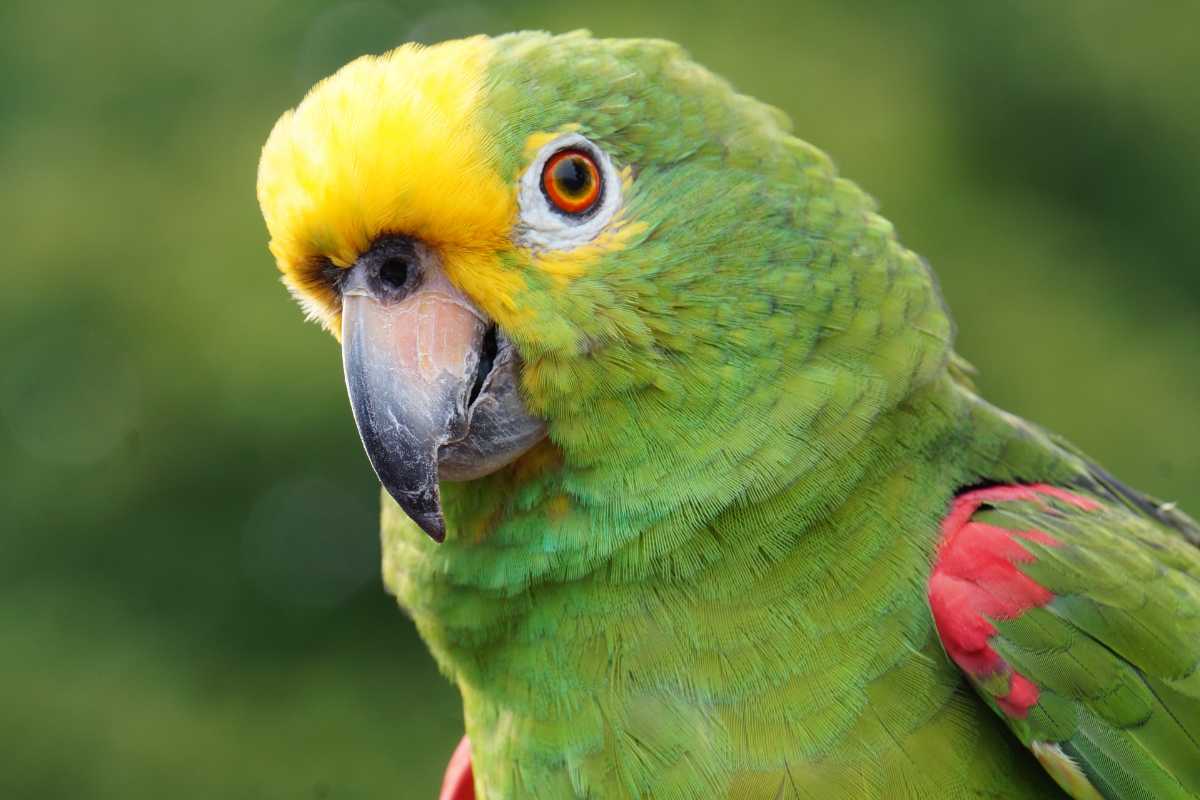
If your parrot is mispronouncing words or seems confused, don’t be discouraged. Like humans, birds make mistakes while learning. To help correct their mistakes:
Solution: Be patient and continue to model the correct pronunciation. You may also want to introduce new words slowly and practice them frequently. Avoid repeating the incorrect words yourself, as it may reinforce the mistake.
Problem: Your Parrot Only Mimics, Not Understands
While parrots are excellent mimics, they may not fully understand the context in which they use words. This is especially true for parrots that are still in the learning stages.
Solution: Try to contextualize the words you teach. For example, say “goodbye” when you are leaving the room, and use it repeatedly when you go out the door. Over time, your parrot will learn to associate that word with your departure.
Advanced Training Techniques for Experienced Parrot Owners
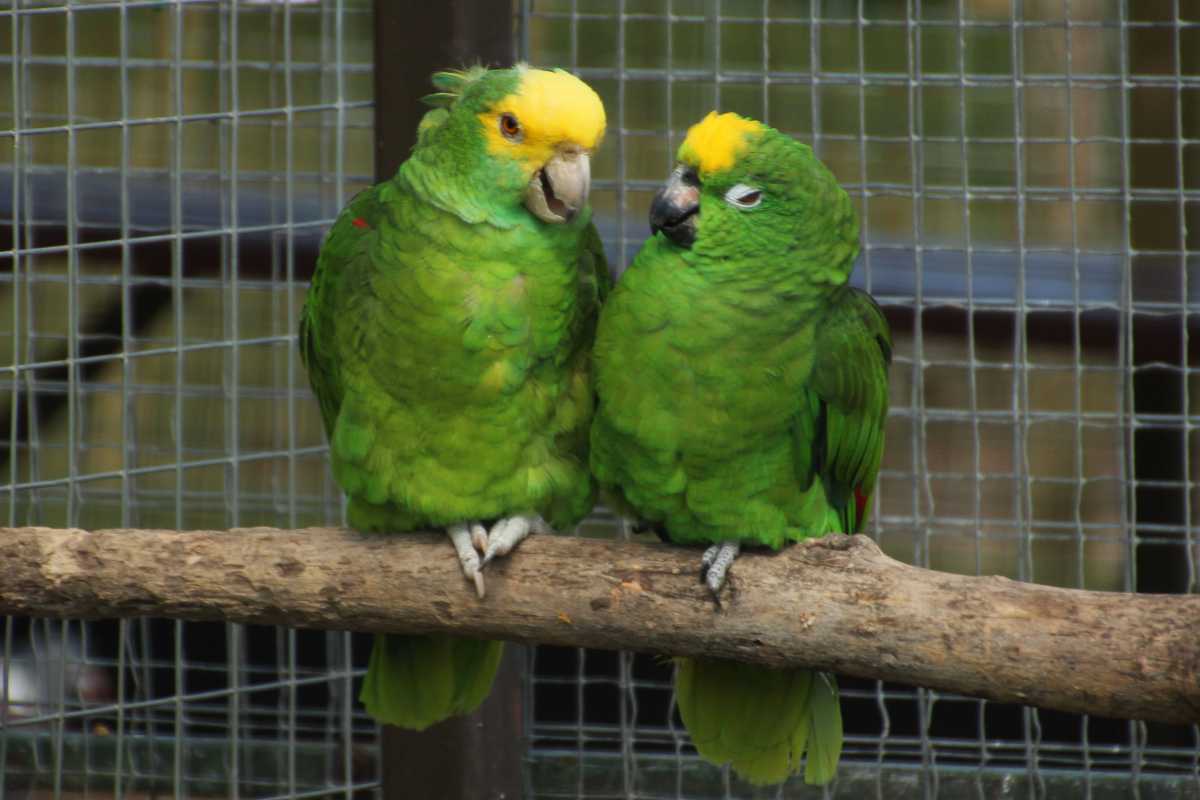
Once your parrot has learned a few basic words, you may want to take training to the next level by introducing more complex phrases or tricks. Below are some advanced techniques that experienced bird trainers use.
1. Teaching Your Parrot Sentences
Once your parrot has mastered individual words, you can start combining them into simple sentences like “hello there” or “come here.” Use clear pauses between words to help your parrot understand the sentence structure.
Tip: Use the same method of repetition and positive reinforcement for sentences. Speak slowly and break down the sentence into smaller, manageable parts.
2. Playing Word Association Games
Word association games can help your parrot understand more complex ideas. You can train your bird to identify objects by name, such as teaching it to say “ball” when it sees its toy.
This helps bridge the gap between word repetition and understanding.
Example: Place the ball in front of your bird and repeatedly say “ball” while the bird interacts with the toy. Eventually, your bird will associate the word with the object and may begin to say it.
How to Encourage Your Parrot to Talk More
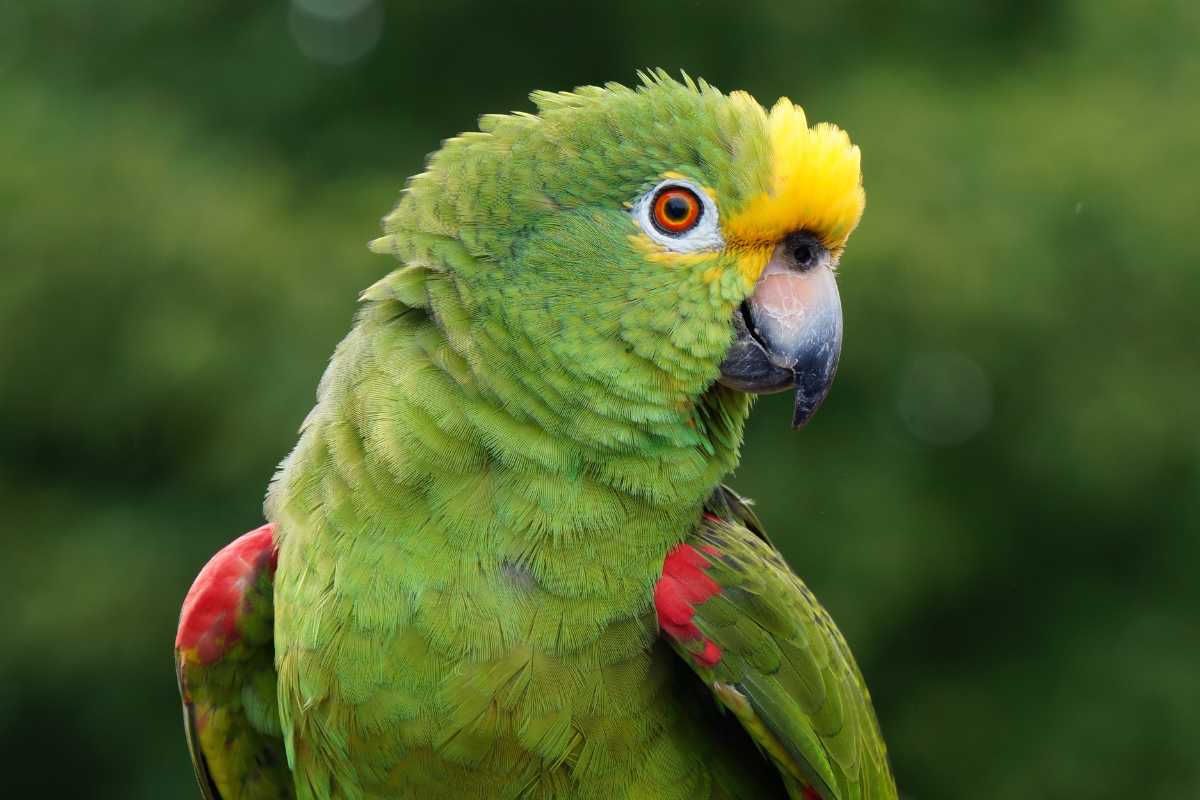
As your parrot becomes more comfortable with speaking, you may want to encourage them to talk more frequently.
1. Regular Interaction and Socialization
Parrots are highly social creatures and will speak more when they feel engaged and included in the family dynamic. Spend time talking to your bird regularly, and make sure they feel like an active part of the household.
2. Play with Other Talking Birds
If you have multiple parrots, encouraging them to interact can also be helpful. Birds often learn from each other, so playing recordings of other parrots speaking or letting them interact with a talking bird can stimulate their own vocal abilities.
Conclusion: Enjoy the Journey of Teaching Your Parrot
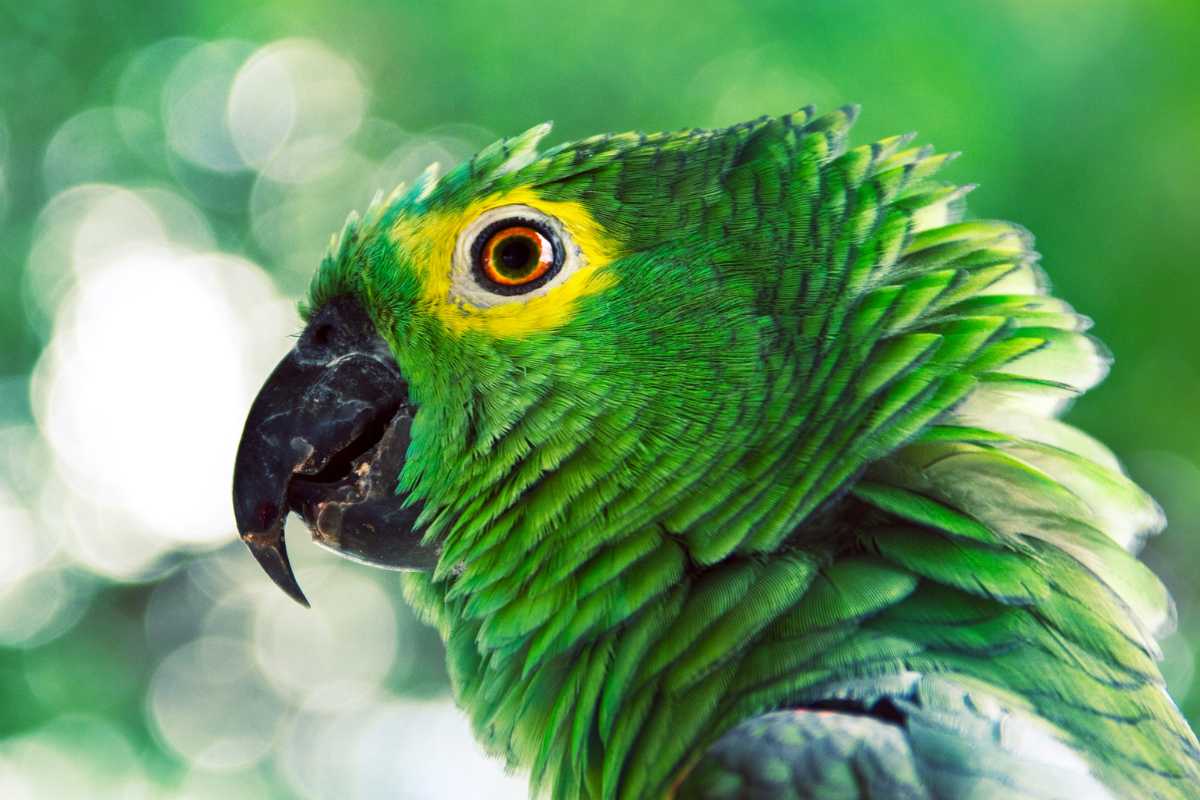
Teaching your parrot to speak is an exciting and rewarding journey that requires patience, repetition, and positive reinforcement. With consistent training, you’ll see your feathered friend begin to mimic words and even form sentences.
Remember, each parrot learns at their own pace, and the key is to stay patient and keep reinforcing the words in a fun and engaging way.
The bond you’ll form with your bird during this process is truly special, and the joy of hearing your parrot speak will make it all worth the effort.
Enjoy The Video About Birds

Source: Bird School
Did you find this post useful or inspiring? Save THIS PIN to your Pets Board on Pinterest!

You may also like