
How to Teach The First 7 Things To Your Dog

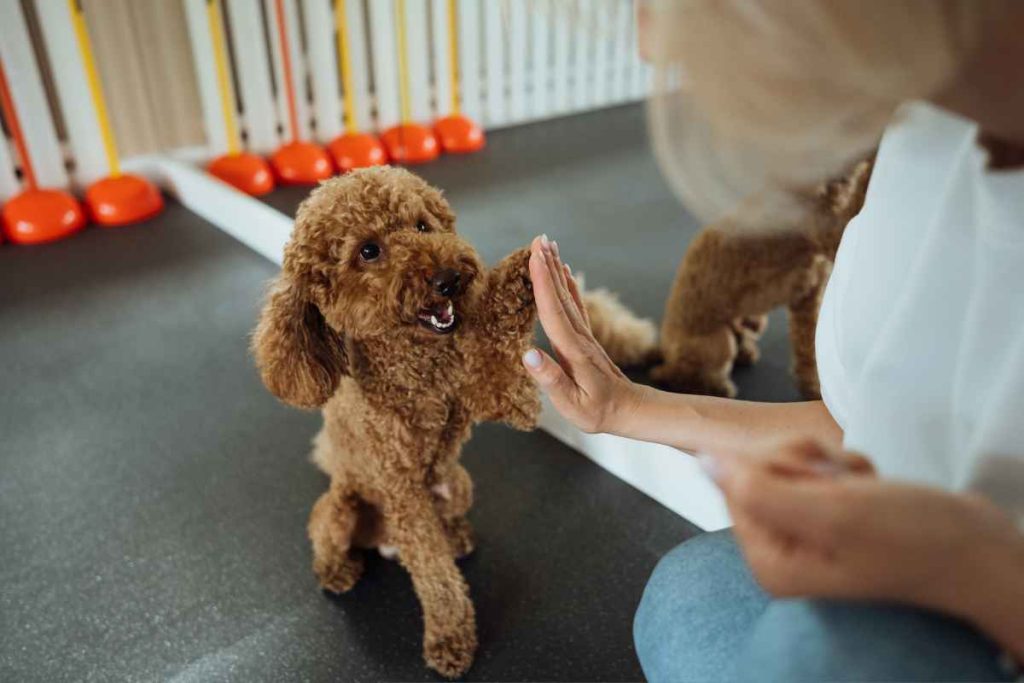
Training your dog is one of the most important things you can do to ensure a happy and well-behaved companion. Early dog training sets the foundation for a lifetime of good behavior.
In this guide, we’ll walk you through the first 7 commands every dog should learn, which are essential for creating a strong bond with your dog and ensuring they follow directions reliably.
Whether you're a new dog owner or looking to brush up on training techniques, this article will help you get started.
Why Early Dog Training Matters
Training your dog early is crucial for their socialization, mental stimulation, and overall well-being. The first few months are the most impressionable time in a dog’s life, making it the perfect time to teach them the basics.
Training fosters a positive relationship between you and your dog while preventing unwanted behaviors that may arise later.
1. Sit: The Foundation of Good Behavior
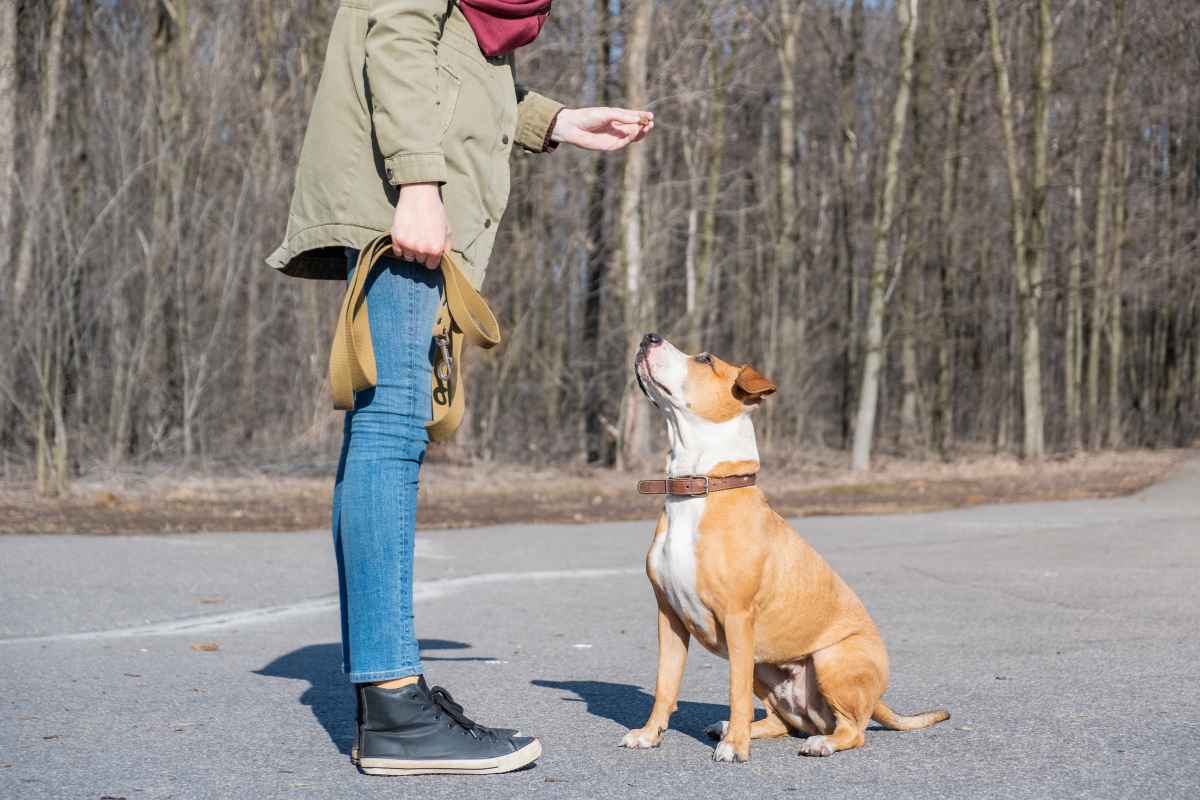
The sit command is one of the first and easiest commands to teach your dog. It provides a solid foundation for many other commands and helps your dog remain calm and composed.
How to Teach "Sit"
- Start with your dog in a quiet space and have some treats ready.
- Hold the treat above their nose and slowly move it back over their head. This motion will naturally cause your dog to sit down.
- As soon as they sit, say “Sit” and reward them with the treat.
- Repeat this process, gradually increasing the duration before giving the treat.
Tips for Success
- Keep training sessions short (5-10 minutes) to keep your dog engaged.
- Use positive reinforcement—always reward your dog when they perform the desired behavior.
2. Stay: Teaching Patience and Control
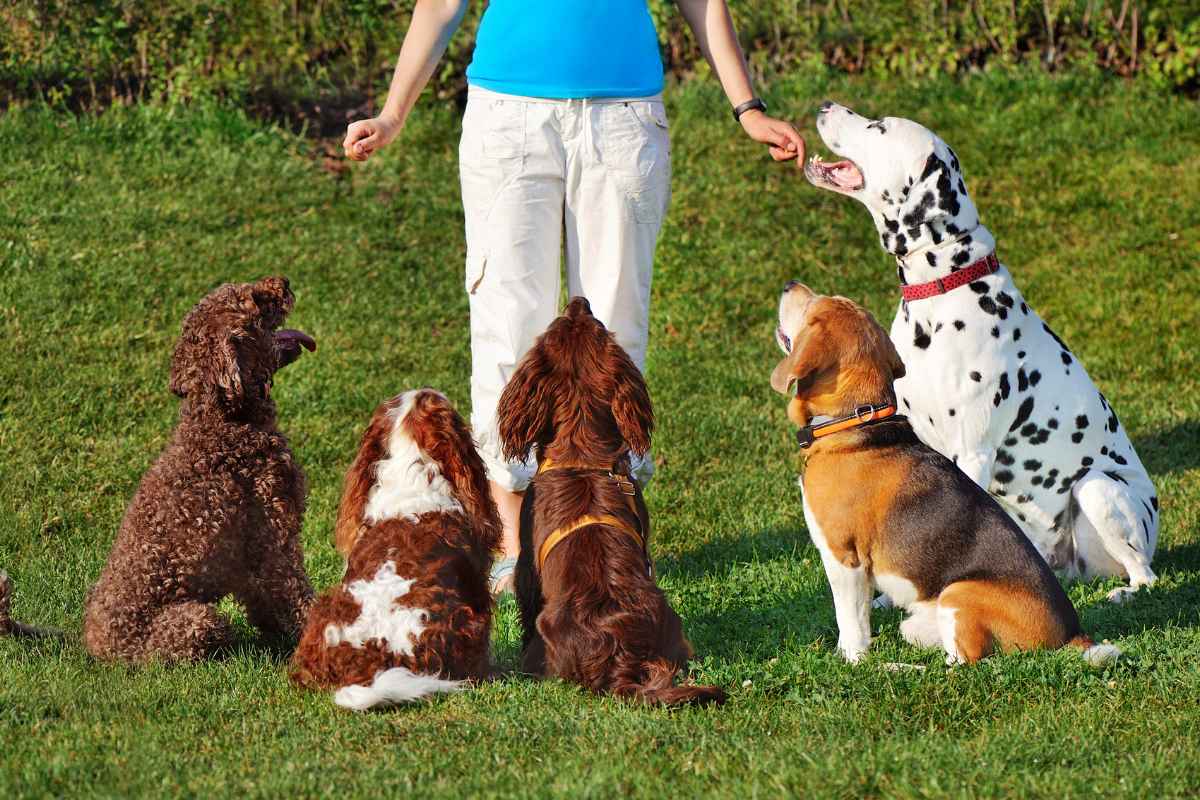
The stay command helps your dog remain in place, providing control in various situations, such as when you need them to stay while you answer the door or stop them from running into traffic.
How to Teach "Stay"
- Begin with your dog in the "sit" position.
- Hold your hand out in front of them and say “Stay.”
- Gradually increase the distance between you and your dog, rewarding them when they remain in place.
- Slowly extend the duration of the stay, starting with a few seconds and increasing over time.
Tips for Success
- Start with very short distances and durations, increasing only when your dog succeeds.
- Consistency is key—always use the same verbal cue and hand signal.
3. Come: Ensuring Your Dog Returns Safely
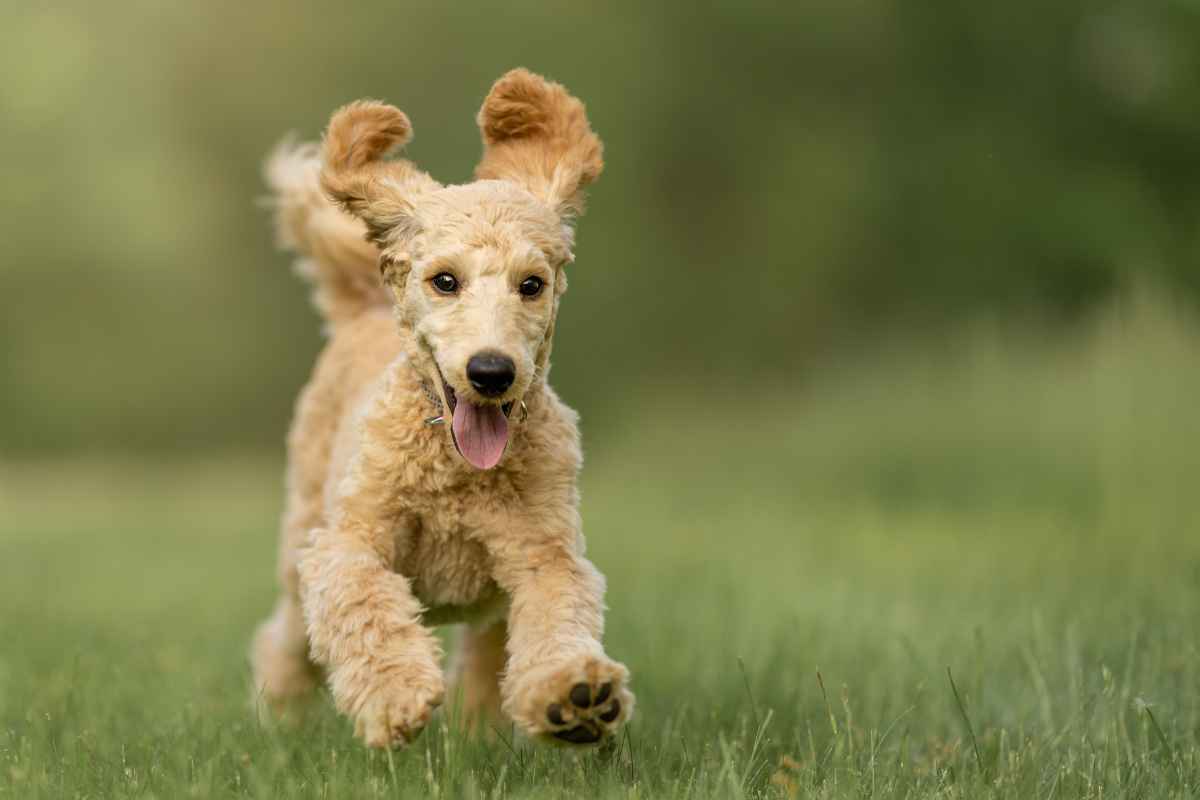
The come command is essential for your dog’s safety. It ensures that your dog will return to you when called, even in potentially dangerous situations.
How to Teach "Come"
- Begin by kneeling down and calling your dog’s name, followed by the command “Come.”
- Use an excited tone to encourage your dog to come to you.
- Reward your dog with praise and treats when they reach you.
Tips for Success
- Practice in a secure area to prevent distractions.
- Keep training sessions positive and upbeat to make the experience enjoyable for your dog.
4. Down: Encouraging Calm Behavior
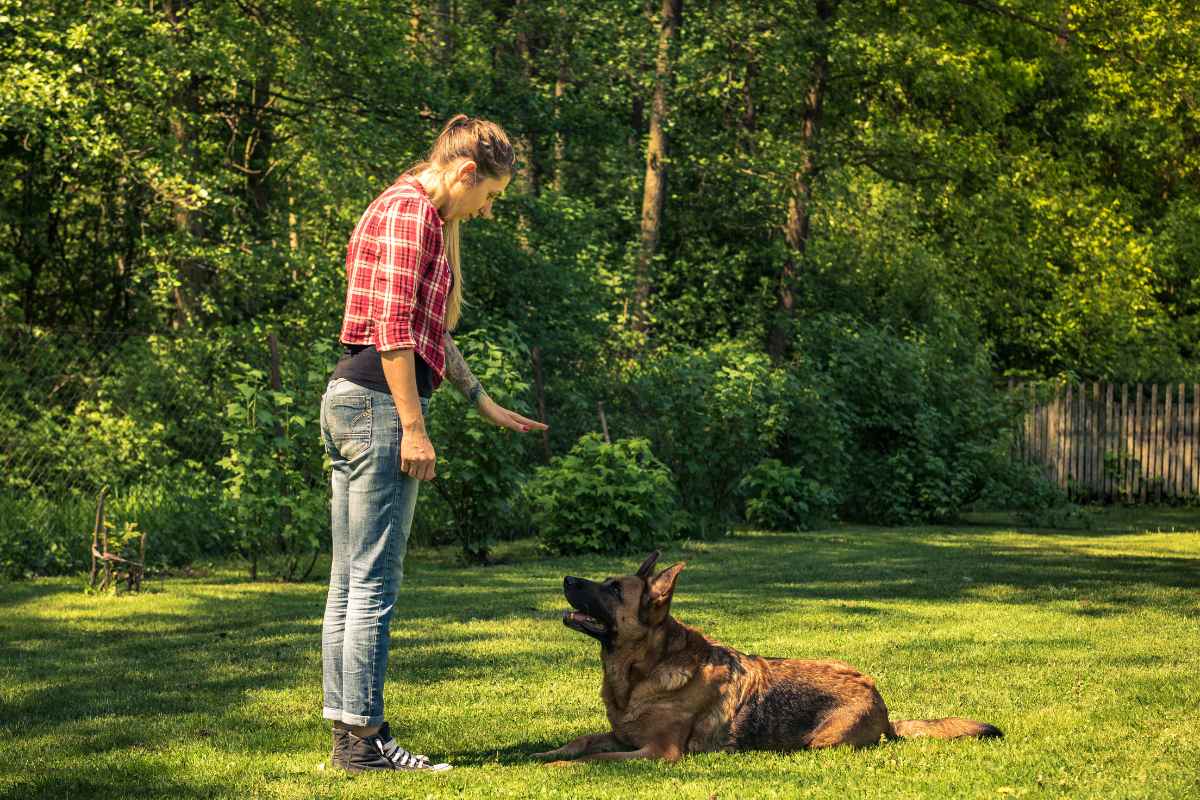
Teaching your dog to lie down on command helps promote calmness and is a useful behavior for controlling excitement.
How to Teach "Down"
- Start with your dog in the “sit” position.
- Hold a treat in your hand and slowly lower it to the floor, encouraging your dog to follow it and lie down.
- As soon as your dog is lying down, say “Down” and reward them.
Tips for Success
- Be patient—some dogs may take longer to get the hang of this command.
- Use a calm, gentle voice to help your dog relax and focus.
5. Leave It: Preventing Unwanted Behavior
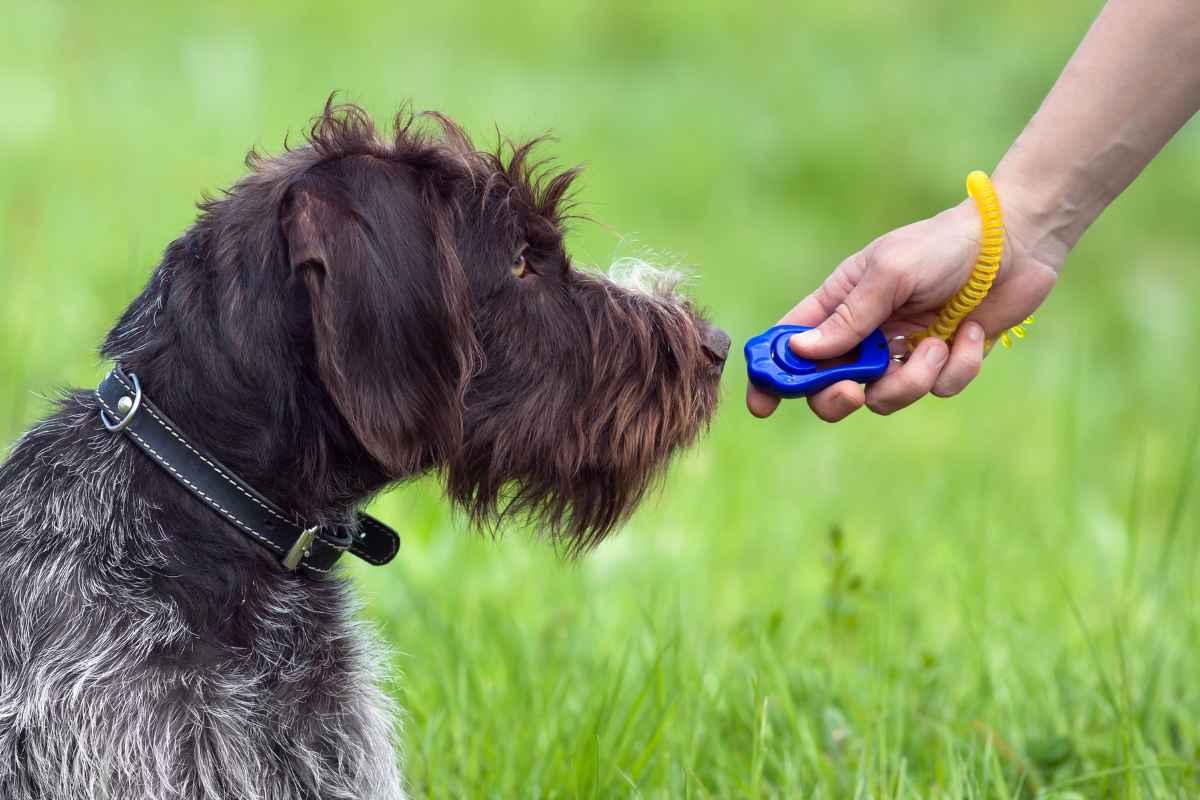
The leave it command is a valuable tool for preventing your dog from picking up harmful items or getting into things they shouldn’t.
How to Teach "Leave It"
- Place a treat in your hand and show it to your dog.
- Close your hand around the treat and say “Leave it” when they try to take it.
- Wait for your dog to stop trying to get the treat, then reward them with a different treat.
- Repeat, gradually introducing the command with different objects.
Tips for Success
- Practice with various objects your dog might encounter in daily life.
- Always reward your dog for good behavior, even if it takes some time.
6. Heel: Walking Politely on a Leash
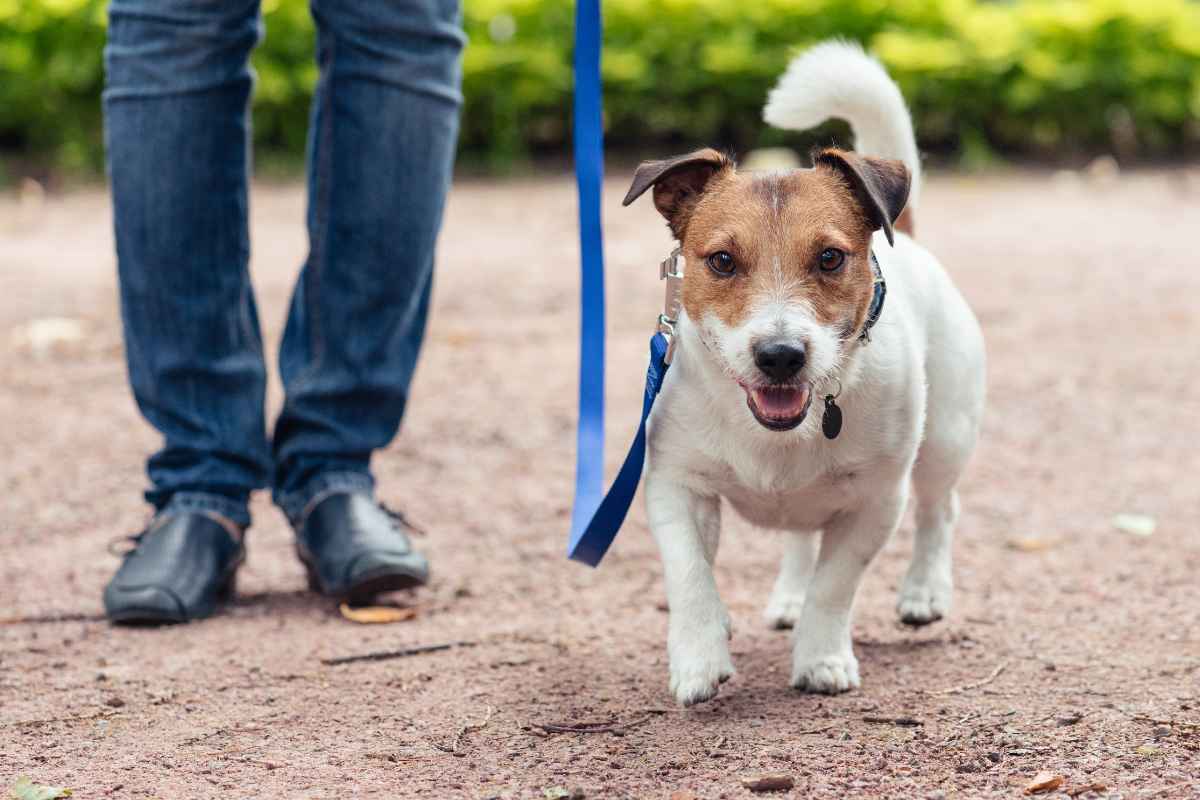
Teaching your dog to walk beside you without pulling is essential for enjoyable walks.
How to Teach "Heel"
- Start walking with your dog on a leash, holding treats in your hand.
- When your dog pulls ahead, gently correct them by guiding them back to your side.
- Reward them when they walk beside you calmly.
Tips for Success
- Keep the leash loose and avoid yanking.
- Gradually increase the duration of your walks once your dog learns to walk politely.
7. Wait: Teaching Self-Control
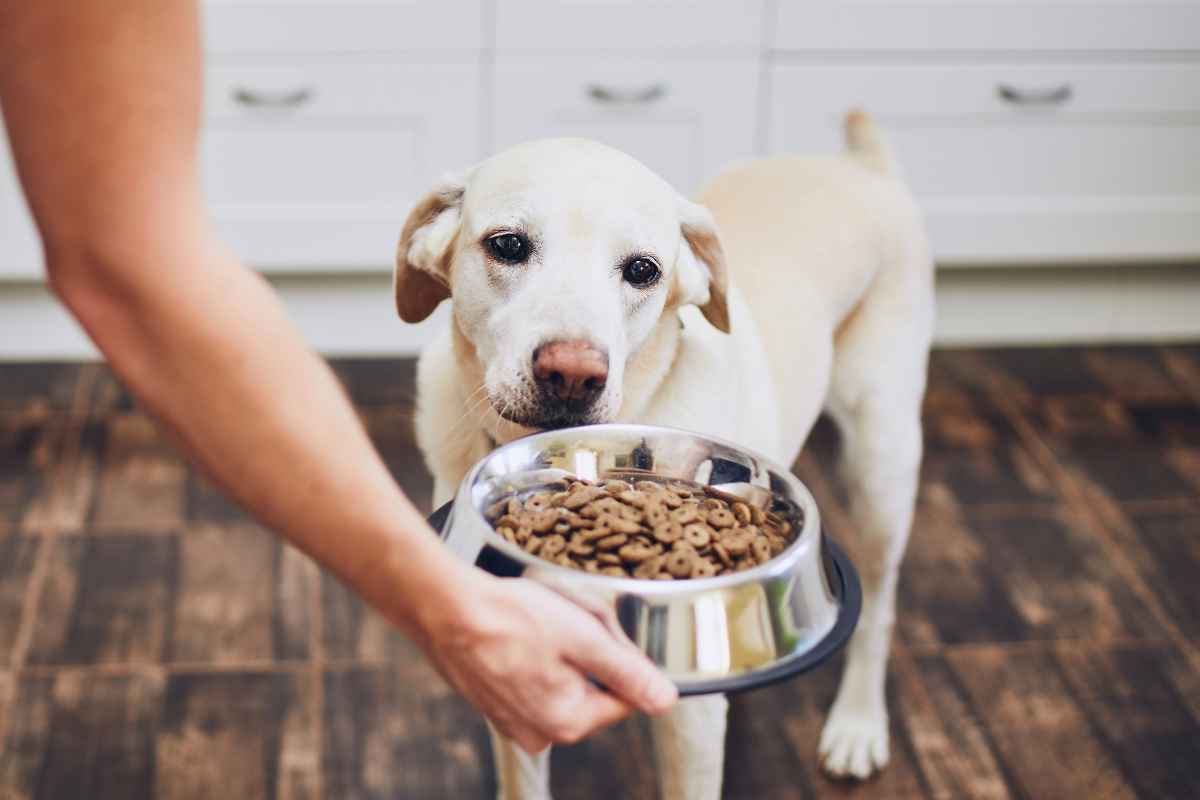
The wait command helps teach your dog patience and self-control, especially when food is involved or when you're getting ready to leave the house.
How to Teach "Wait"
- Ask your dog to sit or lie down.
- Open the door slightly or move the treat towards them, saying “Wait.”
- Reward your dog only when they remain calm and wait for your cue.
Tips for Success
- Practice in different scenarios to build your dog’s understanding of the command.
- Be consistent in your expectations and rewards.
A Strong Foundation for Your Dog’s Future
Training your dog the first 7 commands sets the stage for a happy and well-behaved companion. With consistent, positive training, your dog will learn not only these essential commands but also develop a stronger bond with you.
Remember, patience and consistency are key to success. By using positive reinforcement and keeping training sessions short, your dog will quickly learn to follow directions and behave appropriately.
Enjoy this Video About Dogs Training
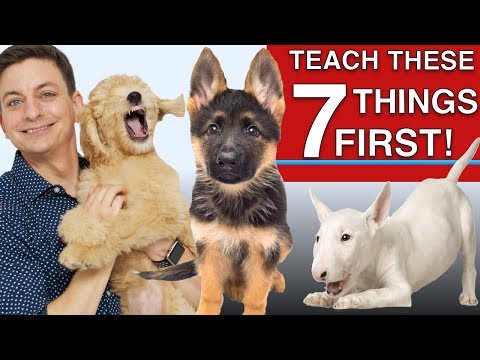
Source: Zak George’s Dog Training Revolution
Did you find this post useful or inspiring? Save THIS PIN to your Pets Board on Pinterest! 😊

You may also like