
How To Teach Your Horse To Bow (3 Different Methods)


Teaching your horse to bow is not just an impressive trick; it’s an excellent way to strengthen the bond between you and your horse. This skill is not only fun but also beneficial for improving communication.
In this article, we will explore three effective methods for teaching your horse how to bow.
1. Pressure and Release Method
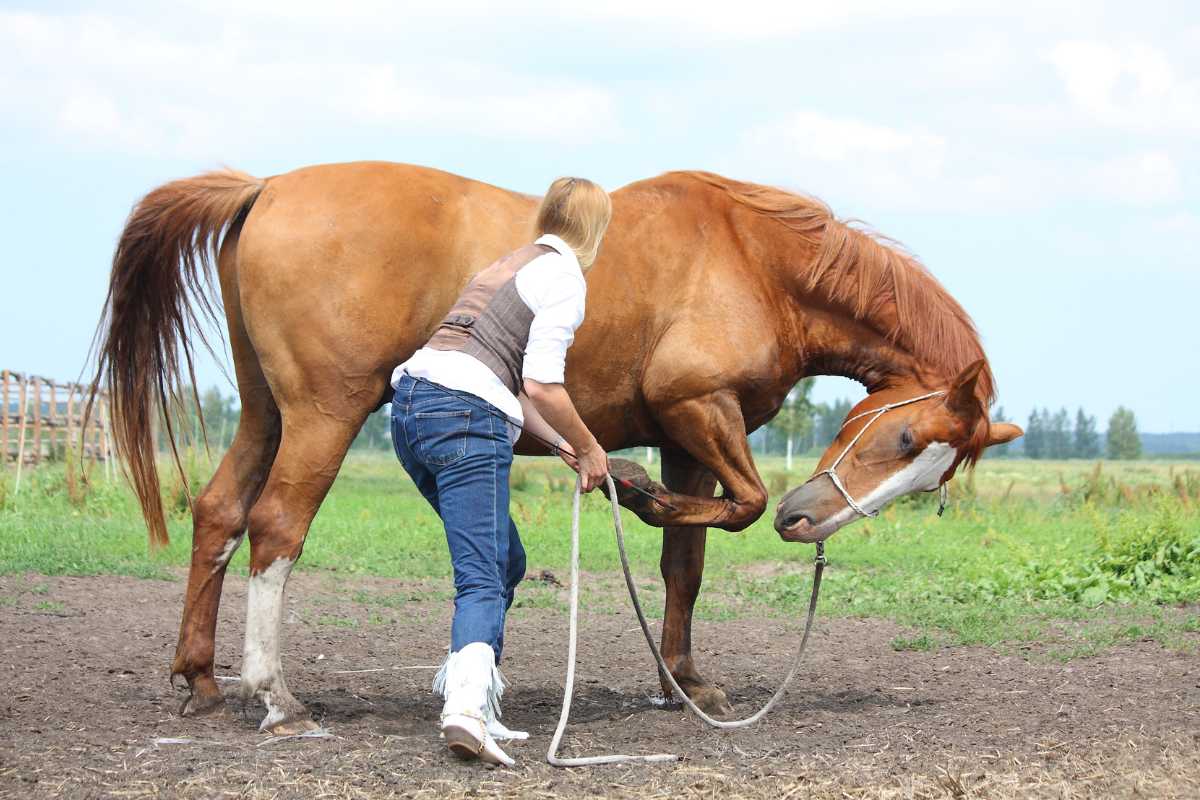
The pressure and release method is one of the most common and effective ways to teach your horse to bow.
It involves applying gentle pressure to a specific part of the horse's body, such as the neck or chest, and releasing that pressure as soon as the horse starts moving into the desired position.
Why Does It Work?
Horses are sensitive to pressure, and they naturally respond by relieving the pressure in the most appropriate way.
The moment they do this, you release the pressure, which helps them understand that they’ve performed the correct behavior.
By consistently applying this method, your horse learns to associate the act of bowing with the release of pressure and a reward. This process helps the horse to recognize that the desired behavior is worth repeating.
Tips for Success
Start Slowly: Be patient and allow the horse to get used to the pressure. This method works best when the horse doesn’t feel rushed.
Consistency: Repetition is key. Repeated sessions will help reinforce the behavior.
Patience: Remember, learning takes time. Be patient with your horse and allow it to progress at its own pace.
2. Targeting Method
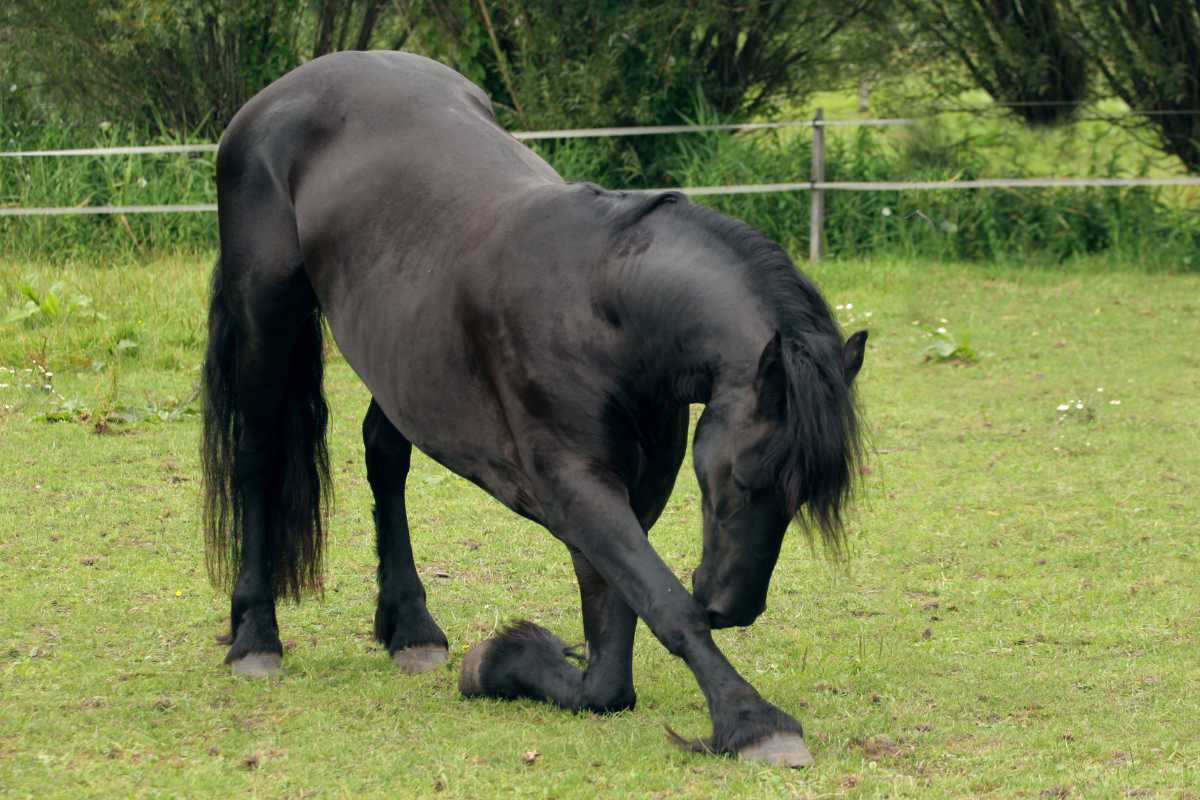
Targeting is another effective method for teaching a horse to bow. This technique involves using a physical object, such as a stick or your hand, to guide the horse into performing the bow.
How Targeting Works
The targeting method is based on the horse’s natural instinct to follow objects.
By guiding the horse’s head with a target, you can encourage the horse to move into the correct position. As the horse follows the target, you can gradually guide it into the bowing position.
Why It’s Effective
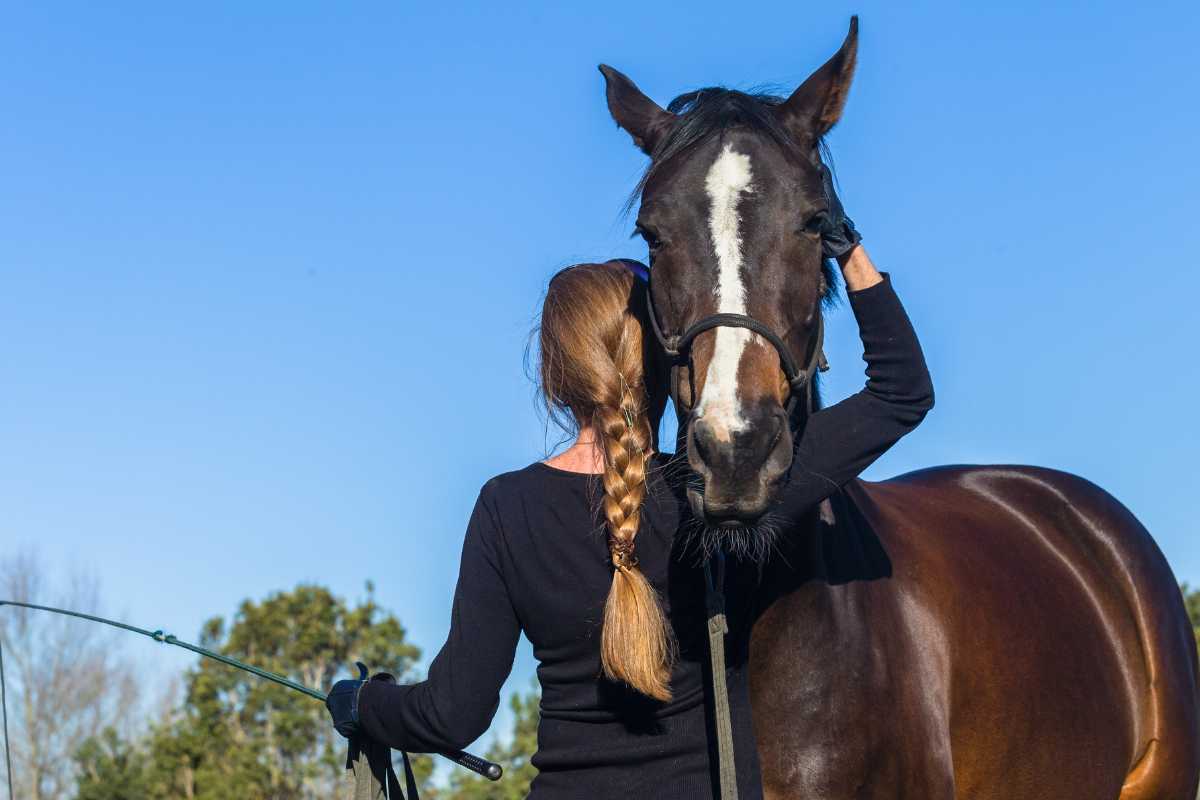
Horses are naturally drawn to follow targets. This method makes it easier for them to understand what is expected. The key is to maintain visual cues that the horse can easily follow.
Targeting also gives you the ability to guide the horse more precisely, making it easier to shape the bowing behavior step-by-step.
Tips for Success
Use Clear Targets: Start with an object the horse can easily see and follow.
Positive Reinforcement: Always reward the horse when it makes progress, even if it’s a small step toward the full bow.
Increase Complexity Gradually: Once the horse is familiar with following the target, you can begin adjusting the angle or distance.
3. Clicker Training (Positive Reinforcement)
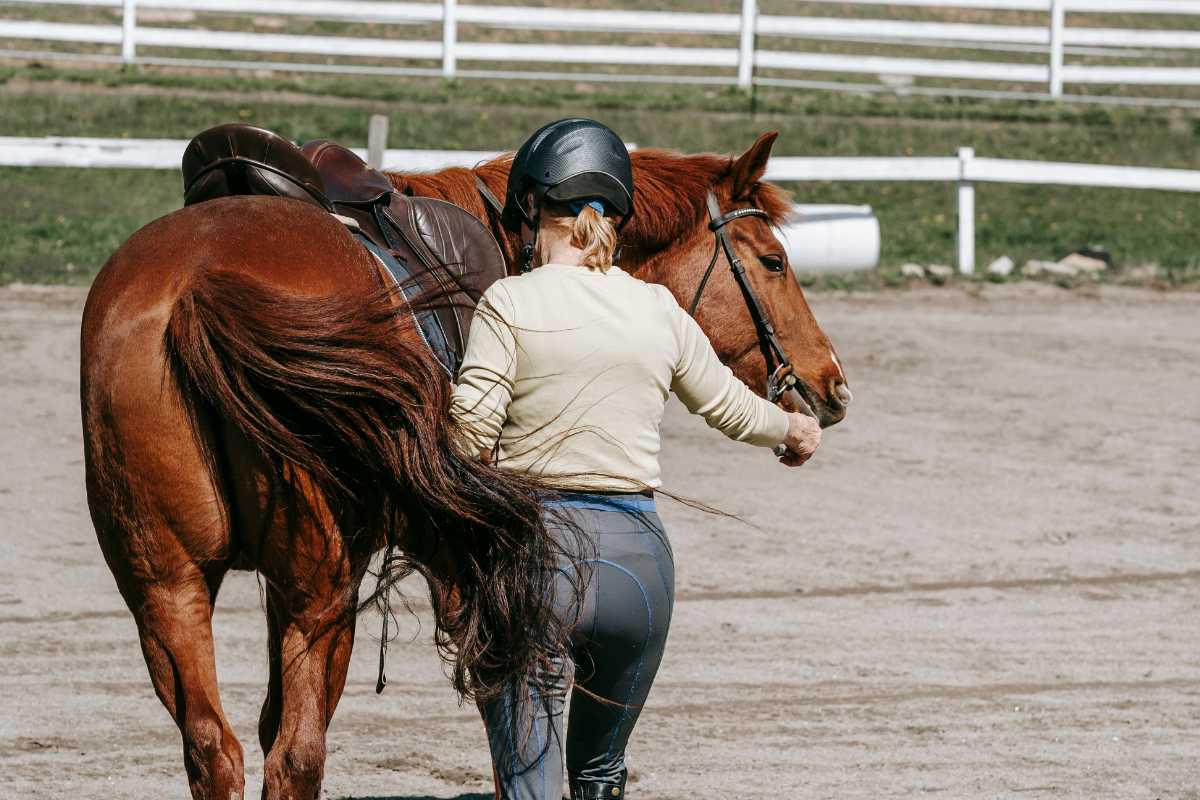
Clicker training is another highly effective method of teaching a horse to bow. This method uses a distinct sound, such as a clicker, to mark the exact moment when the horse performs the correct action.
How Clicker Training Works
Clicker training is based on the principle of positive reinforcement.
When the horse performs the desired behavior, you immediately click and follow it with a reward (e.g., treats, praise, or petting). This reinforces the behavior by making it clear to the horse that it has done something right.
The sound of the clicker becomes a signal that the behavior was correct, and the horse learns to anticipate the reward each time it hears the sound. Over time, the horse associates the click with the bowing action.
Why It’s Effective
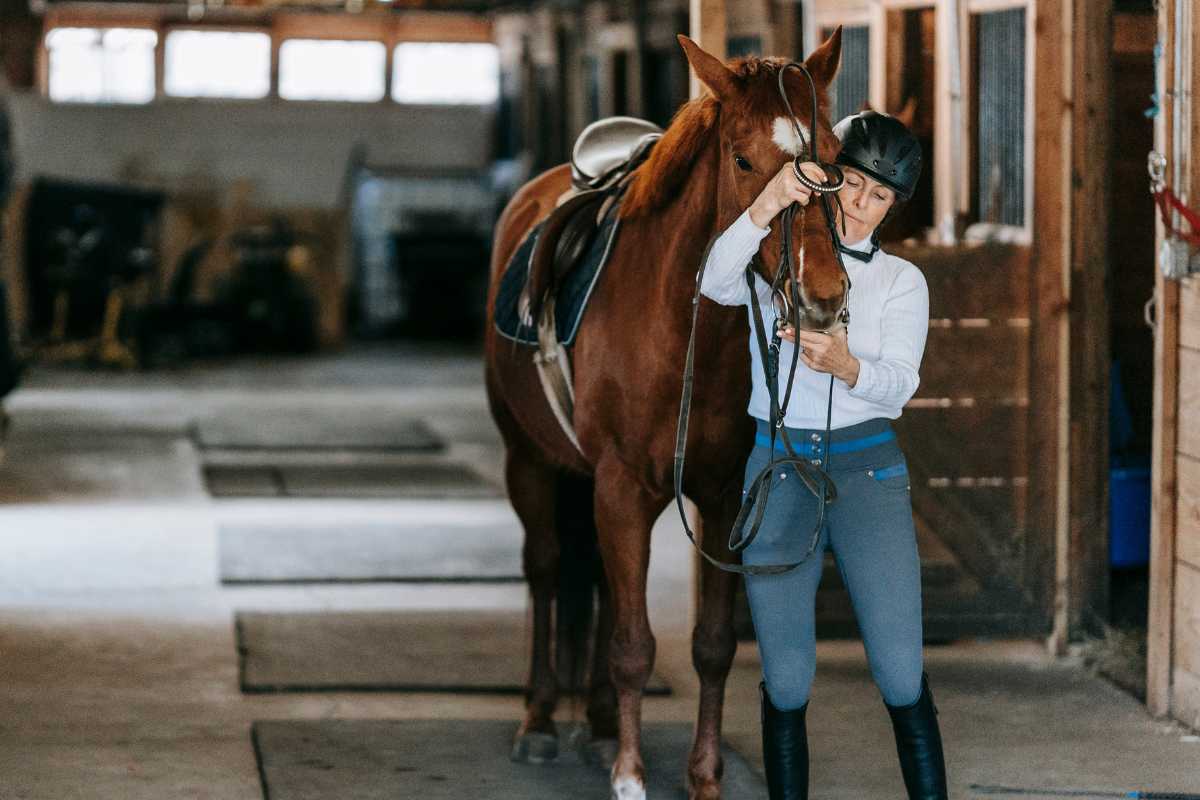
Clicker training is a precise method of marking behaviors, ensuring that the horse understands exactly what it’s being rewarded for. It also provides immediate feedback, making learning faster and more efficient.
Tips for Success
Be Consistent: Always use the same click sound and reward each time.
Immediate Feedback: The click should come immediately after the horse performs the behavior, ensuring the connection between the action and the reward.
Keep Sessions Short: Training sessions should be short and enjoyable to maintain the horse's focus and avoid fatigue.
General Tips for Success
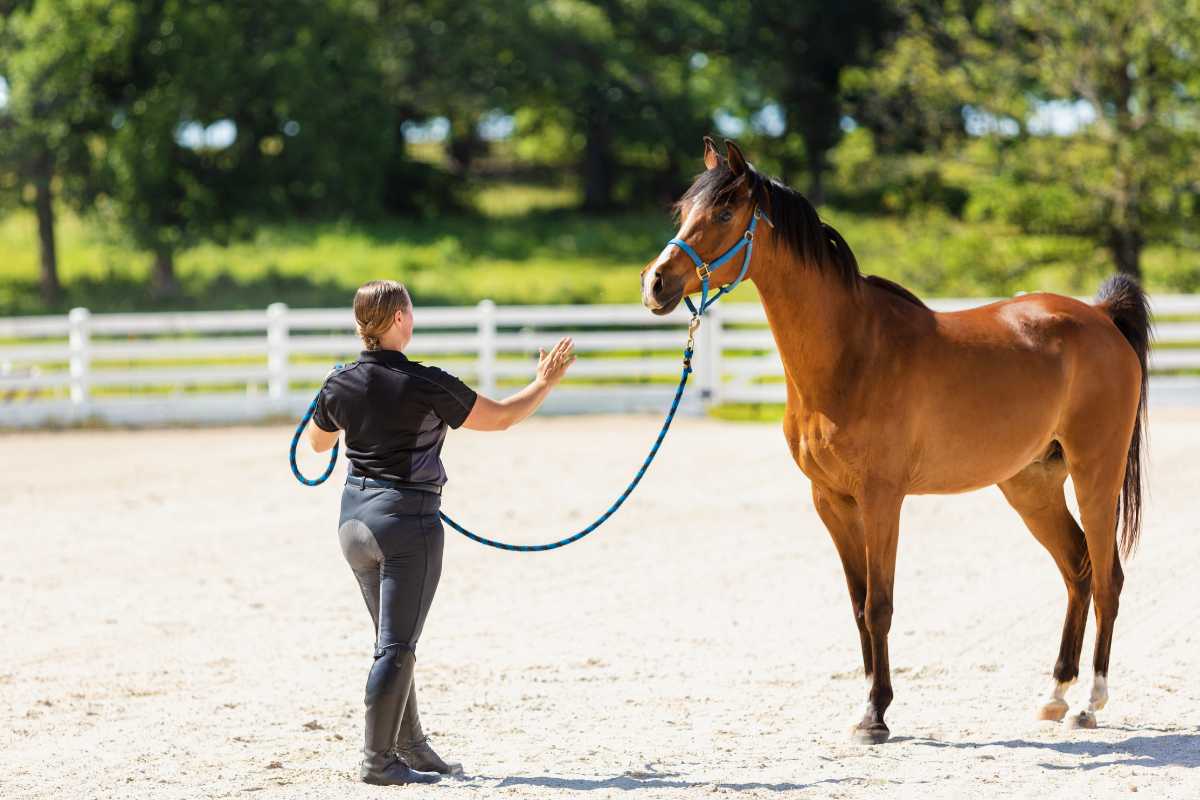
To achieve the best results with any of these methods, keep these general tips in mind:
Patience: Horses learn at their own pace, so avoid rushing the process. Patience is essential for success.
Use Positive Reinforcement: Whether you use treats, praise, or petting, always reward the horse for good behavior.
Keep Training Sessions Short: Horses have limited attention spans, so make your training sessions short but effective.
Avoid Frustration: If the horse doesn’t respond immediately, don’t push it. Go back to a simpler exercise and build up from there.
Why Teach Your Horse to Bow?
In addition to being an impressive trick, teaching your horse to bow has numerous benefits.
It helps improve communication between you and your horse, and it provides a mental exercise for the horse that encourages flexibility and responsiveness.
Bowing also strengthens the bond between you and your horse, as it involves clear communication and trust.
Whether you plan to use this trick in shows or simply enjoy training with your horse, the process can be a fun and rewarding experience for both of you.
Conclusion

Teaching your horse to bow is an exciting and fulfilling experience. With methods like pressure and release, targeting, or clicker training, you can help your horse learn this elegant skill in a way that is both effective and fun.
Remember to be patient, consistent, and always positive in your approach. With time and dedication, your horse will be bowing with grace and elegance, showcasing both its skills and your strong connection.
Enjoy The Video About Horses
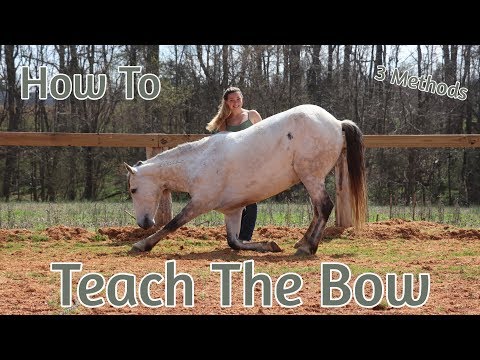
Source: Sam VanFleet
Did you find this post useful or inspiring? Save THIS PIN to your Pets Board on Pinterest! 😊

You may also like