
How to Tell if Your Rabbit is Pregnant


Pregnancy in rabbits can sometimes be a mystery for pet owners, especially for first-timers. If you suspect that your rabbit is expecting, it's essential to know the signs and understand how to care for her during this special time.
In this guide, we will explore the common signs of pregnancy in rabbits, how to manage her health, and what to expect throughout the pregnancy, birth, and postpartum period.
Signs of Pregnancy in Rabbits
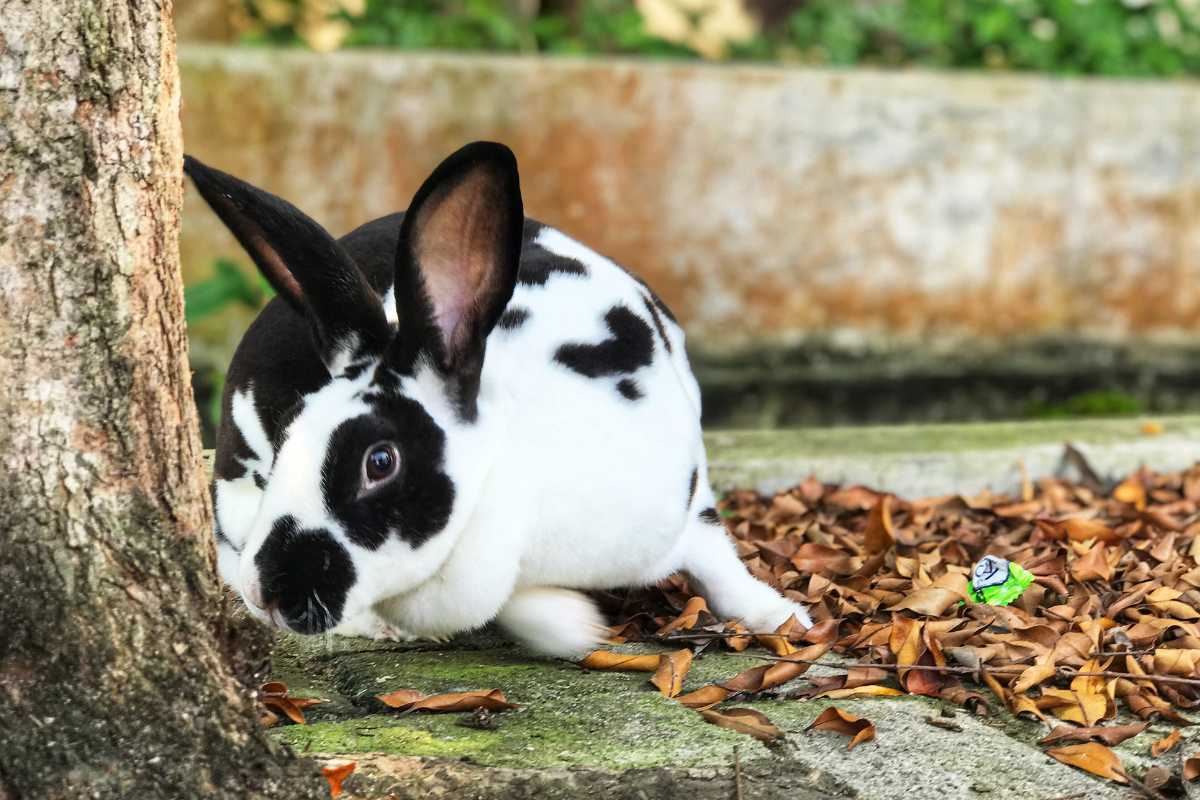
If you're wondering whether your rabbit is pregnant, the first step is to look for the common signs of pregnancy.
Unlike some animals, a rabbit's pregnancy can be difficult to detect early on, as their bodies do not always show obvious changes.
However, there are several physical and behavioral indicators that can suggest your rabbit is expecting.
Behavioral Changes
Increased Nesting Behavior: One of the most obvious signs that a rabbit is pregnant is a sudden increase in nesting behavior.
A pregnant rabbit will begin to gather bedding, hay, or even her fur to create a comfortable nest. This typically happens in the final stages of pregnancy, around the last week.
More Aggressive or Territorial: Some rabbits may become more territorial or defensive as they near their due date.
If your rabbit suddenly becomes more protective of her space, it could be a sign that she's pregnant and preparing to protect her future babies.
Reduced Activity: As the pregnancy progresses, your rabbit may become less active. If she is usually playful and energetic but starts spending more time resting, it could indicate that she's carrying kits.
Physical Signs
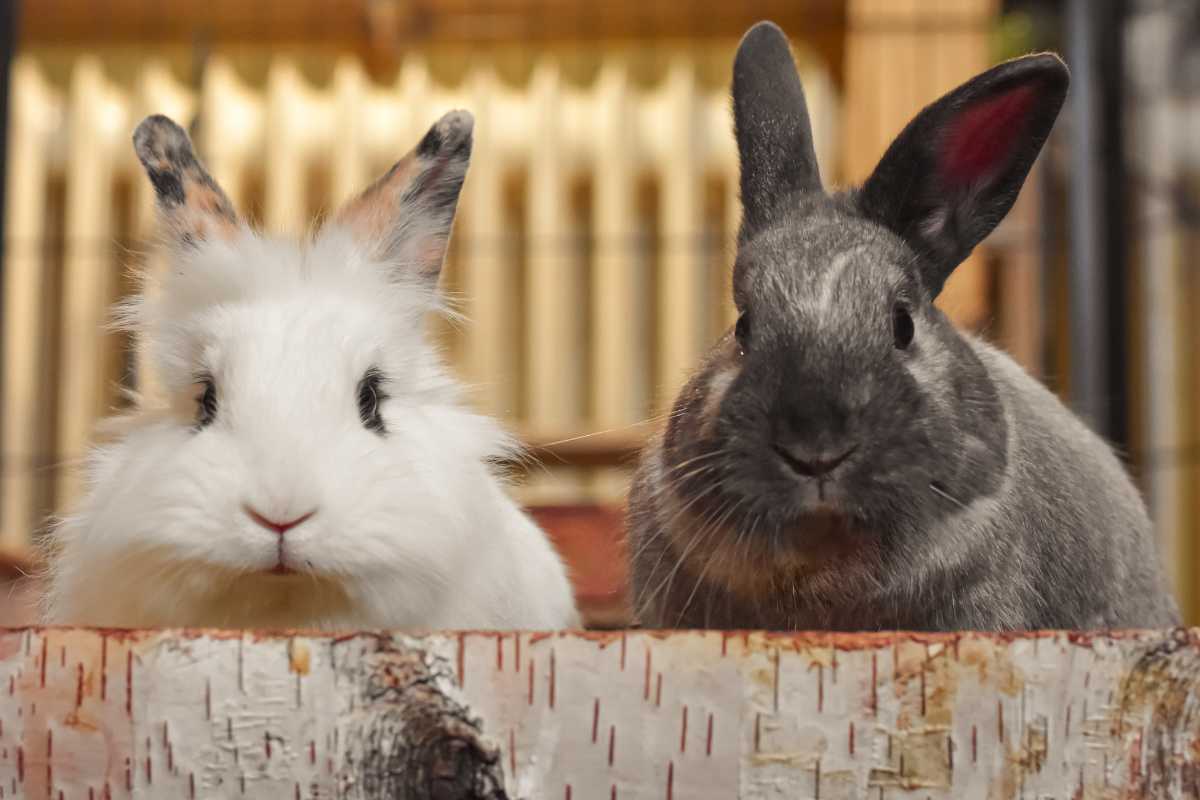
Weight Gain: A pregnant rabbit will typically gain weight as the pregnancy progresses. This may not be noticeable in the early stages, but by the second or third week, the increased weight will become more apparent.
The weight is usually concentrated in the abdomen, which will appear rounder as the pregnancy progresses.
Enlarged Nipples: Another common sign is the enlargement of the nipples. As pregnancy progresses, the nipples will become more pronounced and may appear darker. This is due to hormonal changes that occur during pregnancy.
Palpable Bumps: If you're comfortable handling your rabbit, you may be able to feel small bumps in her abdomen. These are the developing kits.
This can be done around the 10th day of pregnancy when the kits are large enough to be felt through the abdomen. However, this should only be done gently to avoid harm to the mother or her unborn babies.
Understanding Pseudopregnancy in Rabbits
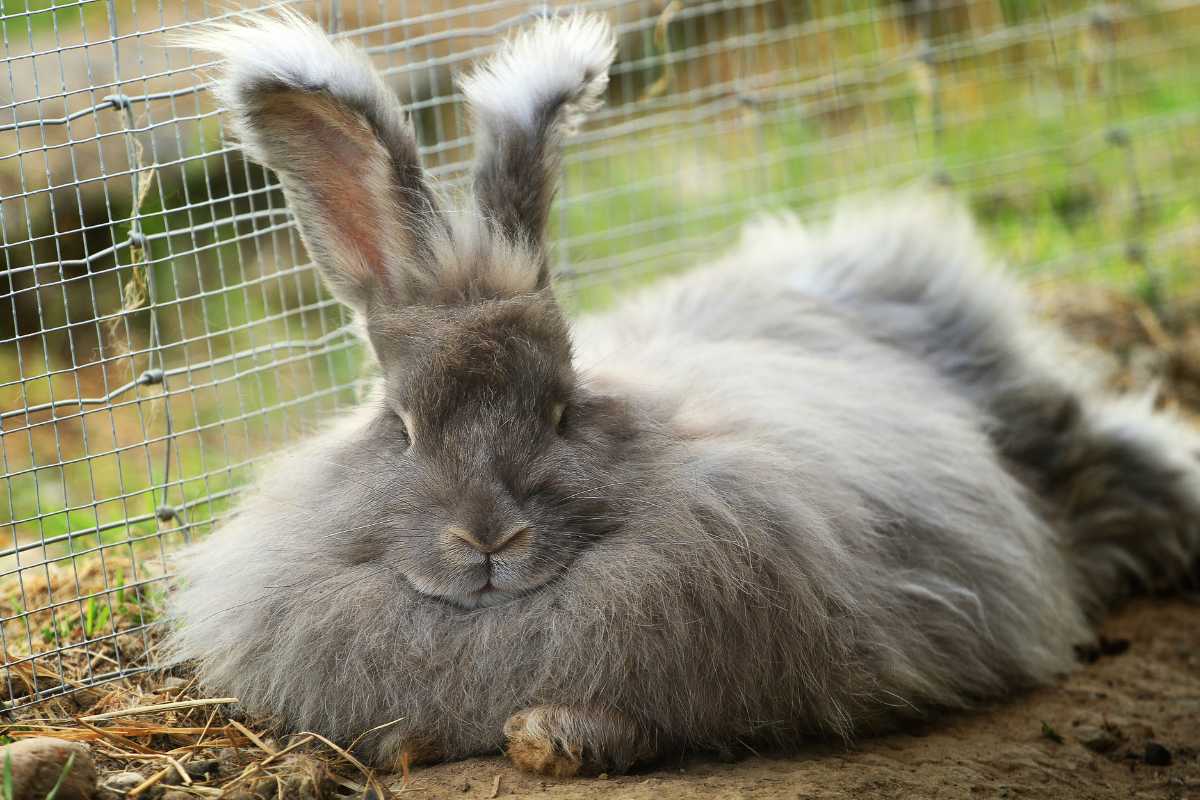
It's important to note that rabbits can experience pseudopregnancy, which means they show signs of pregnancy despite not being pregnant.
This can be a confusing experience for rabbit owners because the signs mimic those of a real pregnancy.
Pseudopregnancy occurs when a female rabbit goes into heat but does not mate. The hormonal changes cause her body to believe she is pregnant.
Signs of Pseudopregnancy
Similar nesting behavior
Weight gain or changes in body shape
Behavior changes like aggression or territoriality
If your rabbit shows these signs but hasn’t been in contact with a male rabbit, it could be a case of pseudopregnancy. If you're unsure, it’s always best to consult a vet to confirm.
Caring for a Pregnant Rabbit
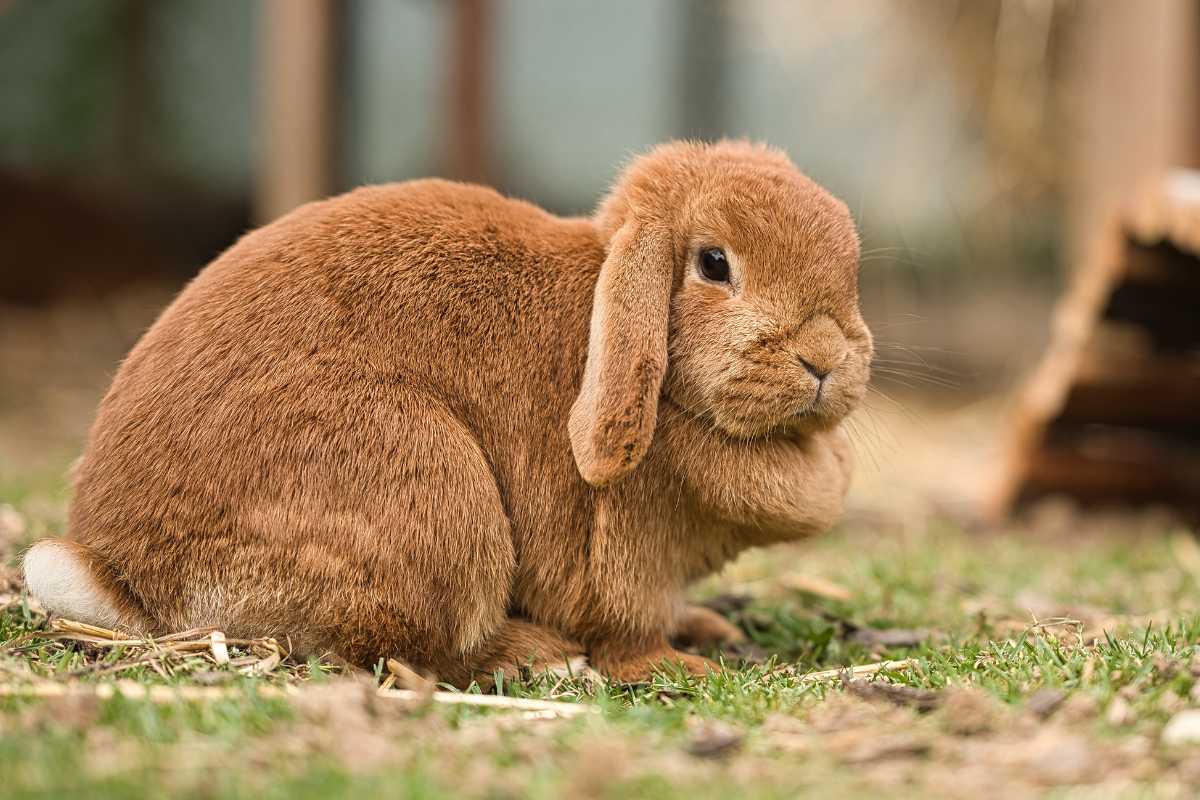
Once you confirm your rabbit is pregnant, it’s essential to provide her with proper care. The care you provide during pregnancy will help ensure the health of both the mother and her babies. Here's what you should focus on:
Dietary Adjustments
A pregnant rabbit’s dietary needs will change as her pregnancy progresses. It's crucial to provide her with a balanced diet that includes high-quality hay, fresh vegetables, and pellets formulated for pregnant rabbits.
You may also want to increase her calcium intake to support bone development in the kits. Ensure that fresh water is always available.
Create a Safe, Comfortable Environment
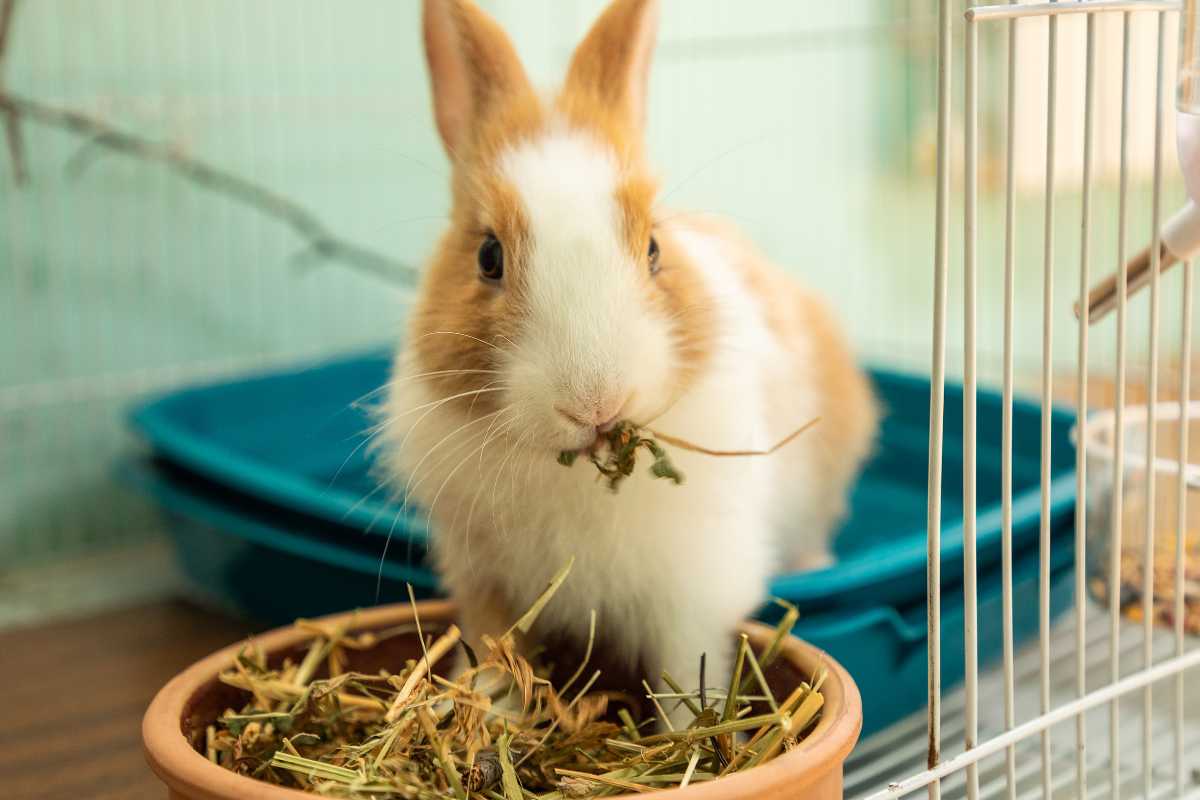
As the pregnancy progresses, your rabbit will need a comfortable and quiet space to rest. Consider providing her with a nesting box filled with soft bedding like hay or shredded paper.
Make sure she has a space where she feels safe and can retreat to when she’s ready to prepare for labor.
Limit Handling
Pregnant rabbits can be more sensitive than usual, so it's important to limit unnecessary handling.
While gentle petting is fine, avoid picking her up too much or stressing her out with loud noises. The goal is to keep her calm and comfortable during her pregnancy.
Labor and Birth: What to Expect
When the time comes for your rabbit to give birth, it's essential to be prepared, even though rabbits are generally capable of giving birth without assistance.
However, knowing what to expect and how to help can ensure a smooth process.
Signs That Labor Is Near
Restlessness: As your rabbit nears her due date, she may become more restless, moving around the nesting area and looking for a quiet place to give birth.
Grooming: Increased grooming is another sign of impending labor. This includes grooming her genital area, as well as the fur on her belly and abdomen.
Changes in Behavior: Your rabbit may become more aggressive or protective as she prepares for labor. This is a normal response as she instinctively prepares to protect her babies.
During Birth
Rabbits typically give birth at night or in the early morning hours, and the process usually happens quickly. Most rabbits will deliver all of their kits within a few hours, and there are typically 4-12 kits in a litter.
The kits are born covered in a sac, which the mother will chew through to free them. She will then clean them and begin nursing.
Postpartum Care for the Mother and Kits

After birth, your rabbit will need time to recover, and you’ll need to help care for both her and the newborn kits.
Mother’s Care
Monitor for Complications: After birth, it's important to watch the mother closely for signs of postpartum complications, such as bleeding, infections, or failure to nurse.
If she refuses to nurse her kits, or if she shows signs of severe discomfort, contact your vet immediately.
Continue Providing Good Nutrition: Keep providing your rabbit with high-quality hay, vegetables, and fresh water. You may also need to increase her food intake to help her replenish her energy.
Kit Care
Handling Kits: Avoid handling the kits for the first few days unless necessary. The mother may abandon them if she senses human scent on them. Let the mother nurse the kits, and ensure that they are all nursing regularly.
Monitor the Kits: Check on the kits occasionally to make sure they are all alive and feeding. Healthy kits should be warm, clean, and have a round belly after nursing.
When to Contact a Vet
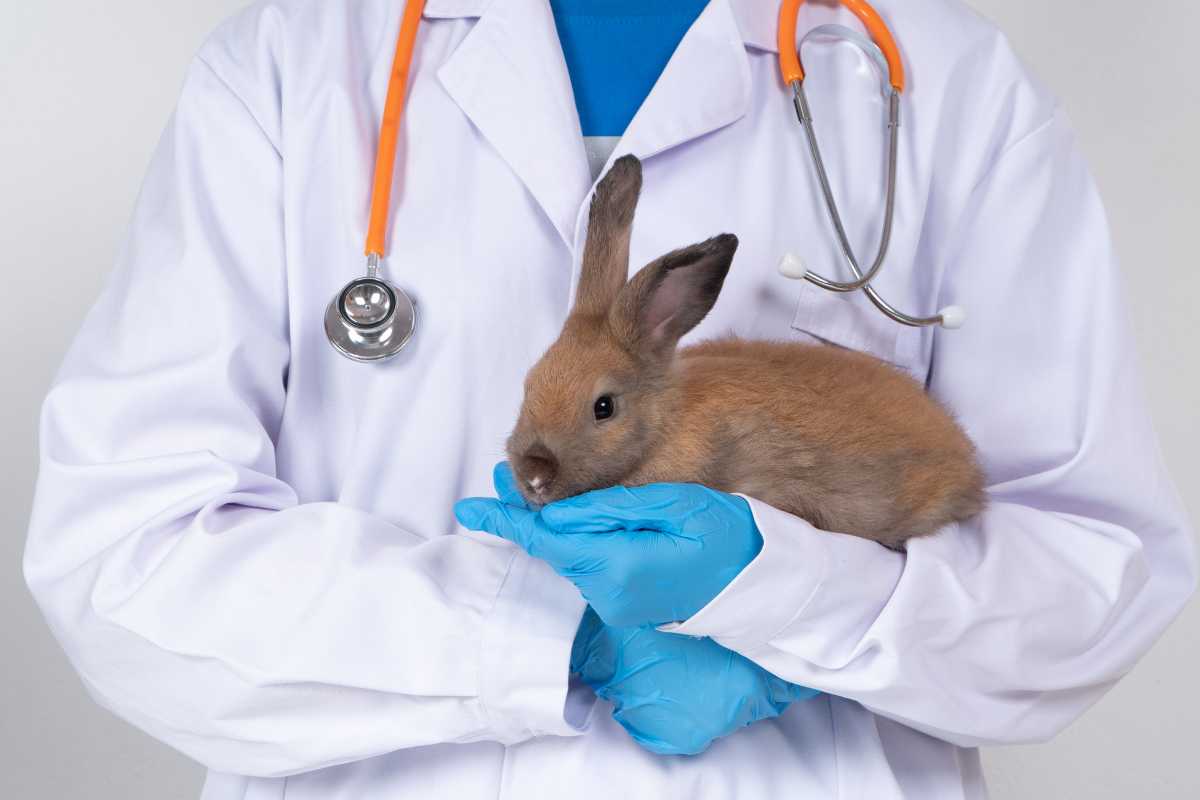
While rabbits are generally good mothers, there are some instances where professional help is necessary:
If the mother shows signs of stress or aggression toward the kits
If there are complications during labor, such as a retained placenta or difficulty giving birth
If the kits are not nursing or appear weak
In these cases, contact a veterinarian who is experienced with rabbits as soon as possible.
Conclusion
Pregnancy in rabbits is a fascinating and sometimes challenging experience for both the mother and the owner.
By understanding the signs of pregnancy, providing proper care during gestation, and being prepared for labor and birth, you can ensure a healthy and successful outcome for both the mother and her kits.
If you're ever unsure about what to do, don't hesitate to consult with a rabbit-savvy veterinarian to ensure the best possible care for your pregnant rabbit.
Enjoy The Video About Rabbits

Source: Slightly Rednecked
Did you find this post useful or inspiring? Save THIS PIN to your Pets Board on Pinterest!

You may also like