
How to Train ANY DOG the Basics


Training your dog is a rewarding experience that creates a strong bond between you and your pet.
Whether you're welcoming a new puppy into your home or teaching an older dog some new tricks, effective training is essential for building a well-behaved and happy dog.
This guide will walk you through the basics of dog training, providing you with practical tips and techniques to ensure success.
The Importance of Dog Training
Dog training is about more than just teaching commands like "sit" or "stay."
It's about improving communication between you and your dog, establishing boundaries, and creating a positive environment where your dog feels safe and secure.
A well-trained dog is easier to live with, behaves better in social situations, and is more likely to be happy and healthy.
Training also provides mental stimulation, which is essential for dogs of all breeds and ages.
Dogs need to engage their minds regularly, and training sessions are an excellent way to do this while deepening your bond with your pet.
Setting the Right Foundation: Basic Principles of Dog Training

1. Consistency is Key
The foundation of effective dog training lies in consistency.
Dogs thrive on routine and repetition, so it’s important to use the same commands, gestures, and training methods consistently.
This helps your dog understand what you expect from them and reinforces the behavior you're teaching.
For example, if you teach your dog to sit using a specific hand gesture, always use the same gesture for that command.
Consistency helps your dog associate the behavior with the command and respond reliably.
2. Positive Reinforcement

Positive reinforcement is one of the most effective training methods.
It involves rewarding your dog for performing the desired behavior, which increases the likelihood of that behavior being repeated.
This can include treats, praise, petting, or playtime.
Dogs respond well to rewards, and using positive reinforcement encourages them to repeat the behavior that earns them a reward.
Avoid negative reinforcement or punishment, as it can lead to confusion, anxiety, and unwanted behaviors.
3. Keep Training Sessions Short and Fun
Dogs have short attention spans, so it’s essential to keep training sessions short and engaging.
A 10-15-minute training session is often enough to keep your dog focused without overwhelming them.
You can always do multiple short sessions throughout the day, especially if your dog is a puppy or just learning new commands.
Make sure to keep the atmosphere positive and enjoyable, using treats or toys to keep your dog motivated.
The more fun your dog has during training, the more likely they are to look forward to future sessions.
Basic Dog Training Commands

Sit
One of the first commands you should teach your dog is “sit.” It's simple, easy for dogs to learn, and lays the foundation for other training.
Here's how to teach it:
- Get your dog’s attention by holding a treat in your hand.
- Move the treat above your dog’s nose to encourage them to sit naturally.
- As soon as your dog’s rear end touches the ground, say “sit” and give them the treat.
- Repeat the process until your dog sits on command without needing a treat as a lure.
Stay
The "stay" command is essential for teaching your dog to remain in one place until you permit them to move.
Here’s how to teach it:
- Command your dog to sit.
- Hold your hand out in front of them like a “stop” sign and say “stay.”
- Gradually increase the distance between you and your dog while saying "stay."
- Reward your dog as they remain in place. Start with short periods and increase the duration as they get better at the command.
Come

Teaching your dog to come when called is essential for safety.
You want to ensure your dog returns to you in any situation. Here’s how to teach this important command:
- Get your dog’s attention and say their name in a cheerful tone.
- Use a treat to encourage your dog to move toward you.
- Once they reach you, say “come” and reward them with praise or a treat.
- Repeat until your dog consistently comes when called.
Troubleshooting Common Training Challenges
Barking
Barking is natural for dogs, but excessive barking can become a problem.
If your dog barks too much, it may be a sign of boredom, anxiety, or a need for more exercise.
To address this, try the following:
- Identify the cause of the barking. Are they alerting you to something, or are they barking out of frustration or boredom?
- Provide enough physical and mental exercise to prevent boredom.
- Use “quiet” or “enough” commands to interrupt excessive barking and reward them when they stop.
Jumping Up

Jumping up is a common behavior in puppies and young dogs.
While it may be cute at first, it can become problematic as they grow older.
Here’s how to stop this behavior:
- When your dog jumps up on you, turn away and ignore them.
- Only give them attention once all four paws are on the ground.
- Reward them for calm behavior and for keeping all paws on the floor.
Chewing
Chewing is a natural dog behavior, but it can become destructive if not managed properly.
Puppies and young dogs are particularly prone to chewing as they explore the world with their mouths. Here’s how to manage this:
- Provide chew toys that are safe and appropriate for your dog.
- If your dog chews on something they shouldn’t, redirect them to the chew toy.
- Reward them for chewing on appropriate items, and make sure to puppy-proof your home to limit access to tempting items.
Advanced Training Tips

Once your dog has mastered the basics, you can move on to more advanced training techniques, such as:
Off-Leash Training
Start practicing in a safe, enclosed area where your dog can roam without a leash.
Gradually increase the difficulty by adding distractions and practicing recall and commands at longer distances.
Socialization
Proper socialization is key to helping your dog feel comfortable around other dogs, animals, and people.
Expose your dog to new experiences, sounds, and environments to help them build confidence and reduce anxiety in social settings.
The Role of Exercise in Training
Exercise is essential for your dog’s physical and mental health, and it plays a crucial role in training.
A tired dog is often a well-behaved dog because they have expended energy.
Make sure to incorporate daily walks, playtime, and mental exercises like puzzle toys or training games.
Mental Exercise

In addition to physical exercise, mental stimulation is just as important. Puzzle toys, hide-and-seek games, and interactive playtime can keep your dog’s mind sharp and provide them with the mental stimulation they need.
Building a Strong Bond with Your Dog
Training is not just about teaching your dog new behaviors—it’s about building a relationship based on trust, respect, and love.
Take time to bond with your dog through play, positive reinforcement, and shared experiences.
A strong bond will make training more enjoyable and effective for both of you.
Training your dog takes patience, consistency, and time, but the rewards are immeasurable.
By following the basic principles of dog training—such as consistency, positive reinforcement, and keeping training sessions short and enjoyable—you'll build a stronger bond with your dog and create a well-behaved pet.
Continue practicing, and soon your dog will respond to commands with ease, making life together even more enjoyable.
We hope you enjoy this video about Dogs
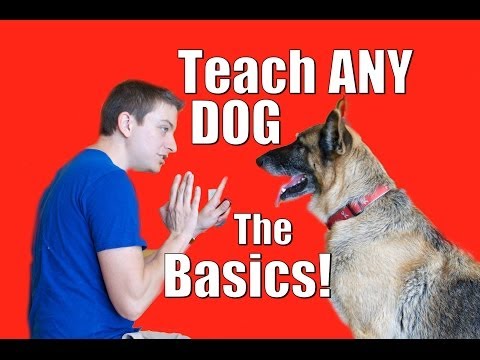
Source: Zak George’s Dog Training Revolution
Did you find this post useful or inspiring? Save THIS PIN to your Pets Board on Pinterest!

You may also like