
If You Keep Doing this Things to Your Dog Stop Yourself Now


As dog owners, we strive to give our pets the best possible life.
Yet, many of us unknowingly make mistakes that can affect our health, comfort, and happiness.
Whether it’s something small like improperly grooming them or failing to protect them from the sun, these actions can accumulate over time and negatively impact our dogs’ well-being.
In this article, we’ll explore five common mistakes that dog owners make and explain why you should stop them now to ensure your dog’s happiness and health.
1. Walking on Hot Pavement
Why It's Dangerous
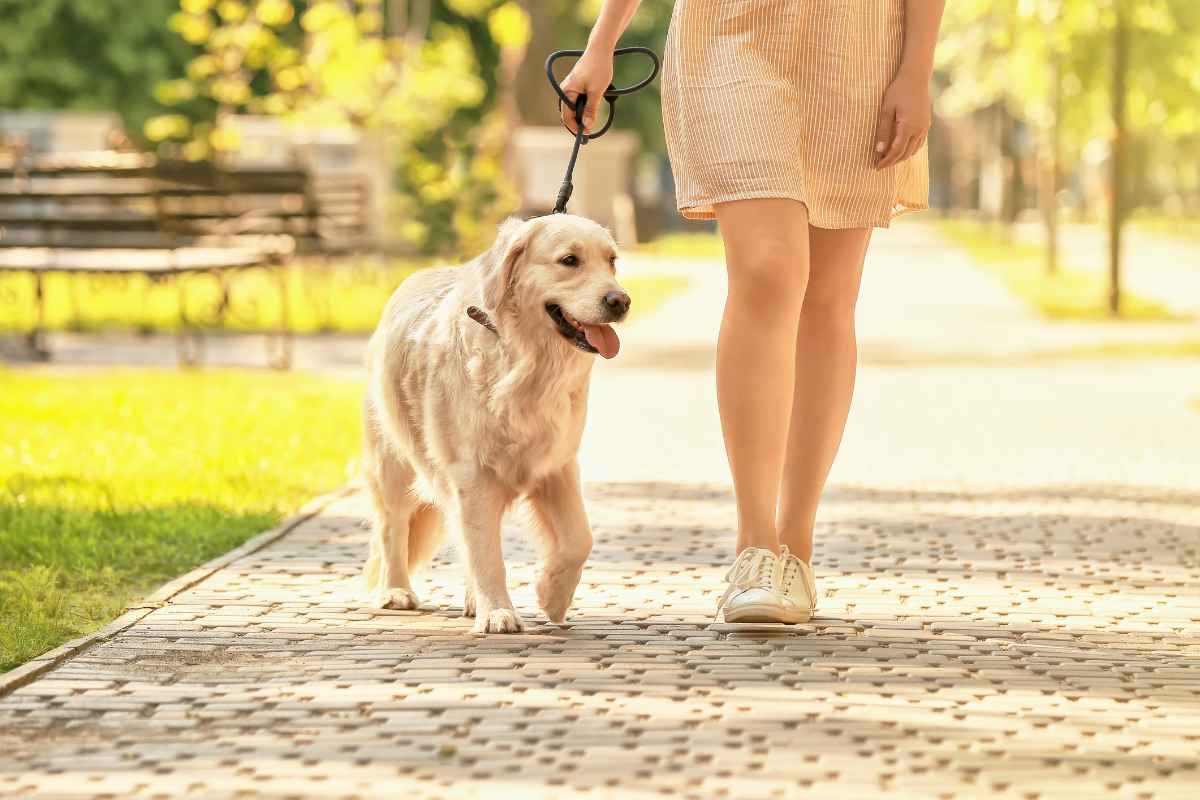
On a sunny day, the pavement can get dangerously hot—much hotter than the air temperature.
This can cause burns on your dog’s paws, leading to painful blisters or even permanent damage.
While your dog may seem unaffected when walking on hot pavement, their paws are much more sensitive than you might realize.
How to Avoid This Mistake
To prevent burning your dog's paws, avoid walking on pavement during the hottest parts of the day, usually between 10 a.m. and 4 p.m. Opt for walking on grass, dirt paths, or sand, which are significantly cooler.
If you absolutely must walk on pavement, try to check the temperature with your hand or foot first.
If it feels too hot for you, it's too hot for your dog. You can also invest in dog booties designed to protect their paws.
2. Forgetting to Protect Your Dog from the Sun
The Risk of Overexposure
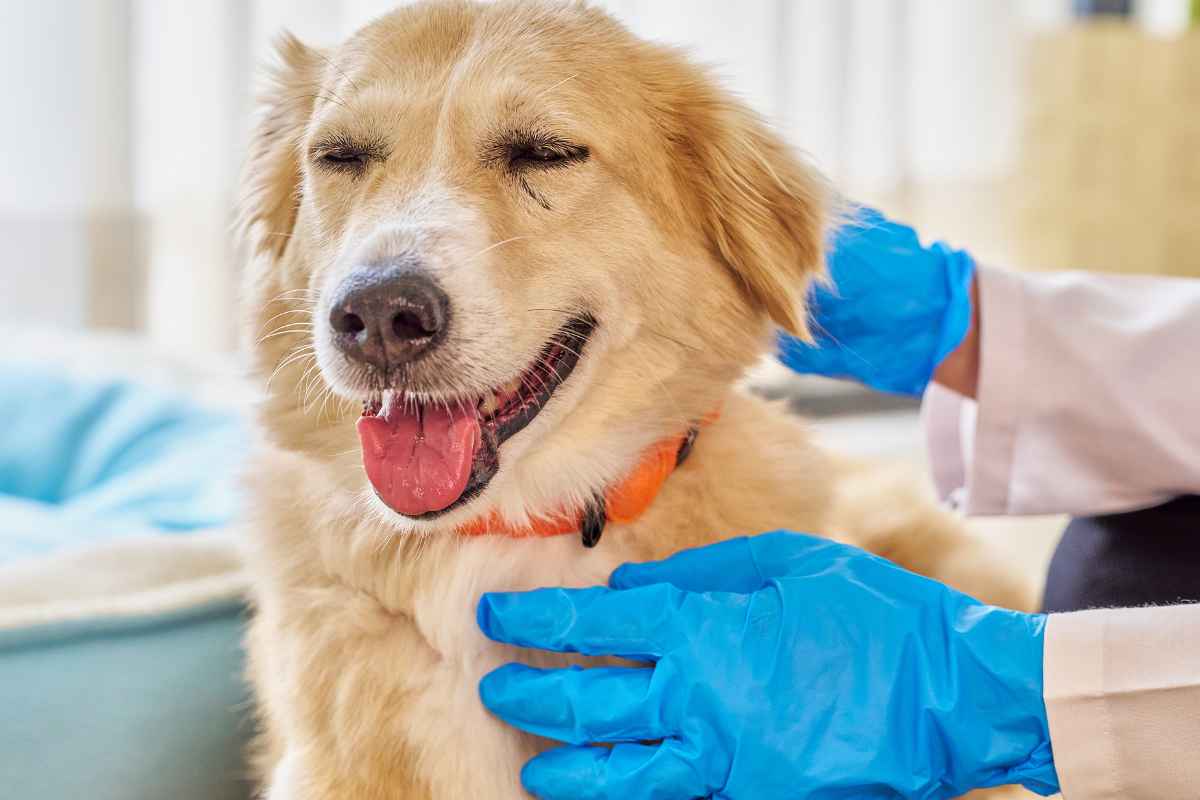
Just like humans, dogs can get sunburned, especially those with light-colored fur or thin coats.
Overexposure to the sun can lead to skin damage, increased risk of skin cancer, and heat stroke.
This is particularly important for dogs with short or no fur, like Greyhounds or Chihuahuas.
How to Prevent Sunburn
To protect your dog from the sun, apply pet-safe sunscreen to areas like the ears, nose, and belly, where fur is thinner.
You can find sunscreens specifically made for dogs that are free from harmful chemicals.
Additionally, try to limit outdoor time during peak sunlight hours and provide a shady spot for your dog to rest.
Lastly, ensure they have access to plenty of water to stay hydrated.
3. Not Maintaining a Healthy Diet
The Importance of Proper Nutrition
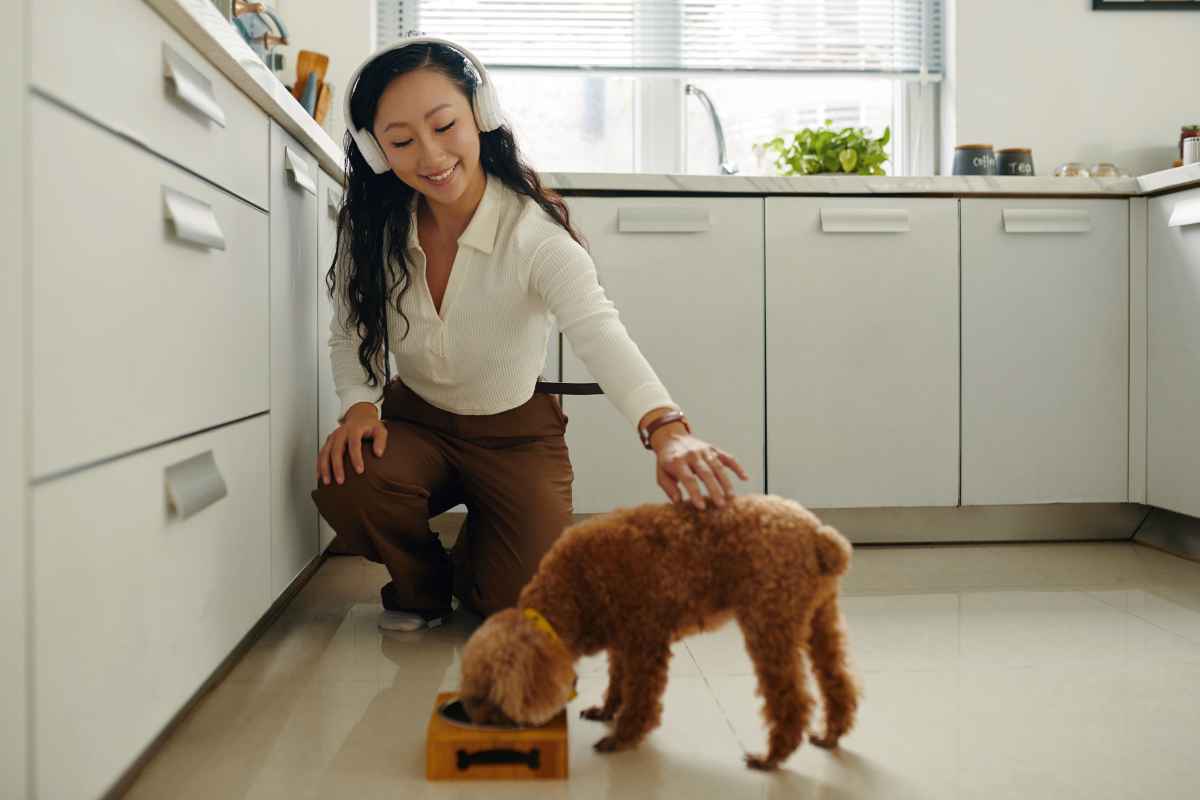
A balanced diet is key to keeping your dog in optimal health.
Many owners make the mistake of feeding their dogs low-quality food or giving them table scraps, which can lead to obesity, digestive problems, and even heart disease.
Just like humans, dogs need a variety of nutrients—proteins, fats, vitamins, and minerals—to thrive.
How to Feed Your Dog Right
To avoid these mistakes, always choose high-quality dog food that meets your dog's specific nutritional needs based on their age, breed, and health condition.
Make sure the food includes real sources of protein like chicken or beef.
If you want to treat your dog with human food, stick to dog-safe treats and avoid giving them chocolate, onions, grapes, or raisins, as these can be toxic to dogs.
Regularly monitor your dog’s weight, and if necessary, consult your vet for advice on portion sizes or special diets.
4. Ignoring Regular Vet Check-ups
Why Routine Vet Visits Are Crucial
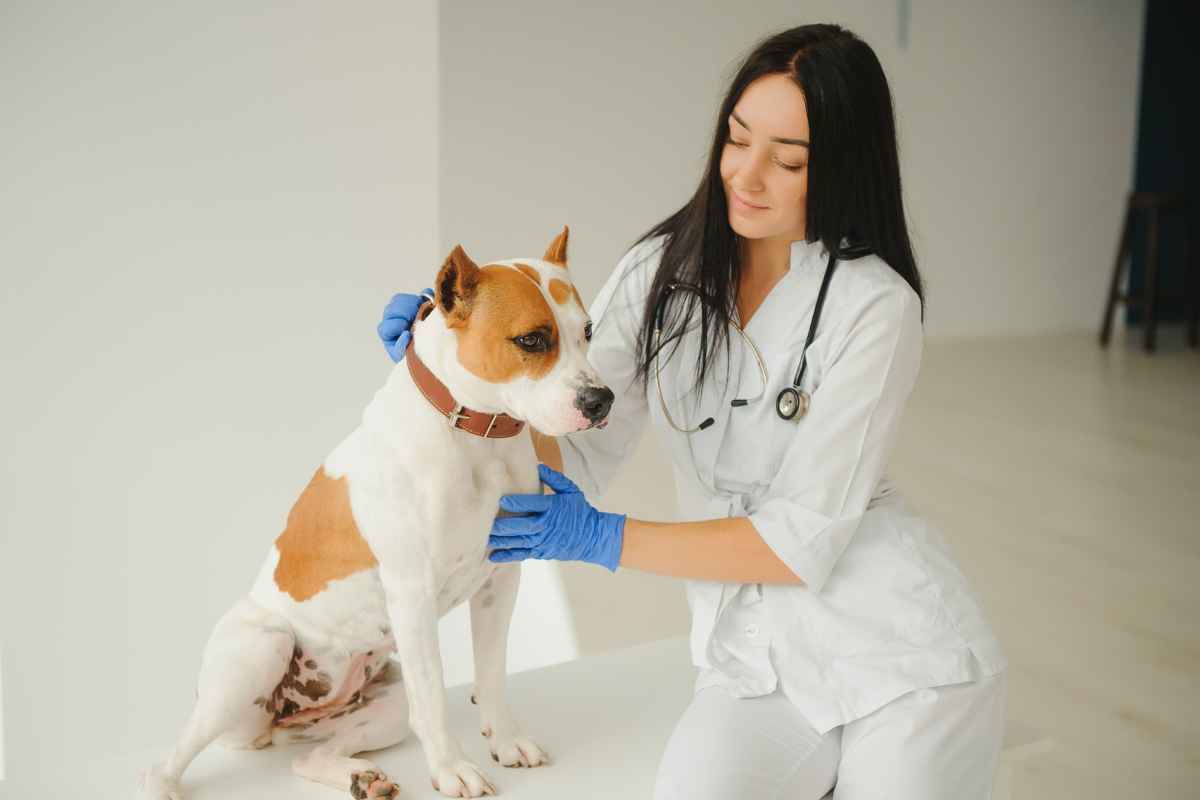
Many dog owners make the mistake of visiting the vet only when their dog is sick.
However, regular veterinary check-ups are essential to catch health problems early.
Routine exams can detect issues like heart disease, kidney problems, or dental disease before they become severe.
How to Keep Your Dog’s Health on Track
To avoid neglecting your dog’s health, schedule an annual check-up with your vet, even if your dog seems perfectly healthy.
These check-ups allow the vet to monitor your dog’s overall health, conduct necessary tests, and provide preventive care such as vaccinations, flea/tick prevention, and dental cleaning.
Additionally, keep up with regular parasite control and dental hygiene routines, including brushing your dog’s teeth or providing dental chews.
5. Overexerting Your Dog in Extreme Weather
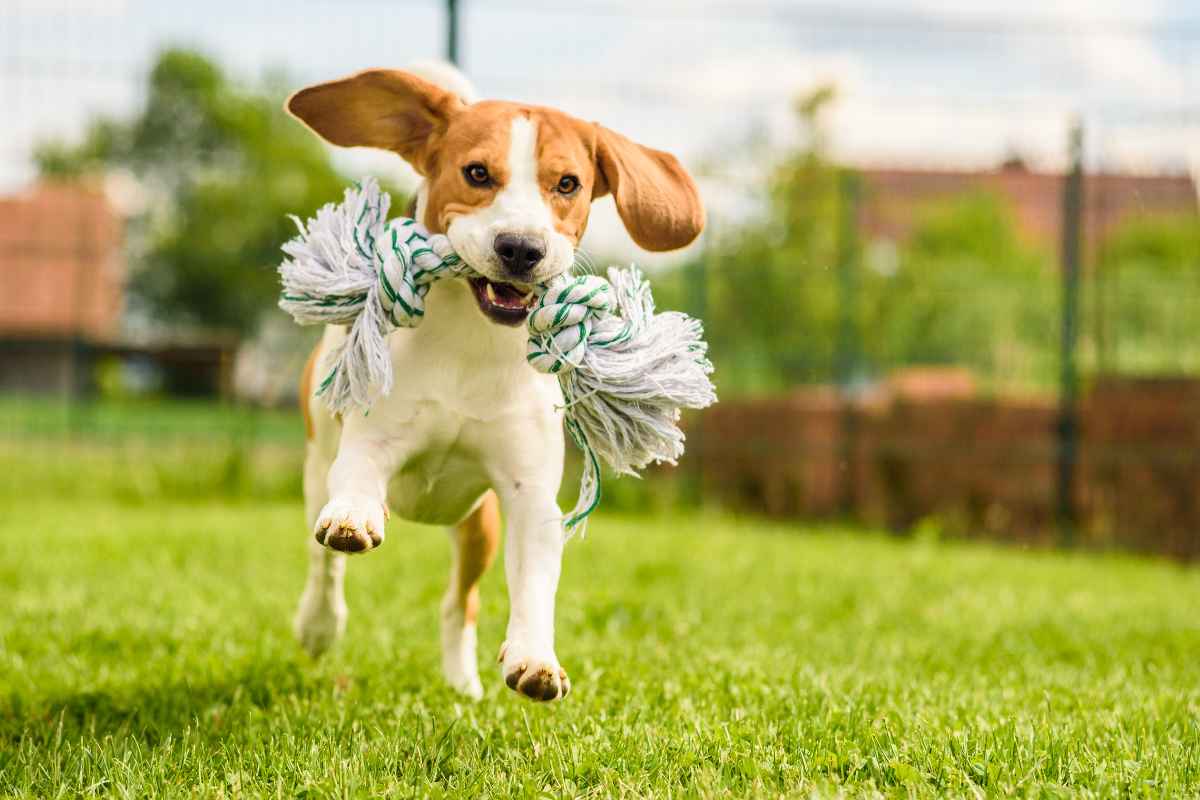
The Risks of Exercise in Extreme Conditions
Both hot and cold weather can pose serious risks to your dog if they are overexerted.
Heatstroke can occur quickly if your dog is left in the sun for too long or exercises too intensely during warm weather.
On the other hand, during the winter months, dogs are at risk of hypothermia or frostbite if they are outside too long in freezing temperatures.
How to Exercise Safely
During hot weather, limit your dog’s physical activity to early mornings or late evenings when the temperature is cooler.
Shorter walks with regular breaks for water are ideal. In winter, ensure your dog is warm enough by using a dog sweater or coat if they have a short or thin coat.
Avoid long exposure to snow or ice, and keep an eye on your dog for signs of discomfort or cold-related injuries.
Always make sure to provide a warm and cozy place for your dog to rest after being outside in cold weather.

Conclusion: Stop Making These Mistakes for a Happier, Healthier Dog
Being a responsible dog owner means paying attention to the little things that contribute to your dog’s overall well-being.
By avoiding these five common mistakes, you can significantly improve your dog’s quality of life.
Remember, it’s not just about feeding your dog the right food or taking them for walks—it’s about giving them the proper care they need to live a long, healthy, and happy life.
So, check your habits, make these adjustments, and your dog will thank you with years of companionship and love.

Source: BRIGHT SIDE
Did you find this post useful or inspiring? Save THIS PIN to your Pets Board on Pinterest!

You may also like