
Jerboas as Pets: Why They're Taking the Pet World by Storm


Jerbos, often confused with gerbils, have been gaining significant popularity as pets in recent years.
With their playful nature and relatively low maintenance, they are an appealing choice for animal lovers looking for an unconventional pet.
But why are jerbos suddenly so popular? Let’s take a closer look at the reasons behind this rise and what it takes to care for these fascinating creatures.
Why Are Jerbos Becoming Popular?
The Appeal of Jerbos as Pets

Jerbos are becoming more than just a trend in the pet world. These little creatures, often characterized by their energetic nature and adorable appearance, are a great fit for people with busy lifestyles. Unlike traditional pets like cats or dogs, jerbos do not require constant attention, making them an ideal option for busy individuals or those who live in smaller spaces.
Benefits of Jerbos as Pets
Low Maintenance: Jerbos are easy to care for. They don’t need frequent grooming and can be left alone for longer periods compared to more demanding pets.
Small Space Requirements: They are perfect for people with limited living space. Their cages can fit in most rooms and are relatively inexpensive.
Entertaining and Active: Jerbos are curious and active, often entertaining their owners with their playful behavior.
Essential Care Requirements for Jerbos

Feeding Jerbos: What to Know
Jerbos are omnivorous and enjoy a varied diet. The key to keeping them healthy is providing a balanced diet that meets their nutritional needs. A typical jerbo diet includes:
Pellets: High-quality pelleted food designed specifically for jerbos is a good foundation for their diet. These pellets are fortified with the vitamins and minerals they need.
Fresh Vegetables: Jerbos love fresh vegetables like carrots, broccoli, and leafy greens. Offer these as snacks a few times a week.
Protein: Jerbos also benefit from occasional protein sources such as insects (mealworms) or cooked eggs.
Foods to Avoid
High-fat foods: Avoid feeding jerbos high-fat foods, such as seeds or nuts, as these can lead to obesity.
Toxic Foods: Never feed jerbos chocolate, caffeine, or alcohol, as these are toxic to them.
Habitat: Creating a Comfortable Home for Your Jerbo

A well-designed habitat is crucial to the health and happiness of your jerbo. Here are the key elements to consider:
Cage Size
Jerbos need space to run, climb, and burrow. A large cage with plenty of room to explore is essential. Choose a cage that is at least 12 x 24 inches in size, with a solid base to prevent injury to their feet.
Bedding
Fill the bottom of the cage with safe bedding material such as paper-based bedding or aspen shavings. Avoid using cedar wood chips, as these can be harmful to jerbos.
Enrichment
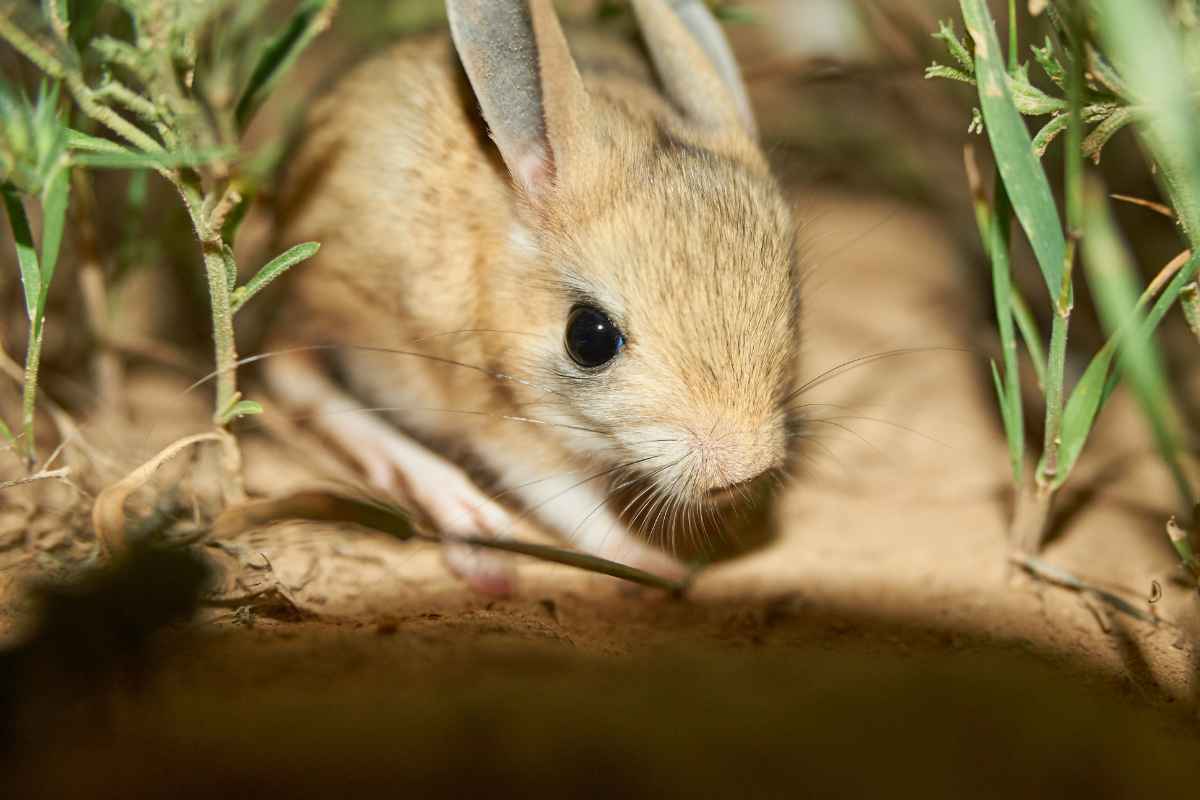
Jerbos are intelligent and need plenty of stimulation to stay happy. Include tunnels, toys, and chew items in their cage. These activities will prevent boredom and promote mental and physical health.
Exercise Wheel
A solid running wheel is a must-have for jerbos. It provides an outlet for their energy and helps keep them physically fit.
Health and Grooming
While jerbos are generally healthy, there are a few things to keep in mind:
Bathing and Grooming
Jerbos are low-maintenance in terms of grooming, as they don’t require regular baths. However, it’s important to provide them with a dust bath using special chinchilla dust, which helps them maintain clean fur.
Dental Health

Jerbos’ teeth grow continuously, so providing them with chew toys made of wood or safe plastic will help keep their teeth from growing too long.
Monitoring Their Health
Watch for signs of illness such as lethargy, poor appetite, or changes in behavior. Jerbos are good at hiding sickness, so early detection is key. Regular veterinary checkups are essential.
Socialization and Bonding with Your Jerbo
Jerbos and Humans
Jerbos are social animals that enjoy interacting with their owners, but they tend to be more independent compared to other rodents. Here are some tips to help you bond with your jerbo:
Handling
Gently handle your jerbo with care. Initially, they may be skittish, but with regular, positive interactions, they will become accustomed to your presence and even enjoy being held.
Playtime
Jerbos are very playful. Set aside time each day to let them out of their cage to explore in a safe area. This will not only help with bonding but also provide them with essential physical and mental exercise.
Jerbo Companions

Jerbos are territorial animals and may not get along with other jerbos, especially males.
If you decide to have more than one jerbo, it’s important to house them separately or introduce them very carefully. Always monitor their behavior when introducing new jerbos to ensure they get along.
Health Concerns and Common Issues
Common Jerbo Health Problems
Though jerbos are generally healthy, they can suffer from a few health issues:
Dental Problems: Due to their continuously growing teeth, jerbos can develop dental problems if they don’t have enough to chew on.
Obesity: If fed a diet too high in fat, jerbos can become overweight, which can lead to further health complications.
Respiratory Issues: Dusty bedding or poor ventilation in their cage can cause respiratory issues, so it’s essential to keep their habitat clean and well-ventilated.
When to See a Vet

If your jerbo shows signs of illness such as weight loss, difficulty breathing, or changes in behavior, consult with an experienced exotic pet vet. Regular checkups will help ensure they stay healthy.
Conclusion: Is a Jerbo the Right Pet for You?
Jerbos are fascinating, low-maintenance pets that can bring joy and entertainment into your home.
They are perfect for individuals or families looking for a unique pet that doesn’t require constant attention but still offers plenty of interaction and fun.
Before deciding to adopt a jerbo, consider their care requirements and whether you can meet their needs.
With proper care, a jerbo can be a happy and healthy pet for many years to come.
Enjoy This Video Tutorial About Pros & Cons of Owning Gerbils

Source: Pet Connection International
Did you find this post useful or inspiring? Save THIS PIN to your Pets Board on Pinterest! 😊

You may also like