
Lesser-Known Horse Breeds with Remarkable Strength


When it comes to horses, most people are familiar with iconic breeds such as the Clydesdale, Shire, and Percheron.
However, several lesser-known horse breeds possess remarkable strength and stamina.
These breeds may not be as famous, but they are equally impressive in their physical capabilities and have fascinating histories.
In this article, we will explore some of these lesser-known breeds, highlighting their unique traits and the roles they play in various industries.
The Role of Strength in Horses
Before diving into specific breeds, it’s important to understand why strength is such a crucial trait in horses.
Strength in horses is typically measured by their ability to pull heavy loads, carry riders or cargo, and perform laborious tasks over long distances.
Horses bred for strength often have muscular builds, broad chests, and solid legs that allow them to generate power efficiently.
These strong horses have been invaluable throughout history, contributing to agriculture, transportation, and even warfare.
In modern times, while technology has reduced the need for horse labor, these breeds are still used in certain industries and events that demand strength and stamina.
Unique Horse Breeds with Exceptional Strength
While the popular draft horses often dominate the conversation around strength, other lesser-known breeds deserve recognition for their remarkable power.
Let’s explore some of these unique breeds.
1. Belgian Blue
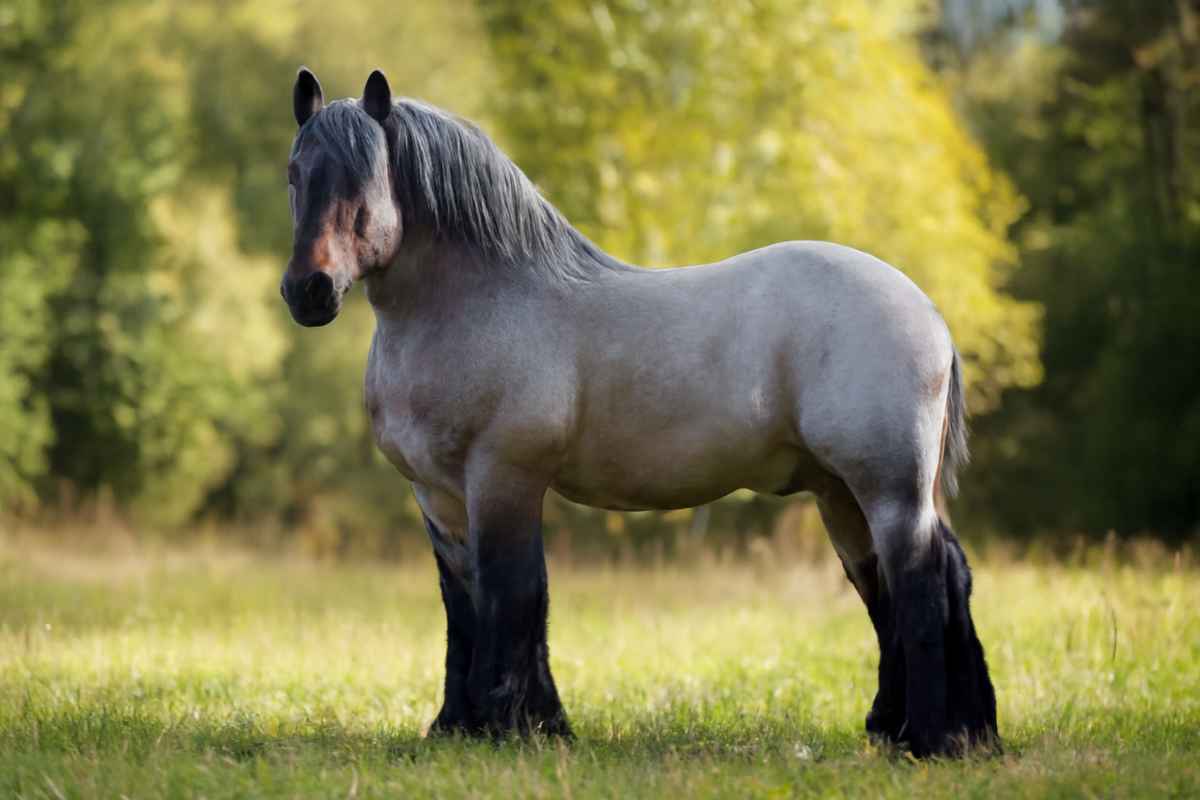
Often overshadowed by its more famous cousin, the Belgian Draft, the Belgian Blue is a lesser-known breed that is known for its incredible strength and muscular physique.
Originating in Belgium, this breed is most commonly recognized for its unique muscle development, thanks to a natural genetic mutation.
The Belgian Blue is often used in beef production, where its muscle mass provides a high yield of meat.
Physical Characteristics and Strength
Belgian Blues are characterized by their heavy, muscular build, with a large, broad frame. They are typically gray or blue in color, although some may appear white.
The breed’s most notable feature is its double muscling, which gives it an exceptional ability to perform laborious tasks.
The double-muscling mutation increases the size and efficiency of muscle fibers, allowing them to generate more power.
As a result, Belgian Blues are often used for pulling heavy carts or plowing fields, especially in traditional farming methods.
Usage and Work
Although the Belgian Blue is more commonly known for its meat production, its strength also makes it an excellent draft horse.
These horses are used for a variety of tasks, including hauling heavy loads and working on farms in regions where mechanized equipment is less common.
2. Norwegian Fjord Horse

The Norwegian Fjord Horse is a small yet incredibly strong horse breed that originates from the fjords of Norway.
These horses have been used for centuries for farm work, transportation, and as mountaineering horses. Despite their smaller stature compared to other strong breeds, the Fjord horse is known for its endurance and ability to work tirelessly in challenging conditions.
Physical Characteristics
Fjord horses have a distinctive appearance with their dun-colored coat, which ranges from light beige to dark brown.
They also have a unique mane that can be combed to one side, creating a striking look. Their build is muscular, and they have a strong, compact body that is built for strength and endurance.
Fjord horses are relatively small, standing at around 13 to 14 hands high, but they are known for their powerful limbs and excellent stamina.
Their short backs and strong hindquarters contribute to their remarkable ability to pull weight and carry loads over rough terrain.
Work and Versatility
Historically, Fjord horses were used for farm work, logging, and transportation in Norway.
Their strength and agility allow them to navigate mountainous terrain with ease, making them ideal for traditional mountain farming.
Today, these horses are also used in driving competitions and dressage due to their versatility and well-rounded nature.
3. Suffolk Punch
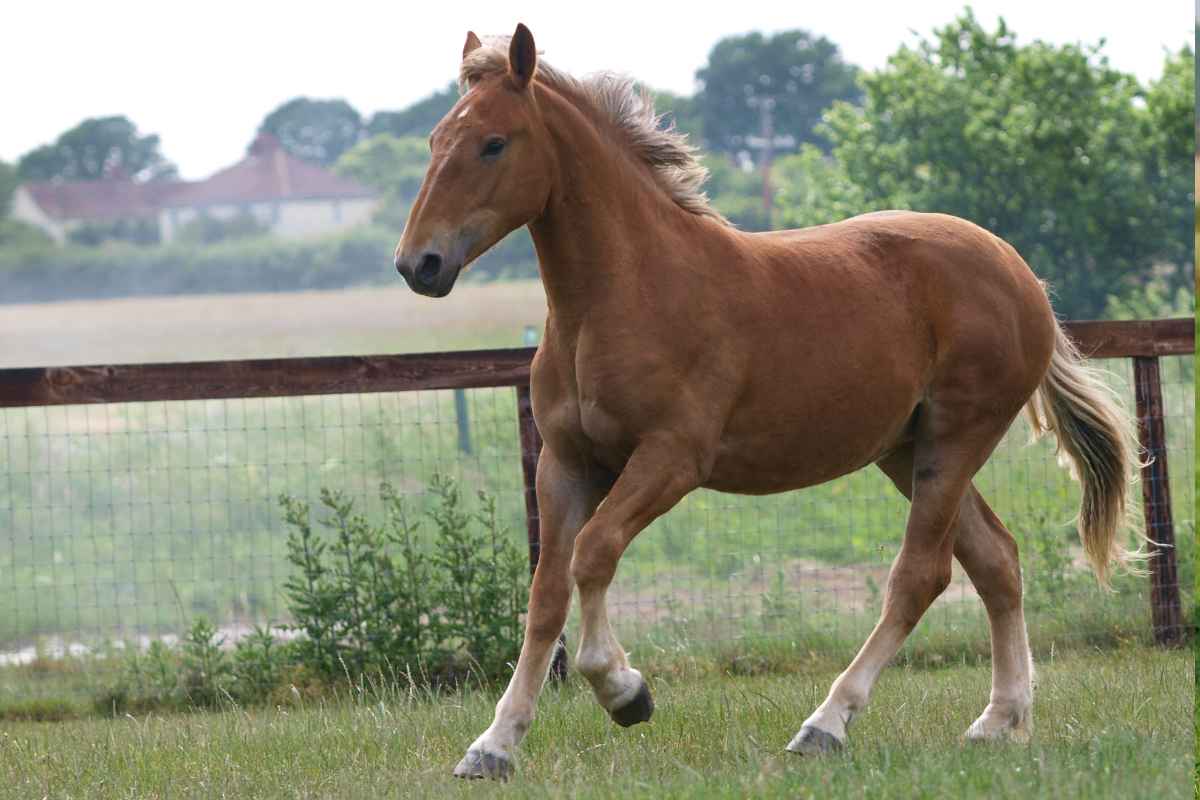
The Suffolk Punch is one of the oldest and most endangered British breeds, known for its strength, stamina, and remarkable ability to work on the farm. Although not as widely recognized as some of the other draft horse breeds, the Suffolk Punch has played a significant role in agricultural history.
Physical Characteristics
The Suffolk Punch is a compact, muscular horse with a thick neck and broad chest.
Their reddish-brown coat is another distinctive feature, which helps to identify them easily.
Despite their relatively short stature compared to other draft horses, they are incredibly strong and capable of pulling heavy loads for extended periods.
Their solid build, large hooves, and powerful hindquarters allow them to perform difficult tasks, such as plowing fields, pulling carts, and hauling heavy materials.
The Suffolk Punch’s physical prowess is complemented by its gentle temperament, making it an excellent workhorse in various industries.
Role in Agriculture
Historically, the Suffolk Punch was used extensively in the agricultural sector, particularly in East Anglia, where the breed originated.
These horses were used to plow fields, transport goods, and haul carts.
Although modern machinery has largely replaced them in these tasks, the Suffolk Punch is still utilized in heritage farming and vintage plowing competitions.
4. Cleveland Bay

The Cleveland Bay is an old British breed that is often overlooked in the world of draft horses.
This breed is known for its strength and versatility, making it suitable for both farm work and light draft work.
Originally from the Cleveland area of England, the Cleveland Bay has a rich history of being used in warfare, agriculture, and as a hunting horse.
Physical Characteristics
The Cleveland Bay is a medium-sized, solid horse with a muscular build.
It stands around 16 hands high and has a well-rounded body with strong legs and hooves.
Their bay color, with darker points on the legs, face, and mane, is a defining characteristic.
Cleveland Bays are known for their balanced gait and endurance, making them excellent horses for working over long distances.
Their strength and adaptability allow them to perform well in both farm and draft work, as well as in equestrian events.
Modern-Day Usage
While the Cleveland Bay is no longer as common in modern agriculture, they are still used for various tasks, including show jumping and driving competitions.
They are also gaining popularity in conservation grazing, where their strength is put to use in maintaining landscapes and ecosystems.
5. Dartmoor Pony

The Dartmoor Pony is a hardy and strong breed from the rugged Dartmoor region of England.
These ponies, although small, are known for their resilience and ability to survive in harsh conditions.
Their strength and stamina make them well-suited for tasks in the hilly terrain of Dartmoor, where they have been used for centuries as packhorses and for mining.
Physical Characteristics
The Dartmoor Pony has a compact build, standing between 12 and 12.2 hands high.
They have sturdy limbs, thick coats, and strong hooves, all of which help them navigate the challenging landscape of the moors.
Their strength is apparent in their ability to carry heavy loads and traverse difficult terrain.
Dartmoor Ponies come in a variety of colors, with bay, black, and gray being the most common.
Their robust nature allows them to work in difficult environments, whether it’s hauling materials from the mines or carrying supplies for farmers.
Working History and Present-Day Use
Historically, the Dartmoor Pony was used extensively in mining, where they carried heavy loads from underground tunnels.
Today, these ponies are still used for conservation grazing and are a popular choice for children’s ponies due to their gentle temperament.
Why These Horses Matter

Lesser-known breeds like the Belgian Blue, Norwegian Fjord, Suffolk Punch, Cleveland Bay, and Dartmoor Pony may not always make the headlines, but their strength, resilience, and versatility are qualities worth celebrating.
These breeds not only serve practical purposes but also contribute to preserving traditional farming practices and maintaining landscapes that might otherwise be lost.
Final Thoughts: Celebrating the Strength and Versatility of Lesser-Known Horse Breeds
While the world of horse breeds is often dominated by famous names, it’s important to recognize and celebrate the lesser-known breeds that possess remarkable strength.
These horses may not always get the attention they deserve, but their contributions to agriculture, transportation, and equestrian sports are invaluable.
By understanding and appreciating these breeds, we can continue to honor the history and legacy of strong horses around the world.
Did you find this post useful or inspiring? Save THIS PIN to your PETS Board on Pinterest!
You may also like