
Must-Have Supplies for Rabbits of All Ages


Welcoming a rabbit into your home is an exciting journey, and just like any other pet, your bunny deserves a comfortable, safe, and stimulating environment.
Whether you have a baby bunny or an older rabbit, the essential supplies remain similar, though their needs may differ slightly as they grow.
This guide will walk you through the must-have supplies for rabbits at every stage of their life, ensuring they have everything they need to thrive.
1. Toys and Entertainment: Keeping Your Bunny Stimulated
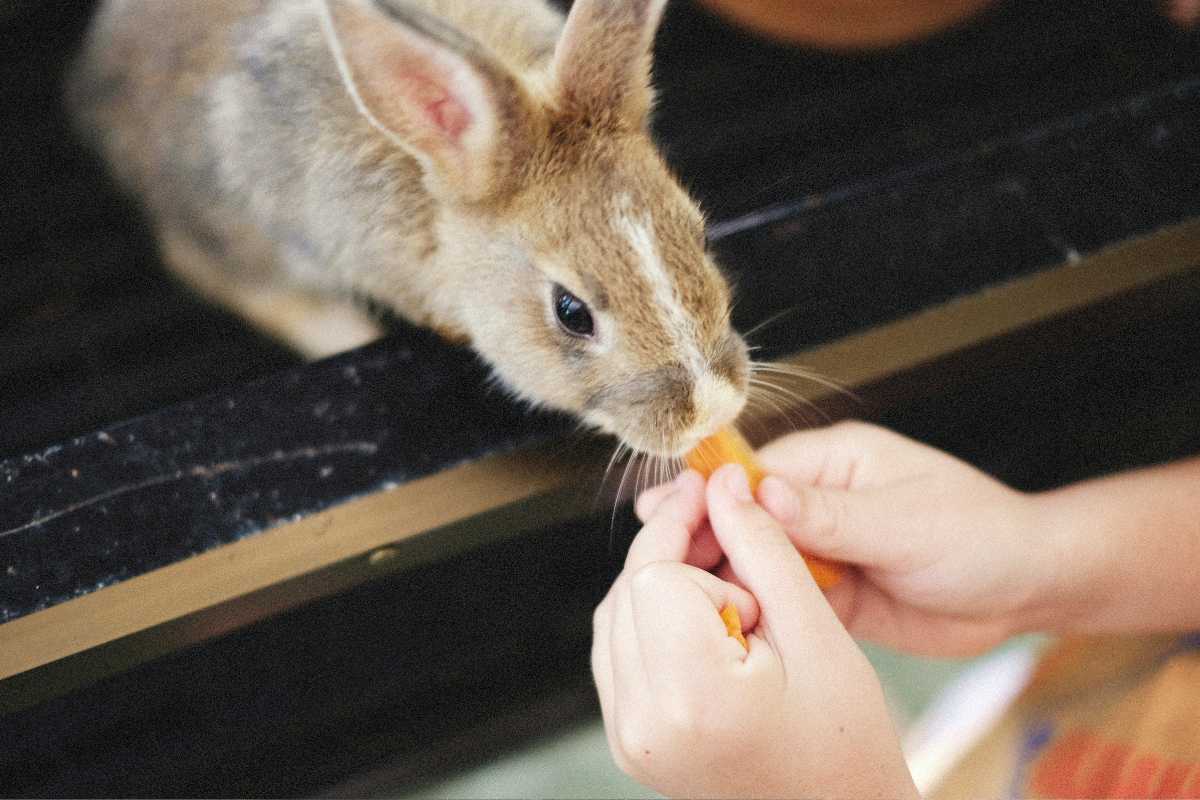
Rabbits are highly intelligent and active animals that require plenty of mental and physical stimulation. Offering a variety of toys not only keeps them entertained but also encourages exercise, which is vital for their health.
What to Include:
Chew toys: Rabbits have constantly growing teeth, so they need safe chew toys to prevent dental issues. Wooden blocks, hay cubes, and natural willow sticks are perfect for chewing.
Tunnels: Rabbits love to hide and explore, and tunnels offer them a place to feel safe and exercise. Look for collapsible, soft fabric tunnels or those made from durable materials that allow them to hop in and out with ease.
Interactive toys: Toys like puzzle feeders can stimulate your rabbit’s mind, making playtime both fun and rewarding. You can also find toys that mimic foraging behaviors to keep your bunny busy for hours.
Make sure to rotate toys regularly to keep them interesting. If a toy has lost its appeal, try a new one or move it to a different spot in their habitat.
2. Proper Diet: Feeding Your Rabbit Right
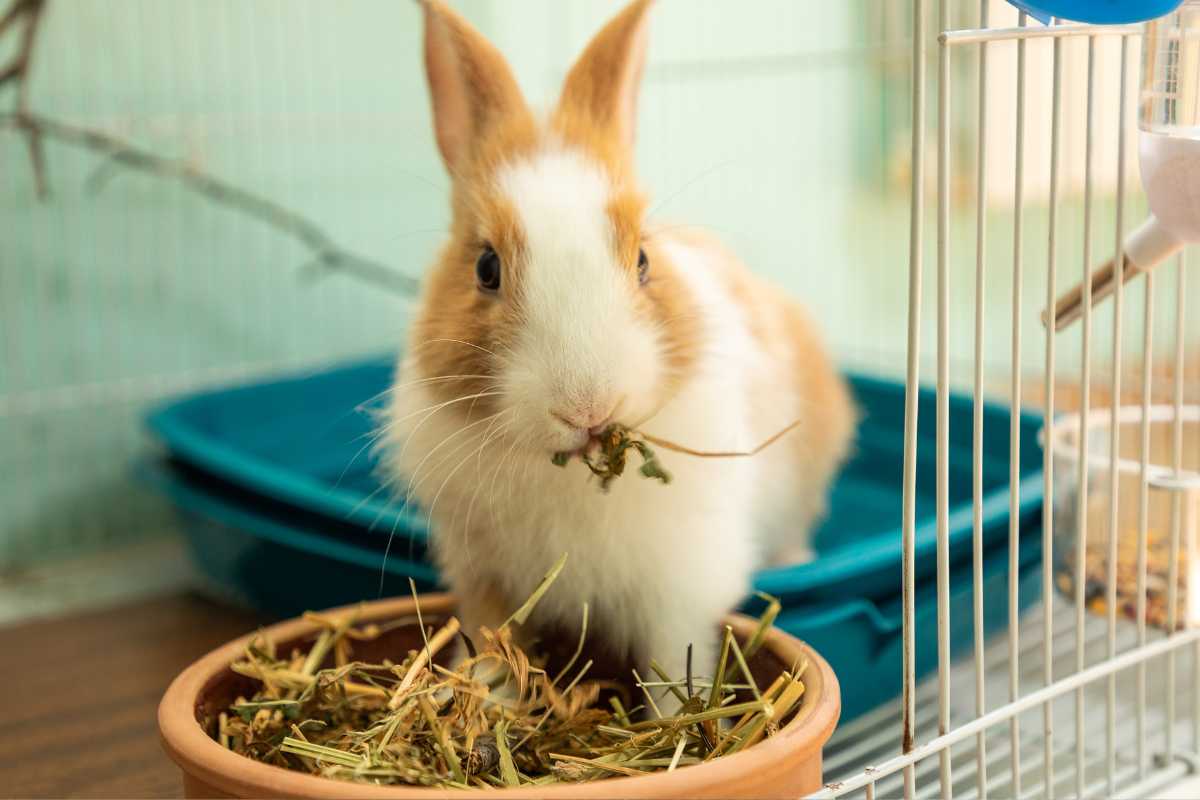
A rabbit’s diet plays a crucial role in its health. The foundation of a rabbit's diet should be high-quality hay, supplemented with fresh vegetables and limited pellets.
Proper nutrition supports their digestive system, dental health, and overall well-being.
What to Include:
Hay: Hay should make up the majority of your rabbit's diet. It aids digestion and helps keep their teeth trimmed.
Timothy hay, meadow hay, and orchard grass are great options for adult rabbits. For younger rabbits, alfalfa hay is better due to its higher protein content.
Fresh vegetables: Fresh greens, such as kale, romaine lettuce, cilantro, and parsley, should be provided daily. Introduce new vegetables gradually to avoid stomach upset.
Pellets: While pellets are not the main part of their diet, high-quality rabbit pellets can provide necessary vitamins and minerals.
Choose pellets that are high in fiber and low in protein to support healthy digestion and prevent obesity.
Fresh water: Always make sure fresh water is available. You can provide water in a bottle or bowl—whichever your rabbit prefers. Just be sure to clean it daily to prevent any buildup of bacteria.
3. Proper Housing: Creating a Comfortable Home

Rabbits need a space that is both safe and comfortable to sleep, eat, and play.
Whether you are housing your rabbit in a pen, cage, or an open-area bunny condo, the goal is to provide enough space for your rabbit to hop, stretch, and move freely.
What to Include:
A spacious cage or pen: Your rabbit’s home should be large enough for them to move around in.
At a minimum, the space should allow them to stretch out fully and hop around comfortably. Consider a pen that can be expanded as your rabbit grows.
Bedding: Provide a soft, absorbent bedding material like paper-based bedding or aspen shavings. Avoid cedar or pine bedding as they can be harmful to rabbits.
Litter box: Rabbits are naturally clean animals, and most will litter train easily. Provide a corner litter box filled with a rabbit-safe litter (avoid clumping cat litters).
Make sure to scoop the litter daily and change it regularly to keep their living space fresh.
Hideaway or bed: A cozy hideaway or soft bed gives your rabbit a safe space to rest. You can use a cardboard box, a fabric tunnel, or even a soft fleece blanket to create a comfortable retreat.
4. Grooming Supplies: Keeping Your Rabbit Clean and Healthy

Rabbits need regular grooming to keep their coats shiny and to prevent matting. Grooming is also essential for their health, as it reduces the risk of hairballs and helps you monitor for any potential health issues.
What to Include:
Brushes and combs: Use a soft-bristled brush or a wide-toothed comb for short-haired rabbits, and a slicker brush for long-haired breeds. Brushing helps to reduce shedding and hairballs, and it’s a great bonding activity for you and your rabbit.
Nail clippers: Just like other pets, rabbits need their nails trimmed regularly. Use rabbit-safe clippers to avoid cutting the quick, which can cause pain and bleeding.
Ear cleaner: Check your rabbit’s ears regularly for dirt or wax buildup. Use a rabbit-safe ear cleaner to gently clean their ears, but avoid using cotton swabs, as these can push dirt further in.
5. Veterinary Care: Regular Checkups and Health Monitoring

Routine veterinary visits are essential to ensuring your rabbit’s long-term health. Rabbits are prey animals, so they tend to hide signs of illness until it’s severe.
Regular checkups allow your vet to catch health issues early and help keep your rabbit in optimal condition.
What to Include:
Veterinary visits: Make sure to schedule annual checkups with a rabbit-savvy vet. Your vet will monitor your rabbit’s teeth, heart, and overall health.
Dental care: Rabbits’ teeth grow continuously, and dental issues are common. Look for signs of dental problems, such as excessive drooling, loss of appetite, or weight loss. Regular checkups will help prevent major dental issues.
Vaccinations: Some regions may require vaccines for diseases like Rabbit Hemorrhagic Disease. Discuss with your vet which vaccinations are necessary for your area.
6. Socialization and Interaction: Bonding with Your Rabbit
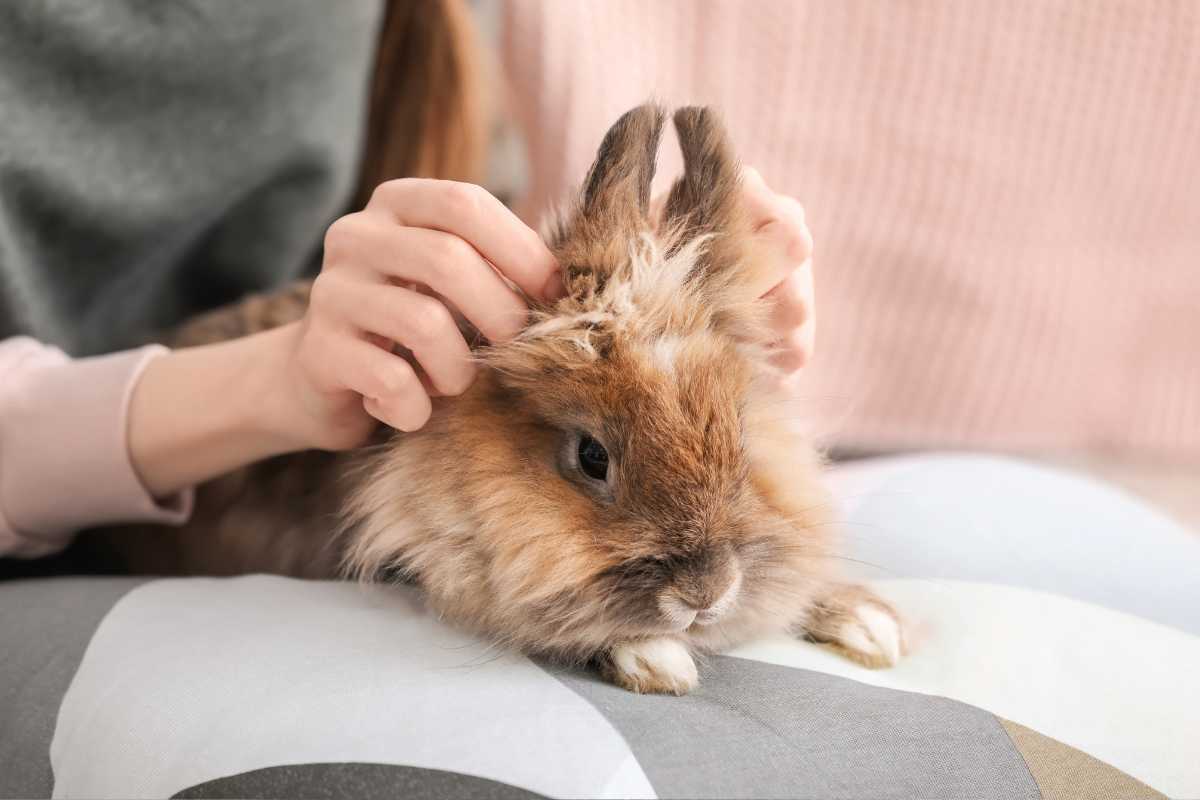
Rabbits are social animals and need regular interaction with their owners. Without enough socialization, rabbits can become lonely, bored, or even depressed.
What to Include:
Playtime: Spend time each day interacting with your rabbit. Whether it’s through gentle petting, hopping exercises, or even training, your rabbit needs consistent attention to stay happy.
Training: Rabbits are capable of learning commands and tricks, such as coming when called or using a litter box. Positive reinforcement with treats is the best way to encourage good behavior.
Bunny-proofing your home: If you allow your rabbit to roam freely, be sure to bunny-proof your home by removing dangerous items, such as wires, toxic plants, or small objects they might ingest.
7. Bunny-Proofing and Safety: Creating a Safe Environment

Rabbits are naturally curious creatures, and if given the opportunity, they will chew on just about anything. Bunny-proofing your home will keep them safe and prevent them from getting into dangerous situations.
What to Include:
Chew-proofing: Protect wires, furniture, and other valuables by covering them with chew-proof materials or plastic cord protectors.
Toxic plants: Keep toxic plants out of reach. Many common plants, such as lilies, tulips, and azaleas, are poisonous to rabbits.
Safe outdoor space: If you let your rabbit outdoors, make sure the area is securely fenced. You should also supervise them to prevent accidents.
Conclusion: Ensuring a Happy, Healthy Life for Your Rabbit

Caring for a rabbit requires commitment, but with the right supplies, your bunny will thrive in a healthy and happy environment.
Whether they are babies, young adults, or seniors, the key to a fulfilling life for your rabbit is proper nutrition, regular veterinary care, ample playtime, and a safe, comfortable space to call home.
By investing in quality supplies and creating an enriching environment, you’re not only providing for your rabbit’s basic needs but also fostering a loving, lasting bond. Happy bunny care!

Source: Sincerely, Cinnabun
Did you find this post useful or inspiring? Save THIS PIN to your Pets Board on Pinterest!

You may also like