
Pawsitively Perfect: Pet Sitting Tips for a Stress-Free Experience


Did you know that 60% of pets experience anxiety when their owners leave them behind?
Whether you’re pet-sitting for a friend or considering offering pet-sitting services, understanding how to keep your furry companions comfortable is essential.
Pet sitting can be a stressful time for animals, but with the right preparation and care, you can ensure a stress-free experience for both pets and their owners.
In this guide, we’ll explore essential pet sitting tips to create a nurturing environment that helps pets feel safe and loved when their owners are away.
1. Understanding Pet Anxiety and Behavior
What to Expect from Your Furry Friend

When sitting for a pet, it’s important to recognize the signs of anxiety. Many pets experience stress when their owners leave, manifesting in behaviors like:
Pacing and restlessness
Excessive barking or meowing
Loss of appetite
Chewing or destructive behavior
Understanding these signs helps you anticipate the pet’s needs and create a calm environment to ease their anxiety.
How to Ease Their Worries
Routine is Key: Stick to the pet's routine, from feeding times to walks and playtime. Consistency brings comfort.
Calming Products: Use products like calming collars, pet-safe essential oils, or even sound machines to drown out anxiety-inducing noises.
By acknowledging and managing these behaviors, you can create a stress-free environment that helps the pet feel secure.
2. Preparing for Pet Sitting Success
Gathering the Essentials

Before the pet-sitting session begins, make sure to gather all the necessary supplies. Here’s a list of items you should have on hand:
Food and water bowls
Pet’s favorite toys
A comfy bed or blanket
Leash or harness for walks
Litter box and cleaning supplies (for cats)
Pet-safe grooming tools
Emergency contact information for the pet owner
Communicating with the Pet Owner
It’s crucial to have a detailed conversation with the pet’s owner beforehand. Ensure you know:
Feeding schedule and portion sizes
Allergies or dietary restrictions
Medical needs, medications, or emergency procedures
Preferred playtimes or walk routines
Behavioral quirks (e.g., fear of loud noises, specific play habits)
This preparation will help you feel confident and allow you to offer the best care possible.
3. Creating a Safe and Engaging Environment
Building a Trusting Bond

Building trust with the pet is essential. Here’s how you can create a calm and welcoming atmosphere:
Approach gently: Allow the pet to come to you rather than forcing interaction.
Use calm, reassuring voice tones: Speak softly to avoid startling the animal.
Gradual introduction: Spend some time getting to know the pet before diving into activities.
Building trust takes time, so be patient and observant of their body language.
Interactive Play and Mental Stimulation
Engage with toys: Use toys that engage the pet’s mind and body. For dogs, consider puzzle toys or fetch. For cats, try laser pointers or interactive toys.
Mind the pet’s energy levels: If the pet is older or less energetic, keep activities calm and low-impact.
Provide affection and attention: While some pets enjoy independence, most will appreciate cuddles and companionship.
Creating a fun and engaging environment will help the pet remain content and mentally stimulated during their time alone.
4. Managing Feeding and Grooming
Feeding Tips
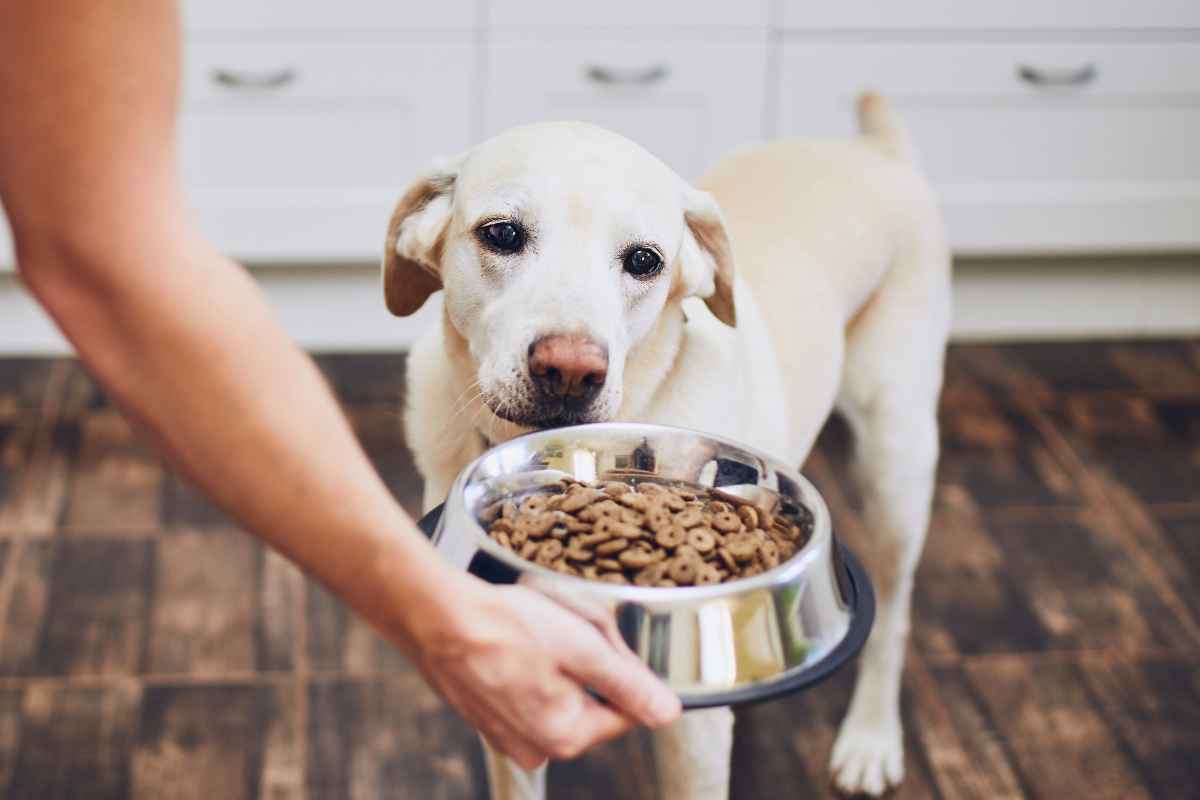
Follow the owner’s instructions carefully when it comes to feeding. If the pet is on a special diet, don’t deviate from the plan. Here are some tips for managing feeding:
Regular meals at scheduled times: Maintain the pet’s regular feeding schedule to avoid upsetting their stomach.
Monitor their food intake: If the pet is hesitant to eat, try offering smaller portions or different flavors.
Hydration is essential: Always provide fresh water, especially if the pet is active or has been playing a lot.
Grooming Practices
Brush regularly: Some pets may need daily brushing, especially long-haired breeds.
Bathing: If required, give the pet a bath using pet-friendly shampoos.
Check for health issues: Regular grooming is a great time to check for fleas, ticks, or any signs of skin irritation.
5. Safety First: Preparing for Emergencies
Know What to Do in Case of an Emergency
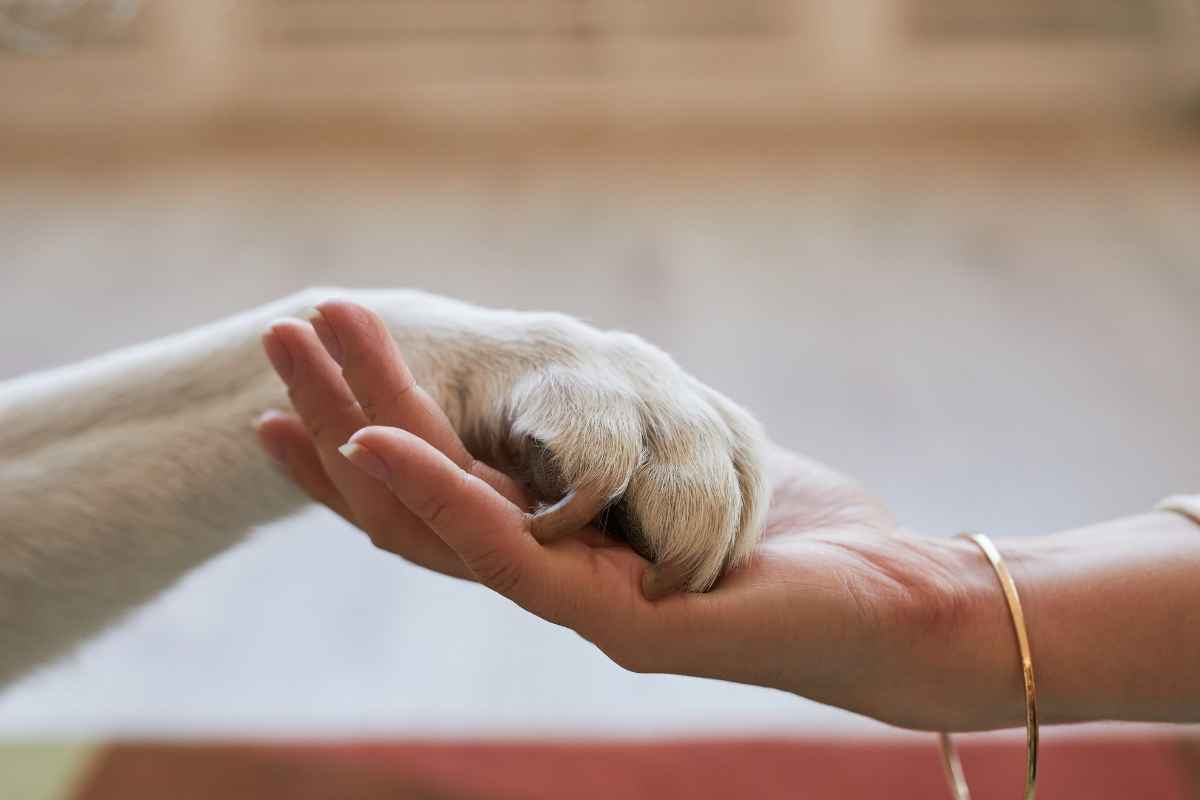
While we hope it never happens, it’s crucial to be prepared for emergencies:
Vet Information: Keep the contact details of the pet’s vet on hand, along with directions to the clinic.
Pet first-aid kit: Ensure you have a pet first-aid kit with basic supplies like bandages, antiseptic wipes, and gauze.
Emergency contacts: Have the pet owner’s contact details readily available in case you need immediate assistance.
Being prepared for emergencies ensures the safety and well-being of the pet under your care.
Signs of Illness or Distress
Look for subtle signs of illness, such as:
Loss of appetite
Excessive vomiting or diarrhea
Lethargy or weakness
Unusual breathing or coughing
If you notice any of these symptoms, don’t hesitate to reach out to the pet’s owner and seek medical advice if needed.
6. Making It a Stress-Free Experience for You Too
Taking Care of Yourself

Pet sitting can be rewarding but also tiring, especially when you're dealing with nervous pets or long hours. Make sure to:
Take breaks: Step away for a few minutes to recharge, especially if the pet is independent.
Stay organized: Keep track of schedules and routines to avoid any confusion.
Stay hydrated and energized: Bring snacks and drinks to keep your energy levels up.
Communication is Key
Frequent updates: Keep the pet owner updated with pictures or messages about how their pet is doing.
Be honest about challenges: If the pet is struggling, let the owner know what adjustments might help.
Maintaining communication ensures everyone feels comfortable and confident in the care the pet is receiving.
Conclusion: Ensuring a Pawsitively Perfect Pet Sitting Experience
Pet sitting doesn’t have to be a stressful experience. By being prepared, staying calm, and communicating effectively with the pet’s owner, you can ensure that the pet feels secure and loved while their owner is away.
The tips provided here will help you build a positive relationship with the pets in your care, making your pet-sitting experience enjoyable and stress-free for both you and the animal.
We hope you enjoy this video about Dogs

Source: Animal Wonders Montana
Did you find this post useful or inspiring? Save THIS PIN to your Pets Board on Pinterest!

You may also like