
Puppy Prep 101: Essential Tips for New Dog Parents


Welcoming a puppy into your life is an exciting experience. However, it comes with its own set of responsibilities and challenges. Proper preparation is key to ensuring a smooth transition for both you and your new furry friend.
This guide will cover the essential steps to help you prepare your home, your schedule, and your mind for the arrival of your new puppy.
1. Understanding the Commitment

The Time and Energy Commitment
Raising a puppy requires time and patience. Puppies need a lot of attention, especially during their first few months. They will require training, exercise, and mental stimulation to grow into well-behaved adult dogs.
Be prepared to invest several hours a day in bonding with your new pet, training, and providing them with playtime. This time commitment should not be underestimated.
Physical and Emotional Energy
Along with the time commitment, raising a puppy also demands physical and emotional energy. Puppies are full of energy, and their curiosity can lead them to chew, bite, and get into trouble.
It's essential to stay patient and resilient during their early months. Having a support system—whether it's family, friends, or a local dog trainer—can help you navigate those challenging moments.
2. Preparing Your Home for Your New Puppy

Puppy-Proofing Your Space
Before bringing your puppy home, you must ensure that your living space is safe and secure. Just like baby-proofing a nursery, you'll need to clear your home of any hazards that might be harmful to your new dog.
Remove sharp objects, secure electrical cords, and keep toxic substances out of reach.
Create a designated space for your puppy where they can feel safe and comfortable.
This can be a crate or a puppy pen that gives them their own little corner. This space can also help with potty training by giving them a consistent place to go.
Essential Puppy Supplies

There are several items you’ll need to properly care for your puppy. Here’s a quick list of essential supplies:
A comfortable bed: Puppies need a place to rest and recharge.
Collar and leash: You'll need these for walks and identification.
Food and water bowls: Choose easy-to-clean bowls that are appropriately sized for your puppy.
Puppy food: Consult your vet for recommendations on the best food for your puppy’s breed and age.
Toys: Provide safe and engaging toys to keep your puppy entertained and mentally stimulated.
Grooming tools: Brushing and bathing your puppy regularly is important for their hygiene and health.
Creating a Routine
Puppies thrive on routine, so establish a daily schedule for feeding, exercise, and potty breaks. Consistency is essential in helping your puppy feel settled and secure.
A routine also helps in preventing accidents and speeding up the house training process.
3. Financial Considerations

Budgeting for Your Puppy’s Care
Owning a dog involves an ongoing financial commitment. In addition to initial costs like purchasing supplies and paying for vaccinations, you’ll need to account for routine expenses such as food, vet visits, and pet insurance.
You might also incur unexpected costs, such as emergency medical care or training sessions.
It's essential to budget not only for the regular expenses but also for potential emergency situations. Consider investing in pet insurance to help offset unexpected veterinary costs.
4. Socialization and Training

Socializing Your Puppy
One of the most important things you can do for your puppy’s development is socialization. The early weeks of a puppy’s life are critical for forming positive associations with new experiences, people, and other animals.
Expose your puppy to various environments, sounds, and sights to help them grow into a confident and well-rounded dog.
Training Your Puppy
Puppy training can start as soon as you bring them home. It’s important to begin with basic commands like sit, stay, and come.
Puppy training helps set boundaries and establishes the rules of the household. Positive reinforcement is the key to success during this stage.
Enroll your puppy in a puppy kindergarten class or consider hiring a professional dog trainer to ensure they receive the proper guidance. Regular training sessions will foster a deeper bond between you and your puppy.
5. Mental and Physical Stimulation

Exercise Needs for a Happy Puppy
Puppies have boundless energy, and they need plenty of exercise to stay healthy and happy. Daily walks, playtime in the yard, and interactive toys will help burn off excess energy.
Make sure to adjust the intensity and duration of exercise based on your puppy’s age and breed.
Providing Mental Stimulation
Mental stimulation is just as important as physical activity. Use puzzle toys, training sessions, and interactive games to keep your puppy’s mind engaged.
This will help prevent boredom and destructive behaviors. Regular playtime also strengthens your bond with your puppy and fosters a sense of trust.
6. Veterinary Care and Health
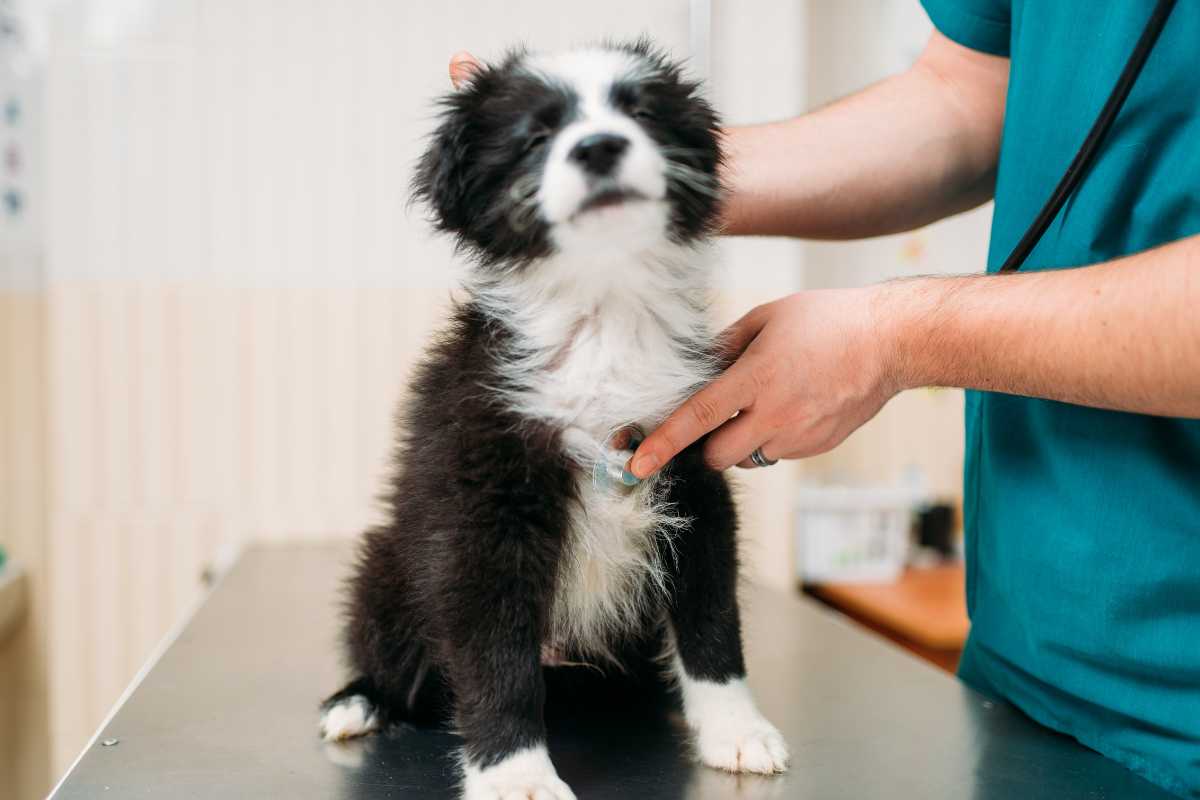
Choosing a Veterinarian
Before bringing your puppy home, research and choose a veterinarian who is experienced with puppies and offers a welcoming environment.
You’ll need to schedule an initial health check-up and vaccinations as soon as possible. Regular visits to the vet are essential for monitoring your puppy’s health, especially in the early stages.
Vaccinations and Preventive Care
Your puppy will need a series of vaccinations to protect them from common diseases. Your vet will provide a schedule of the necessary vaccinations and any other treatments your puppy may need.
It’s also important to start your puppy on a parasite prevention program for fleas, ticks, and worms.
7. Preparing for the First Night

Settling In
The first night in a new home can be overwhelming for a puppy. It’s common for them to feel anxious or scared. To help them adjust, consider keeping them in a crate near your bedroom for the first few nights.
This will provide them with comfort and reassurance while they get used to their new surroundings.
Keep in mind that your puppy may cry or whine during the first few nights. This is normal, but consistency and comfort will help them settle in faster.
Patience is Key
Remember, bringing a new puppy into your home requires patience and understanding. Every puppy is different, and some may adjust more quickly than others.
Celebrate the small victories, like successful potty training or following basic commands, and always provide lots of praise and encouragement.
Conclusion

Welcoming a new puppy into your life is an exciting adventure, but it requires careful preparation and commitment.
By following these essential tips—setting up your home, budgeting for care, and investing time in training and socialization—you will ensure that both you and your puppy have the best possible start.
With the right preparation and mindset, your new puppy will grow into a happy, healthy, and well-behaved member of your family.
Enjoy The Video About Dogs

Source: Doctor Mike
Did you find this post useful or inspiring? Save THIS PIN to your Pets Board on Pinterest!

You may also like