
Purrr-fectly Happy: How to Tell if Your Cat is Content and Satisfied


Cats are complex creatures with their own unique ways of expressing emotions, but how can you tell if your feline companion is truly content?
Understanding the signs of a happy and satisfied cat goes beyond just observing their behavior.
It’s about recognizing the subtle cues that indicate your cat feels safe, secure, and loved. Here are some important signs to look for.
Purring: The Classic Sign of Contentment
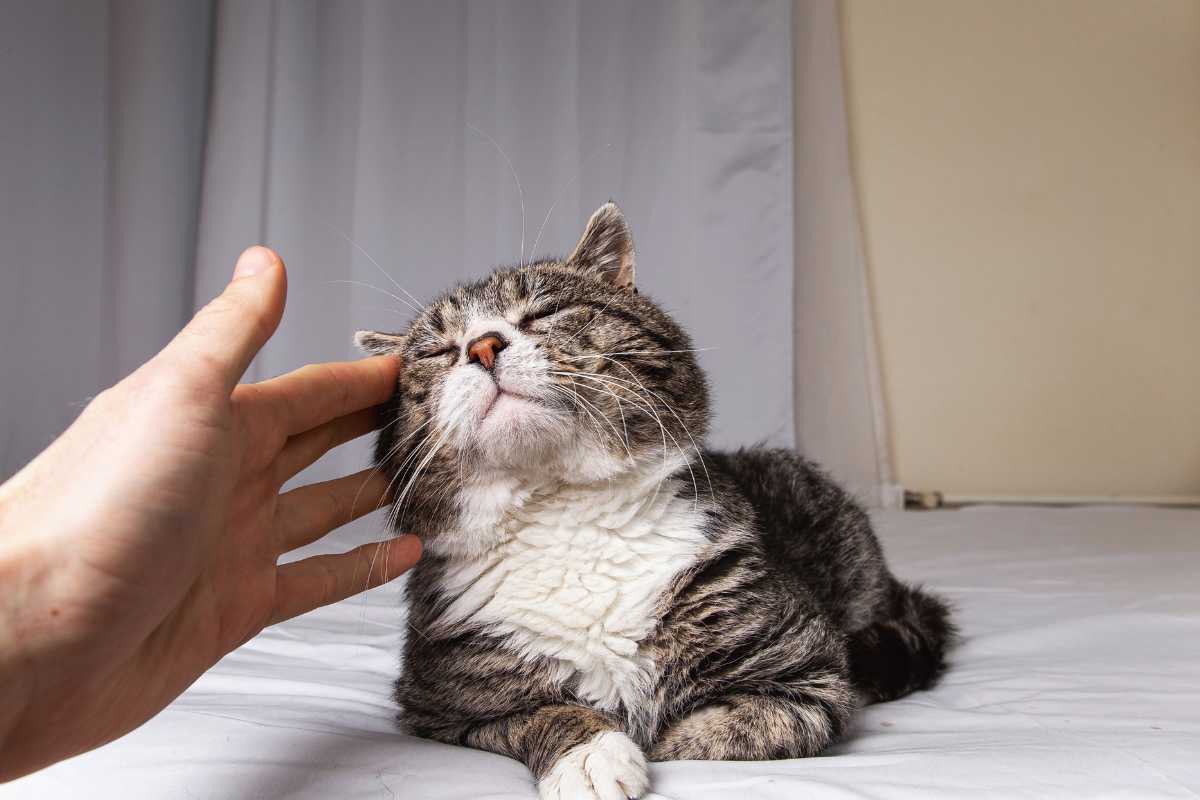
Purring is often considered the quintessential sign of a happy cat. But did you know that not all purring indicates contentment?
While a relaxed purr usually signals a cat’s happiness, cats also purr when they’re anxious or in pain. So, how can you tell if the purring is genuine?
Look for a relaxed body posture, wide eyes, and gentle breathing. When your cat curls up in a warm spot and purrs while rubbing against your legs, they are likely expressing their affection and satisfaction.
Kneading: A Throwback to Kittenhood
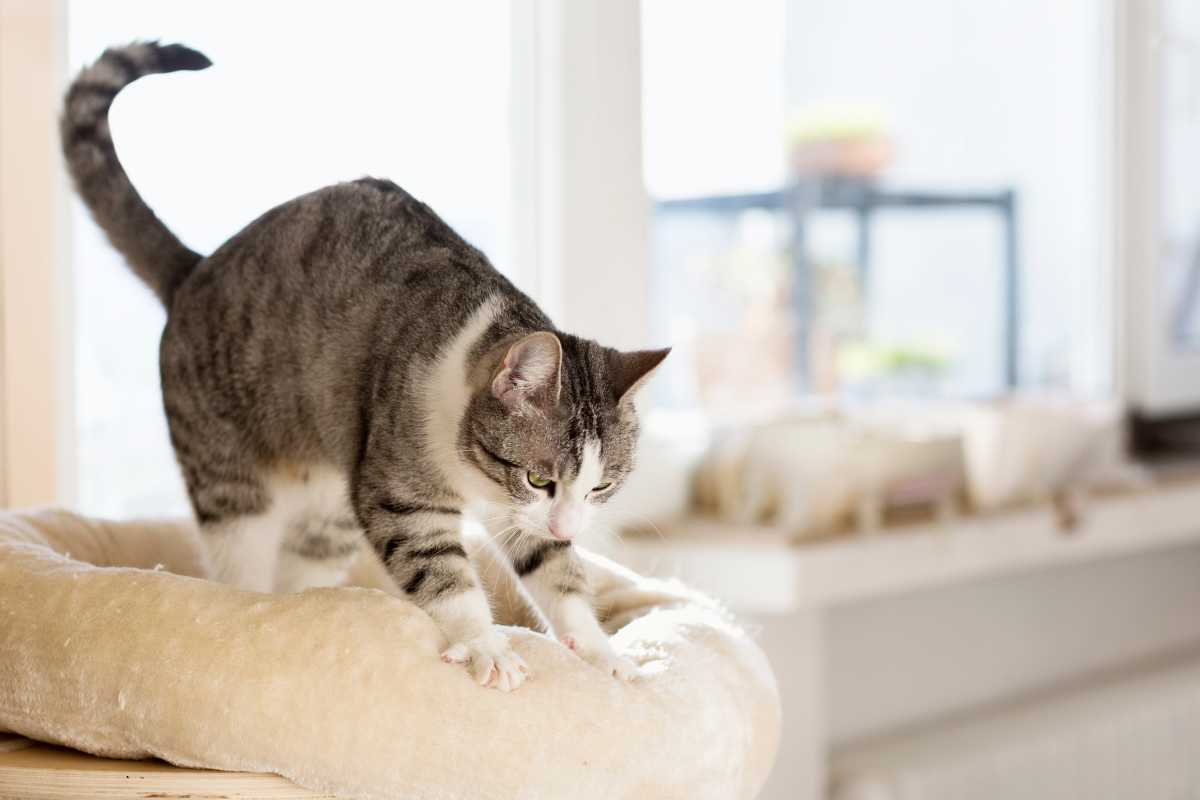
One of the most endearing behaviors a cat can display is kneading, where they push their paws in and out against soft surfaces like your lap or a blanket. This behavior, known as "making biscuits," is a sign of comfort and affection.
Kittens knead their mother's belly to stimulate milk production, and adult cats retain this behavior when they feel safe and content.
If your cat kneads you, it’s a clear sign they trust you completely. They are seeking comfort and expressing that they feel secure in your presence.
Tail Position: Understanding Your Cat's Emotions
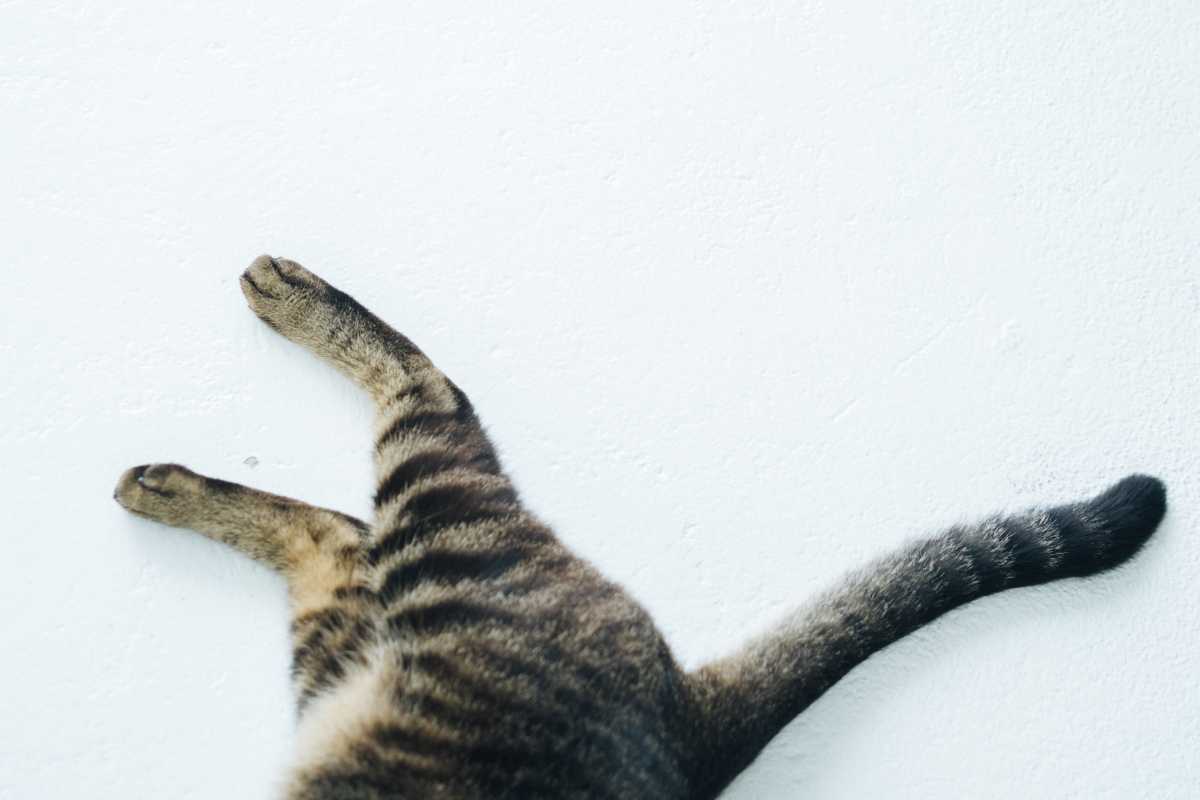
A cat's tail is a powerful indicator of its mood. The tail position can tell you a lot about how your cat is feeling. For instance:
A high tail with a slight curve at the top indicates a confident, happy cat.
A tail straight up (especially with a little quiver) signifies excitement or joy.
A relaxed, neutral tail means your cat is content but not overly stimulated.
A fluffy tail indicates fear or irritation, while a tucked tail shows anxiety or submission.
Observing your cat’s tail can provide insights into their emotional state, helping you better understand their feelings.
Playfulness: A Sign of Well-being
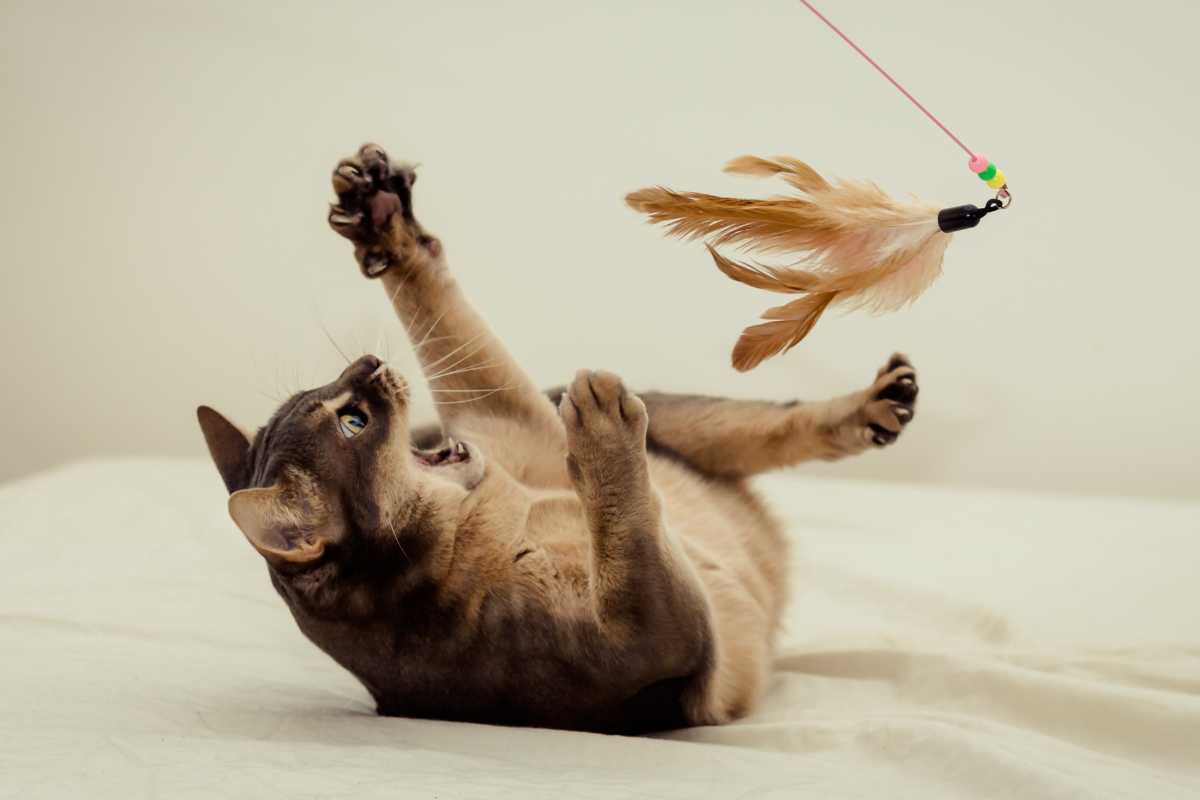
Cats that are happy and content are often more playful. A cat that is comfortable in their environment will engage in interactive play with you, chase toys, or even play alone.
If your cat enjoys pouncing, jumping, or running around with their tail straight up, they are feeling energetic and content.
Play is a great way to keep your cat mentally and physically healthy. When your cat initiates play, it shows that they are confident in their surroundings and enjoy the interaction.
Slow Blinking: The "Cat Kiss"
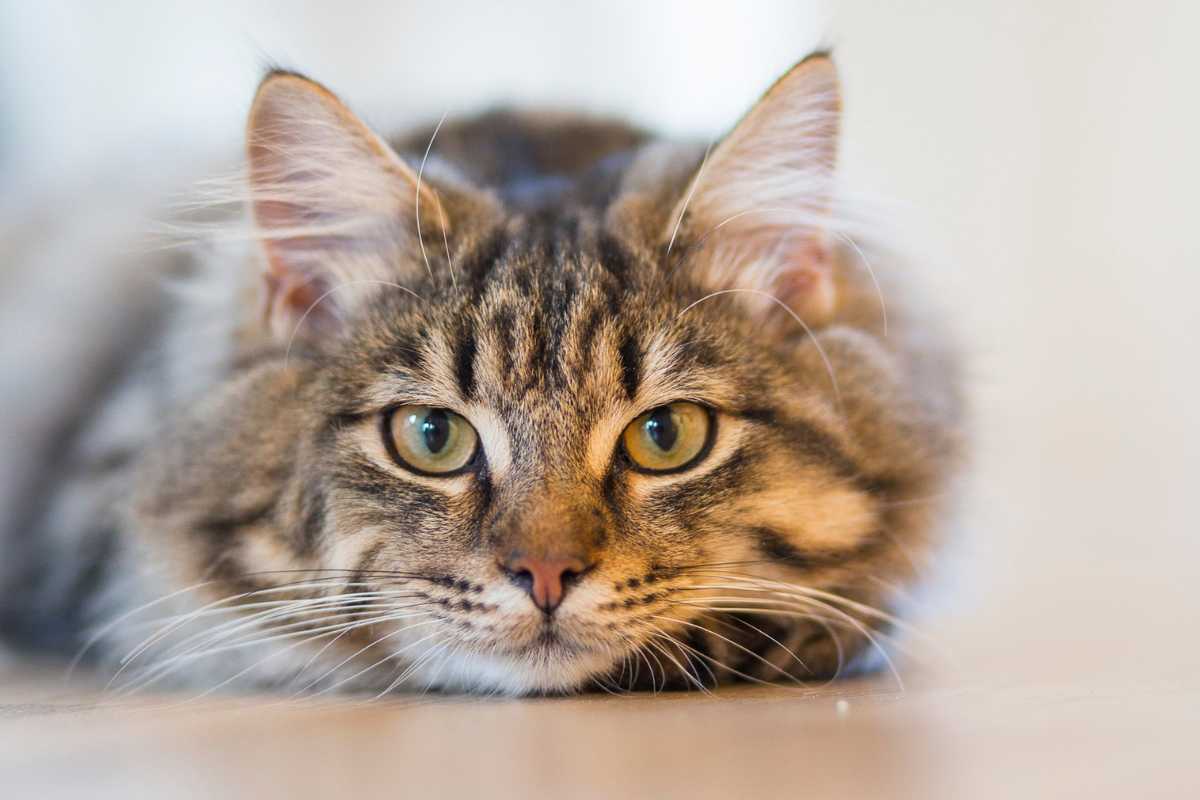
If you've ever looked at your cat and noticed them slowly closing their eyes, you're witnessing a sign of affection.
Cats use slow blinking to communicate trust and comfort, much like humans might smile at someone they like.
If your cat looks at you and slowly blinks, return the gesture by slowly blinking back. This simple action can strengthen the bond between you and your feline friend. Cats that trust you will offer this gesture as a sign of contentment.
Grooming: Cats Who Care About Themselves Are Happy Cats
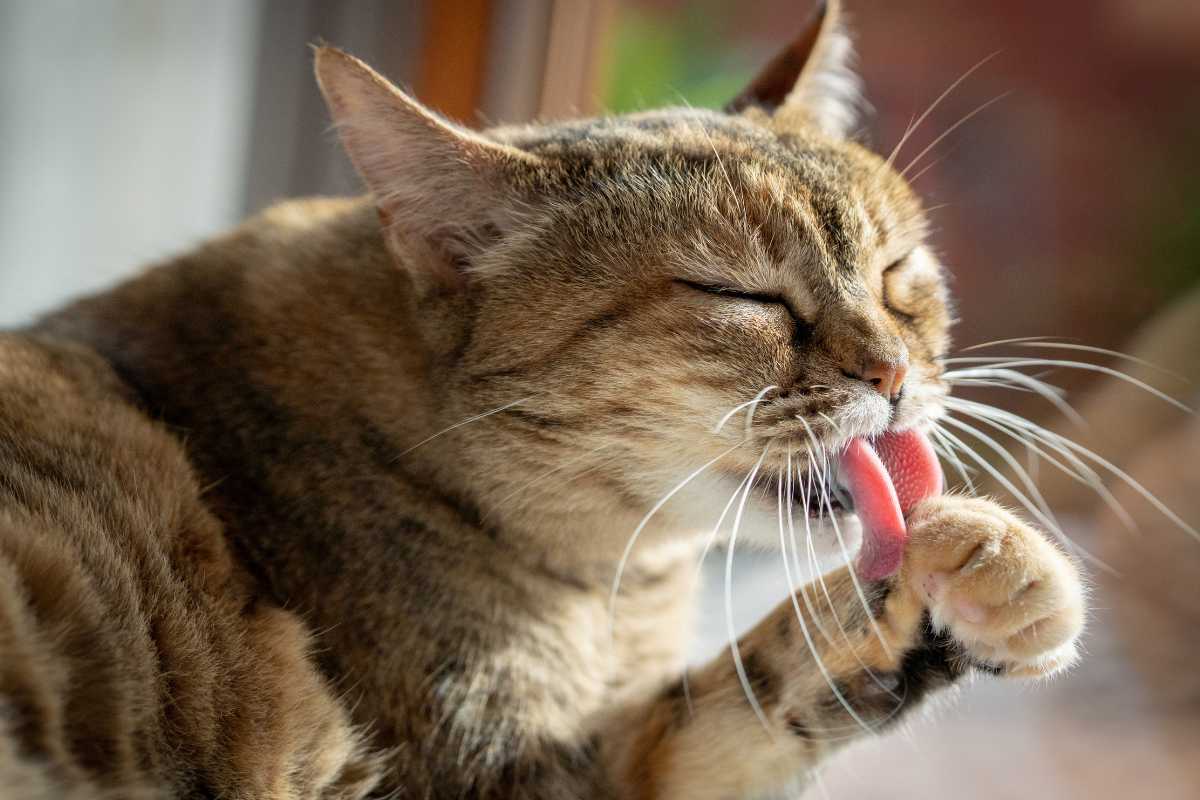
Regular grooming is another indicator that your cat is feeling content. Cats are naturally clean animals, and they spend a significant amount of time grooming themselves.
A well-groomed cat is likely a cat that is feeling comfortable and secure.
If your cat’s grooming is excessive, however, it could be a sign of stress or anxiety. Keep an eye on the frequency of grooming; occasional licking or washing is normal, but excessive grooming might require further attention from a veterinarian.
Eating and Drinking Habits
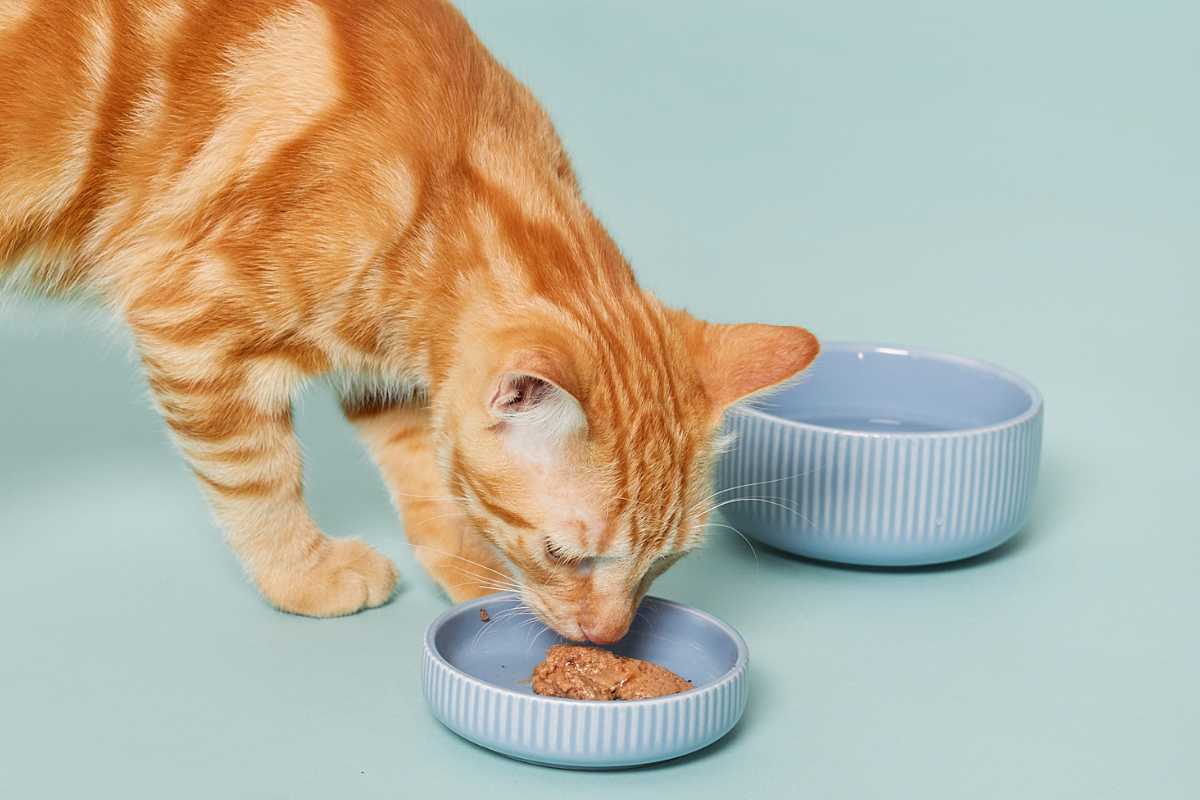
A cat that is content and satisfied will show healthy eating and drinking habits. When your cat is nourished and happy, they will eat regularly and show interest in their meals.
A loss of appetite or a sudden change in eating habits may indicate that something is wrong, whether it's stress, illness, or dissatisfaction with their environment.
It’s also important to monitor how much water your cat drinks. Dehydration can be a sign of underlying health issues, so it’s crucial to keep their water bowl full and ensure they are drinking enough.
Comfortable Sleeping Positions
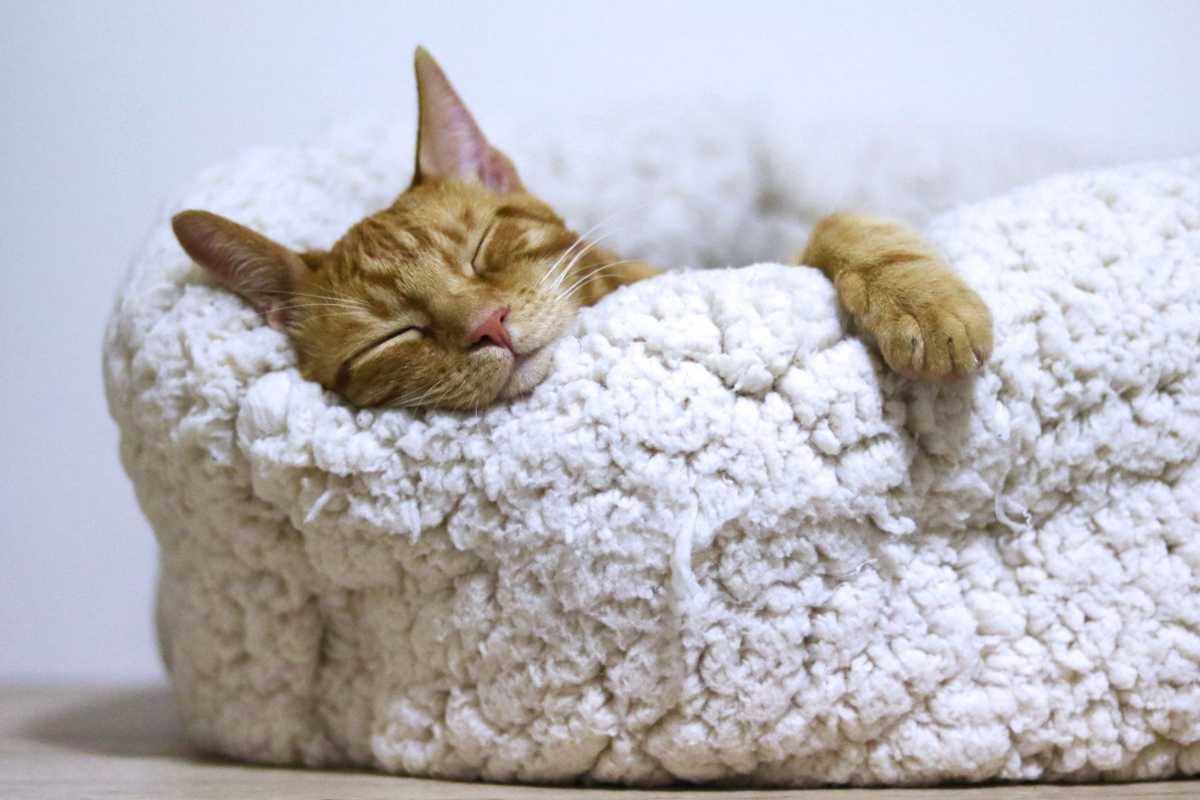
Cats sleep a lot—an average of 12-16 hours a day. How and where your cat sleeps can give you clues about their level of contentment.
If your cat sleeps in a curled-up position or in a loose, sprawled-out posture, it suggests they are feeling safe and comfortable in their environment.
A cat that sleeps in open spaces or in hidden spots could be indicating a higher need for security. However, both types of sleeping arrangements can be normal, depending on your cat's personality.
Socializing: Enjoying Company
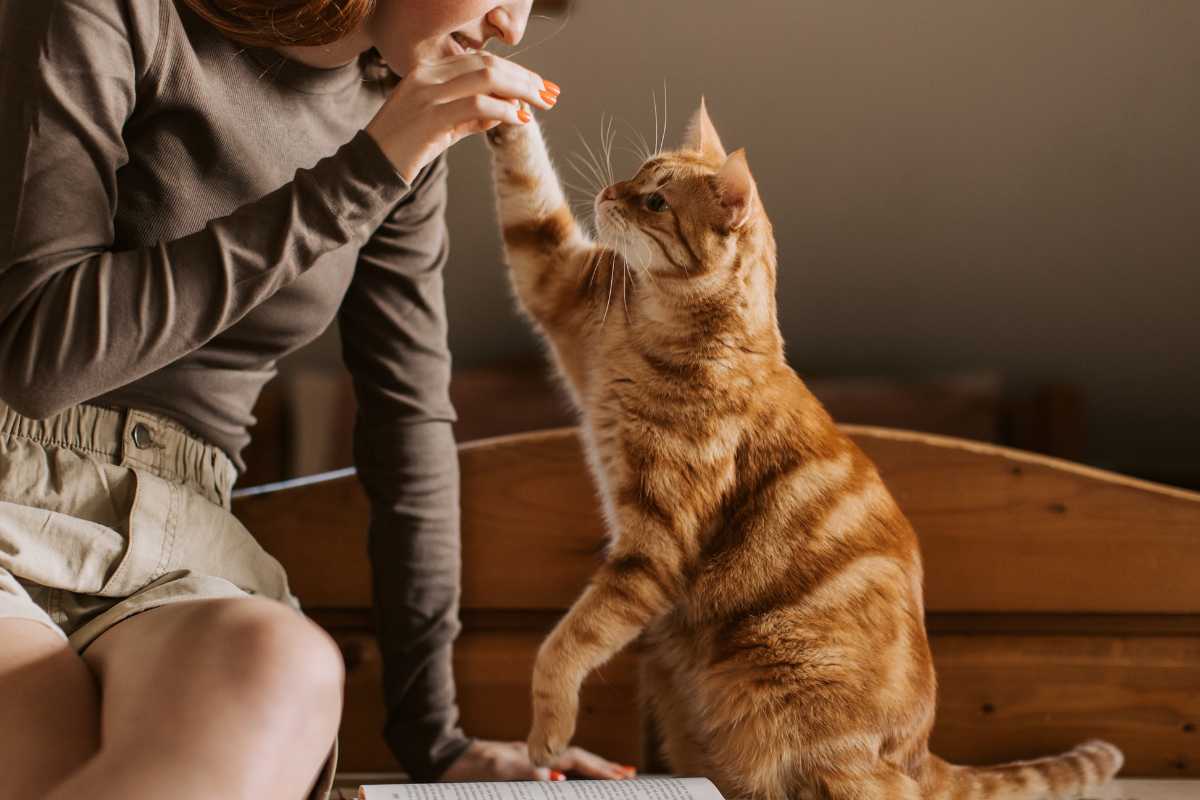
A cat that is content will often seek out human interaction. If your cat approaches you for attention, rubs against your legs, or follows you from room to room, it’s a sign that they feel bonded to you and enjoy your company.
Some cats may be more independent than others, but even the most aloof feline will usually seek out a little affection from time to time.
If your cat is comfortable letting you pet them or sitting on your lap, they are showing that they are secure in their relationship with you.
Marking Their Territory: A Sign of Ownership
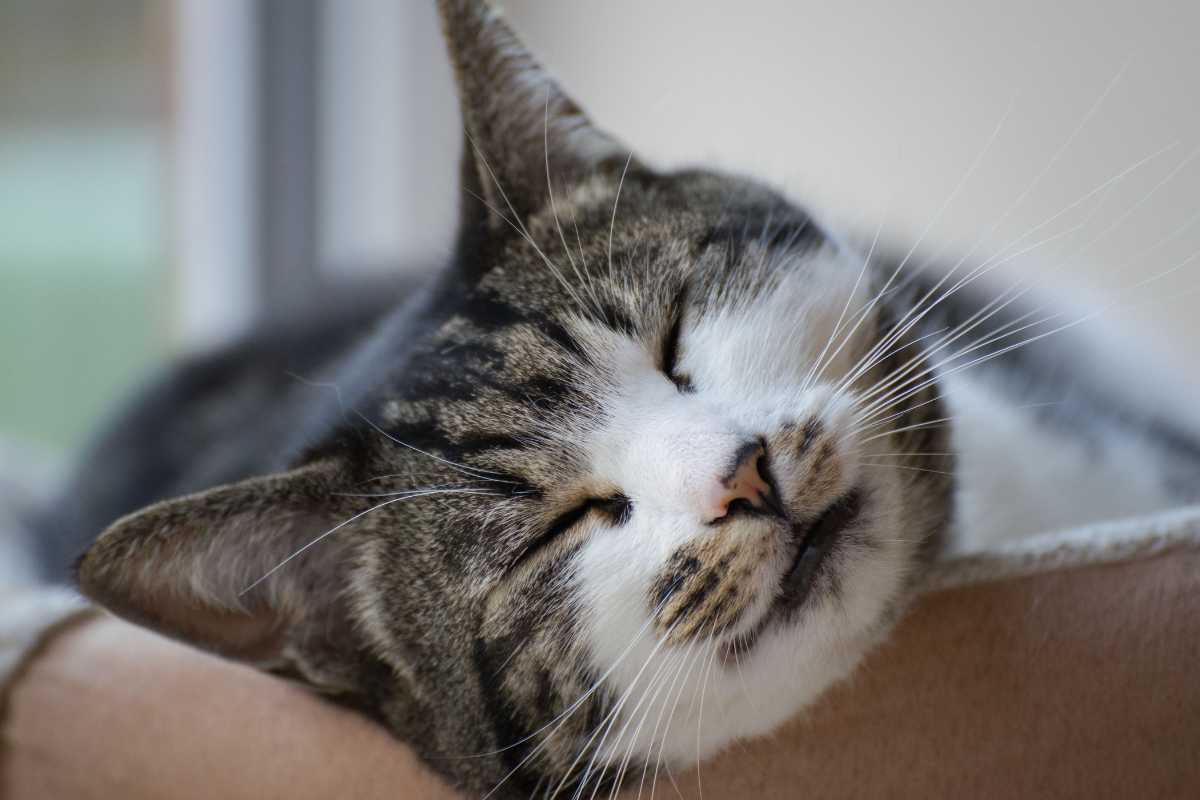
Cats often mark their territory by rubbing their face against furniture, walls, or even you.
This is a behavior called bunting, where cats release scent glands located around their face to mark their space as “theirs.” If your cat is doing this, it’s a sign that they are feeling safe and secure in their environment.
When your cat marks you, it’s a sign of trust and affection. They’re essentially saying, “You are mine,” which is a sweet sentiment in the feline world.
Listening to Their Body Language
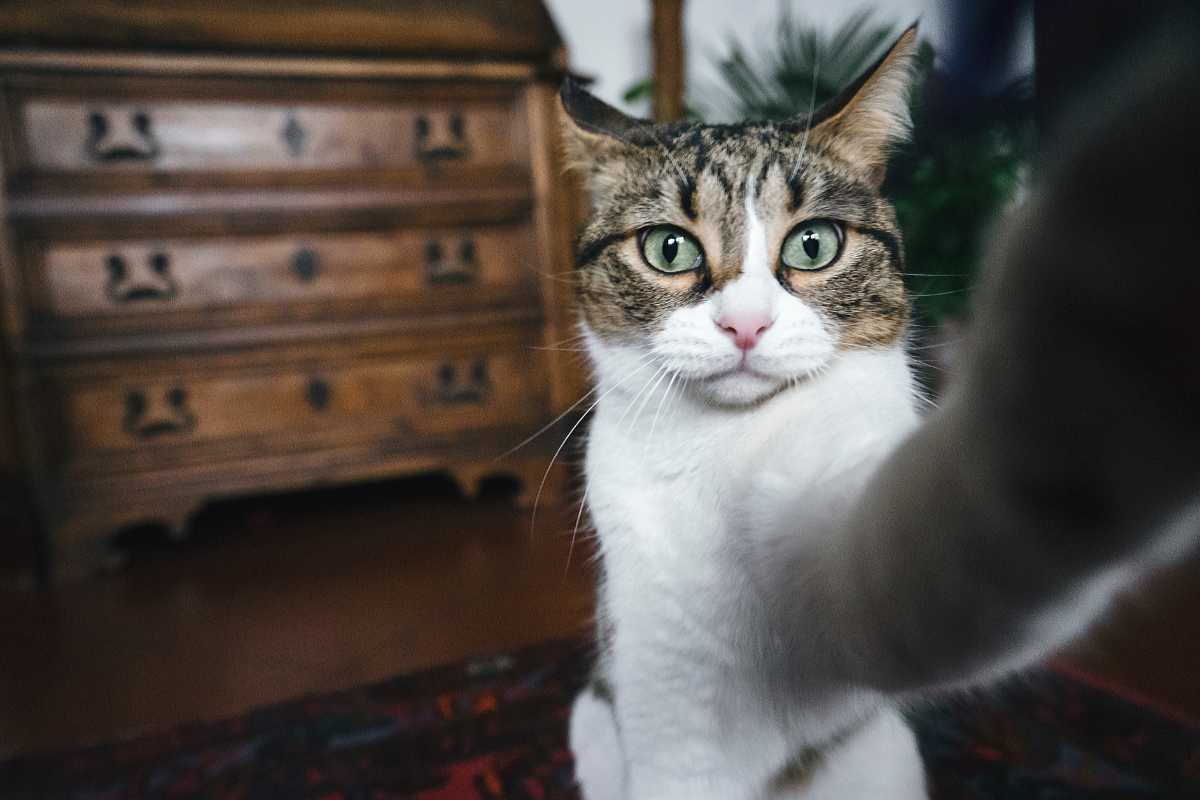
A cat's body language often says more than words ever could. A happy, content cat will have relaxed ears, calm breathing, and soft paws. If their body is tense or they seem skittish, it could be a sign that they’re stressed or anxious.
By paying attention to the way your cat holds themselves, you can get a better understanding of their emotional state.
Relaxed cats show that they are at ease in their environment, while tense cats may need extra care and reassurance.
Conclusion: A Happy Cat is a Healthy Cat

In conclusion, recognizing the signs that your cat is content and satisfied can strengthen the bond you share with your feline companion.
A happy cat is likely to show relaxed body language, enjoy play, seek out human interaction, and exhibit healthy eating and grooming habits.
By keeping a close eye on these behaviors, you can ensure that your cat is living a life full of joy and comfort.
If you notice changes in these behaviors, it might be time to visit the vet to rule out any underlying health issues.
A cat’s happiness is essential for their well-being, so pay attention to the small signs—they speak volumes about how your cat is feeling.
Enjoy The Video About Cats

Source: MB vids
Did you find this post useful or inspiring? Save THIS PIN to your Pets Board on Pinterest!

You may also like