
Rabbit 101: Rabbit Care Guide for Beginners


Rabbits are intelligent and social animals that can live up to 12 years or more with proper care.
However, many new rabbit owners are unaware of the specific needs these charming creatures have.
This guide will walk you through everything you need to know to ensure your rabbit lives a healthy and happy life.
Creating the Perfect Home for Your Rabbit

A comfortable living environment is essential for your rabbit's well-being. Whether you're providing a spacious cage or letting your rabbit roam free, the right setup is key.
Indoor vs. Outdoor Living
Rabbits should always live indoors to protect them from predators, extreme temperatures, and other environmental dangers. Their living space should be safe, clean, and free of hazards.
Space Requirements
Rabbits need a spacious area to move around, exercise, and explore. Ideally, a rabbit's living area should be at least 8 square feet for a single rabbit.
For more freedom, consider providing an enclosure that allows them to hop and stretch comfortably. You can also create a "bunny-proofed" room where your rabbit can roam freely.
Choosing the Right Cage or Enclosure
Make sure your rabbit's cage has a solid floor to prevent injuries.
Avoid wire-bottom cages, as they can cause painful sores on your rabbit's feet. Provide plenty of space for your rabbit to move around, and include a cozy area for resting.
Temperature Control
Rabbits thrive in moderate temperatures, ideally between 15°C (59°F) and 21°C (69.8°F). Avoid placing their cage in direct sunlight or near drafty areas, and ensure the room is well-ventilated.
Feeding Your Rabbit: A Balanced Diet for Health

A rabbit’s diet is crucial to its health. Providing the right food will ensure your rabbit remains healthy, energetic, and happy.
The Importance of Hay
Hay should make up the majority of your rabbit's diet.
Timothy hay is the most commonly recommended, but other types, such as meadow hay, are also suitable. Hay provides essential fiber, which helps with digestion and prevents obesity.
Vegetables and Greens
In addition to hay, rabbits need fresh vegetables daily.
Offer leafy greens like romaine lettuce, cilantro, dandelion greens, and parsley. Avoid iceberg lettuce, as it contains little nutritional value. Introduce vegetables gradually to avoid stomach upset.
Pellets: What You Need to Know

Pellets are a convenient way to supplement your rabbit’s diet, but they should not be the main food source.
Choose high-quality pellets that are high in fiber and free from seeds or artificial additives. Stick to a small portion based on your rabbit’s weight.
Fresh Water
Always provide your rabbit with clean, fresh water. A water bottle with a metal spout is often preferred, as it keeps the water cleaner, but a shallow bowl can work as well. Change the water daily.
Foods to Avoid
There are several foods you should never feed your rabbit, including:
Iceberg lettuce (low in nutrients)
Cabbage (can cause gas)
Chocolate, sugary treats, or processed foods
Rabbit Hygiene: Keeping Your Bunny Clean

Maintaining good hygiene is essential for your rabbit’s health and comfort. This includes regular grooming, as well as keeping their living area clean.
Grooming Your Rabbit
Rabbits are generally good at grooming themselves, but they need your help, especially for long-haired breeds.
Brush your rabbit regularly to prevent matting and reduce the risk of hairballs. During shedding season, daily grooming is essential.
Litter Training
Rabbits are clean animals and can be easily litter trained.
Place a litter box in the corner of their enclosure, and use rabbit-safe litter, such as paper-based or wood-based pellets. Avoid using clumping cat litter, as it can be harmful if ingested.
Bathing Your Rabbit
Rabbits do not need regular baths, as they are naturally clean animals.
Bathing can be stressful and potentially harmful to their skin. Instead, focus on keeping their living area tidy and regularly brushing them.
Socializing and Stimulating Your Rabbit

Rabbits are highly social creatures and need regular interaction to stay mentally and emotionally healthy. Without proper socialization, they can become lonely and even depressed.
Bunny Bonding: Should You Have More Than One?
Rabbits are social animals that benefit from the companionship of other rabbits.
Having a second rabbit can reduce loneliness and encourage exercise. However, it’s essential to introduce new rabbits gradually to avoid territorial behavior.
Play and Enrichment
Provide your rabbit with toys to keep them mentally stimulated.
Toys made of untreated wood, cardboard, or hay are great for chewing. You can also create tunnels or hide treats for them to find, mimicking natural behaviors.
Health and Well-being: Preventive Care
Keeping your rabbit healthy involves regular vet check-ups, vaccinations, and preventive care.
Regular Veterinary Visits
Rabbits need to see a veterinarian at least once a year for a check-up.
Regular vet visits help monitor their health, detect any issues early, and provide necessary vaccinations, such as for rabbit hemorrhagic disease and myxomatosis.
Spaying/Neutering
Spaying or neutering your rabbit is highly recommended to prevent unwanted litters, reduce aggressive behavior, and improve their overall health. Consult with your vet about the right time to spay or neuter.
Signs of Illness

Rabbits are excellent at hiding signs of illness, so it’s essential to keep an eye on their behavior. Common signs of illness include:
Loss of appetite
Lethargy
Runny nose or eyes
Diarrhea or constipation
If you notice any of these symptoms, consult your veterinarian immediately.
Conclusion: Your Rabbit’s Happy and Healthy Life
Caring for a rabbit requires time, dedication, and proper knowledge.
By providing the right diet, environment, socialization, and medical care, you can ensure your rabbit lives a long, healthy, and happy life.
If you're ready to welcome a rabbit into your home, take the first step by preparing their environment and learning about their needs. Your rabbit will be forever grateful for the love and care you give them.
We hope you enjoy this video about Rabbits
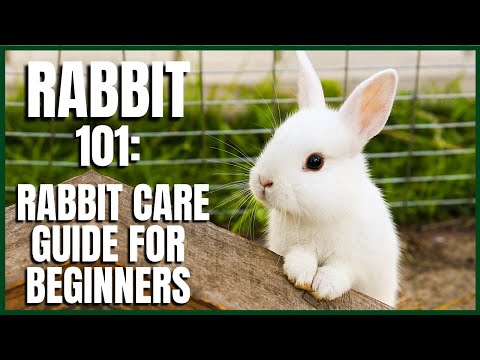
Source: Pets Life
Did you find this post useful or inspiring? Save THIS PIN to your Pets Board on Pinterest!

You may also like