
Rabbit life Hacks that will Make your Routine Easier


Taking care of a rabbit requires patience, consistency, and a few helpful tricks. Whether you're a new rabbit owner or have had rabbits for years, you'll appreciate these practical rabbit life hacks that make your daily routine easier and more enjoyable.
From feeding to grooming, and even creating a cozy environment, these tips will ensure your rabbit thrives in its home.
1. Create a Comfortable Space for Your Rabbit
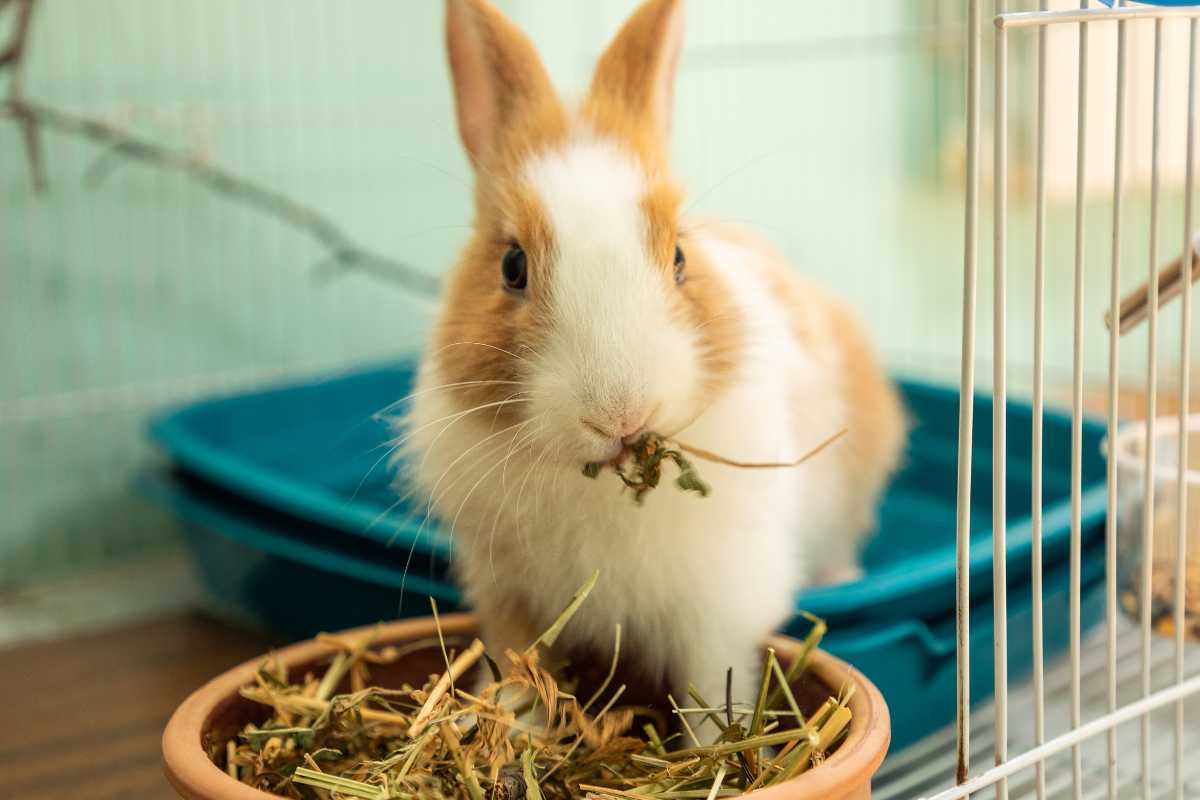
Proper Housing: Essential for a Happy Bunny
Rabbits spend most of their time in their enclosures, so creating a comfortable space is essential for their happiness.
Instead of using a traditional wire cage, opt for a larger, more spacious pen or enclosure that allows your rabbit to hop around freely.
Make sure the space is safe, well-ventilated, and provides enough room for your bunny to stretch out and move comfortably.
You can create a bunny-proofed area where your rabbit can explore safely. Adding soft bedding like hay or shredded paper provides comfort and warmth.
Avoid using wood shavings or clumping litter, as they can irritate your rabbit’s respiratory system.
Hideaway Spaces for Privacy
Rabbits need their privacy, so create hideaway spots within their enclosure. A simple cardboard box, a small pet tent, or a rabbit house can serve as a safe retreat where your bunny can hide and relax when feeling overwhelmed.
2. Choose the Right Diet for Your Rabbit
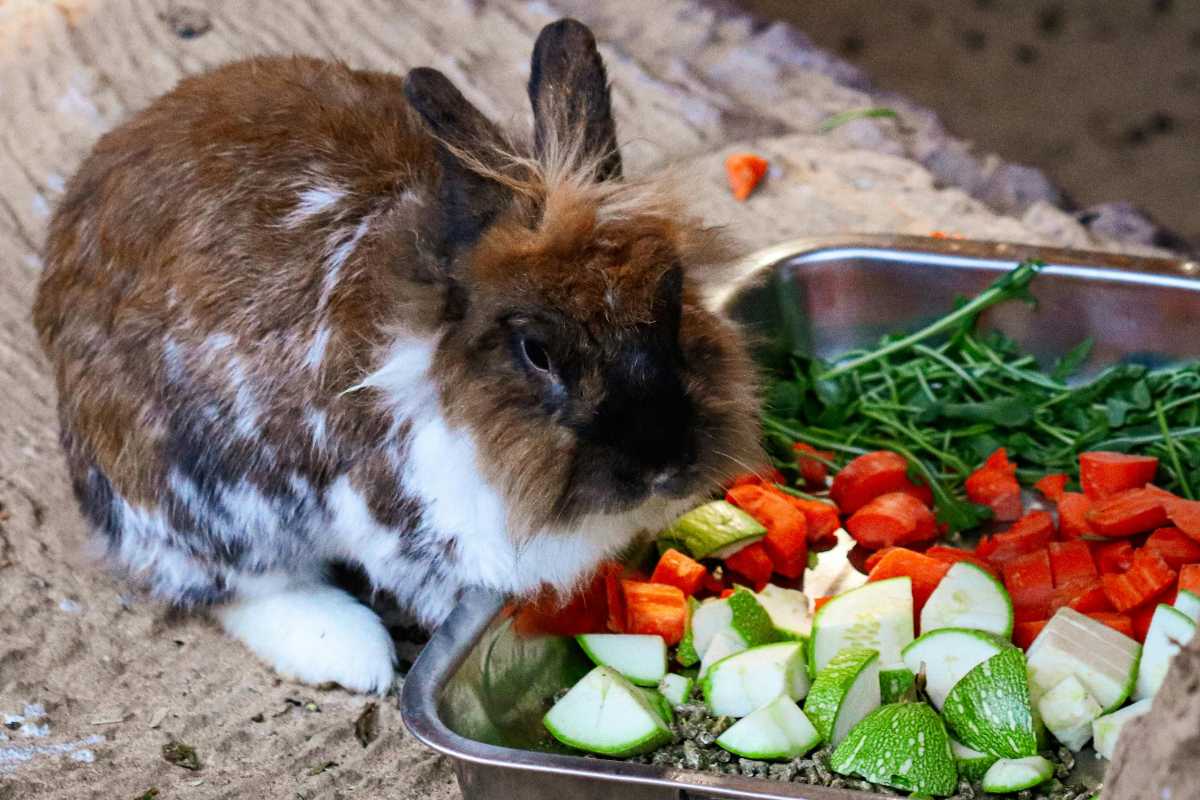
The Importance of Fresh Hay and Veggies
A balanced diet is crucial for your rabbit’s health. Hay should make up the majority of your rabbit’s diet. Provide unlimited fresh hay every day to promote good digestion and prevent obesity.
In addition, introduce a variety of fresh vegetables like spinach, lettuce, and carrots for added nutrients. But always remember, not all vegetables are safe for rabbits—avoid iceberg lettuce and onions.
For treats, fruit can be offered sparingly. Apple slices, berries, and banana pieces are a great occasional reward, but remember to feed them in moderation to avoid upsetting your rabbit’s stomach.
Water is Key
Ensure your rabbit always has access to fresh, clean water. You can provide water in a bottle or a bowl, but the key is to keep it clean and fresh.
Rabbits tend to spill their water, so if you use a bowl, make sure it’s heavy enough to avoid tipping over.
3. Keep Your Rabbit's Environment Clean and Odor-Free

Regular Litter Box Maintenance
Rabbits are naturally litter trainable, and maintaining a clean litter box is essential for your rabbit’s health. Change the litter at least every other day and clean the litter box thoroughly to prevent any odor buildup.
Use safe, non-clumping litter, such as paper-based or wood pellets. You can also sprinkle a little bit of baking soda at the bottom to absorb odors naturally.
Bunny-Proof Your Home
Rabbits love to chew on things, so be sure to bunny-proof your home. This means keeping electrical cords, wires, and other hazardous items out of their reach.
Use pet-safe materials or hide wires behind furniture to keep them safe.
Cleaning Tip: Avoid Chemical Cleaners
Always use non-toxic, natural cleaners when cleaning your rabbit's area. Harsh chemicals can harm their respiratory system and cause skin irritation.
Vinegar and water can be an effective and safe cleaning solution for surfaces and litter boxes.
4. Grooming Your Rabbit Made Easy
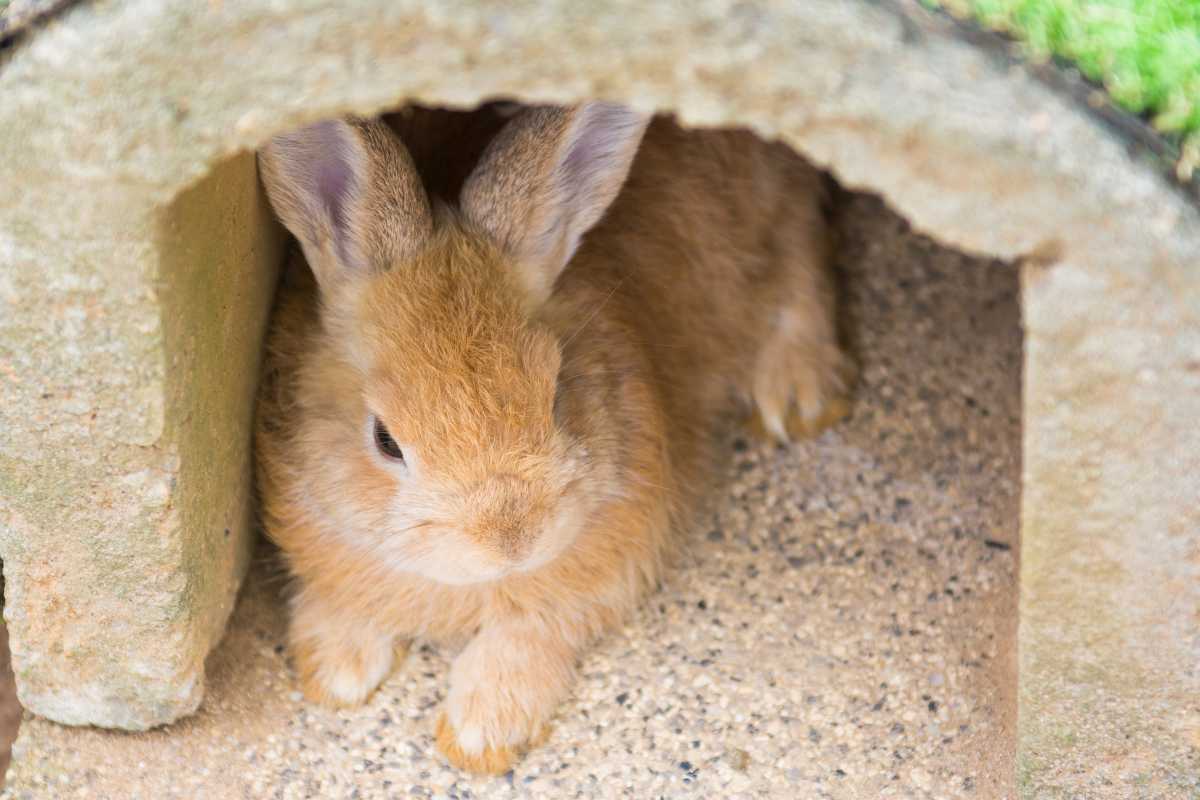
Brushing: Preventing Hairballs and Mats
Rabbits shed quite a bit, and regular brushing is essential for preventing hairballs and mats. Use a soft brush or a rabbit grooming comb to gently remove excess fur.
Long-haired rabbits need daily brushing to avoid matting, while short-haired rabbits can be brushed once or twice a week.
Nail Trimming: Keep It Safe
Rabbits’ nails grow quickly and need regular trimming. Trim your rabbit’s nails every 4–6 weeks to avoid overgrowth. If you're unsure how to trim them, it's best to have your vet show you how.
Use a small animal nail trimmer and be careful not to cut into the quick (the blood vessel inside the nail).
Ear and Eye Care
While rabbits are generally low-maintenance in terms of grooming, it’s important to regularly check their ears and eyes for any signs of irritation or infection.
Clean their ears gently with a soft, damp cloth if needed. If you notice any discharge or excessive wax, consult a vet to ensure your bunny is healthy.
5. Create Enrichment to Stimulate Your Rabbit's Mind

Interactive Toys: Keep Your Bunny Busy
Rabbits are intelligent animals that need mental stimulation to stay happy. Use interactive toys like puzzle feeders, chew toys, and tunnels to encourage your bunny to exercise and explore.
Cardboard boxes, toilet paper rolls, and hay racks can be simple yet effective toys that allow your rabbit to satisfy their natural instincts.
Bunny Dates: Socializing with Your Rabbit
Rabbits are social creatures and enjoy companionship. Spending quality time with your rabbit every day is essential for its well-being.
Whether you’re just petting your bunny, allowing them to hop around the living room, or engaging in gentle play, it helps create a bond and keeps them emotionally healthy.
If you have multiple rabbits, pair bonding is essential. Introduce new rabbits slowly and under supervision to avoid territorial behavior or fighting. Always have a neutral space for introductions.
6. Rabbit Health: Keep an Eye on Their Well-Being

Vet Checkups: Essential for a Healthy Bunny
Regular vet visits are key to ensuring your rabbit is in good health. Rabbits are susceptible to certain health conditions, such as dental problems, GI stasis, and respiratory issues.
Schedule an annual checkup with a vet who specializes in rabbits to keep track of their health.
Signs of Illness: What to Look For
It’s important to keep an eye on your rabbit's behavior for any signs of illness.
A loss of appetite, lethargy, or changes in their droppings can be indicators that something is wrong. If you notice any unusual symptoms, seek veterinary care immediately.
Spaying and Neutering: Why It’s Important
Spaying and neutering your rabbit not only helps control the rabbit population but can also improve their overall health and behavior.
Spayed female rabbits are less prone to uterine cancer, while neutered males tend to be less aggressive and territorial.
7. Make Your Routine Easier with These Life Hacks

Hack #1: Set Up a Routine for Feeding and Cleaning
Rabbits thrive on routine, so having a consistent feeding and cleaning schedule is important. Feed them at the same time every day, and clean their litter box and living area regularly to keep their environment fresh.
Hack #2: Simplify Playtime with DIY Toys
Create simple toys at home using household items like cardboard or wooden dowels. This saves you money and provides your rabbit with hours of entertainment.
Just make sure to avoid any toxic materials or small parts that could be swallowed.
Hack #3: Use Hay Racks to Reduce Waste
Invest in a hay rack or dispenser to keep hay fresh and off the floor. This will reduce the mess and make it easier for your rabbit to access hay without it getting soiled.
Conclusion: A Happier, Healthier Rabbit Awaits

By implementing these rabbit life hacks, you can make your daily routine easier while ensuring your rabbit enjoys a happy and healthy life.
From creating a comfortable living space to offering a balanced diet and engaging in regular grooming and enrichment activities, these tips will help you build a stronger bond with your bunny and give them the best possible care.
Remember, the key to a happy rabbit is consistency, love, and attention. Keep these life hacks in mind, and enjoy watching your rabbit thrive in their home!

Source: Lennon The Bunny
Did you find this post useful or inspiring? Save THIS PIN to your Pets Board on Pinterest!

You may also like