
Reading Horse Body Language & Behavior


Horses, unlike other pets, communicate primarily through body language. They don't have vocal cords designed for human-like speech, but their body movements, ear positions, tail flicks, and facial expressions speak volumes.
Learning how to interpret these signs is essential for understanding your horse and building a trusting relationship with them.
In this article, we’ll explore the intricate language of horses, how they express emotions, and what these body cues mean for you as an owner, rider, or handler.
Why Understanding Horse Body Language Matters
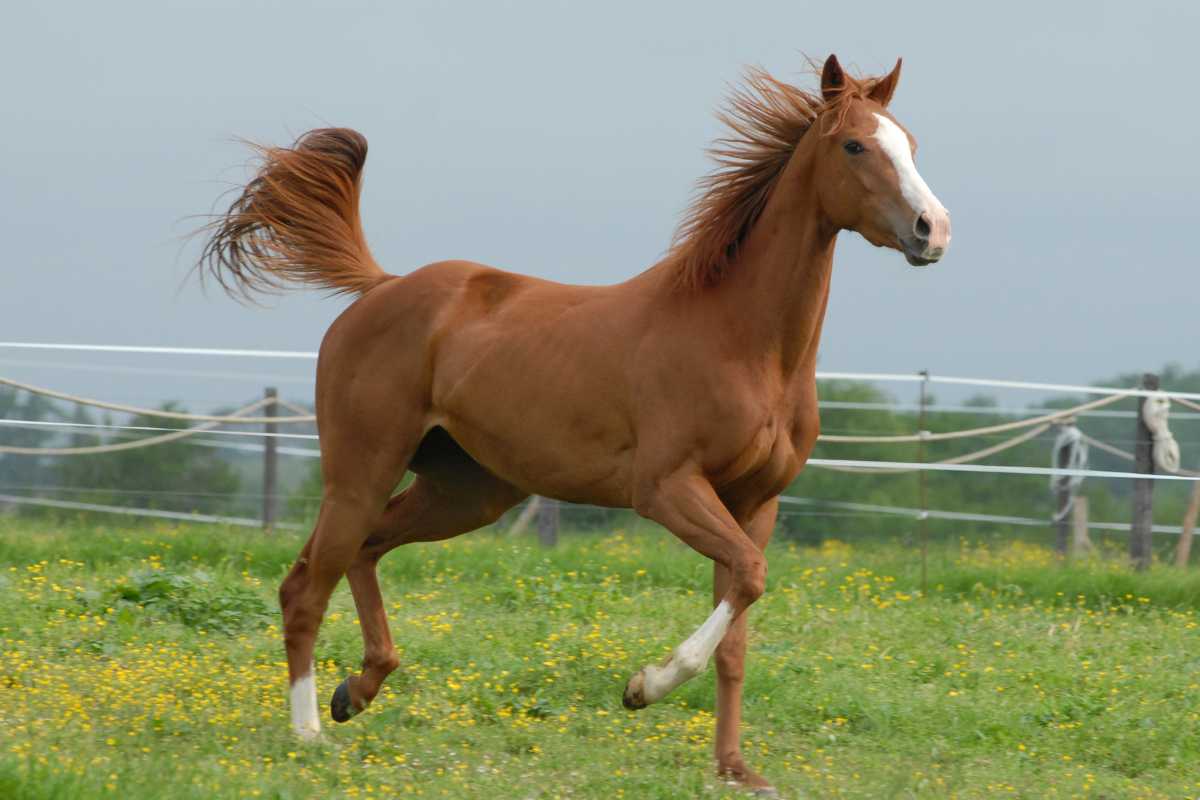
Reading your horse's body language is more than just a skill—it’s a way of building mutual respect and a safer environment.
Horses are prey animals, which means they are naturally alert to their surroundings and respond with their body to express how they feel about certain situations. Misreading their cues can lead to accidents or missed opportunities to connect.
Whether you're dealing with a new horse, training one, or simply caring for your animal, understanding the messages they send through body language helps prevent misunderstandings and strengthens your bond.
Common Horse Body Language Signals
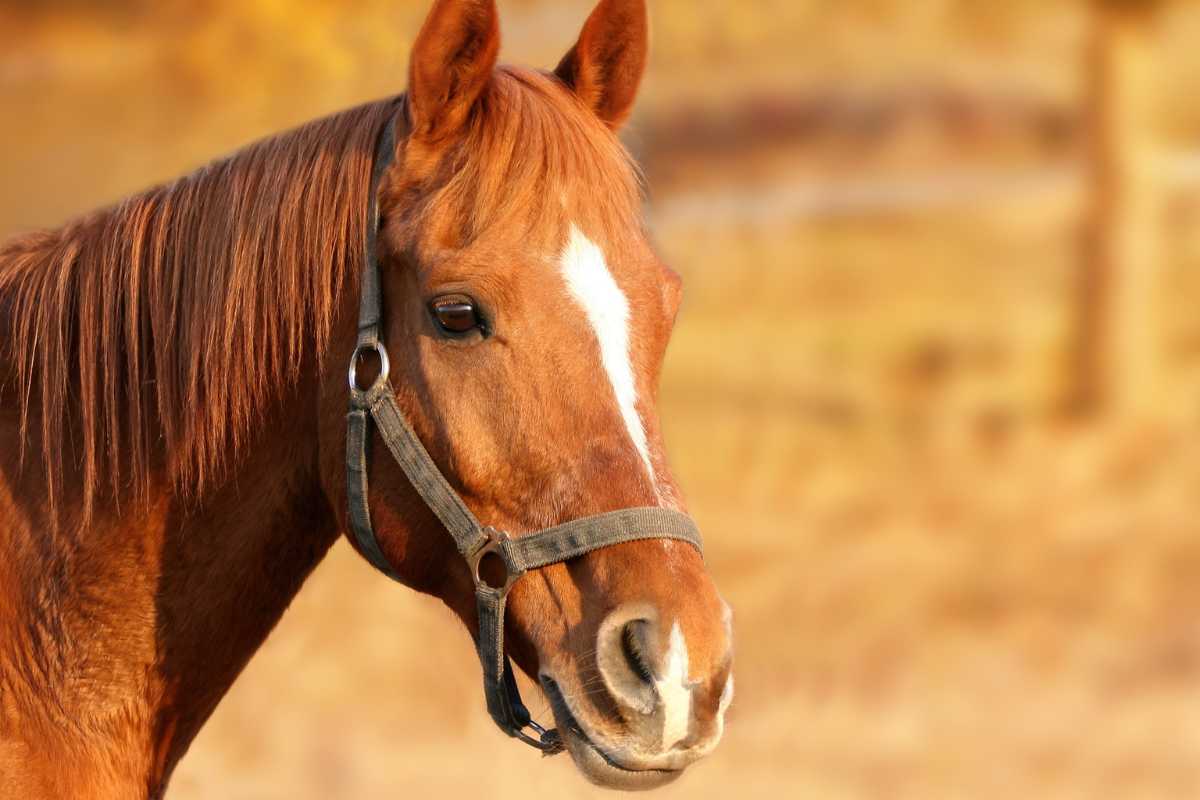
1. Ear Position and Movement
A horse’s ears are one of the most expressive parts of its body. They indicate the animal's mood, alertness, and concentration. Here's how to read them:
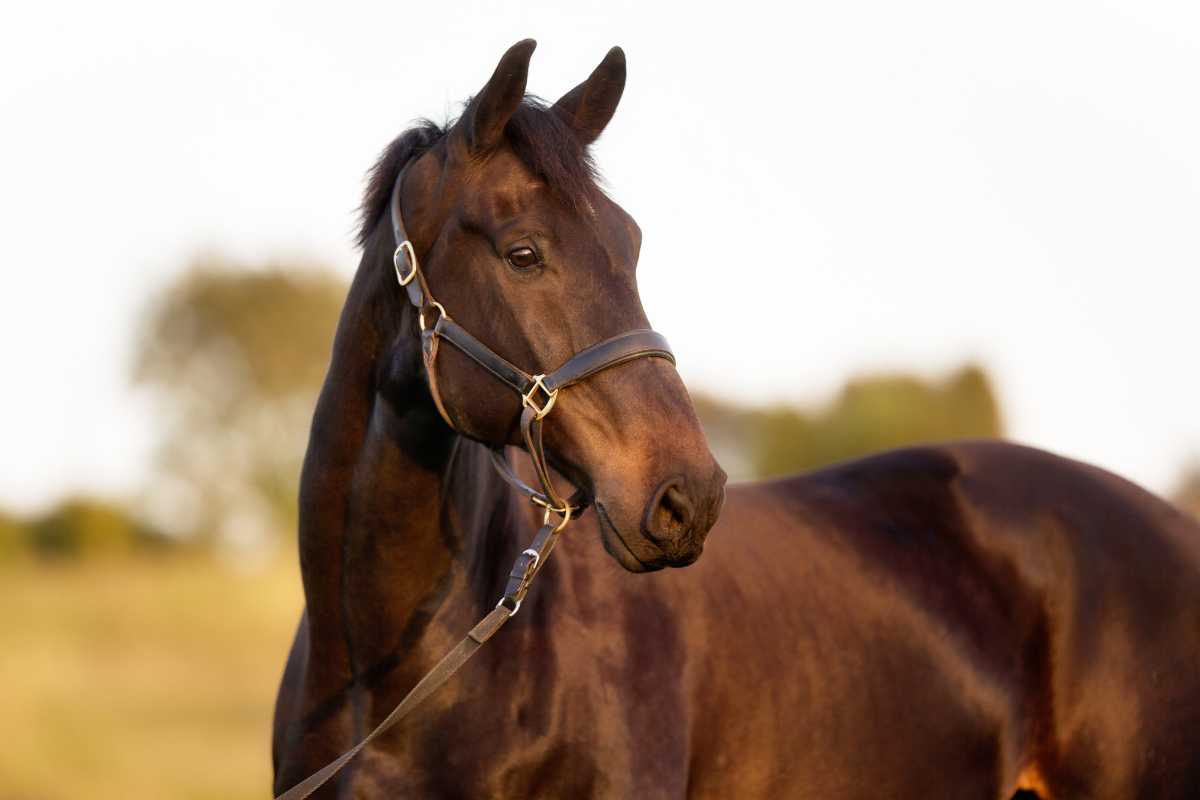
Forward Ears: When a horse’s ears point forward, it means they are alert and focused, usually on something of interest.
Pinned Ears: If the ears are flattened against the head, the horse is irritated or agitated. This is a clear sign that the animal feels threatened or angry.
Relaxed Ears: Ears held to the side or in a neutral position signify that the horse is calm and content.
Recognizing these ear movements can give you insight into how the horse feels about its current situation, whether it's training, riding, or simply standing in its stall.
2. Tail Movement
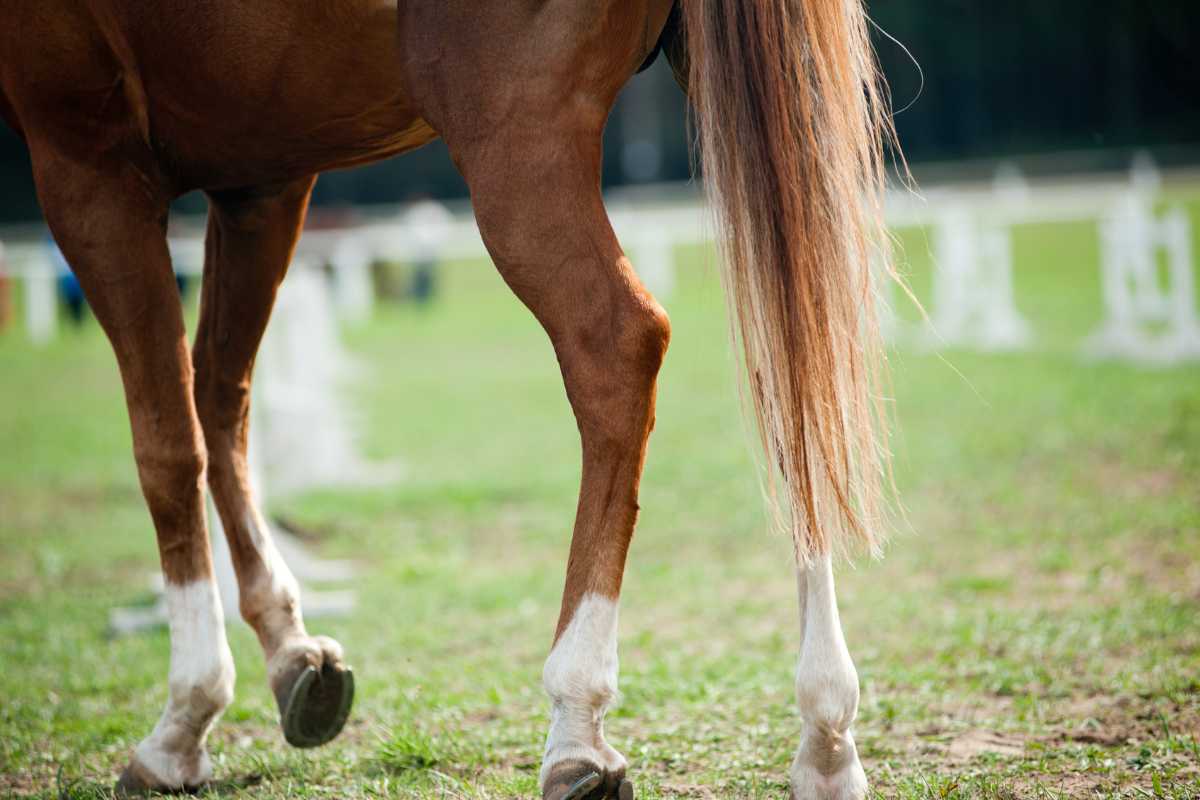
The tail is another critical indicator of a horse's mood:
Wagging or Flicking: A horse that constantly flicks its tail may be annoyed or nervous. This often occurs when they are being swarmed by flies or when they're irritated.
Low or Tucked Tail: A horse that holds its tail low or tucked between its legs is signaling submission, fear, or stress.
High, Arched Tail: A tail held high and arched indicates a horse that is excited, alert, or playful. It’s a sign that they’re in a positive, confident mood.
Understanding these signals can prevent you from mistakenly assuming that a horse is just being playful when they might actually be stressed or frightened.
3. Facial Expressions and Eyes
Horses also express emotions through their eyes and facial expressions. The eyes are windows into their feelings, and the surrounding muscles tell us even more:
Wide Eyes: When a horse’s eyes are wide open with a noticeable amount of white showing, it is a sign of fear or surprise. The horse is likely on high alert.
Half-Closed Eyes: Relaxed or partially closed eyes suggest that the horse is comfortable, relaxed, and at ease.
Tight or Wrinkled Nostrils: This indicates that the horse is either angry or trying to focus on something that is causing discomfort.
Paying close attention to these subtle signs can help you gauge the horse’s emotional state, particularly during training or when introducing them to new experiences.
Horse Posture and Movement
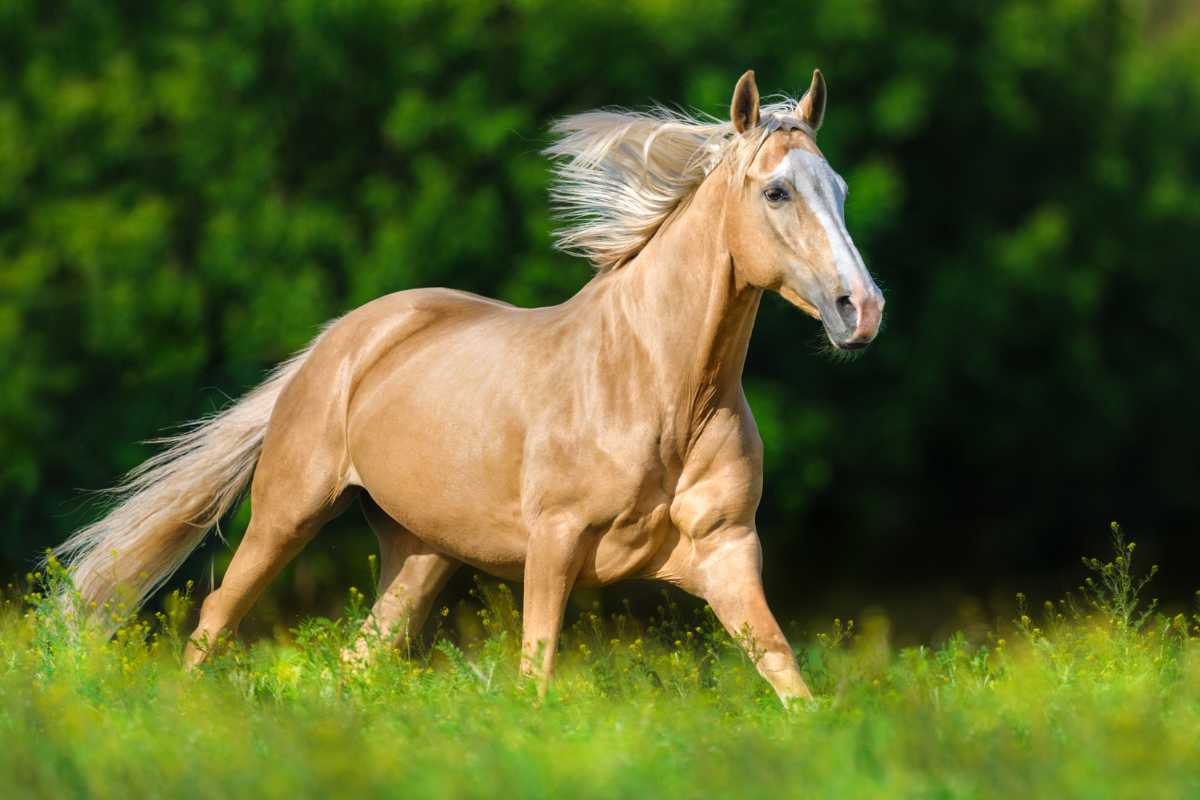
A horse's posture and movement can tell you a lot about how they’re feeling physically and mentally. Their body is a mirror to their emotions.
4. The Head Position
Head Low or Drooping: A horse with its head down is typically calm and relaxed, but it can also indicate that they’re feeling tired or submissive.
Head Up High: When a horse holds its head high, it is often an indication that they are alert, interested, or even ready to flee if they sense danger.
5. Body Tension
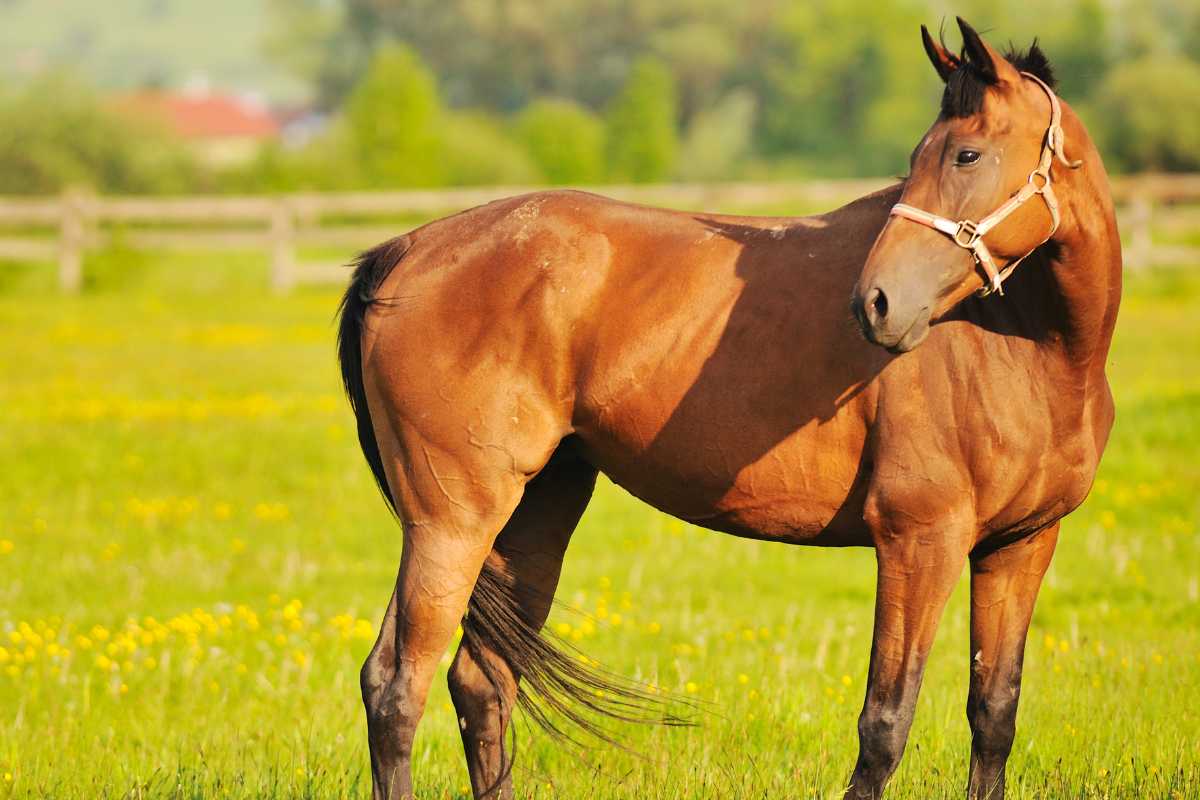
Loose Body: A relaxed body is a sign of comfort and well-being. Horses that are physically relaxed will have soft muscles, and their posture will be open and balanced.
Tense Body: If the horse is stiff or tense, it may be stressed, fearful, or even in pain. A rigid posture is a clear sign to slow down, evaluate the situation, and ensure the horse is comfortable.
6. Movement and Gait
Horses also communicate through their movement:
Steady, Even Gait: A calm horse will move with an even, smooth gait, signaling that they are comfortable and at ease.
Erratic or Nervous Movements: If a horse is skittish or anxious, they may move erratically, stomp their hooves, or show signs of agitation. These signals are crucial in knowing when to back off or when to take a more gentle approach.
Interpreting Your Horse's Behavior in Different Contexts
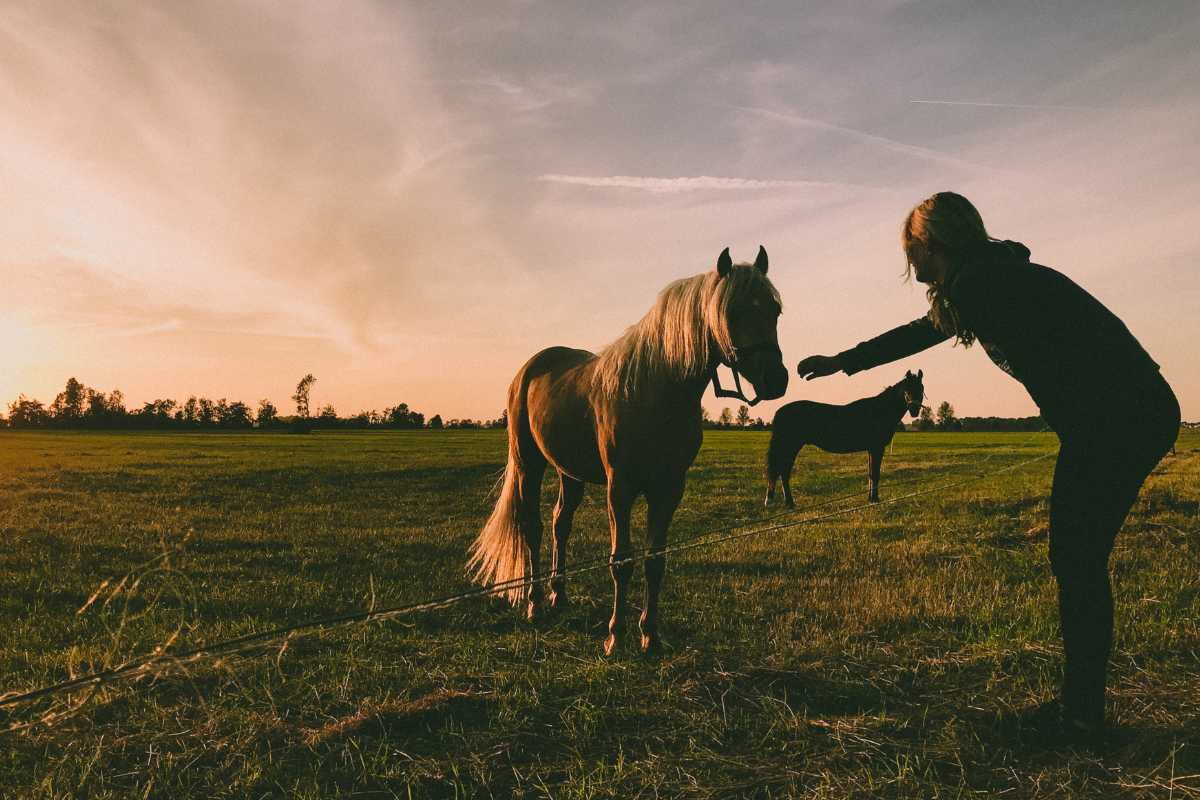
Understanding your horse’s behavior requires paying attention not only to individual signals but also to context. Horses will behave differently depending on their environment, whether in the stable, on the trail, or at a competition.
7. Training and Interaction
Positive Reinforcement: During training, a horse that is receptive to positive reinforcement (such as treats or praise) will likely show soft eyes and relaxed ears. They will move forward with ease and follow cues without resistance.
Resistance and Aggression: If a horse shows signs of aggression—like pinning its ears back or trying to kick—it’s essential to stop and reassess the training approach. It might be an issue of discomfort or frustration with the method being used.
8. During Riding or Work
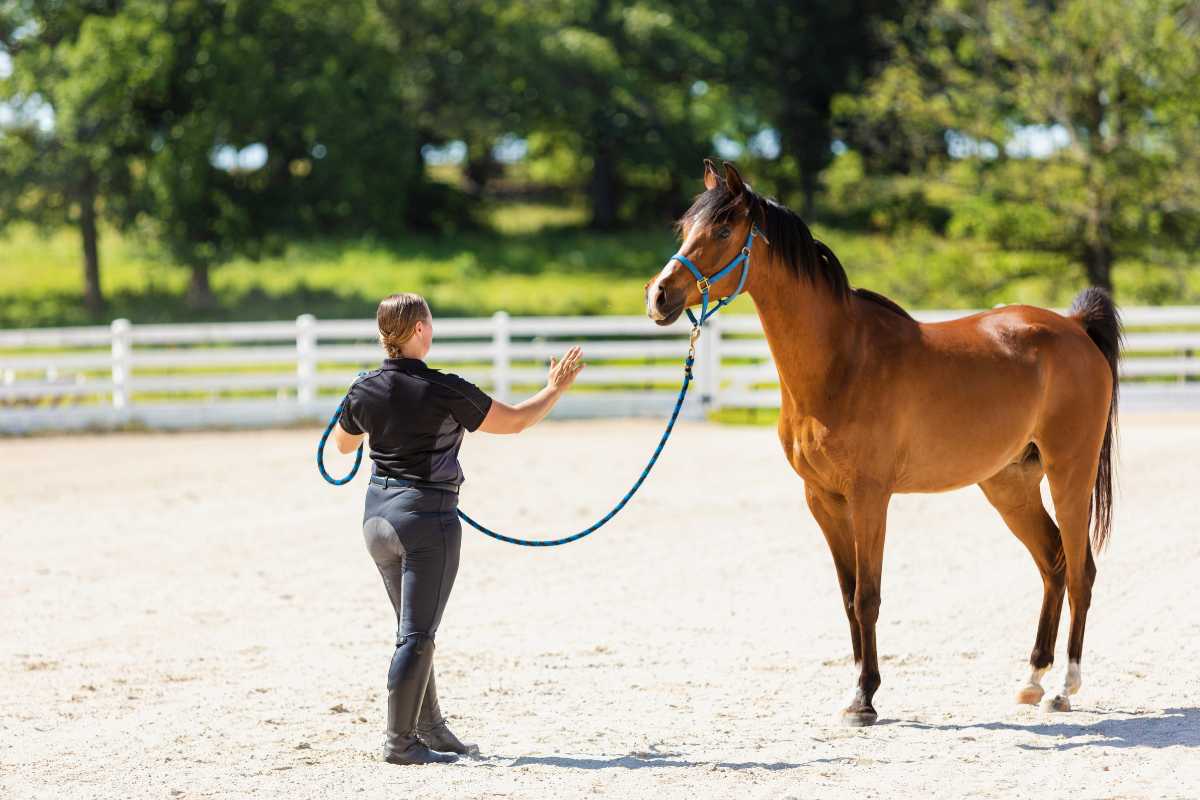
Relaxed Movement: When ridden, a horse that moves with a relaxed, fluid motion signals that they are comfortable and enjoy the work.
Stiff, Jerky Movements: A tense, stiff movement may indicate that the horse is either physically uncomfortable or feeling unsure about the activity.
9. In the Stable or Pasture
Calm and Content: Horses in their natural environments, such as the stable or pasture, often communicate by grooming each other or standing peacefully side by side. This signifies social comfort and trust.
Loneliness or Discomfort: A horse that consistently paces, whinnies excessively, or shows signs of agitation in the stable may be feeling lonely or insecure.
Why Building a Connection with Your Horse Matters
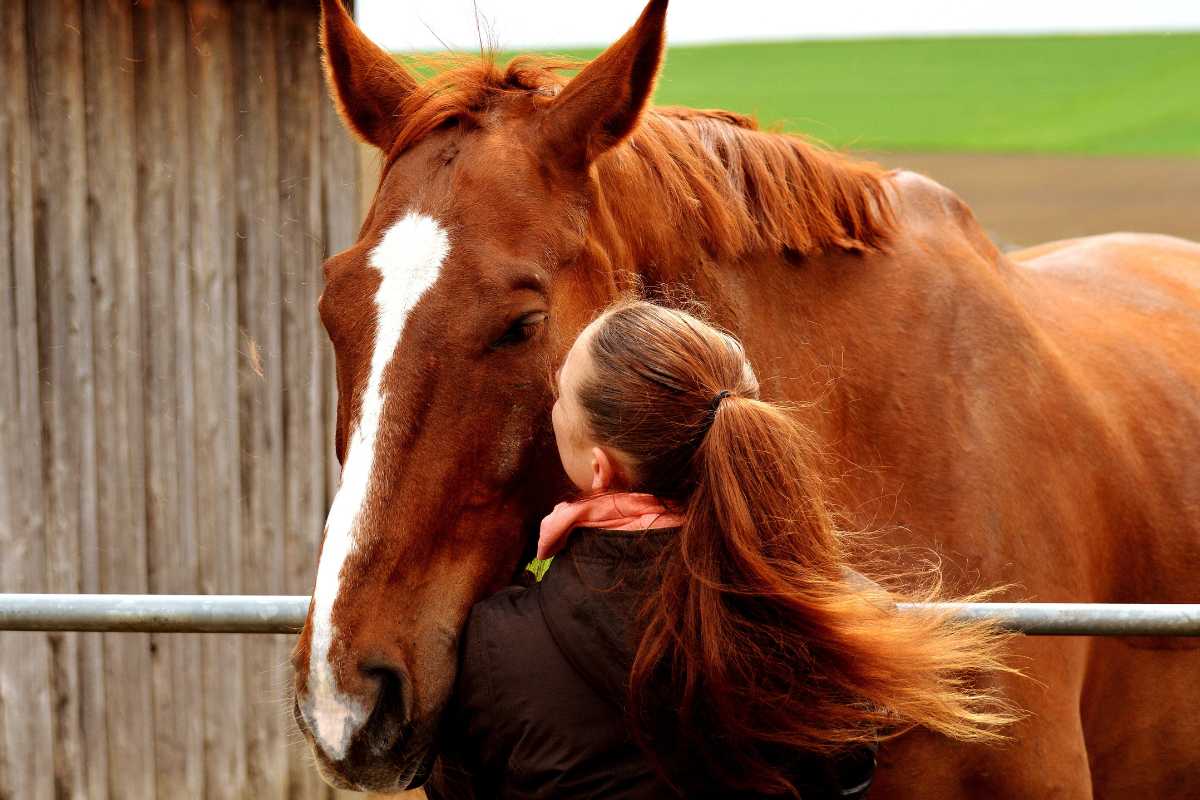
Understanding horse body language goes hand-in-hand with building trust. Horses are extremely intuitive animals that respond to the energy and emotions of their handlers.
When you recognize their body language and communicate with them through positive reinforcement, you’re not just training a horse—you’re developing a partnership.
A trusting relationship with your horse leads to smoother rides, better training results, and an overall happier animal. By learning to read and respond to their cues, you create an environment where both of you can thrive.
Conclusion: A Journey of Communication
Mastering the art of reading horse body language is a continuous journey. As you spend more time with horses, you'll begin to understand their emotions and needs without words.
Their posture, movement, and expressions will become as familiar to you as the back of your hand.
So, next time you are with your horse, take a moment to notice their body language. It’s their way of speaking to you, and by responding to it, you can create a deeper, more meaningful connection.
Enjoy This Video About Horses
Source: Equine Helper
Did you find this post useful or inspiring? Save THIS PIN to your Pets Board on Pinterest!

You may also like