
Real Meanings Behind 9 Strange Cat Behaviors Explained


Cats are curious creatures with behaviors that often leave their owners wondering what’s going on in their feline minds.
Understanding these behaviors can deepen your bond with your cat and enhance your ability to care for them.
This guide explores 9 strange cat behaviors, explains their meanings, and provides insight into why your cat acts the way they do.
1. Why Do Cats Knead?

Kneading is one of the most adorable and puzzling behaviors cats display.
They push their paws in and out against soft surfaces like blankets, pillows, or even your lap.
This action is often compared to how kittens knead their mother’s belly to stimulate milk production.
The Meaning Behind Kneading
As cats grow, they retain this comforting action because it provides them with a sense of security.
Kneading is an instinctive behavior that helps cats feel relaxed and calm. Adult cats often knead when they feel safe or are trying to settle down for a nap.
Scientific Explanation
Studies suggest that kneading is a behavior tied to early kittenhood, where it was essential for survival.
The repetitive motion serves as a self-soothing mechanism and a way to mark territory with the scent glands located in their paws.
2. Why Do Cats Raise Their Tail?

When your cat greets you with their tail straight up, it’s not just a sign of a happy kitty—it's also a form of communication.
The Meaning Behind the Raised Tail
A cat's raised tail is a gesture of confidence and trust. It’s their way of saying, "I trust you."
When they approach you with their tail held high, they are indicating that they feel safe and comfortable in your presence.
What Research Shows
Cats use their tails to communicate a range of emotions. According to veterinary behaviorists, a high tail position is a clear indication that a cat is feeling socially positive and is comfortable around those nearby.
3. Why Do Cats Head-Butt?
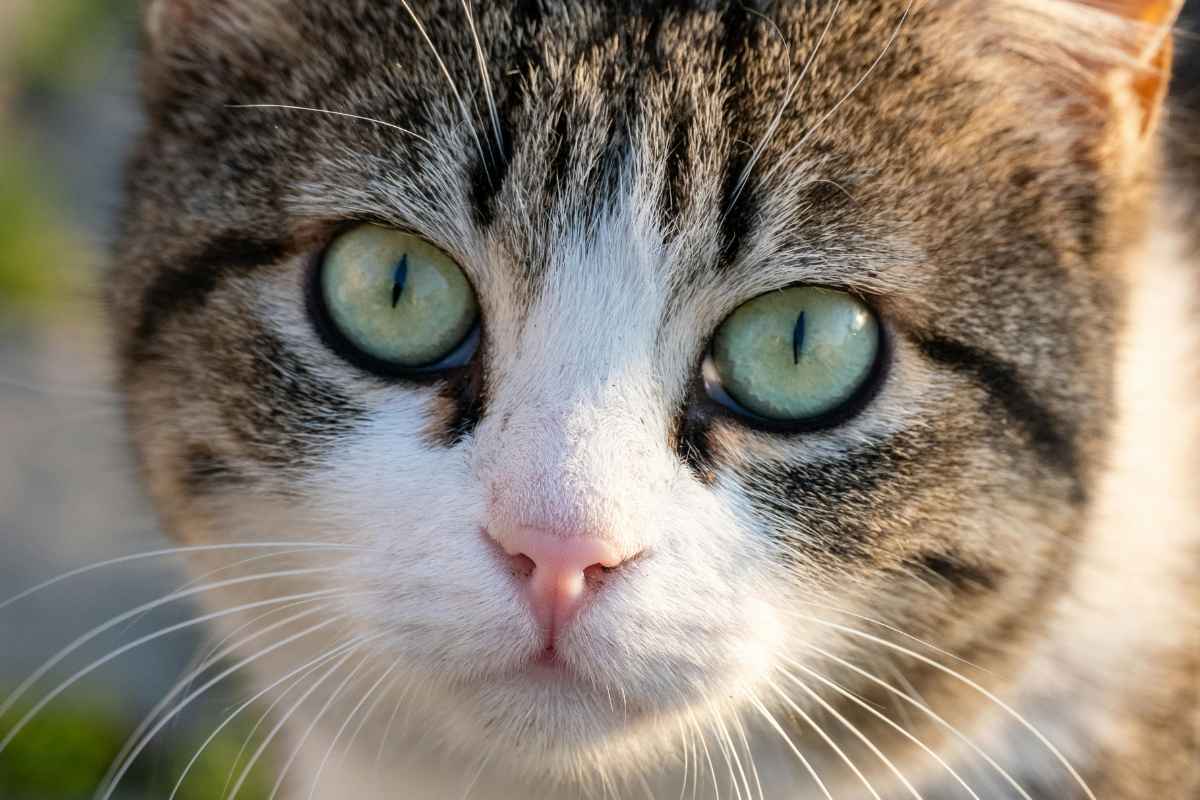
If your cat comes up to you and bumps their head against your face or body, don’t be surprised! This behavior is often called head-butting or bunting.
The Meaning Behind Head-Butting
Head-butting is a sign of affection and territory marking.
Cats have scent glands around their face, especially near the cheeks, and head-butting serves as a way for them to mark their territory with their scent while also showing affection toward you.
Scientific Insight
Head-butting is a behavior seen in wild and domestic cats alike. It’s often a way for cats to express social bonding. When cats head-butt each other, it’s a sign of friendship and mutual respect.
4. Why Do Cats Bat at Objects?

If your cat seems to bat at objects with their paws, such as a toy or your phone, it’s not just playful behavior. Cats are instinctual hunters, and this action often mimics hunting behavior.
The Meaning Behind Bating Objects
Cats bat at objects as part of their hunting instincts. This behavior helps them practice pouncing, batting, and striking in preparation for catching prey.
Research and Behavioral Explanation
In the wild, cats need to develop and hone their hunting skills to catch prey.
Even domesticated cats have these instincts, which explain why they’ll bat at random objects, including their food bowl or even your fingers.
5. Why Do Cats Purr?

One of the most endearing and mysterious behaviors of cats is their ability to purr. While purring is often associated with contentment, cats also purr in other situations.
The Meaning Behind Purring
Purring is a sign of contentment, but it’s also an expression of healing and self-comfort.
Cats will often purr when they are happy, but they may also purr when they are frightened, injured, or in pain, as it has been shown to promote healing in their bodies.
What Research Reveals
Purring is believed to help reduce stress and promote healing by releasing endorphins.
Interestingly, it is thought that the frequency of a cat's purr vibrations may be therapeutic, benefiting both the cat and those around them.
6. Why Do Cats Scratch?

Scratching is another behavior that may leave you perplexed. Cats scratch furniture, walls, and even you!
The Meaning Behind Scratching
Scratching is a territory-marking behavior that also helps cats keep their claws sharp.
It’s not just about stretching; cats scratch to maintain their claws and create visible markers in their environment.
Scientific Explanation of Scratching
Scratching helps cats shed the outer layers of their claws, which naturally wear down. It also leaves scent marks from glands located in their paws, signaling to other cats that they are in that territory.
7. Why Do Cats Sleep So Much?

It’s well-known that cats love to sleep, often lounging around for 12-16 hours a day. But why do they sleep so much?
The Meaning Behind Cat Naps
Cats are crepuscular animals, meaning they are most active during the twilight hours of dawn and dusk. Their excessive sleep is a way to recharge for hunting and playing during these optimal hours.
Understanding Cat Sleep Patterns
Cats’ sleep patterns are adapted to their wild ancestors, who would rest during the day to conserve energy for nighttime hunting.
Domestic cats continue this pattern, often sleeping deeply during the day and becoming more active during the evening and early morning.
8. Why Do Cats Bathe Themselves?

It’s no secret that cats are meticulous groomers. But what’s the purpose behind all that licking?
The Meaning Behind Grooming
Cats groom to maintain their personal hygiene, but it also serves as a stress-reliever. Grooming helps them remove dirt, parasites, and loose fur, but it also has a calming effect, reducing anxiety.
Scientific Insight on Grooming
Grooming stimulates the release of endorphins, helping cats to relax. It's also a sign of health; cats that groom regularly tend to be healthy, while a lack of grooming can indicate stress or illness.
9. Why Do Cats Bring Gifts?

If your cat brings you a "gift"—such as a dead mouse or bird—it might be a bit alarming. However, there is an explanation behind this seemingly strange behavior.
The Meaning Behind Bringing Gifts
Cats often bring gifts to their owners as a sign of affection. In the wild, mothers would teach their kittens how to hunt by bringing them prey.
By bringing you a gift, your cat is likely trying to share their success with you and show that they care.
Behavioral Context
This behavior is not just limited to domestic cats; wild cats exhibit similar behavior to share food with other members of their group.
It’s a deeply ingrained social action that connects domestic cats to their wild ancestors.
Conclusion: Understanding Your Cat’s Strange Behaviors
Cats have some behaviors that seem bizarre or mysterious, but understanding the meanings behind these actions can help you build a stronger, more trusting relationship with your furry companion.
By observing and interpreting their behavior, you’ll be able to meet their needs, whether it’s offering them space, affection, or a little bit of extra playtime.
If you're a cat owner, knowing these behaviors will make you a more attuned pet parent.
Understanding these common behaviors not only improves your relationship with your cat but also allows you to cater to their natural instincts, making your home a more comfortable and loving place for both you and your pet.

Source: Jaw-Dropping Facts
Did you find this post useful or inspiring? Save THIS PIN to your Pets Board on Pinterest!

You may also like