
Real Meanings Behind 9 Strange Cat Behaviors Explained

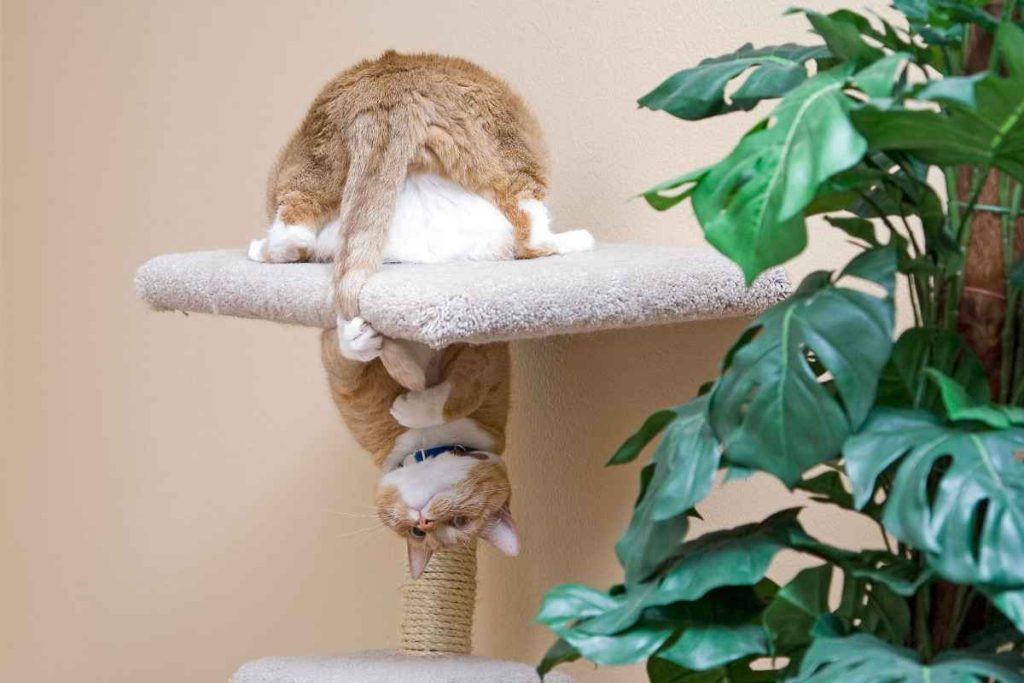
Cats are fascinating creatures with behaviors that often leave us wondering about their meanings. From quirky habits to mysterious gestures, every action can tell us something about their mood, health, or desires.
In this article, we’ll explore the real meanings behind 9 strange cat behaviors, and how you can interpret and respond to them.
What Your Cat is Really Trying to Tell You
1. Biting Your Hand While Petting Them
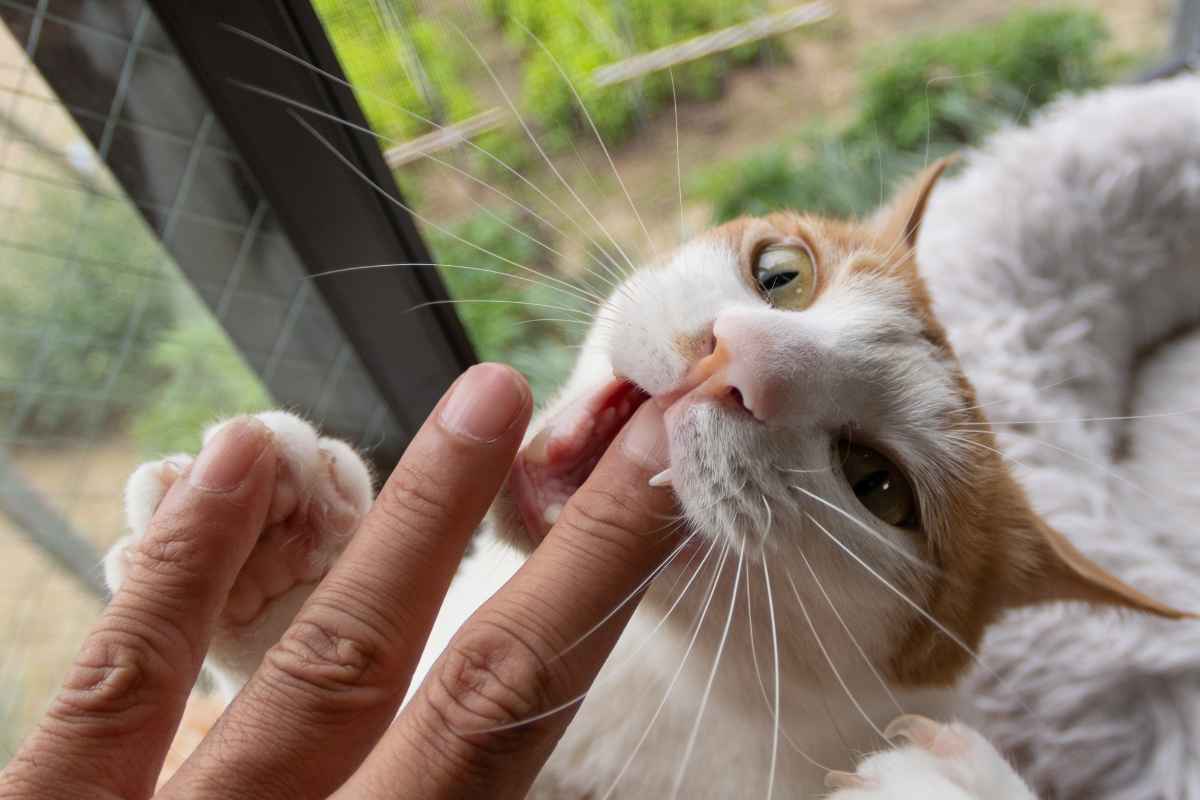
If your cat suddenly bites you while you’re petting them, it’s not always a sign of aggression. Cats are overstimulated by prolonged petting, especially around the neck and face.
This behavior is commonly known as “petting-induced aggression” and can be managed by recognizing the early signs of overstimulation.
Tip: If your cat starts twitching their tail or flicking their ears, it may be time to stop petting.
2. Chasing Their Tail
Though it's commonly associated with puppies, cats can also chase their tails. This behavior might seem like a game, but in some cases, it could indicate stress or boredom.
Cats that don't get enough mental and physical stimulation may engage in tail chasing as an outlet for their energy.
Tip: Provide your cat with more interactive toys or puzzle feeders to keep them entertained.
3. Kneading With Their Paws
Kneading is a behavior that cats often display when they’re content. When a cat presses its paws against soft surfaces, it’s a sign of relaxation, sometimes dating back to kittenhood when they kneaded their mother's belly for milk.
This is one of the most endearing cat behaviors.
Tip: If your cat kneads you, it’s a sign they trust and feel safe with you.

4. Sleeping in Odd Places
Cats love to curl up in strange places—whether it's a box, a shelf, or even a sink. Cats are natural predators, so they seek out cozy and secure spots to rest. Their behavior is deeply ingrained, stemming from their instinct to find safe hiding places.
Tip: If your cat is constantly seeking hidden spots, make sure they have access to a comfortable, quiet resting area.
5. Bringing You ‘Gifts’
Is your cat bringing you dead mice, birds, or other small animals? While it might seem disturbing, this behavior is actually a sign of affection. Cats may bring these gifts to their owners as a way to share their ‘catch’ or teach you how to hunt.
Tip: While it may seem unpleasant, try to accept this behavior as a sign of love and gratitude.

6. Rubbing Against You
When your cat rubs its head or body against you, it’s marking you with their scent. Cats have scent glands around their face and will often rub these against people or objects they want to claim as “theirs.” This behavior is also a sign of affection.
Tip: If your cat rubs against you, it’s their way of saying "I love you" and making you part of their territory.
7. Hiding After a Visit to the Vet
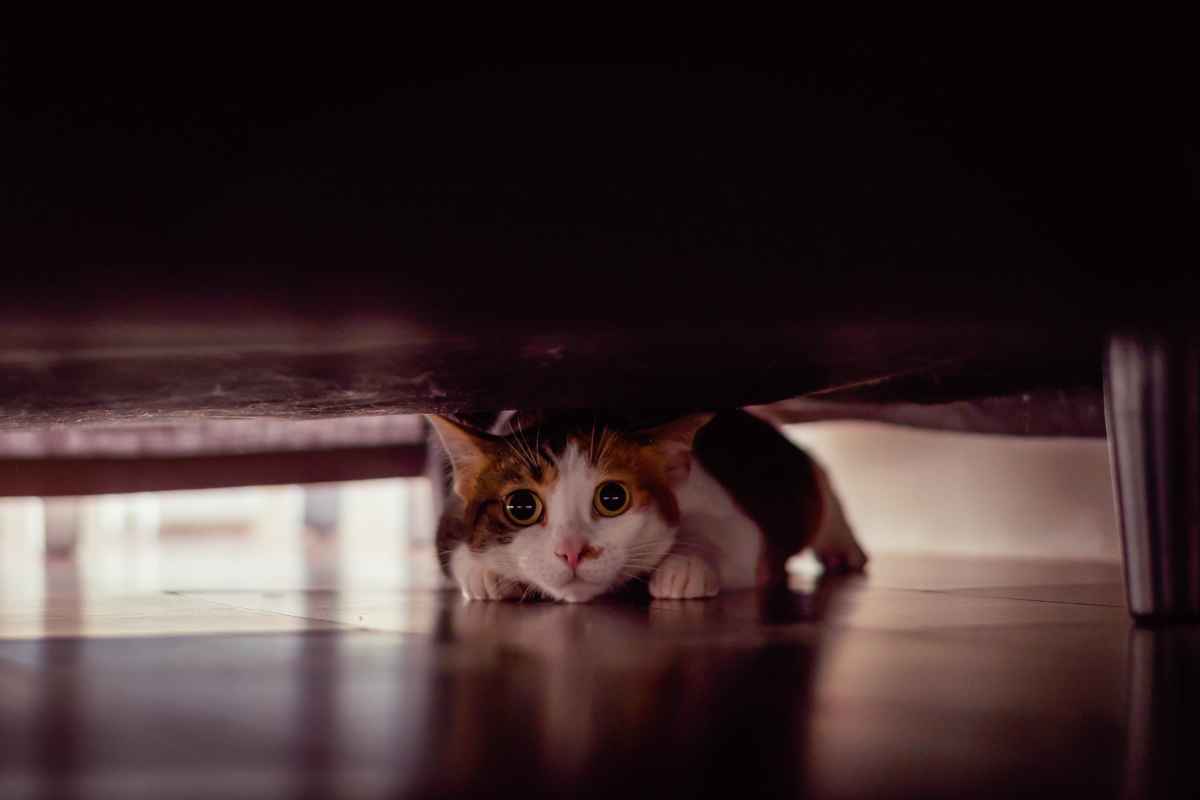
It’s common for cats to hide after a visit to the vet. This is often a response to the stress of being handled or the unfamiliar smells. Cats are territorial animals and any changes in their environment can make them anxious.
Tip: Give your cat some quiet time to calm down after a vet visit. They may need some space to feel secure again.
8. Staring Without Blinking
A cat that stares at you without blinking may seem unnerving, but it’s actually a sign of trust. Cats will often give a slow blink to show affection and indicate they feel comfortable. This behavior is known as the cat kiss.
Tip: Return the slow blink to show your cat that you trust them as well. This will reinforce your bond.
9. Purring and Kneading at the Same Time
When your cat purrs while kneading, it’s a clear sign that they are content and relaxed. Cats usually knead when they are in a calm and secure state, and the purring amplifies this sense of comfort.
Tip: Enjoy this moment of peace—your cat is showing you that they feel safe and happy.
Strengthen Your Relationship by Understanding Your Cat
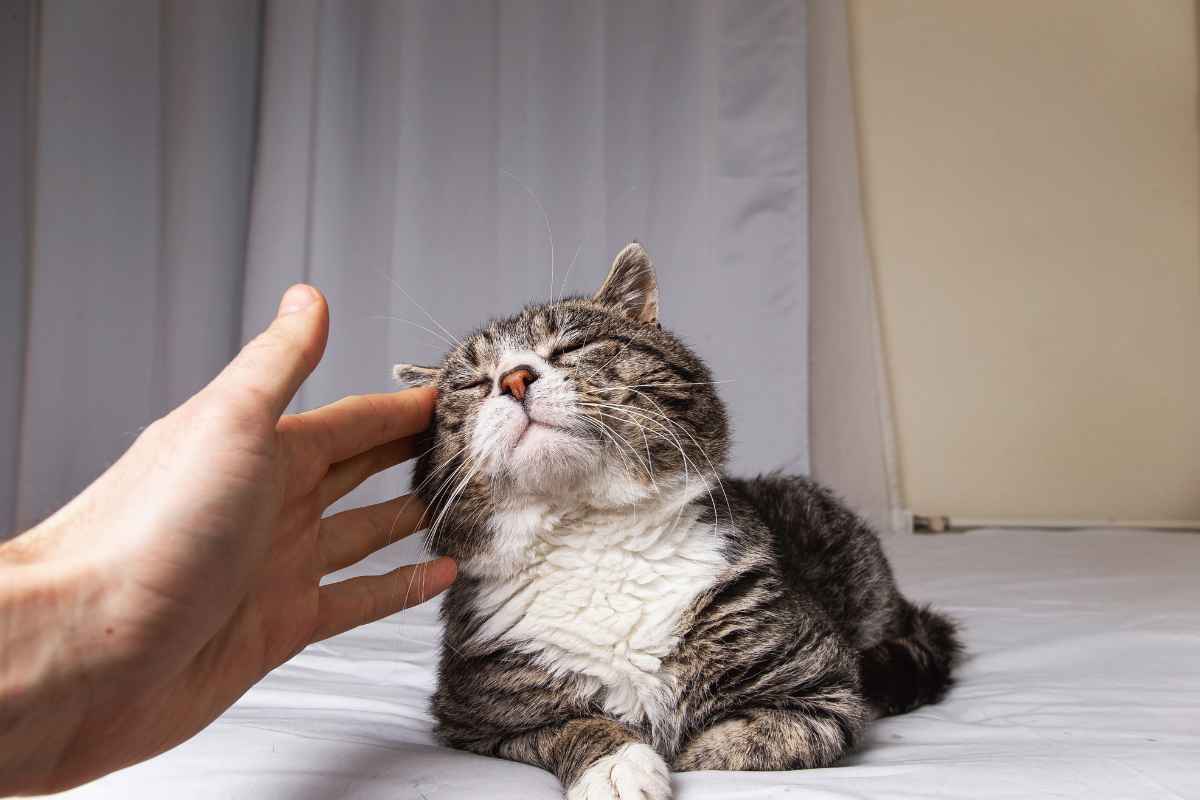
By understanding the real meanings behind these strange cat behaviors, you can build a deeper connection with your feline friend. Cats communicate in subtle ways, and every gesture, whether it’s kneading, rubbing, or purring, carries significance.
Observing these behaviors helps you understand their emotional state, needs, and how to respond to them.
Final Tip: The more you understand your cat’s behaviors, the more you can ensure they lead a happy and healthy life. Always be attentive to their cues and adapt accordingly to their needs.
With these insights, you can confidently interpret your cat’s behavior and provide them with the care they deserve. Understanding their language will not only make you a better cat owner but will also strengthen the bond between you and your feline companion.
Enjoy this Video About Cat Behaviors

Source: Jaw-Dropping Facts
Did you find this post useful or inspiring? Save THIS PIN to your Pets Board on Pinterest!

You may also like