
Safe and Easy Hamster Cage Cleaning Guide


Welcome to our hamster cage cleaning guide! Keeping your hamster's cage clean is essential for their health and well-being.
In this comprehensive guide, we will provide you with tips and best practices on how to properly clean a hamster cage, ensuring a clean and safe habitat for your furry friend.
Cleaning your hamster's cage may seem like a daunting task, but with the right approach, it can be safe and easy.
By following our step-by-step instructions and using the recommended supplies, you can maintain a clean and healthy environment for your beloved hamster.
With our guide, you'll learn effective cleaning methods, essential supplies, and best practices to keep your hamster's cage in top condition.
Whether you're a new hamster owner or have years of experience, this guide will provide you with valuable insights to enhance your cleaning routine.
So if you're ready to learn how to clean a hamster cage like a pro, let's dive into our step-by-step guide in the next section!
Step-by-Step Guide to Cleaning a Hamster Cage
Keeping your hamster's cage clean is essential for maintaining their health and well-being.
Follow this step-by-step guide to ensure a thorough and effective hamster cage cleaning routine.

Gather Your Supplies
Before you begin cleaning, gather all the necessary supplies. You will need:
- Hamster-safe cleaning solution: Choose a mild, non-toxic cleaning solution specifically formulated for small animal habitats.
- Soft brush: Use a soft-bristled brush to scrub away any dirt and debris.
- Paper towels or clean cloth: These will help absorb excess moisture and dry the cage.
- New bedding: Prepare fresh bedding to replace the soiled one.
- Gloves: Wear gloves to protect your hands from any cleaning solutions.
Remove Your Hamster
Before cleaning, it's important to remove your hamster from the cage.
Place your hamster in a secure and familiar temporary habitat, such as a travel carrier or a playpen.
Start with Spot Cleaning
Begin by removing any uneaten food, soiled bedding, and debris from the cage.
Use a soft brush to gently sweep away any dirt or dust. Dispose of the waste properly.
Disinfect the Cage
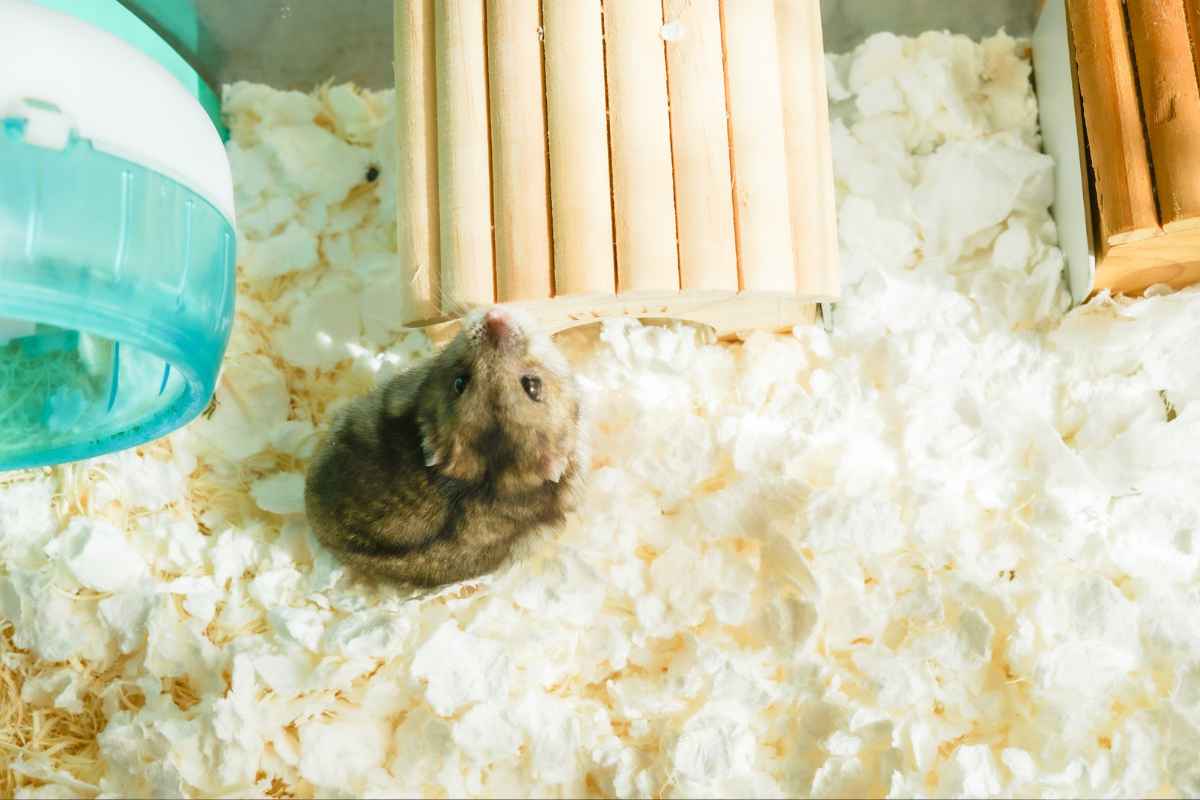
Using the hamster-safe cleaning solution, thoroughly clean and disinfect the cage. Pay special attention to areas that may have urine or waste build-up, such as corners and the base of the cage.
Rinse the cage thoroughly to remove any residue from the cleaning solution.
Dry the Cage
After rinsing, use paper towels or a clean cloth to dry the cage.
Ensure that it is completely dry before adding fresh bedding and returning your hamster to their clean habitat.
Add Fresh Bedding
Once the cage is dry, add fresh bedding to ensure a comfortable and hygienic environment for your hamster.
Avoid scented or dusty bedding, as these can be harmful to your pet.
By following these step-by-step hamster cage cleaning methods, you can maintain a clean and healthy living space for your furry friend.
Regular cleaning will help prevent odors and bacteria growth, and ensure your hamster's well-being.

Essential Supplies for Maintaining a Clean Hamster Cage
Keeping your hamster's cage clean is essential for their health and well-being. With the right supplies, you can make the cleaning routine efficient and hassle-free.
Here are the essential supplies you need to maintain a clean hamster cage:
Bedding
Choosing the right bedding is crucial for a clean and comfortable hamster cage. Opt for bedding that is absorbent, odor-neutralizing, and safe for your furry friend. Popular options include aspen shavings, paper-based bedding, and hemp bedding.
These materials help to control moisture and odor, keeping the cage fresh and hygienic. Remember to avoid cedar or pine bedding, as they can irritate your hamster's respiratory system.
Cleaning Tools
To keep your hamster cage clean, you'll need the right cleaning tools. A small hand broom and dustpan can help you easily sweep up any spilled food or bedding.
A gentle brush or toothbrush is handy for scrubbing hard-to-reach corners and removing debris. Additionally, a spray bottle filled with a hamster-safe cage cleaner or a mixture of white vinegar and water can effectively disinfect the cage surfaces.
Having these cleaning tools on hand will make your hamster cage maintenance a breeze.
Waterless Cage Cleaning Solutions
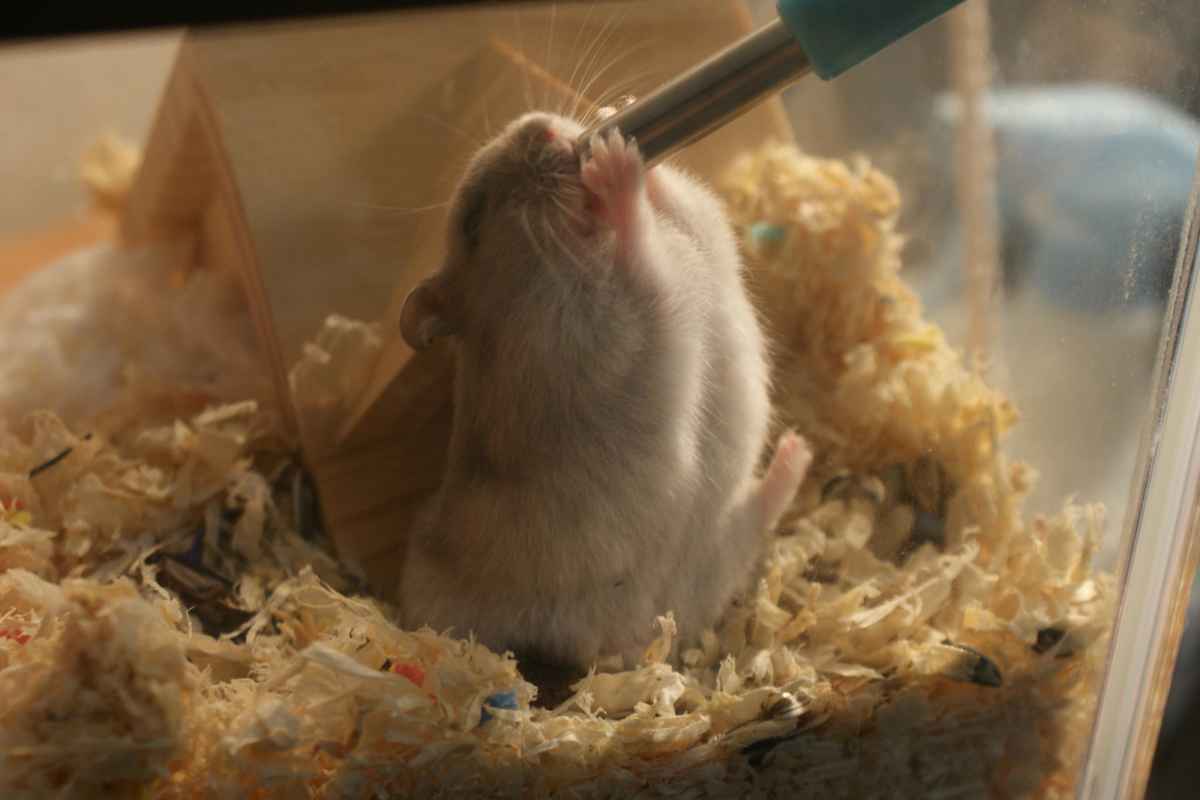
For quick and convenient cleaning, consider investing in waterless cage cleaning solutions. These are specially formulated sprays that eliminate odors and provide a deep clean without the need for water.
Simply spray the solution onto the cage surfaces, let it sit for a few minutes, and wipe away with a clean cloth. This is especially useful for spot cleaning or maintaining a clean cage between thorough cleanings.
With the right bedding, cleaning tools, and waterless cage cleaning solutions, maintaining a clean hamster cage becomes easier and more efficient.
Regular cleaning not only keeps your hamster happy but also helps to prevent the buildup of bacteria and odors in their habitat.
Remember to follow the manufacturer's instructions for each product and prioritize the safety and comfort of your furry friend.
Tips for Keeping Your Hamster’s Cage Clean Between Cleanings
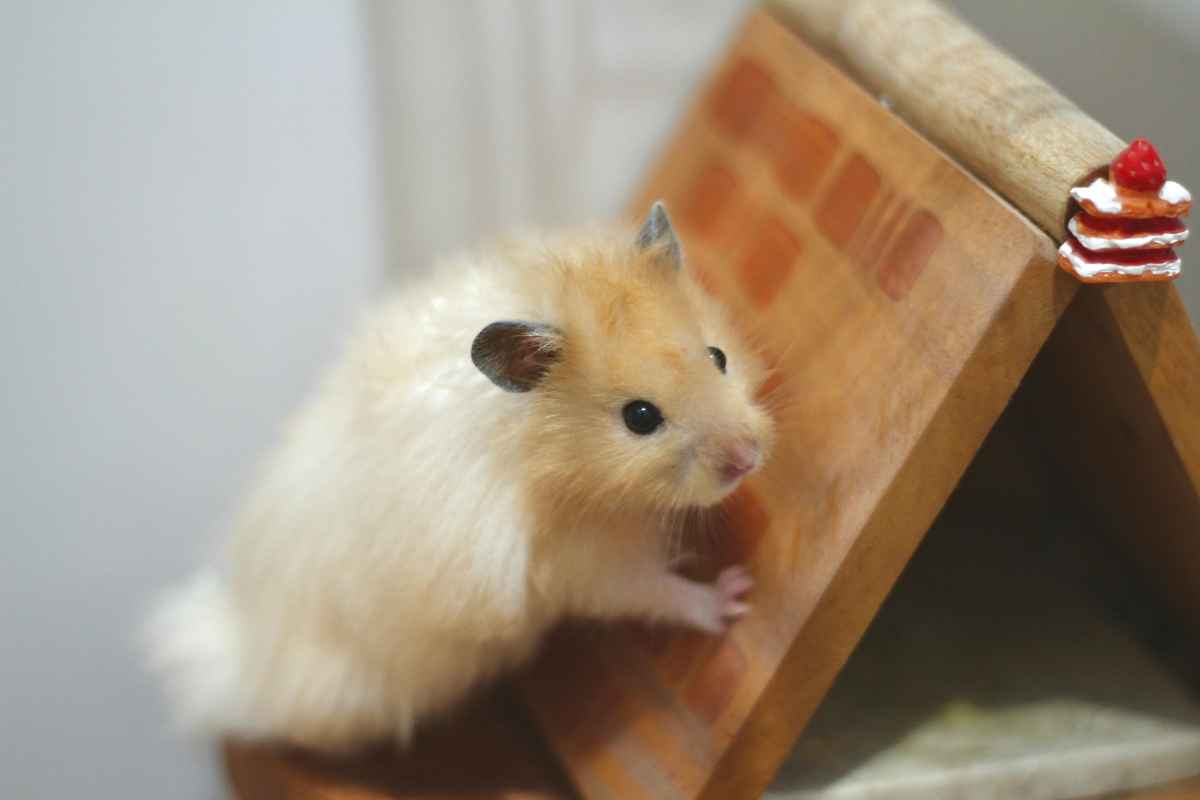
Keeping your hamster's cage clean doesn't always have to involve a full cleaning session.
Here are some quick tips to keep things fresh between deep cleans:
Use a liner: Consider using cage liners that can be easily replaced during spot cleaning. This will make removing waste quicker and more efficient.
Rotate accessories: To prevent the buildup of waste and bacteria, rotate your hamster's accessories regularly. This allows each item to dry out between uses.
Keep food fresh: Remove any uneaten food promptly to avoid attracting pests or causing odors.
How to Handle Hamster Stress During Cleaning
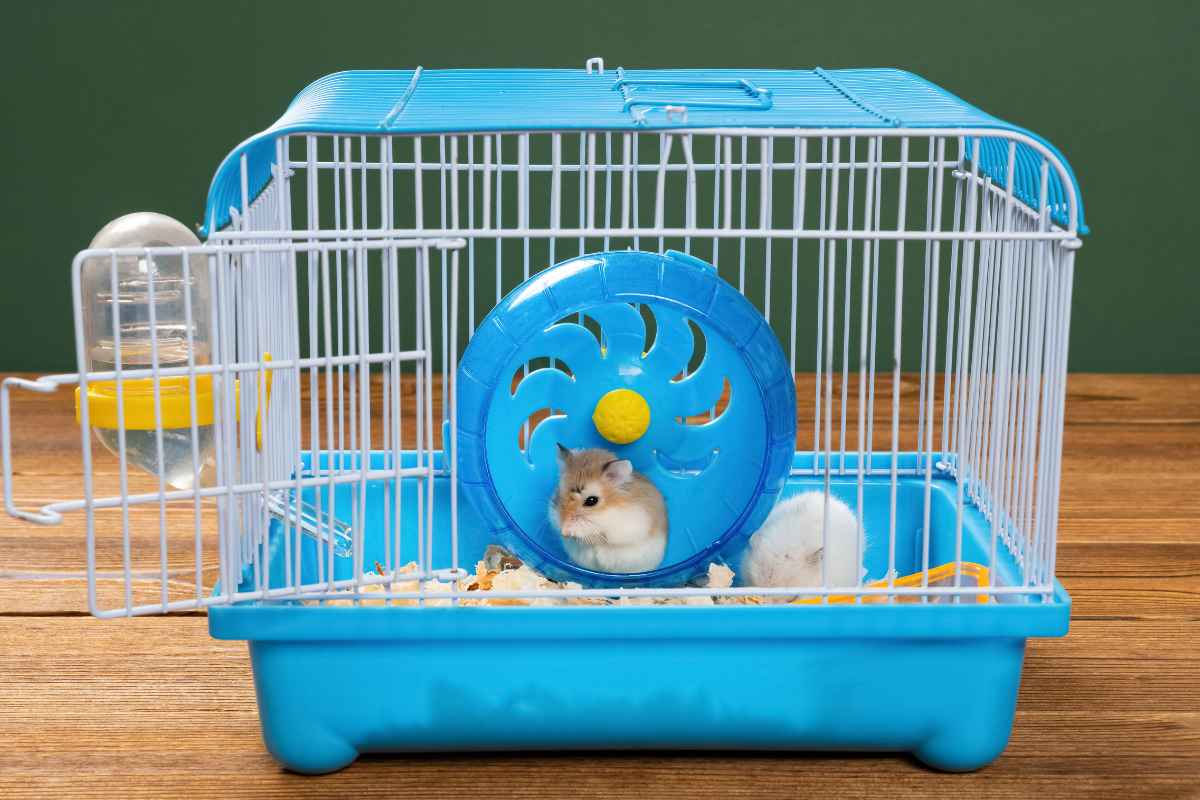
Cleaning your hamster’s cage can sometimes be stressful for your pet, especially if they are not used to having their environment changed frequently.
Here’s how to minimize stress:
Keep the process calm and quick: Try to keep the cleaning process as quiet and smooth as possible. Avoid sudden movements that could startle your hamster.
Maintain a consistent routine: If you stick to a regular cleaning schedule, your hamster will become more accustomed to it and feel less anxious when it happens.
Allow time for adjustment: After cleaning, give your hamster time to explore and readjust to their fresh cage. They may be a bit disoriented at first, but they will quickly return to their normal behavior.
Conclusion
Cleaning your hamster's cage is an important part of being a responsible pet owner.
Not only does it help to keep your hamster healthy and happy, but it also ensures that their living space remains hygienic and free from odors.
By following these steps and maintaining a consistent cleaning routine, you can create a safe, clean, and enjoyable environment for your hamster to thrive in.
Remember, every hamster is different, and it’s important to pay attention to their behavior and needs.
By being proactive about cage cleaning, you’ll provide a positive living experience for your small companion.
Did you find this post useful or inspiring? Save THIS PIN to your Pets Board on Pinterest!

You may also like