
Sing Sweetly: Taming Your Canary in No Time


Taming a canary is less about clever tricks and more about earning steady trust. These small songbirds aren’t naturally “hands-on” like parrots, yet they respond beautifully to routine, space, and calm handling.
When you set the environment up right and move at the bird’s pace, you’ll see a gentle shift: your canary sings confidently, feeds without fear, and stays relaxed while you’re nearby.
Setting Up the Right Environment
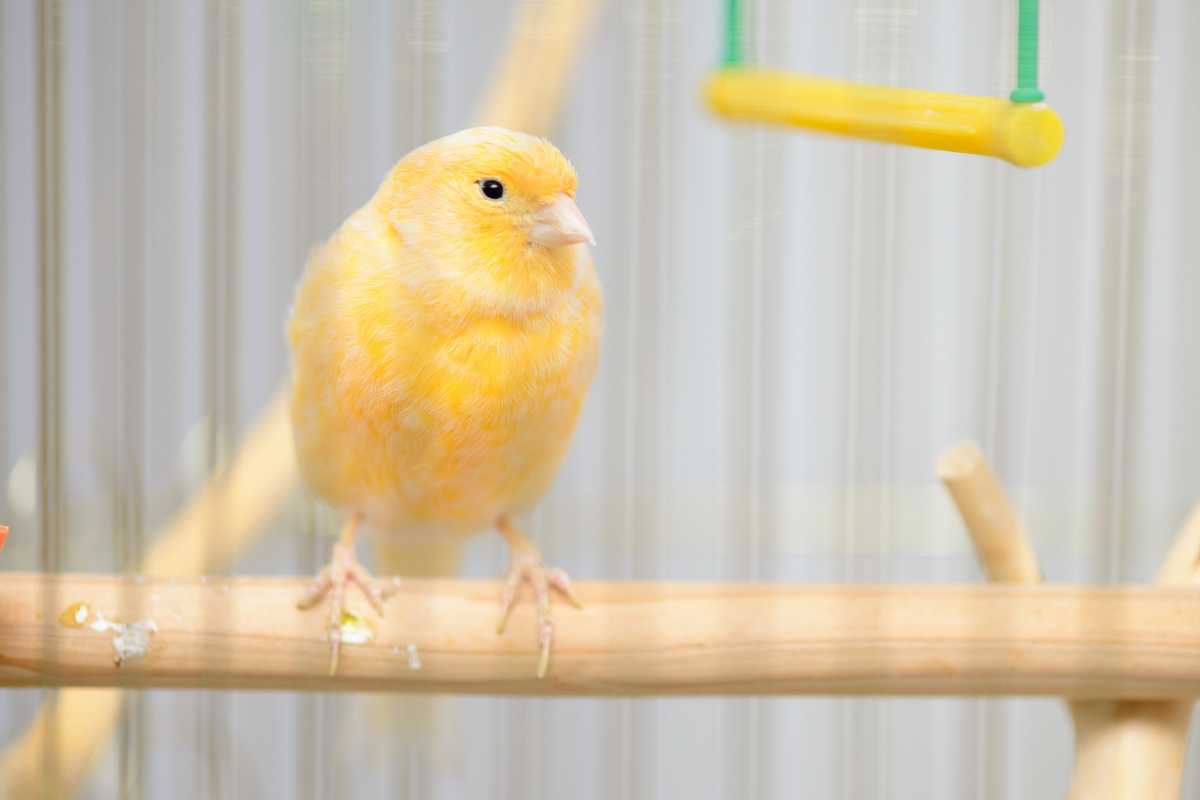
Successful taming begins long before you offer a finger to perch on. A receptive canary is one that feels safe every day.
Choose a rectangular cage at least 24–30 inches (60–75 cm) wide so the bird can stretch its wings and make short flights.
Bar spacing of ⅜–½ inch (1–1.2 cm) prevents accidents, and horizontal bars encourage natural climbing. Rotate natural wood perches of 8–14 mm diameter to protect feet and joints.
Place the cage in a bright, quiet room with regular human presence but no harsh traffic or sudden noises; a stable location is better than moving it often.
Light and temperature consistency keep stress low. Aim for 12–14 hours of light and a true dark period at night; use a light cover if the room is illuminated after bedtime. Keep the ambient temperature around 64–75°F (18–24°C) and avoid drafts, heat surges, or kitchen fumes.
Provide fresh water daily and a balanced seed mix supplemented with tender leafy greens in tiny portions and, a couple of times a week, a small piece of well-washed fruit such as apple.
Never offer avocado, chocolate, alcohol, caffeine, or salty foods—they are dangerous for birds.
The First Days: Calm Presence and Gentle Routine
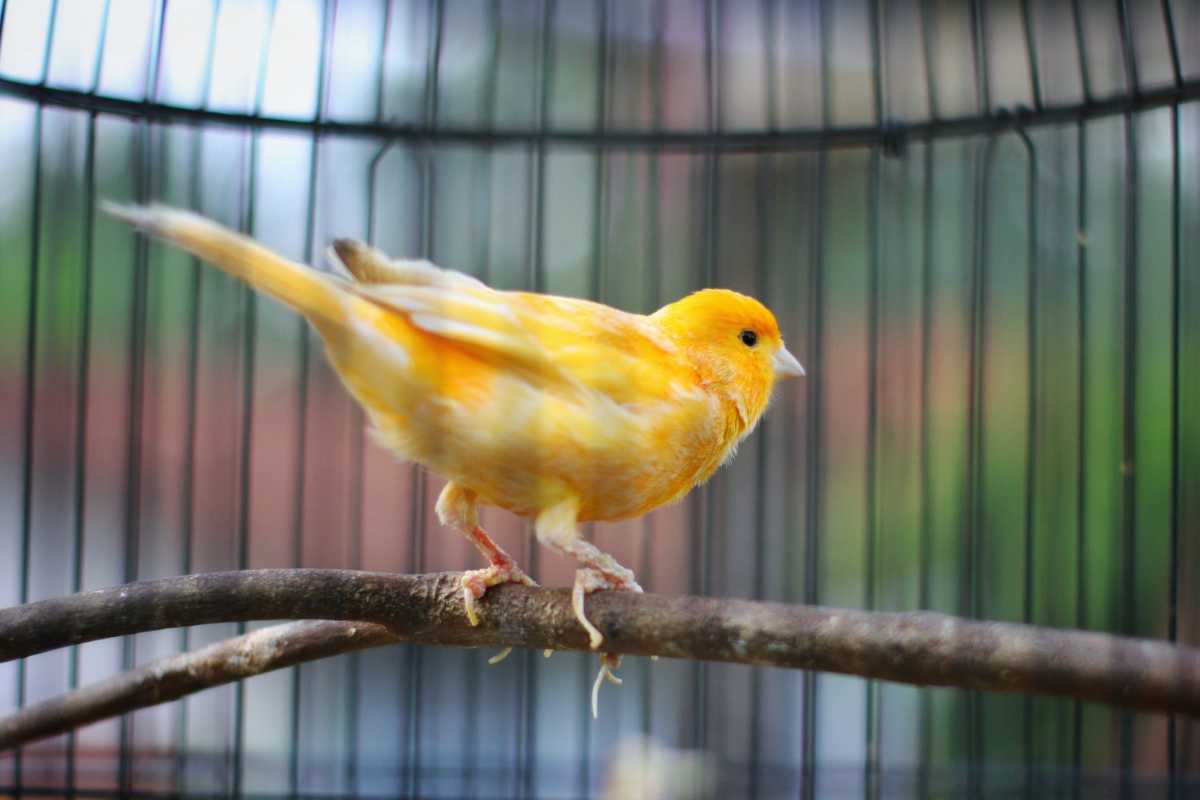
Your first goal isn’t touching the bird—it’s normalizing your presence. Sit near the cage at a distance where the canary watches you without alarm.
Speak softly or whistle quietly while reading or working. Signs of relaxation include light preening, a loose upright posture, soft chips or tentative song, and half-closed eyes during rest.
Signs of stress—rigid posture, flattening into a corner, frantic hopping, or rapid breathing—mean you should give a little more space and reduce stimulation.
Build a predictable daily rhythm. Clean the tray, refresh water, and offer fresh food at roughly the same times.
Predictability teaches the canary what to expect, which lowers vigilance. Keeping the cage in one place helps the bird map its world and settle faster.
Introducing Your Voice and Rewards
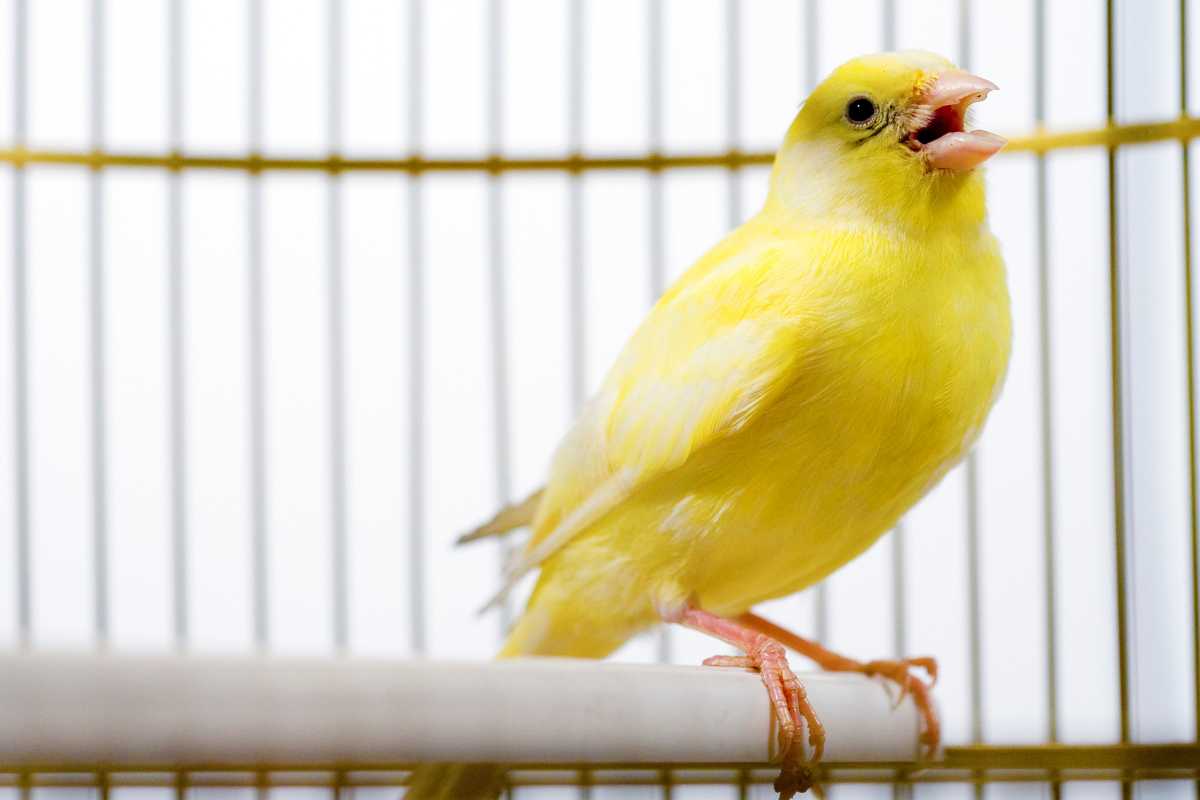
Your voice is a bonding tool. Spend a few minutes each day speaking in a low, even tone, repeating the same short phrases. Canaries learn the cadence of safe, familiar sounds and often answer with more confident singing when they feel secure.
When the bird remains calm while you’re close, introduce high-value rewards. A tiny flake of apple, a small sprig of millet, or a tender leaf held with a clip can become the bridge to your hand.
Begin by offering the treat through the bars; later, open the door without inserting your hand so the canary can approach by choice.
If the bird startles, close the door gently, step back, and try again another day. Pushing past the bird’s threshold breaks trust, so keep every interaction short and positive.
Reading Body Language Like a Pro
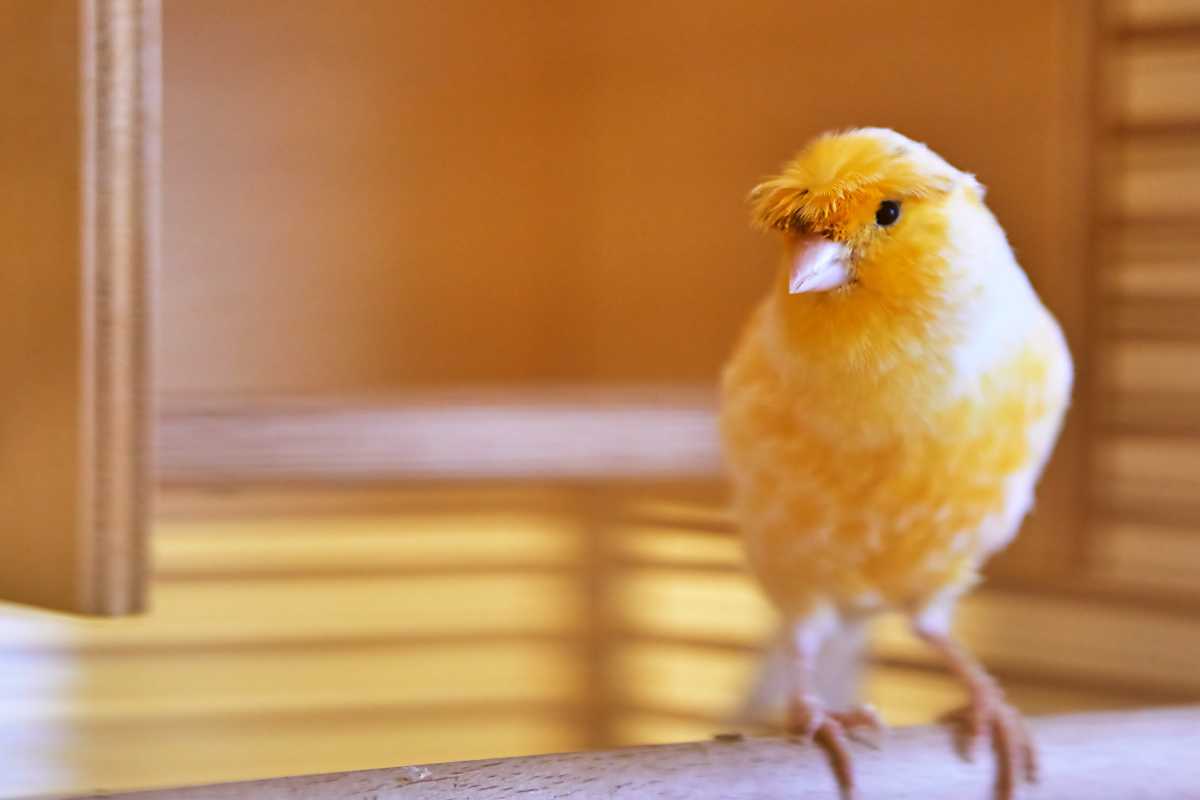
Progress depends on knowing when to advance and when to pause. A comfortable canary keeps sleek feathers, pauses to preen, investigates curiously, and may sing softly while you’re nearby.
An uncomfortable bird leans away, raises its shoulders slightly with tense wings, breathes faster, or seeks the highest perch or a corner.
At the first signs of stress, ease back to the last step where the bird was clearly comfortable. End sessions on a good note—for instance, while the canary is eating or singing—so the final memory of you is pleasant.
Hand Taming Without Pressure
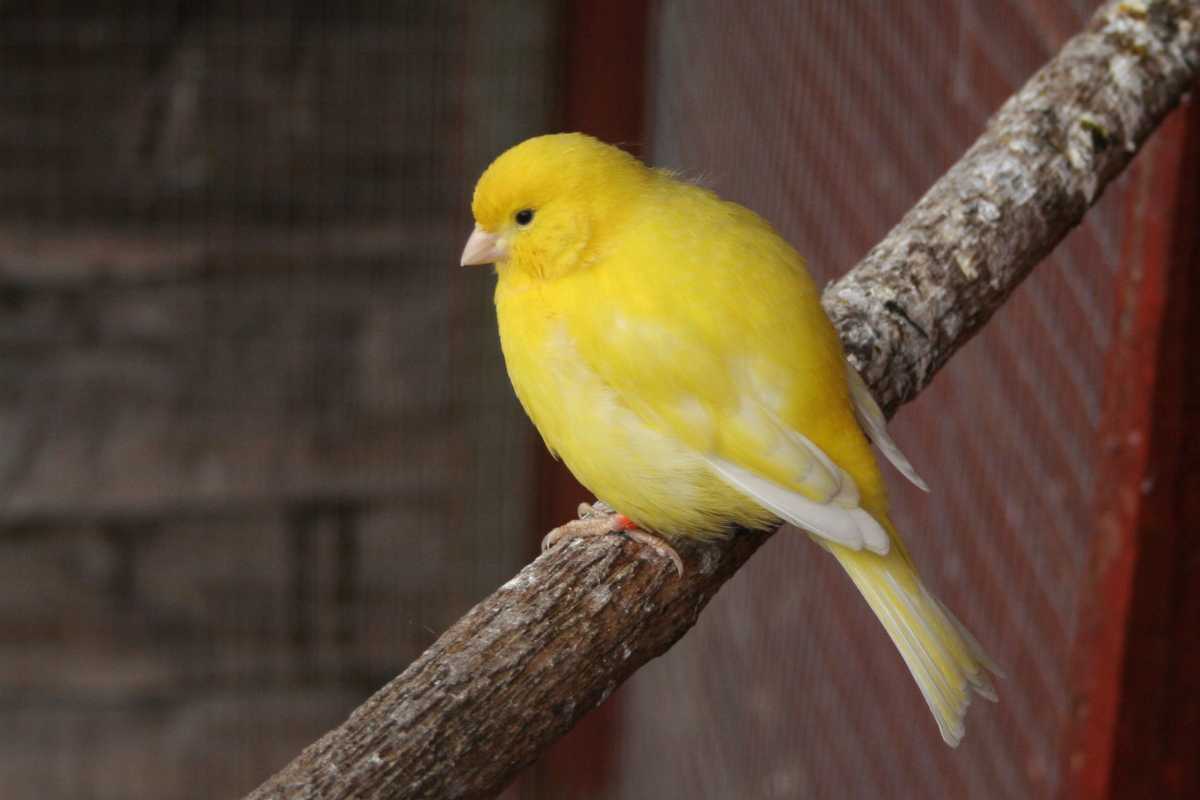
Once the canary accepts treats at the open doorway, begin introducing your hand. Rest it on the threshold first, fingers relaxed, palm low, and remain still.
Your aim isn’t immediate perching—it’s tolerance of your hand in the bird’s space. You can rest a familiar short perch across your fingers so the canary steps onto something it already trusts.
Keep sessions around 5–8 minutes, one or two times daily. Ending early while things are calm is better than staying until the bird becomes uneasy.
You’ll notice small milestones: the canary stands a little closer, nibbles the edge of millet, or remains calm a few seconds longer.
Mark these moments with quiet praise and the smallest possible reward. On days when the bird is edgy—after a noisy storm, visitors, or a molt—return to an earlier, easier step. Weekly consistency matters more than daily leaps.
Enrichment That Supports Taming
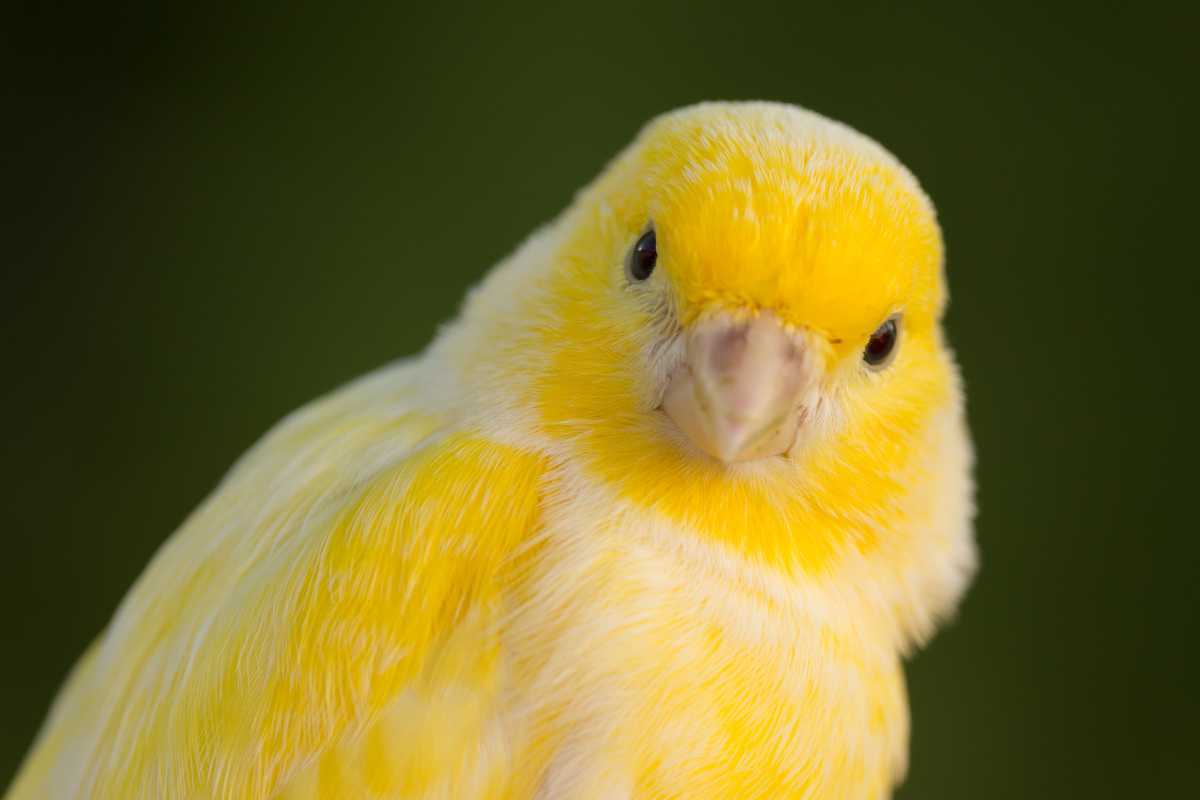
Well-designed enrichment reduces anxiety and accelerates trust. Offer varied natural perches, a swing, and simple chewable toys made from safe plant fibers.
Refresh one or two elements every couple of weeks to spark curiosity without creating chaos.
Bathing is a powerful relaxant: a shallow dish of lukewarm water offered in the morning encourages bathing, followed by prolonged preening. Right after a bath, many canaries are calmer and more receptive to your presence.
When the bird is very confident inside the cage, consider brief, supervised flights in a bird-safe room. Close windows or cover them, switch off ceiling fans, and soften mirrors to prevent collisions.
Keep the cage as the clearly lit “home base” and guide the return with your calm voice and a favorite treat. Managed well, out-of-cage time links your presence with freedom and safety.
Health, Ethics, and Responsible Keeping
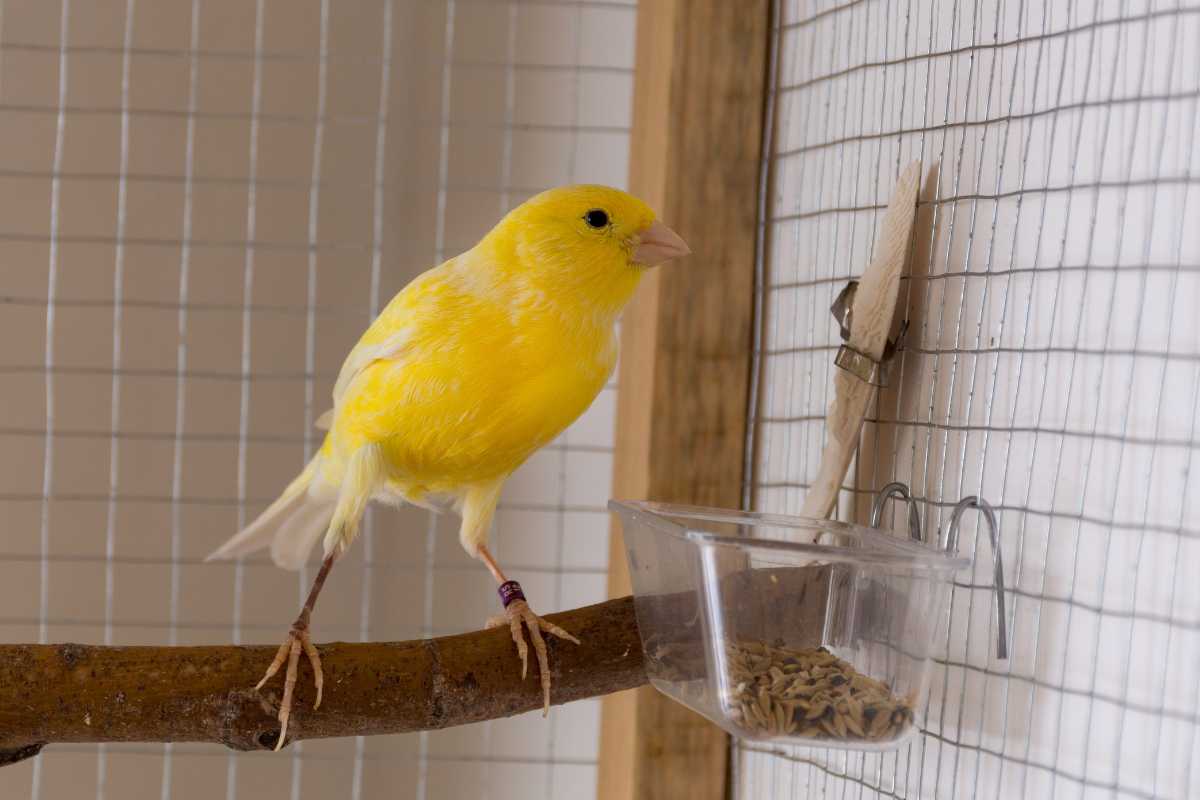
Health underpins every training success. Watch body condition, droppings consistency, nare (nostril) cleanliness, and feather sheen.
Sudden behavior changes—listlessness, persistent silence in a bird that usually sings, open-mouth breathing, or fluffed lethargy—warrant prompt consultation with an avian-experienced veterinarian.
If you bring home a second canary, quarantine it in a separate room for a couple of weeks to protect both birds and reduce social stress.
Remember that domestic canaries descend from Serinus canaria and have been bred in captivity for centuries, but wild birds must never be taken from nature and are protected in many regions.
Source your canary from responsible breeders or licensed stores that document origin.
Also consider social needs: canaries often prefer hearing others to sharing a cage; forced cohabitation can cause conflict or anxiety.
A Flexible Timeline You Can Trust
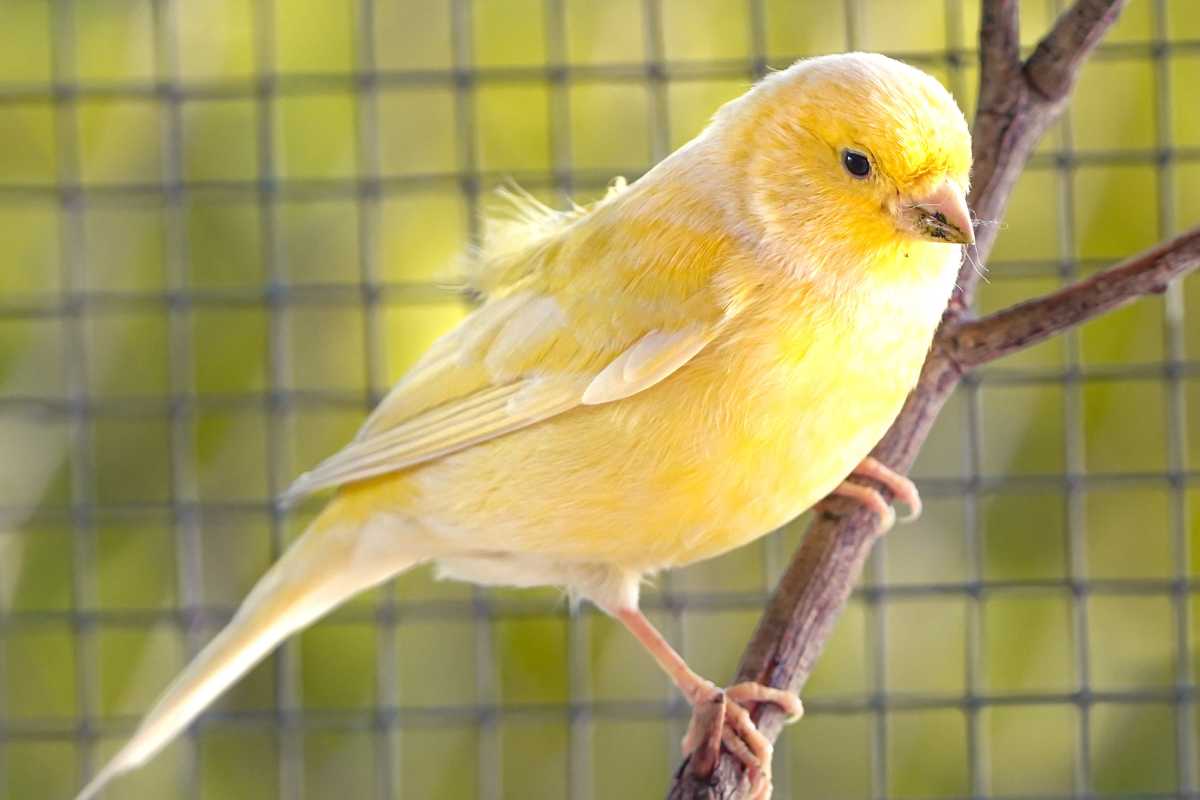
Every bird is an individual, yet many caregivers see a helpful pattern. In week one, the canary recognizes your routine and voice and resumes normal feeding and song even with you nearby.
By week two, many birds accept rewards at the door and show relaxed preening in your presence.
Weeks three and four often bring calm tolerance of your hand at the threshold, exploratory nibbling of millet from your fingers, and, in some individuals, a brief step-up onto a perch resting on your fingers.
If progress stalls or reverses, it isn’t failure—return to the last comfortable step, stabilize for a couple of days, and then try again.
Troubleshooting with Calm
If your canary sings excessively loud or goes unusually quiet, review the environment first: lighting schedule, drafts, startling noises, insufficient bathing opportunities, or a cage placed in a high-traffic corridor can all elevate stress.
If the bird nips at your fingers, don’t yank the treat away—that teaches the bird that nipping “works.” Instead, remain steady, offer the treat slightly farther away, and re-approach when the bird relaxes.
During molt, many canaries are more sensitive and may sing less; prioritize nutrition, bathing, and rest, then resume taming steps when feathers are in again.
Building a Trust-First Relationship

Taming a canary isn’t a race or a checklist; it’s a quiet conversation you repeat every day. By providing ample space, predictable habits, careful reading of body language, and just-right rewards, trust arrives almost without fanfare.
One day you’ll notice the door open and the bird simply stays, sampling an apple flake from your fingertips and singing as if you’re part of the scenery.
That is the true measure of success: a healthy bird that chooses to be calm around you. Keep reinforcing in small steps, celebrate the subtle wins, and let your canary set the tempo. The sweetest song comes from a bird that finally feels at home.
Enjoy This Video Tutorial About Birds

Source: Alen AxP

You may also like