
Stable Safety: 5 Tips for Safely Handling Your Horse's Legs


When it comes to caring for your horse, handling its legs safely is one of the most important aspects of maintaining both your horse’s health and your safety.
Whether you’re grooming, performing routine care, or managing an injury, it’s essential to understand the best practices for handling the legs of your horse.
This not only prevents injuries but also strengthens the bond of trust between you and your horse.
Why Proper Leg Handling Matters
Horses rely heavily on their legs for movement, and any injury or stress on them can lead to long-term issues. Proper leg handling also promotes better circulation, muscle relaxation, and a calm demeanor in your horse.
With the right techniques, you can ensure that your horse stays comfortable during any necessary leg care.
1. Approach Your Horse Calmly and Confidently

The first step in safe leg handling is how you approach your horse. Horses are sensitive animals, and they can easily become startled by sudden movements or changes in the environment.
When you approach your horse’s legs, do so in a calm and confident manner.
Why this works: Horses respond well to calmness and consistency. A nervous approach can make your horse anxious, making the process much more difficult.
Speak gently to your horse, and approach from the front or side, so your horse sees you coming. This reduces the chances of startling them.
2. Know the Proper Positioning
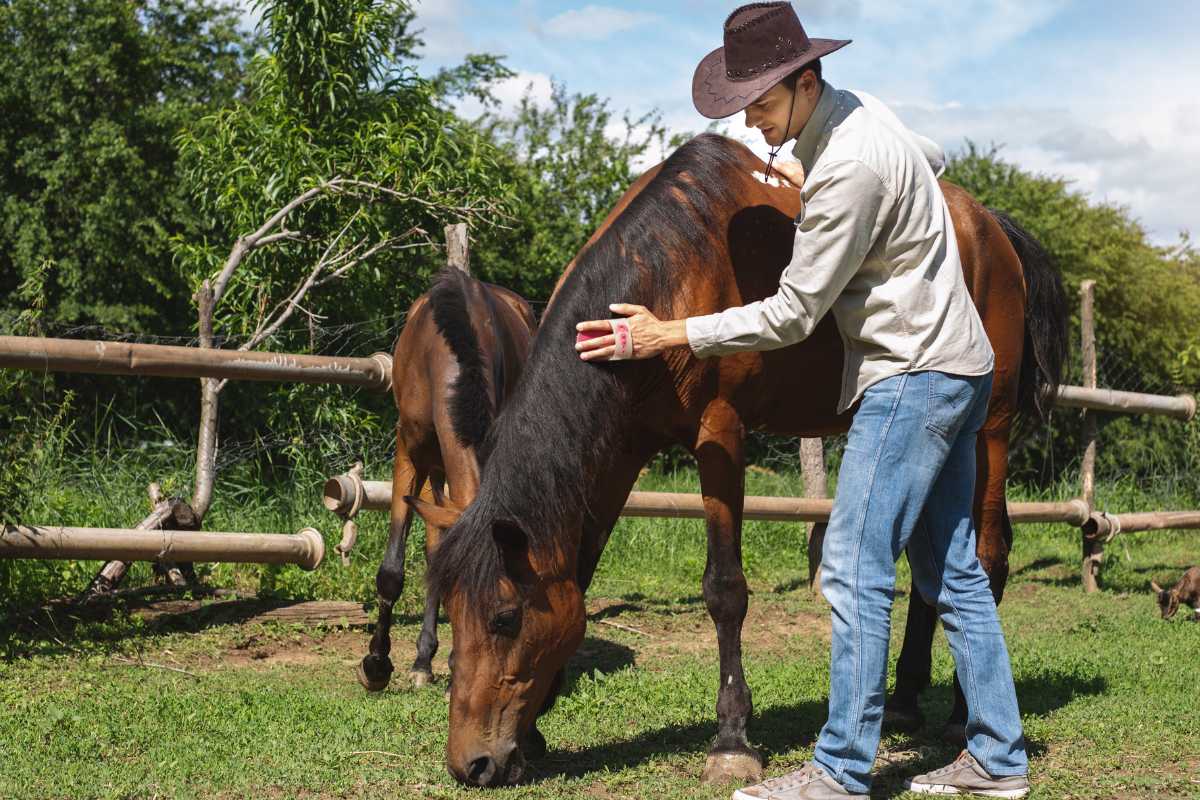
Knowing where to stand and how to position yourself is key for safety. Ideally, always position yourself on the same side as the horse’s leg you are working on.
Make sure you stand close enough to support the leg, but not so close that you’re in danger if the horse moves suddenly.
Tip: Stand near the horse’s shoulder when handling its front legs and near the rear when dealing with the back legs. Keep a safe distance, but close enough to have control if the horse makes an unexpected move.
Always keep your body aligned to avoid stepping on the horse’s hooves.
3. Use Gentle Leg Lifts and Support
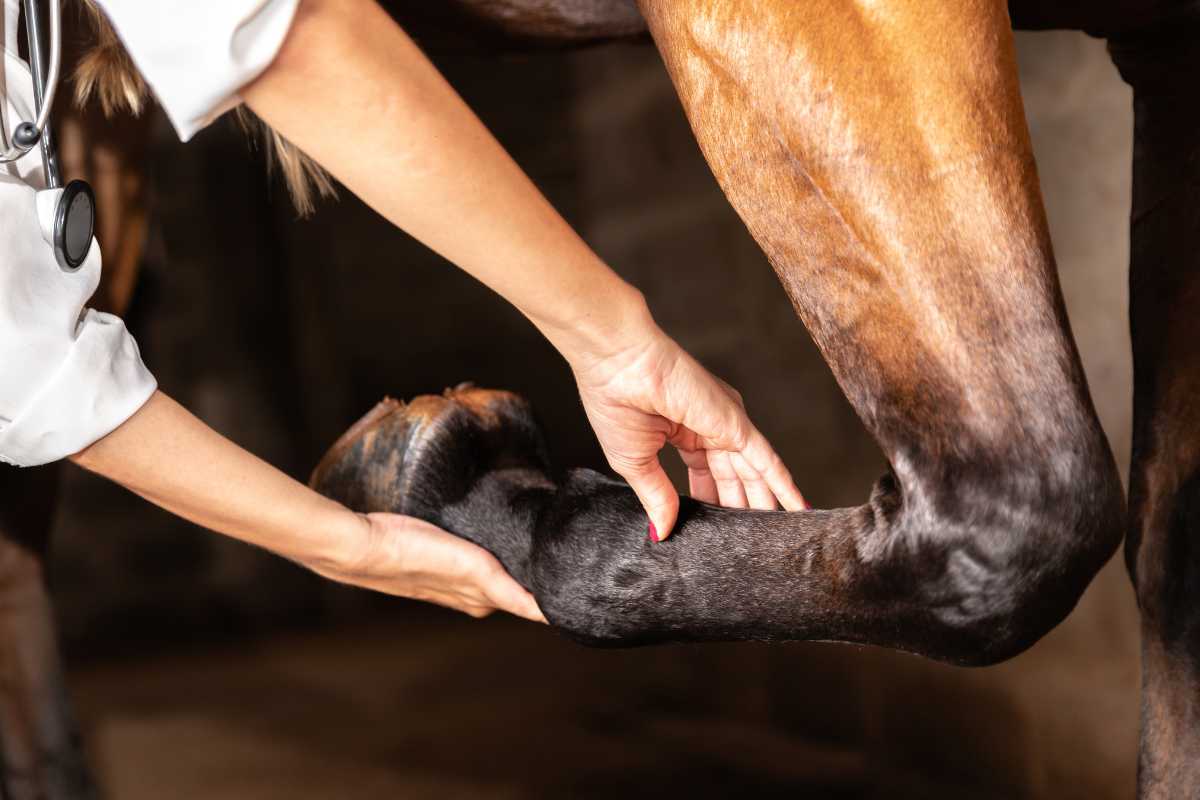
When you need to lift your horse’s leg, use gentle but firm pressure to ensure that the horse feels safe and supported.
Gently run your hand down the front of the leg to reassure your horse before lifting it. Never yank the leg abruptly, as this can cause pain or confusion.
Why this works: By gently guiding the horse's leg upwards, you ensure that the weight is gradually shifted, and the horse feels supported.
Avoid lifting a horse’s leg without support from your other hand, especially if the horse is not used to the motion.
4. Be Mindful of the Horse's Comfort
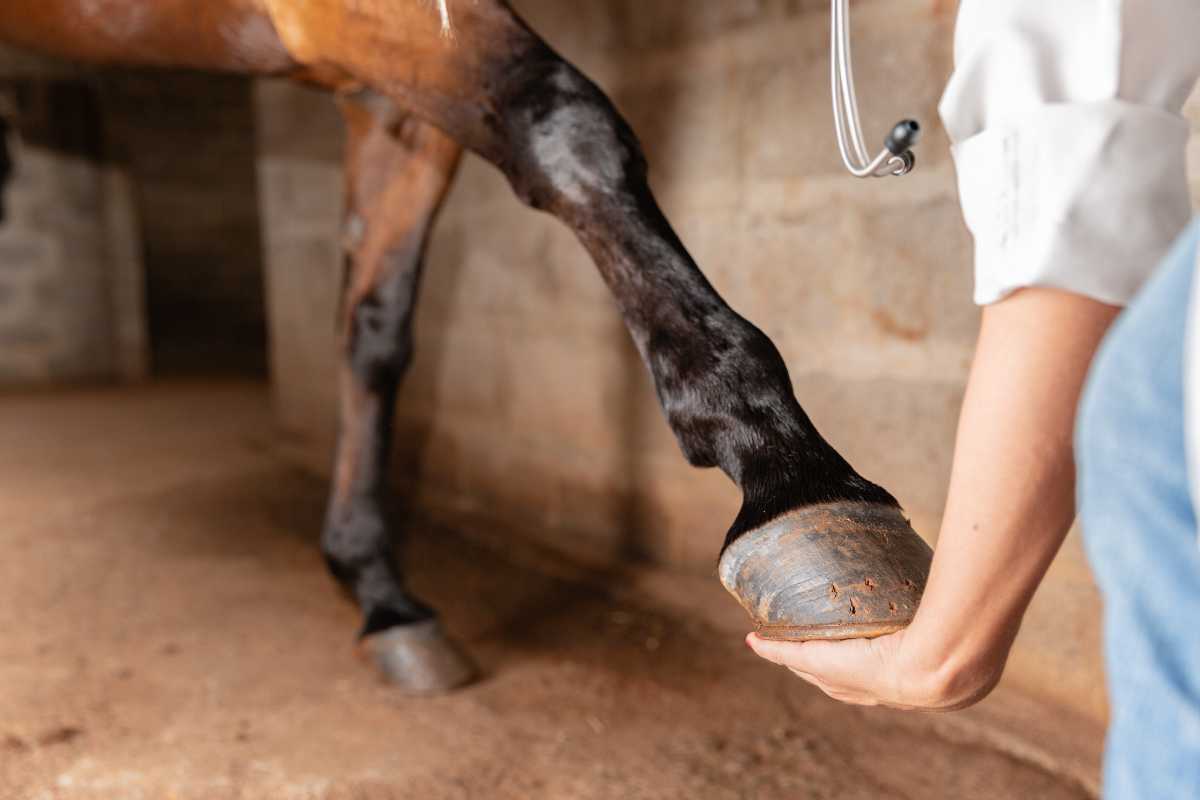
When caring for your horse’s legs, always be mindful of its comfort level. If your horse shows signs of discomfort or resistance, stop immediately and reassess your approach.
It’s crucial to recognize when your horse might be in pain or stressed.
Tip: Horses have unique temperaments and tolerances, so always observe body language for signs of discomfort.
Pinning ears, swishing tails, or stomping hooves are often indicators that something is wrong. If you notice these signs, take a break and approach the situation with more caution.
5. Establish Trust and Positive Associations
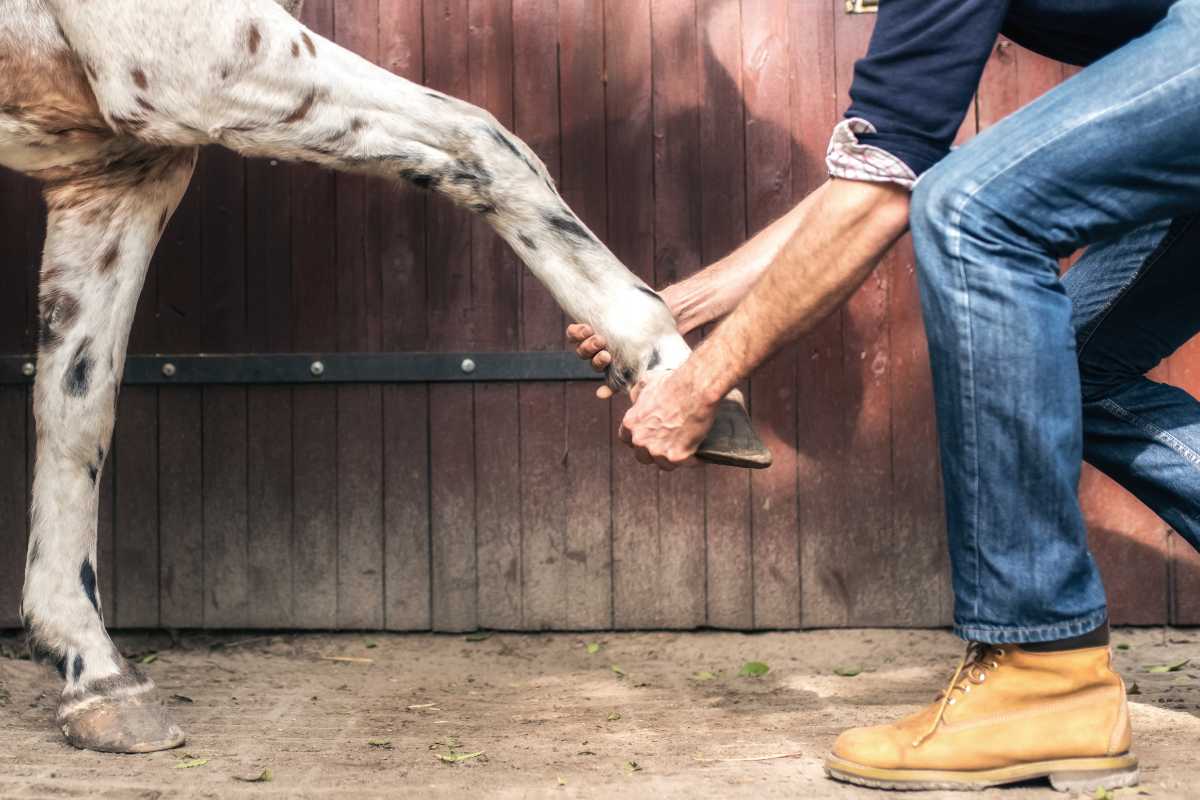
Creating a positive experience every time you handle your horse’s legs is vital. Regularly handling your horse’s legs, even for short periods, helps build trust.
If you make it a comfortable and rewarding experience for your horse, it will become more cooperative in future sessions.
Tip: After handling your horse’s legs, reward them with gentle praise, a treat, or extra grooming. This helps reinforce positive behavior, making future leg care easier and more comfortable for both of you.
Signs Your Horse Might Need Extra Care
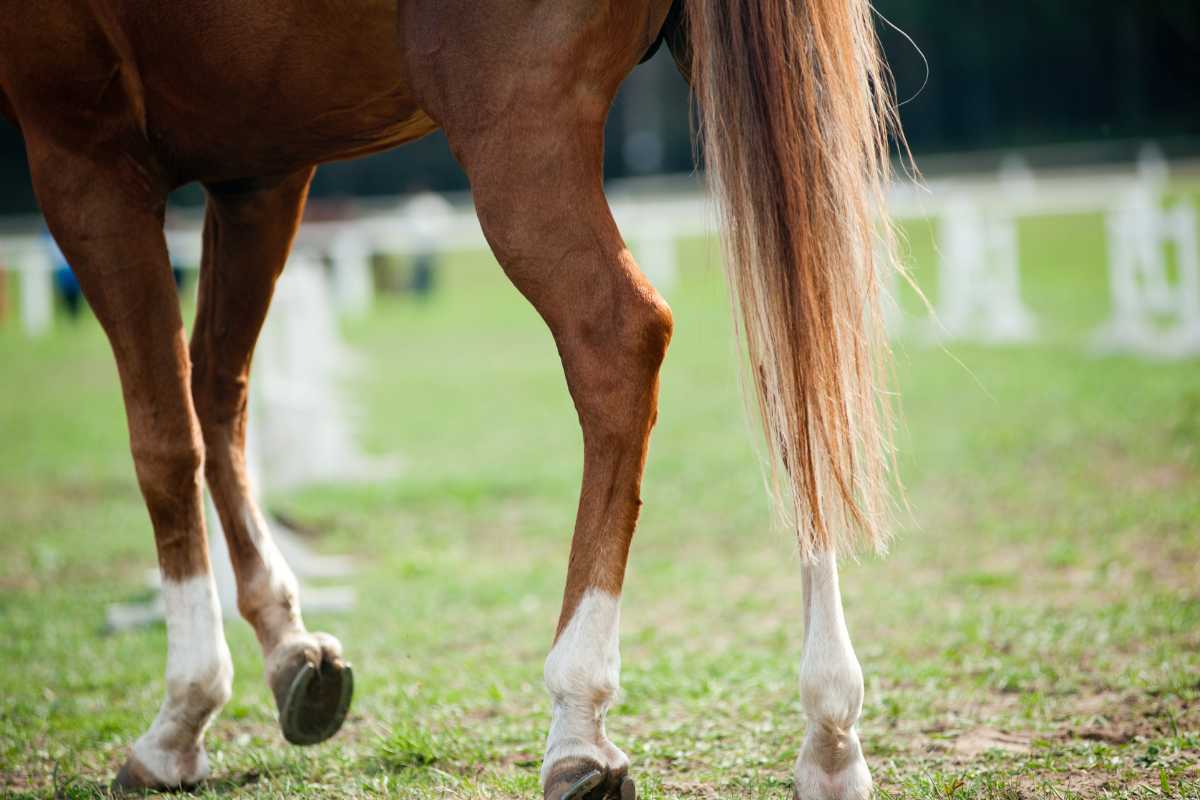
It’s important to stay vigilant when handling your horse’s legs, as some situations might require more specialized care. If you notice any of the following, it's a good idea to call your veterinarian:
Swelling or heat in the legs
Lameness or difficulty moving
Visible cuts or injuries that don't seem to heal properly
In these cases, consulting with a veterinary professional ensures that your horse receives the right treatment. Regular check-ups can help prevent long-term complications and allow you to act quickly in the event of an injury.
Building a Stronger Bond Through Care

While handling your horse’s legs is a practical skill, it’s also an opportunity to strengthen the bond you share with your horse.
Every time you handle your horse calmly and confidently, you build mutual trust. This relationship is critical for training and other care routines.
Why this is important: Horses are herd animals that rely on their bonds with others for safety and emotional well-being. A horse that trusts its handler is more likely to remain calm and cooperative, even in stressful situations.
Final Thoughts on Horse Leg Safety

Handling a horse’s legs may seem like a straightforward task, but it’s one that requires patience, confidence, and careful attention.
By following these five tips, you’ll ensure that you can care for your horse’s legs safely and effectively while building trust and understanding between you and your horse.
Remember that safety is key, but so is creating a comfortable and positive experience for your horse.
As you continue to handle your horse’s legs, always aim to improve your technique and observe how your horse responds.
A calm, reassuring approach not only keeps your horse safe but also strengthens your relationship, making routine care a positive experience for both of you.
Enjoy The Video About Horses

Source: Basic Horse Training
Did you find this post useful or inspiring? Save THIS PIN to your Pets Board on Pinterest!

You may also like