
Summer Care for Rabbits - How to Keep Your Bunny Cool & Comfortable


Summer can be a challenging season for rabbits. These delicate animals are highly sensitive to heat and can quickly become stressed or even suffer from heatstroke if not properly cared for.
Because they don’t sweat and rely mostly on their ears to regulate temperature, hot weather demands special attention. Keeping your bunny cool and comfortable during warm months is crucial for its well-being.
This article will explore effective ways to create a safe and refreshing environment so your rabbit can enjoy summer safely.
Recognizing the Effects of Heat on Rabbits
Unlike humans, rabbits cannot cool themselves by sweating, which makes them vulnerable to heat-related issues. When exposed to high temperatures, they try to dissipate heat through their large ears.
You may notice your pet’s ears feeling warm or flushed, along with signs like heavy or rapid breathing, lethargy, drooling, or decreased appetite.
These are early warnings that your bunny is struggling with the heat and needs immediate care. Knowing these signals allows you to intervene quickly and prevent serious health consequences.
Creating an Ideal Environment to Beat the Heat
One of the most important aspects of summer care is providing a cool living space. If your rabbit lives outdoors, place the hutch in a shady spot, preferably under natural shade like trees or a covered patio, where there is good air circulation but no direct sunlight.
For indoor rabbits, make sure their enclosure is away from windows that receive intense sun during the day. Using fans can help circulate air, but avoid blowing cold air directly onto your pet, as this could cause discomfort.
Aim for a space that stays between 60°F and 70°F (15°C to 21°C), which is comfortable for most rabbits.
Adding cooling surfaces inside the enclosure can help lower body temperature. Ceramic tiles or chilled water bottles wrapped in a cloth provide a cool spot for your bunny to rest.
Special cooling mats designed for pets can also be effective but always monitor your pet’s comfort level to avoid cold stress. Keep the enclosure clean and dry, since humidity combined with heat can worsen discomfort.
Keeping Your Bunny Hydrated and Nourished
Water is vital all year but especially during hot weather. Always provide fresh, clean water and check it multiple times daily. Some rabbits prefer drinking from a bowl, while others like water bottles, so offer whichever your bunny favors.
Adding ice cubes can help keep water cool and encourage drinking, which is essential to prevent dehydration.
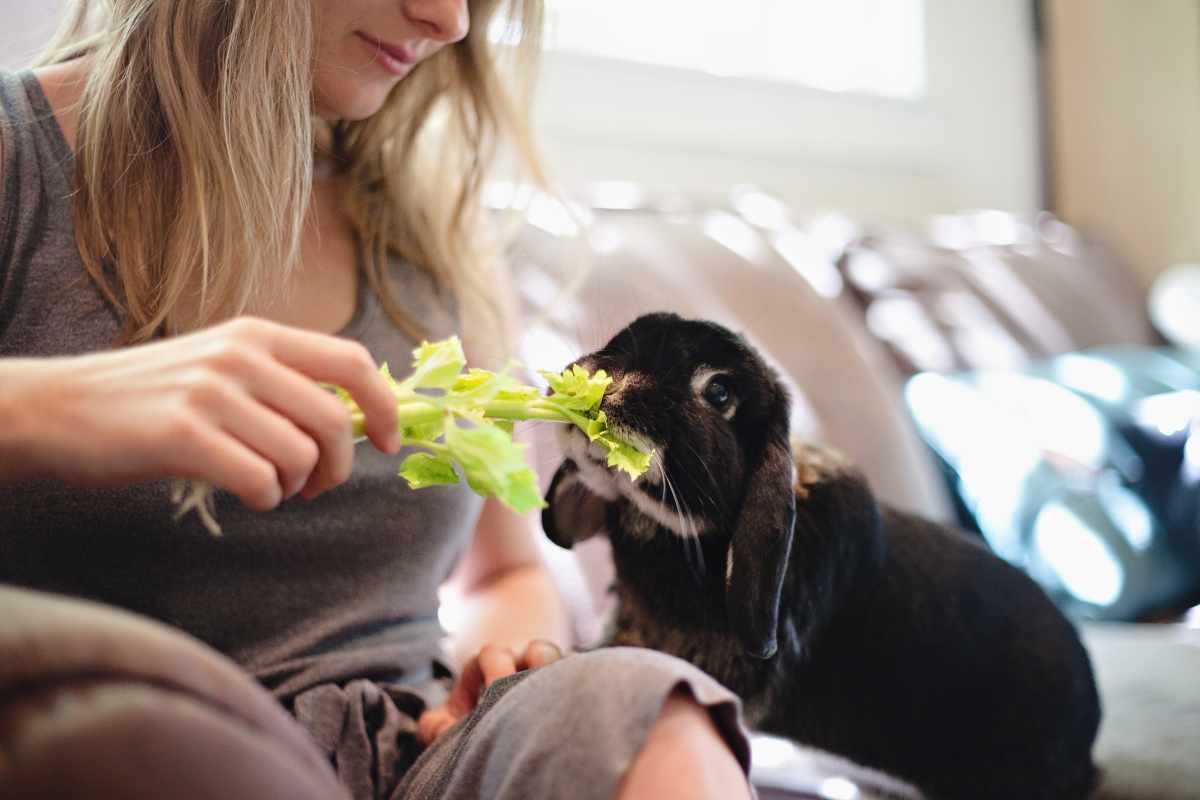
Summer diets benefit from including water-rich vegetables such as cucumber, celery, and leafy greens. These not only hydrate but also supply important nutrients. Avoid excessive sugary fruits, as they can upset your rabbit’s digestion.
Hay should remain the staple of your bunny’s diet, supporting healthy digestion and providing necessary fiber.
Grooming to Support Comfort
Many rabbits shed heavily during warm months. Removing excess fur by brushing is crucial because a thick coat traps heat and can make your pet uncomfortable.
Regular grooming helps air reach the skin more easily and reduces the risk of fur blockages in the digestive system caused by self-grooming.
Use brushes suitable for your rabbit’s fur type and make grooming sessions gentle and calm to strengthen your bond.
Balancing Exercise and Rest
Physical activity is essential, but high temperatures require some adjustments. Schedule playtime and exercise during the coolest parts of the day — early mornings or late evenings.
Provide shaded areas with cool surfaces like tiles for your bunny to rest on during and after the activity. Watch for signs of overheating, such as panting or slowing down, and allow your pet to relax as needed.
If your rabbit spends time outdoors, supervision is key. Sudden exposure to direct sunlight or heat waves can be dangerous. Use portable shade structures or natural cover to protect your bunny while still letting it enjoy fresh air. Always be ready to bring your pet inside if conditions worsen.
Watching for Health Risks and Acting Fast
Heatstroke can develop quickly if rabbits are left exposed to extreme heat. Be vigilant about any changes in behavior or appearance. Symptoms such as drooling, unsteady movements, weakness, or collapse require immediate veterinary care.
Prevention is the best approach — by providing cool environments, hydration, and attentive care, you minimize the risk of heat-related emergencies.
Keep in mind that warm weather also increases the presence of parasites like fleas and ticks. Maintaining hygiene and using safe parasite prevention methods recommended by your vet protect your bunny from additional stress and health problems.
Creating a Calm Atmosphere to Reduce Stress
Heat can be stressful for rabbits, affecting their mood and health. Providing hiding spots, familiar toys, and gentle interactions creates a secure environment that helps reduce anxiety.
Consistent routines for feeding and care offer predictability, which comforts your pet and supports overall well-being during seasonal changes.
Caring for rabbits during the warmer months means paying close attention to their environment, diet, activity, and health signals. With a few simple but effective adjustments, you can ensure your bunny stays cool, hydrated, and relaxed throughout the summer.
Each rabbit has unique preferences, so observe your pet and adapt care to its needs. Prioritizing comfort and safety allows your companion to thrive even when the temperatures rise, making the season enjoyable for both of you.
Did you find this post useful or inspiring? Save THIS PIN to your PETS Board on Pinterest!
You may also like