
Teaching a Dog to Sit in a Short Time


Training your dog to sit is one of the most fundamental and effective commands you can teach. Not only does it make your dog more obedient, but it also helps strengthen the bond between you and your pet.
In this article, we’ll walk you through the step-by-step process of teaching your dog to sit quickly, offering tips and techniques to ensure success.
Why Teaching Your Dog to Sit is Important
Teaching your dog to sit is a crucial foundation for further training. The "sit" command is a calm and controlled behavior that sets the stage for other commands like stay, come, or lay down.
It’s also incredibly useful in everyday situations, like when your dog needs to wait at the door or refrain from jumping on guests.
By learning to sit, your dog gains focus, and you gain a reliable, well-behaved companion. It’s a win-win!

Step-by-Step Guide to Teaching Your Dog to Sit
Now that we understand the importance of this command, let's dive into the steps for teaching your dog to sit.
Step 1: Prepare Your Dog and Set the Scene
Before you start, it’s important to set the stage for success. Choose a quiet, distraction-free space where your dog can focus on you without getting distracted by other pets, people, or sounds. This could be a room in your home or a quiet backyard area.
Pro Tip: Have a few of your dog's favorite treats on hand. This will be essential for positive reinforcement.
Step 2: Get Your Dog’s Attention
To begin, you need your dog’s attention. Call their name or show them the treat you’ll be using as a reward. Hold it just in front of their nose so they are focused on it.
This will help them understand that the training involves something they want.

Once your dog is focused, you can proceed to the next step.
Step 3: Lure Your Dog into a Sitting Position
With the treat in your hand, slowly move it upward and backward over their head. As the treat moves, your dog will naturally lower their rear end to follow the motion of the treat.
Key Tip: Be patient and allow your dog to move naturally into the sitting position. Don’t force them down, as this can make the process confusing.
As soon as your dog’s bottom touches the ground, immediately say the word “sit” in a clear, calm voice and reward them with the treat.
Step 4: Reinforce with Praise and a Treat
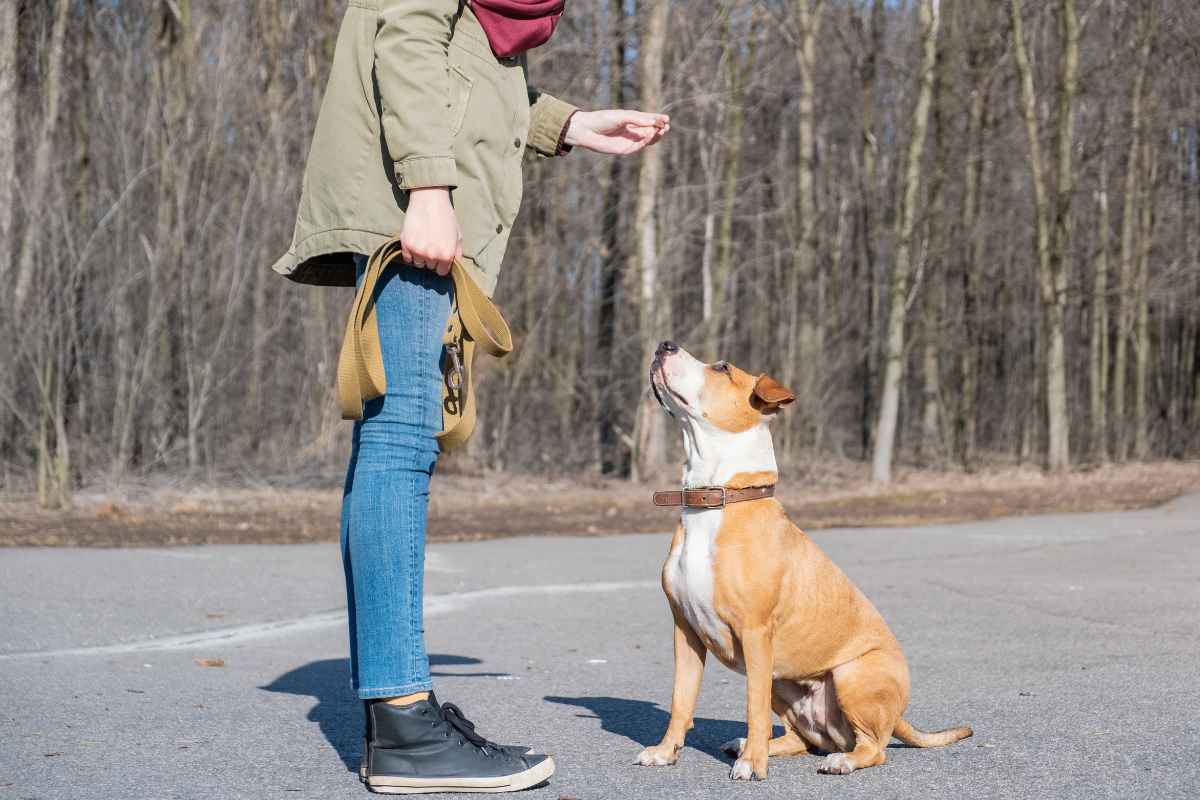
When your dog sits, praise them enthusiastically. Saying something like, “Good boy/girl!” will help your dog understand that they’ve done something right.
Always reward with a treat right after the behavior, as this helps your dog associate sitting with a positive experience.
Important: Keep the praise and treat coming in quick succession, so your dog understands that sitting results in a reward.
Step 5: Repeat the Process
Training takes repetition, so don’t be discouraged if your dog doesn’t sit perfectly on the first try. Repeat the process several times in short, positive sessions.
Dogs learn best in short bursts of training, so aim for 5 to 10-minute sessions, 2-3 times a day.
Pro Tip: If your dog seems distracted or loses focus, take a short break and try again later. Dogs, especially puppies, can get overwhelmed if training sessions are too long.
Troubleshooting Common Problems
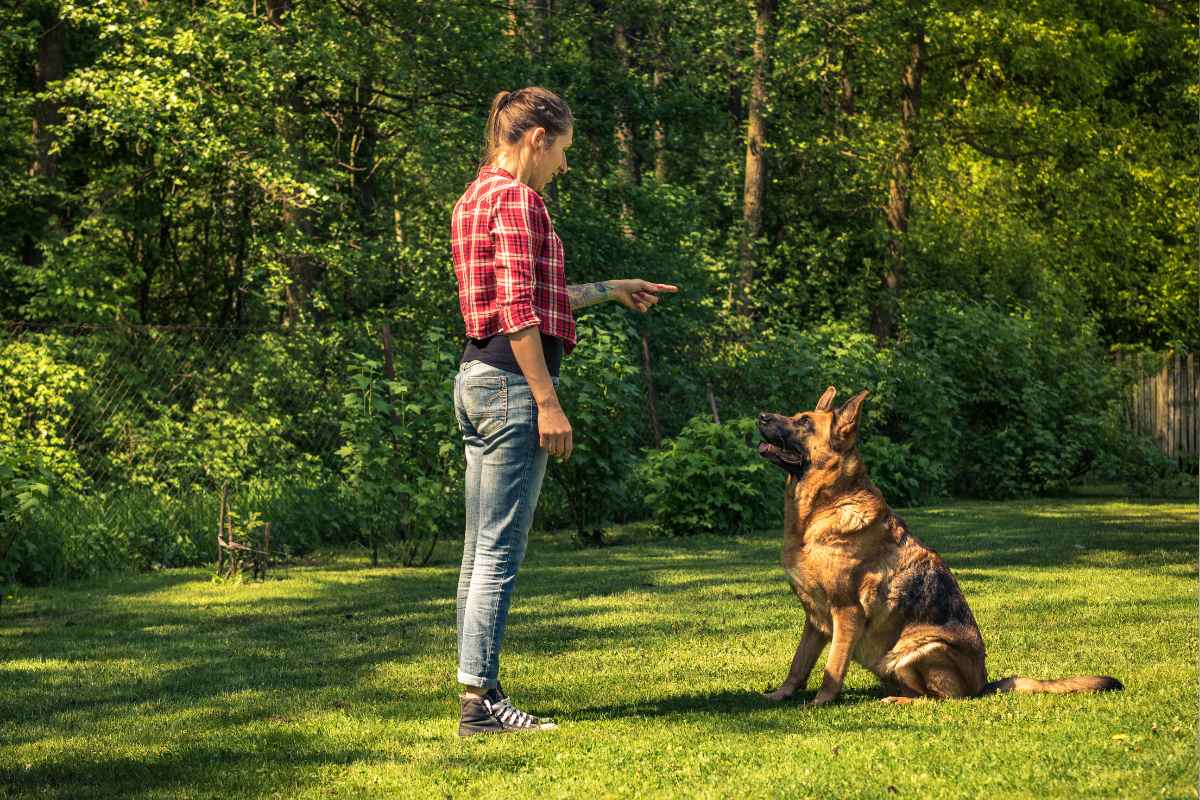
It’s common for owners to encounter a few challenges when teaching their dogs to sit. Here are some solutions to common problems you might face:
Problem: Your Dog Doesn’t Understand the Command
If your dog doesn’t seem to understand the “sit” command, don’t worry! Some dogs need a little extra time. Try using a hand signal along with the verbal cue.
You can raise your hand above your dog’s head and bring it back down toward the ground in a slow motion, guiding them into the sitting position.
Tip: Be consistent with both the hand signal and verbal command. Dogs thrive on consistency and repetition.
Problem: Your Dog Jumps or Moves Around During Training
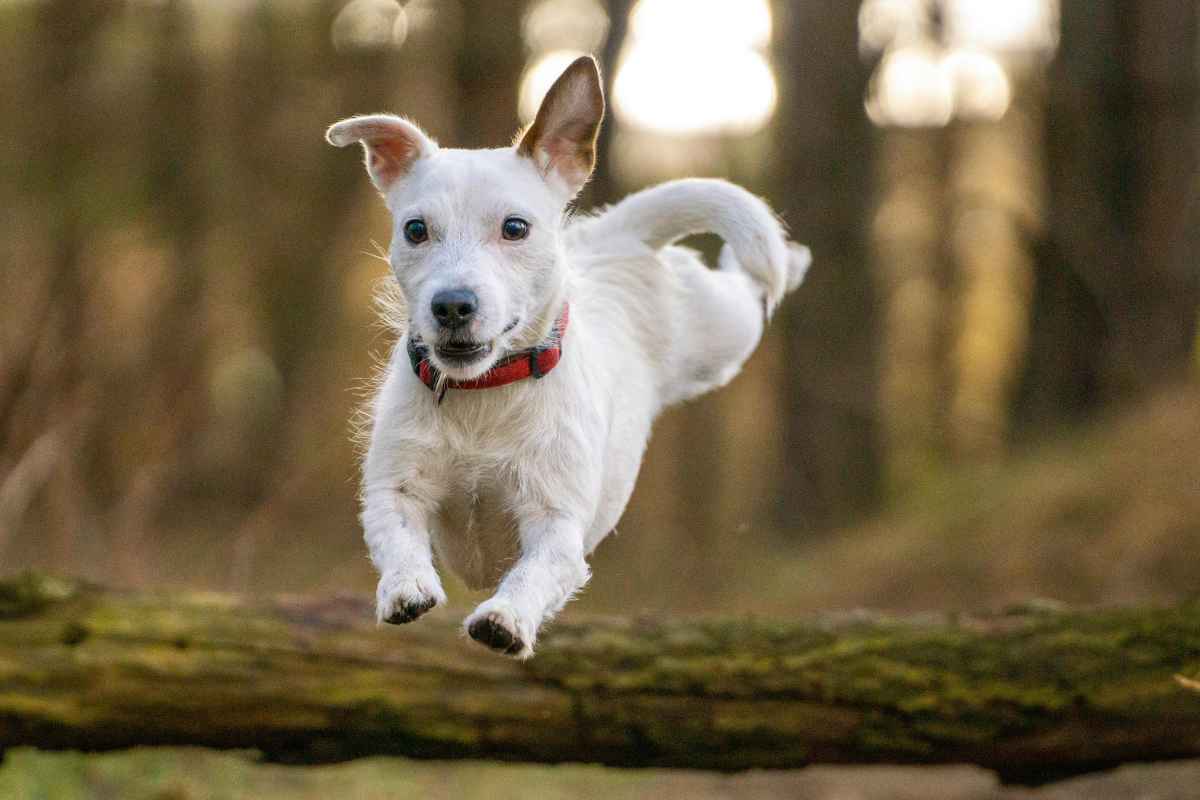
If your dog keeps jumping or moving around, they may be overly excited or distracted. To combat this, ensure you’re in a quiet, calm space and make the training sessions a bit shorter.
If necessary, try training your dog in stages. Begin with teaching them to focus on the treat before asking them to sit.
Tip: Avoid pushing or pulling your dog into the sitting position, as this can cause frustration and confusion.
Problem: Your Dog Only Sits When Lured
If your dog only sits when you have the treat in your hand, it’s time to start fading out the luring motion. Start using your hand to signal the sit without the treat, and reward them after they sit.
Gradually reduce the treat’s visibility so your dog starts responding to just your voice and hand signals.
Building Consistency and Adding Distractions
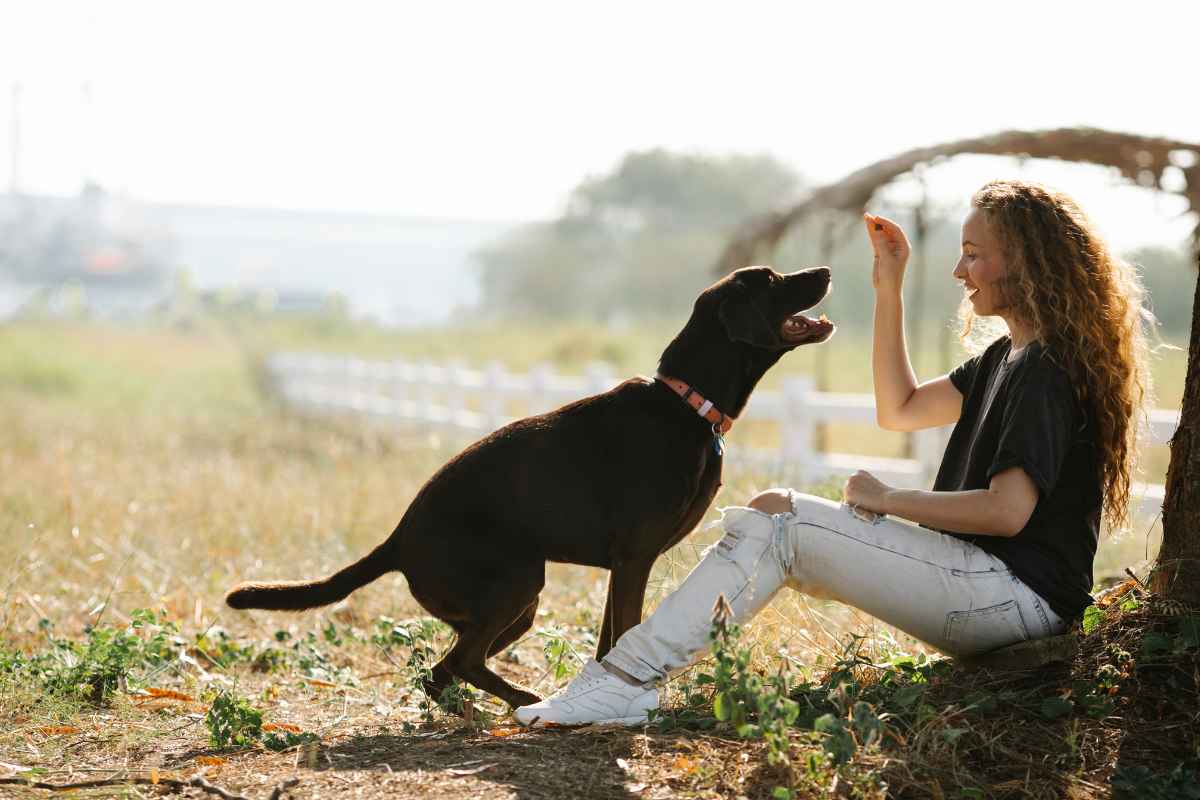
Once your dog is sitting reliably in a quiet space, it’s time to increase the challenge. Gradually add distractions, such as other people, pets, or sounds, to ensure your dog can sit in various environments.
You can also begin to add duration by having them sit for a few seconds before rewarding them.
Important: Always ensure the distractions aren’t overwhelming for your dog. If they’re too distracted, take a step back and practice in a quieter space.
Advanced Tips for Successful Training
If your dog is mastering the basic “sit” command, here are some tips to help you take their training to the next level:
1. Practice in Different Locations
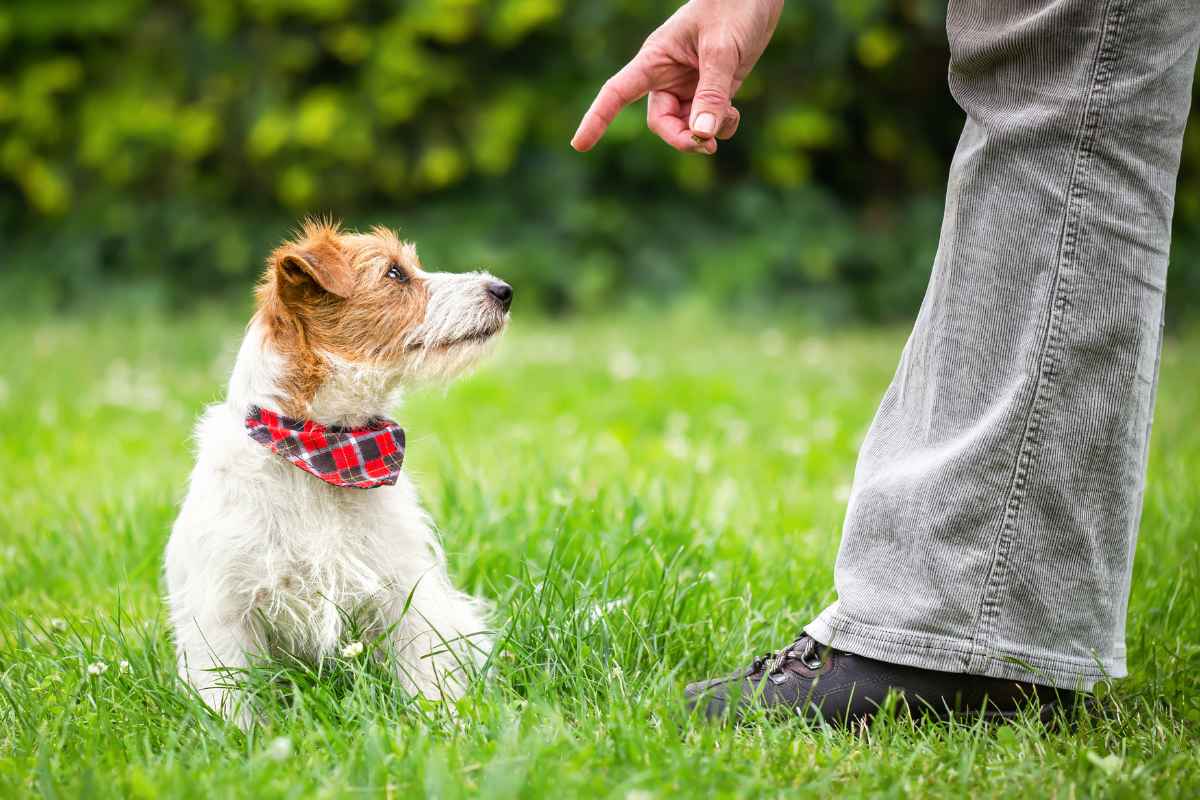
Training in multiple environments helps your dog learn that the command applies no matter where they are. Start in your living room and gradually move to other places, such as the park or a friend’s house.
2. Integrate Sit into Daily Activities
Once your dog understands the “sit” command, start using it in real-world situations. Ask your dog to sit before feeding them, opening the door, or while getting ready for walks. This helps reinforce the behavior and encourages good habits.
Final Thoughts: Training is a Continuous Journey
Teaching your dog to sit in a short time is just the beginning of your training journey together. Consistency, patience, and positive reinforcement are key elements of successful training.
Remember, every dog learns at their own pace, and some dogs may need more time and practice than others.
Pro Tip: Make training a fun and positive experience for both you and your dog. Keep sessions lighthearted and rewarding, and your dog will learn not just to sit, but to trust and enjoy the learning process.
By mastering the “sit” command, you're building a foundation for a well-behaved, well-adjusted dog who can enjoy a wide variety of activities and commands as they grow. Happy training!
Enjoy This Video Tutorial About How to Teach your Puppy to Sit

Source: Zak George’s Dog Training Revolution
Did you find this post useful or inspiring? Save THIS PIN to your Pets Board on Pinterest! 😊

You may also like