
Teaching Your Cat to High-Five: A Paw-some Trick!


Want a quick, joyful trick that deepens your bond and keeps your cat’s brain buzzing? Teaching your cat to high-five is a perfect starter.
It’s fast to learn, adorable on camera, and—done right—builds trust through positive reinforcement.
Below you’ll find a friendly, no-pressure approach based on clicker training for cats (or a simple marker word like “Yes”) that favors tiny wins, short sessions, and lots of celebration.
The Feel-Good Benefits
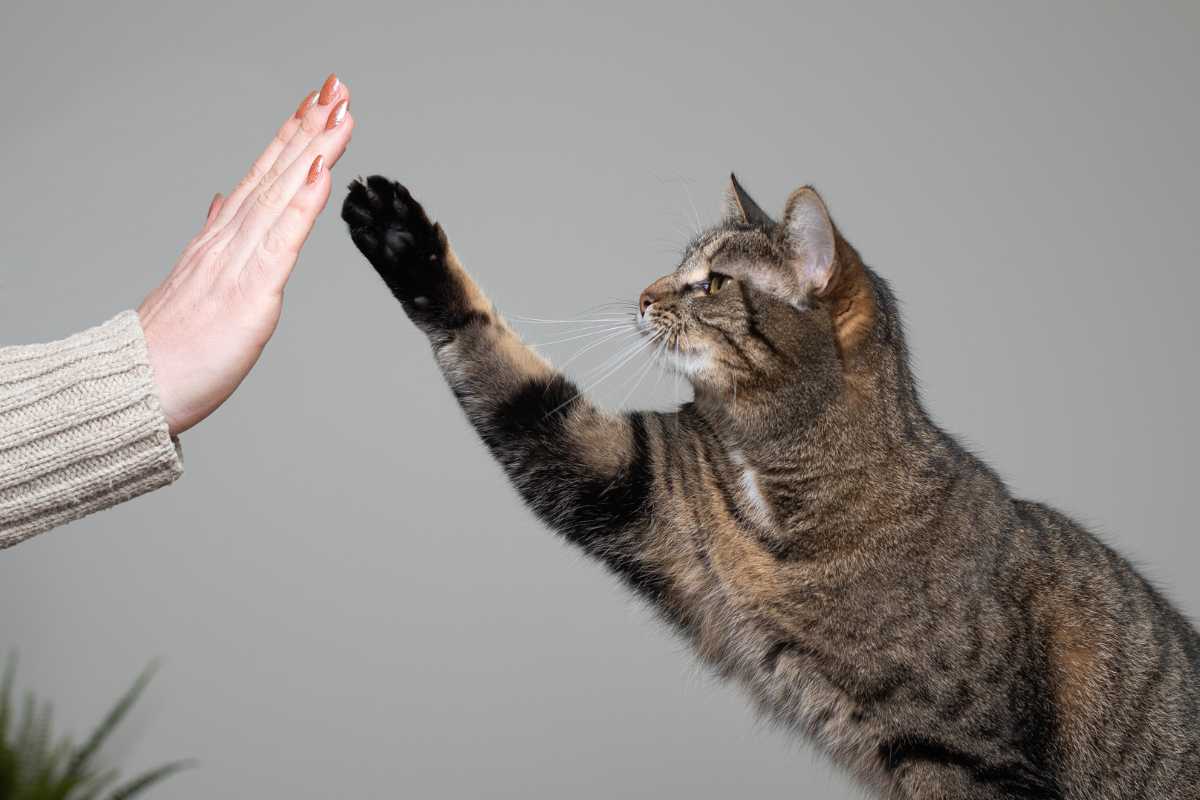
A high-five is more than a party trick. It’s structured enrichment that gives your cat choice and control, which reduces stress and increases confidence.
It helps with paw handling in a playful way, making nail care and vet checks less dramatic over time.
You’ll also see better focus, faster response to cues, and a noticeable boost in the human-cat relationship—because your cat learns that engaging with you reliably leads to something good.
What You’ll Use (and why it matters)
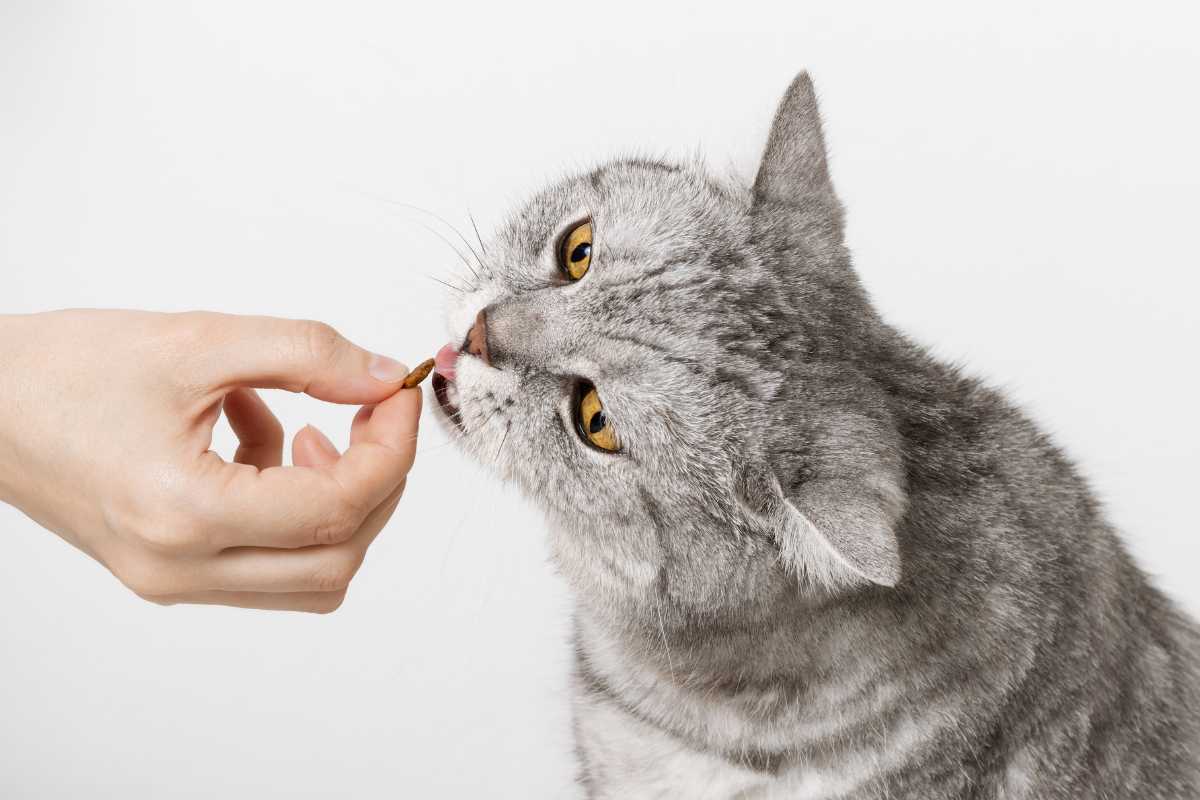
High-value treats: Think soft, aromatic, and tiny. The goal is quick chewing so the session stays smooth.
Clicker or marker word (“Yes”): This precisely tells your cat, “That moment right there was perfect.” If your cat dislikes the click, use a marker word in a gentle tone.
Your open hand: The eventual target for the high-five. An open palm is clear and easy to see.
Stable surface: A non-slip mat boosts confidence and helps sensitive cats feel anchored.
Everything here supports timing, clarity, and comfort—the three pillars of stress-free training.
How Cats Learn New Tricks (The Shaping Mindset)
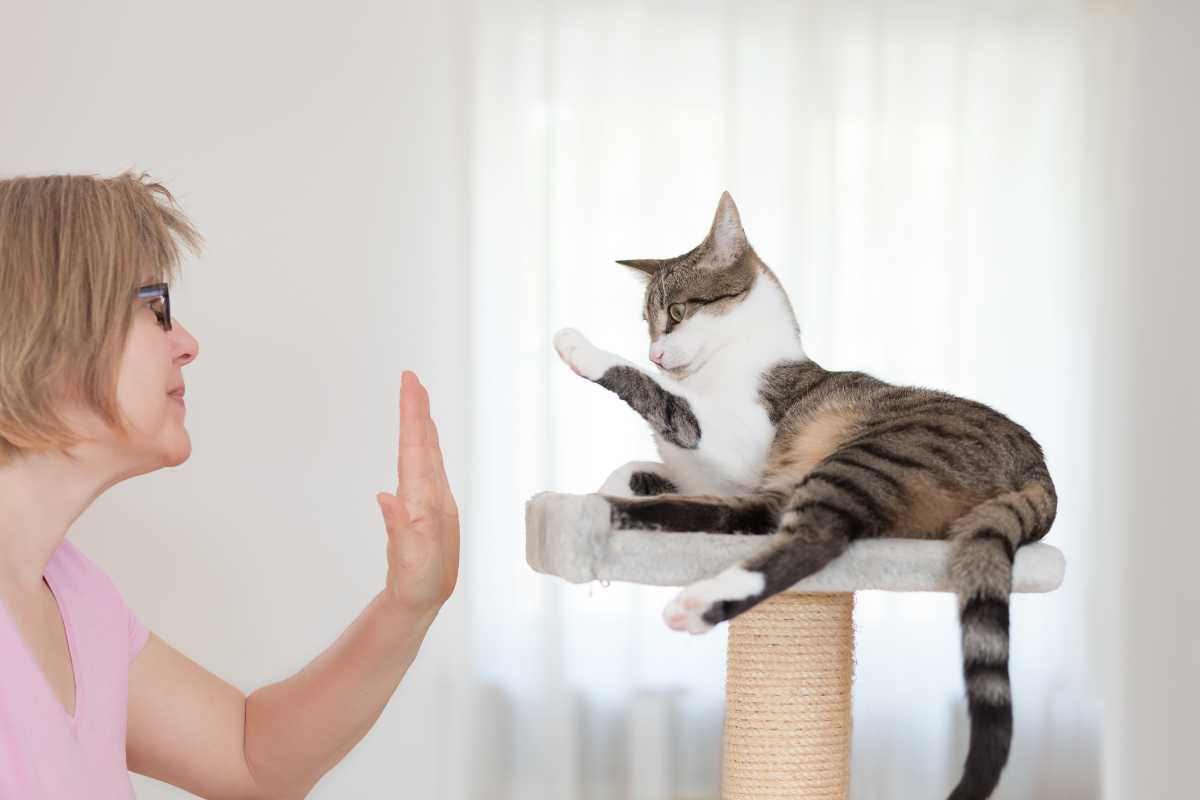
Cats thrive with shaping: rewarding small, natural steps that drift toward the final behavior.
Instead of forcing a paw up, you’ll notice and mark tiny approximations—a glance at your palm, a weight shift, a slight paw lift—so your cat understands what earns reinforcement.
The sequence unfolds organically because your timing is crystal clear.
Keep sessions short and sweet (2–5 minutes). Aim for several easy reps, then end on a win. If progress stalls, your criterion is likely too high; step back to the last easy success.
A high rate of reinforcement (frequent “Yes” + treat) builds momentum and keeps your cat eager to play the training game next time.
Building the High-Five Behavior
Think of this as a smooth arc rather than instructions to follow rigidly.
Start by making your hand meaningful: present your open palm and be ready to mark anything your cat offers that leans in the right direction—interest, a curious lean, the faintest paw lift.
With a few well-timed marks, your cat discovers that engaging with the hand pays.
As curiosity grows, your cat will offer bigger movements. Continue to reinforce the best try so far, and your cat will naturally escalate from micro-lifts to an unmistakable paw raise and, eventually, a confident touch.
If your cat is paw-shy, you can warm up with nose targeting (touching your fingers with the nose) and transition to paw interactions later.
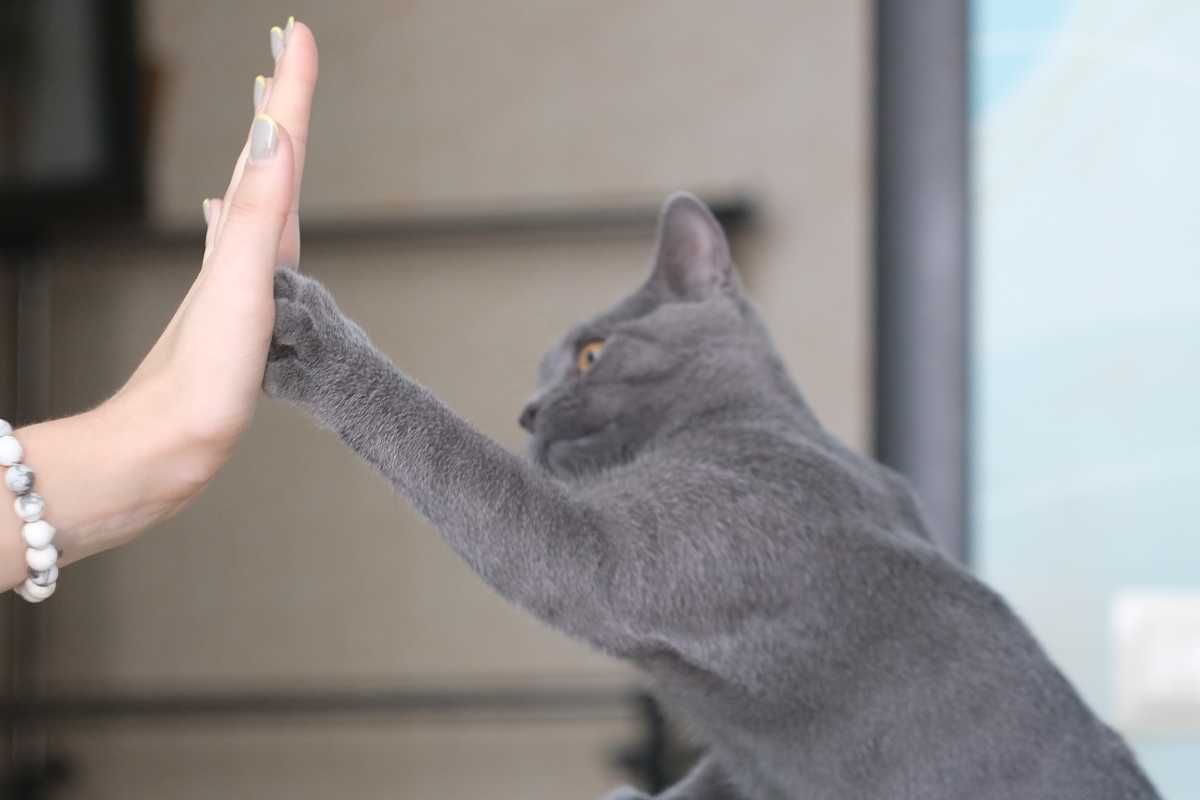
The key is clarity, not pressure: the moment that paw makes contact with your palm, mark it like a fireworks show.
Naming the Behavior and Fading the Helpers
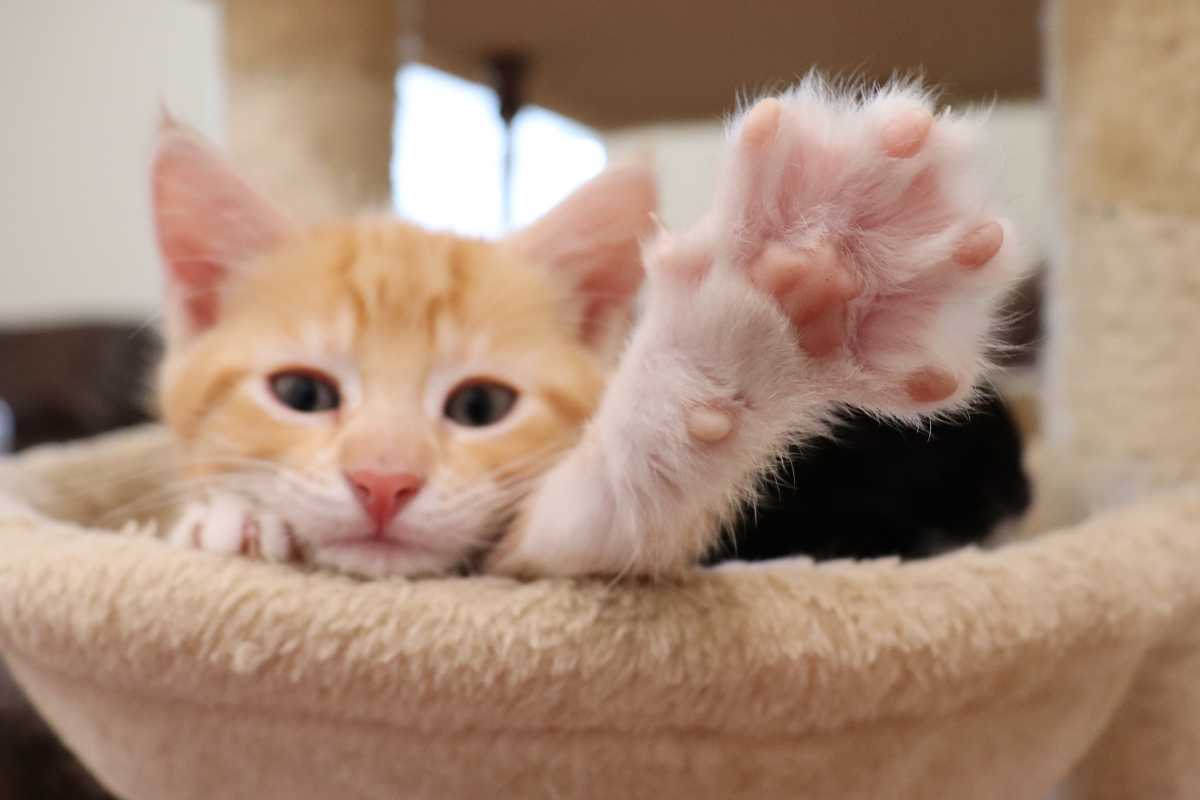
Once the motion is reliable, introduce your cue—“High Five!”—right before your cat is likely to offer the touch. Keep your palm consistent and your cue cheerful.
As the behavior settles, fade any lures you used (like wiggling fingers) so the cue and your still palm become the main signals.
Shift from continuous reinforcement (treat every rep) to a variable reinforcement pattern (treat most, praise all) to keep enthusiasm high while reducing treat dependence.
Generalizing to Real Life
Cats are context-savvy. Practice in different rooms, at varied times of day, and from both of your hands. Rotate props—on the sofa, near a sunny window, beside a favorite perch—so the cue means the same thing everywhere.
If other family members want in, coach them to use the same cue and timing so your cat experiences a predictable, rewarding pattern.
Troubleshooting Without Stress
Not all hiccups are equal. Here’s how to stay gentle and effective:
“My cat ignores the hand.” Lower the bar. Mark interest, not contact. Pair your palm with a tiny treat toss to reignite curiosity.
“Startled by the click.” Switch to a marker word said softly, or click behind your back until the sound predicts snacks.
“Swats instead of taps.” Slow the motion. Present your palm a little farther away and reinforce gentler touches. Keep your hand steady and relaxed.
“Treat grabbing.” Offer the treat in a flat palm at chest level or drop it on the mat. This reduces nipping and keeps arousal in check.
“Progress plateau.” Rewind to the last obvious success and build back up in smaller increments. Shorten the session; sometimes the best training is knowing when to stop.
Common Mistakes to Avoid
Repeating the cue rapidly when the cat hasn’t committed—say it once, then wait.
Raising criteria too fast and skipping intermediate successes.
Long sessions that drain motivation.
Punishment or scolding, which erodes trust and suppresses offering behavior.
Inconsistent criteria between family members.
Fun Variations Once You’ve Nailed It
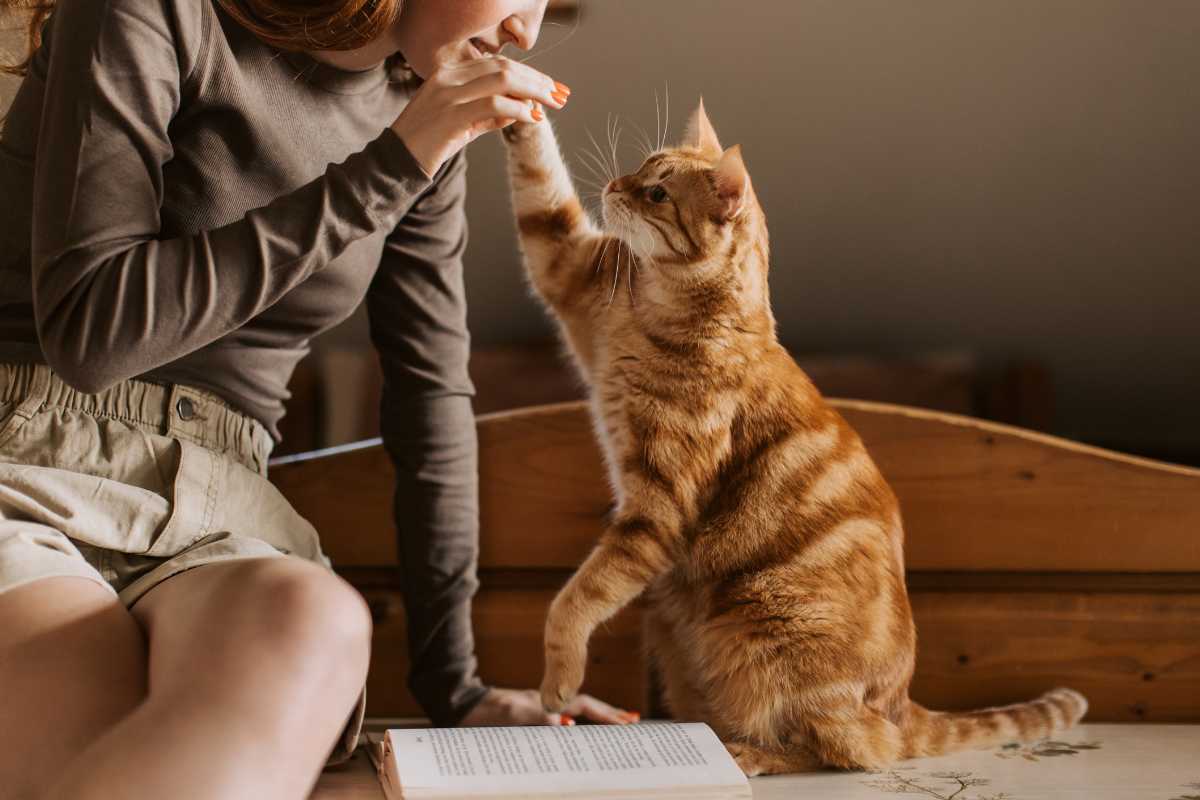
When the classic high-five feels easy, level up for engagement and enrichment:
Low Five: Present your hand lower, near the floor, and reinforce gentle taps.
Fist Bump: Offer a soft fist—super cute in photos and naturally encourages a precise paw touch.
Double High-Five: For the hams. Shape alternating paws first, then bring hands closer together.
Cue from Different Positions: Seated, standing, or at a slight distance to build resilience and reliability.
Photo-Op High-Five: Add a one-second hold before the mark for those perfect snapshots (reinforce generously at first).
Welfare Notes and Safety First
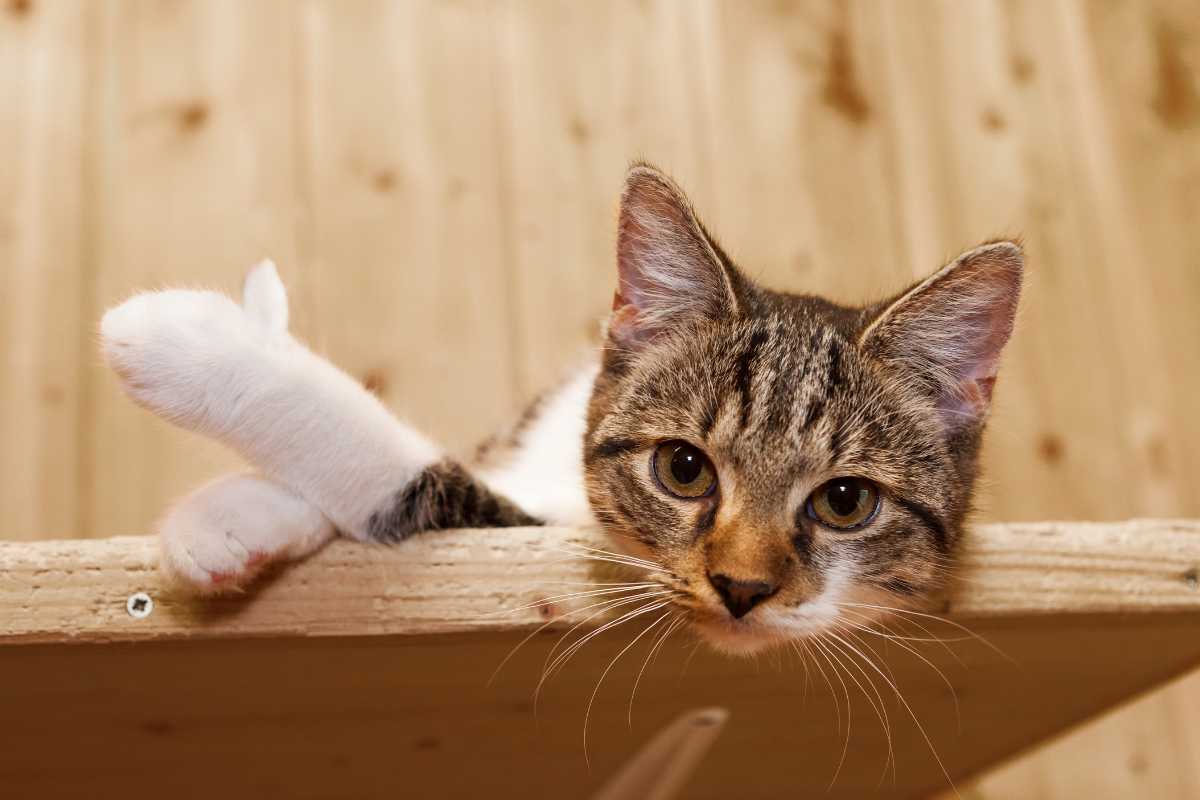
Training should be consent-based. If your cat signals discomfort—ears back, tail flicks, retreating—pause and try later with easier criteria and better treats.
Keep claws in mind; if your cat tends to tap with nails extended, reinforce gentler, pad-first contacts and avoid sudden hand movements.
Older or arthritic cats can absolutely participate; just lower your target height, reduce session length, and make surfaces cushioned. The golden rule: no force, no restraint, no frustration. Curiosity, not compliance, is the goal.
Mini FAQ
How long does it take?
Many cats show a clear paw lift in a few short sessions, while others need a little more shaping. A consistent 2–5 minutes a day builds steady progress without burnout.
Can older cats learn this?
Yes. Senior cats often enjoy low-impact cognitive games. Keep the target lower and make treats extra enticing.
Do I need a clicker?
No. A confident marker word (“Yes”) works beautifully if the clicker sound is too much or you prefer hands-free training.
How do I prevent treat dependency?
Switch to variable reinforcement once the behavior is consistent. Mix in praise, petting (if your cat enjoys it), and environmental rewards like a play burst with a favorite toy.
What if my cat uses claws?
Reinforce softer touches. Present your palm farther away so the cat reaches rather than swats, and mark pad contact moments precisely.
A Flexible Progress Plan (without rigid steps)
Picture the journey as five overlapping phases you can slide between as needed. First, prepare the context—calm space, tasty rewards, a comfy mat.
Next, capture interest in your open palm, generously marking early curiosity so your cat discovers that the hand predicts good things.
Then shape the motion by rewarding slightly higher or clearer paw lifts over time, letting your cat lead with their best offer.
When the motion feels reliable, name it with your cue just before the touch and start trimming away any extra prompts.
Finally, generalize in short, happy sessions across rooms, positions, and people so the cue becomes sturdy in the real world.
Throughout, keep your criteria elastic: if something wobbles, simply slide back to the last success and rebuild—no drama necessary.
Wrap-Up: Celebrate the Tiny Wins
The magic of teaching your cat to high-five isn’t just the final tap; it’s the conversation you create along the way.
Every well-timed marker says, “I see you.” Every treat says, “That choice mattered.” Keep sessions short, end while your cat still wants more, and protect the fun at all costs.
When that paw lands on your palm—with confidence and a little flourish—you’ll both feel it: a small trick with a big payoff in trust, enrichment, and everyday joy.
Pro tip: Snap a “first high-five” photo and jot down what made the session click—time of day, treat choice, hand height. Those notes become your personal playbook, making every future trick (from low five to fist bump) faster, clearer, and even more fun.
Enjoy The Video About Cats

Source: Cat School Clicker Training
Did you find this post useful or inspiring? Save THIS PIN to your Pets Board on Pinterest!

You may also like