
- Urbaki Pets
- Horses
- Testing Useful Horse Hacks
Testing Useful Horse Hacks

15/05/2024 · Updated on: 22/10/2026

If you’re short on time but big on barn chores, a few horse care hacks can make grooming faster, fly control smarter, and treat time healthier.
We set out to test popular tips you’ll see in tack-room chats and social feeds—capturing what worked, what flopped, and where safety must come first.
Below you’ll find our real-world notes, measured wins (yes, with minutes saved), and clear guidance on when to DIY and when to keep it simple. The goal is to help you spend less time wrestling tangles and more time riding.
Before we dive in, a quick word on scope. These ideas are meant for everyday care, not to diagnose or treat illness.
Always loop in your vet if your horse has skin sensitivities, metabolic conditions, or you’re unsure about an ingredient. With that out of the way, let’s get practical.
DIY Fly Spray — What Worked, What Didn’t

DIY recipes are everywhere, and the promise is tempting: budget-friendly fly control using pantry items.
We evaluated a mild, water-based mix with a small amount of apple cider vinegar and a drop of essential oil blend in a well-shaken spray bottle.
Our Quick Test Setup
We worked with two horses in mild summer conditions, grooming first so coats were clean and dry. We sprayed evenly from shoulder to hindquarters, avoiding eyes, nostrils, and lips, and used a towel to lightly apply near the face.
We compared “DIY on left side” vs. a conventional fly spray on the right side, logging fly landings over five-minute intervals while hand-grazing.
Results & Verdict
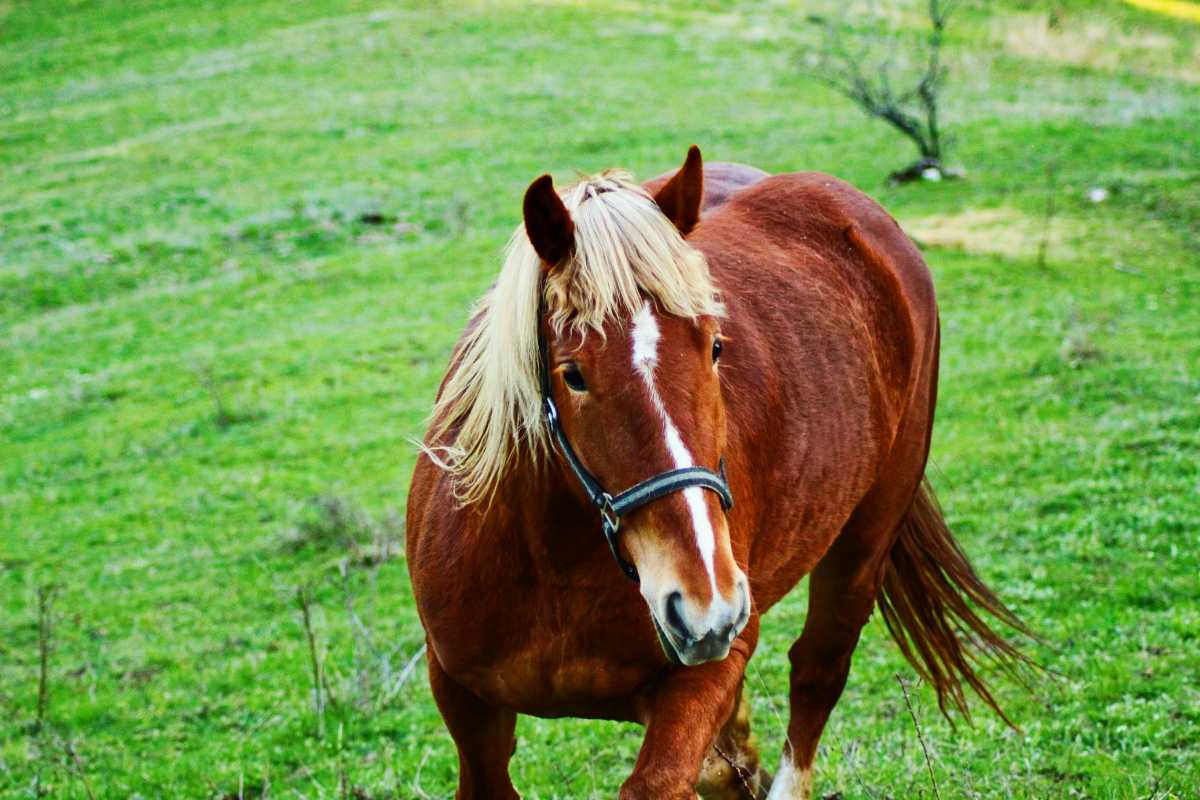
The DIY mixture reduced landings modestly compared to bare coat, but the commercial spray protected better and for longer.
On a breezy day, the DIY needed reapplication within 20–30 minutes; the commercial option lasted closer to an hour.
If you’re after short-term relief during a quick groom or while tacking up, DIY can help; for long rides or buggy evenings, commercial remains the reliable workhorse.
Safety Notes: Keep DIY solutions dilute and simple. Avoid strong essential oils, especially tea tree, around the face or on irritated skin.
Patch-test on a small area 24 hours in advance. Never use on pregnant mares or foals without veterinary guidance. If you notice rubbing, dandruff, or redness, stop immediately and rinse.
Bottom line: DIY fly spray is a short-window convenience, not a full replacement. Use strategically, carry a clean cloth for face areas, and follow with a proven product when you need longer coverage.
Natural Soothers for Minor Skin & Muscle Niggles — When They Help
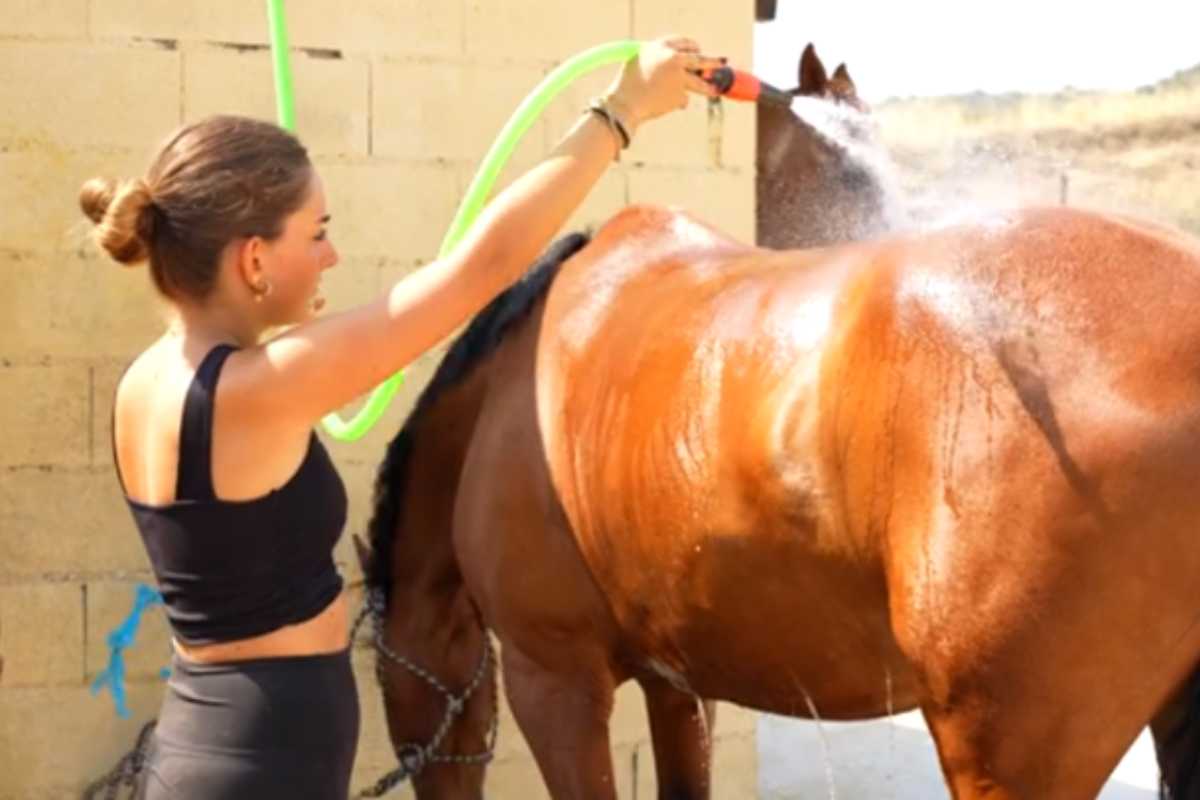
Barn life brings the occasional post-workout tightness or minor skin fussiness. We explored two low-key helpers you can keep on rotation.
Cooling Rinse (Post-Ride Reset)
A cool water rinse followed by a dilute splash of apple cider vinegar (think a light “finishing rinse,” then rinse again with plain water) made coats feel glassy and helped lift post-sweat grime.
The vinegar step seemed to cut residual soap on bath days, reducing itch-inducing buildup. Horses dried faster and dust didn’t cling as much during turnout. Avoid any open scrapes, and keep concentrations mild.
Light Massage Rub (Non-Heating)
We trialed a non-heating gel on large muscle groups after a harder ride. Applied with slow, flat-hand strokes, it left coats smooth and the horses more willing through the back the next day.
Save heating liniments for cold weather or as your vet suggests. Skip anything strong if your horse is sensitive or about to be turned out in bright sun.
Call the vet if: you see hives, persistent hair loss, heat or swelling that doesn’t resolve, or any lameness. Topicals only go so far—persistent issues need a professional plan.
Mane & Tail Detangling — Silicone vs. Silicone-Free
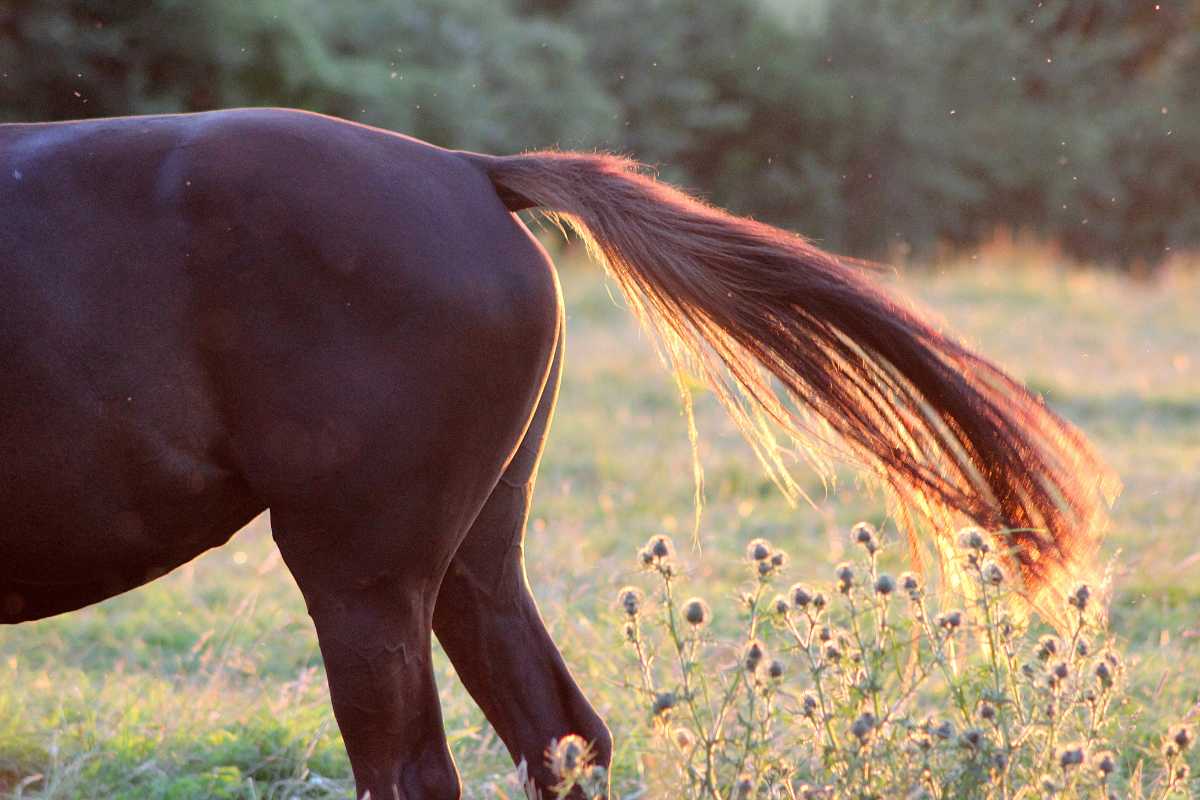
Here’s where we found the most time to gain. Detangling products split into two camps: silicone-based (slip, instant shine, great for show days) and silicone-free (light oils, aloe, or plant-based conditioners; gentler for frequent use).
We tested both on a mare with a thick tail that loves to knot.
Routine & Technique That Saved Minutes
First, hands-only pre-sorting of big snags from the end up. Then a wide-tooth comb and steady, patient strokes. On the worst tangles, we pinched the tuft above the knot to protect the root before combing.
With silicone, the knots slid out quickly and the tail looked photo-ready. With silicone-free, progress was steadier but required an extra minute or two.
Pros, Cons & When to Choose Each
Silicone shines—literally—when you need fast results and maximum slip. The trade-off is potential build-up if you overuse it without proper washing.
Silicone-free formulas feel cleaner over time, and coats didn’t collect dust as quickly on turnout, but they sometimes lack the emergency “slide” for show-morning tangles.
Our rhythm that worked: silicone for shows, shoots, or stubborn mats; silicone-free for weekly maintenance. Wash decisively after repeated silicone days to keep hair light and bouncy.
The 10-Minute Groom — Measured Time-Saving Wins
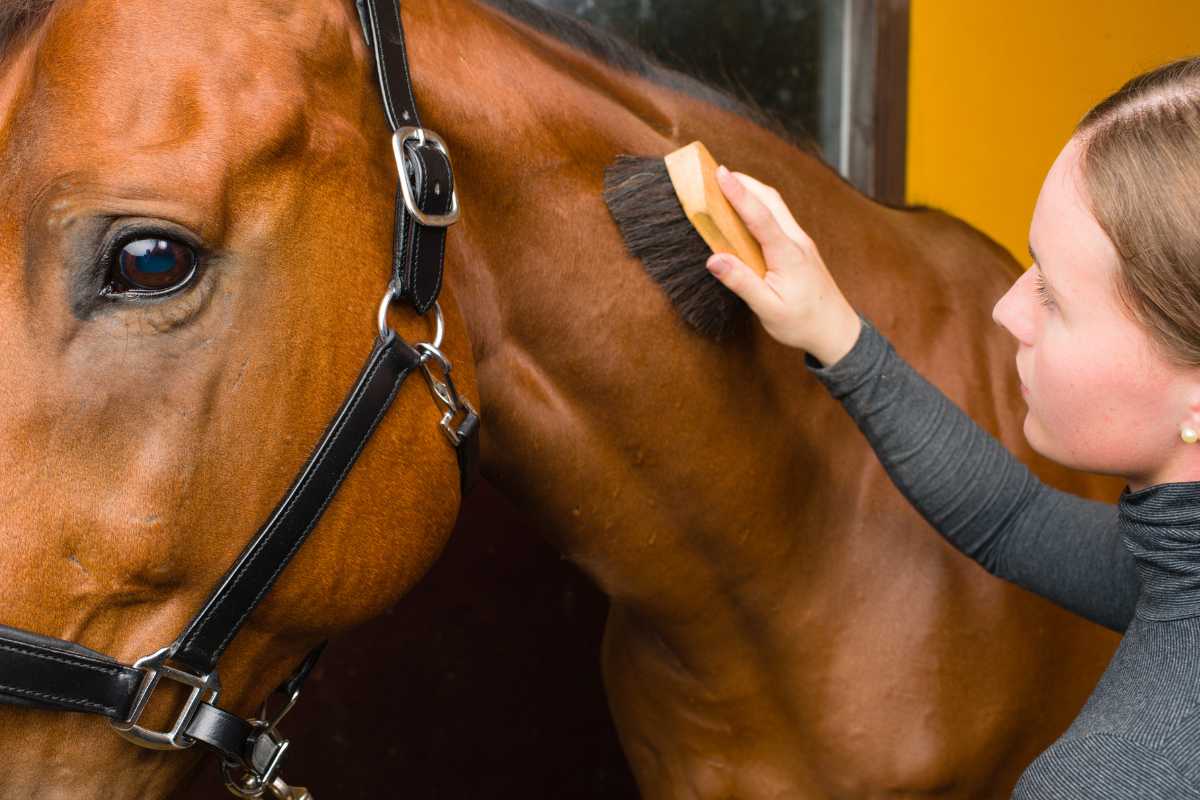
We timed an everyday routine to see if common “shortcuts” truly save time. On average, we shaved five to eight minutes compared to our standard grooming.
Dry curry + soft brush combo: Instead of separate long passes, we alternated a quick rubber curry swirl with immediate soft brushing in the same region. Less dust resettled, and we finished faster.
Targeted spot clean: A spray of water and a microfiber towel on sweat marks beat a full re-bath.
Tail triage: A pea-sized dab of detangler on the worst tangle only prevented over-product while still preventing breakage.
The biggest win wasn’t just speed; it was consistency. A predictable 10-minute circuit made horses calmer because they knew what was coming, and we were less tempted to skip essentials on busy days.
Treats That Don’t Derail Nutrition — Portions & Frequency That Work
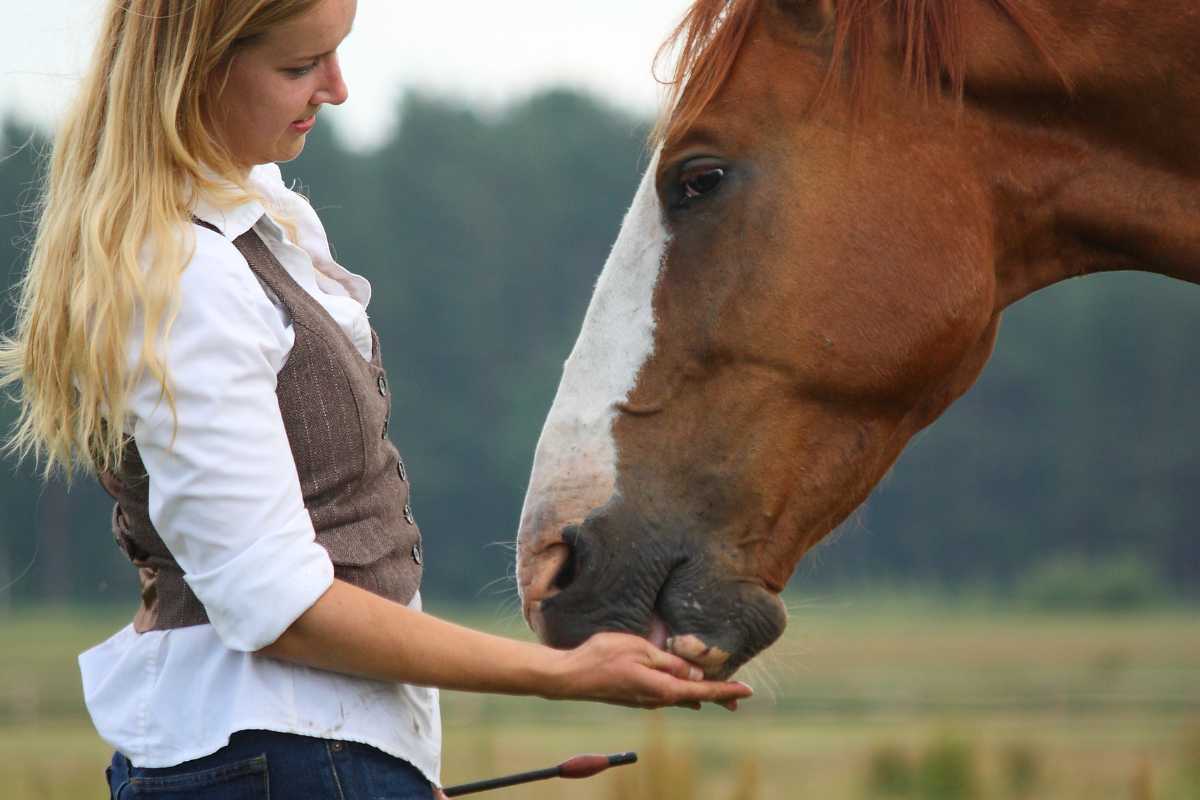
Homemade horse treats are fun, but sugar creep is real. Our rule of thumb that keeps both riders and vets happy: treats are occasional rewards, not rations.
We baked a small apple-oat cookie (oats, unsweetened applesauce binder, no added sugar) and portioned to one to two small coins per session. Horses loved them, and we didn’t see post-snack buzz.
If your horse struggles with insulin resistance, Cushing’s, or is an easy keeper, stick to low-NSC options or choose non-starch rewards like tiny carrot coins or even a handful of your horse’s regular low-sugar feed reserved for training.
Rotate textures and flavors to keep interest high without increasing quantity.
Quick guardrails:
Keep treats small, offer after work rather than before, and don’t use sticky recipes that cling to teeth. If a horse starts mugging pockets, pause and reset manners; rewards should reinforce calm behavior, not create it.
What We’d Skip (and Why)
Not every viral idea earns a spot in the tack trunk.
Strong essential-oil blends on sensitive areas. We found more risk than reward—skin can get cranky fast, and accidental contact near the eyes is a headache. If you insist, use extreme dilution, patch-test, and avoid the face entirely.
Over-conditioning tails daily. Bigger isn’t better. Too much slick product attracted arena dust and left hair heavy. We preferred a light application on trouble spots and wash cycles that remove build-up.
If a hack seems fussy, messy, or likely to provoke rubbing under tack, your instincts are probably right—skip it.
Key Takeaways
DIY fly spray offers short-term relief; for long rides or buggy evenings, commercial formulas last longer.
Keep topicals simple, dilute, and patch-tested—especially around sensitive skin or the face.
Detangling strategy beats product alone: ends-up technique, steady tension, and targeted application save hair and time.
A consistent 10-minute groom can save 5–8 minutes daily while keeping horses relaxed and present.
Treats are training tools, not nutrition; small, low-sugar portions keep the reward without the roller coaster.
Keep Learning

If you’re building out your care toolkit, pair this guide with pieces on bonding with your horse, conditioning for better topline, and senior horse routines.
Linking related topics inside your grooming habits helps cement a whole-horse approach: comfort, clarity, and consistency.
Try It With Your Horse (and Tell Us What Happened)
Pick one hack from this list and run a one-week mini-trial. Track something tangible—minutes saved, tangles prevented, or fly landings during a five-minute hand-graze.
Note what you changed, how your horse responded, and whether the result held up across weather and workload. If it works, keep it. If it fizzles, drop it and try the next idea.
And if you love visuals, snap clear photos to document your results.
Aim for useful alt text when you share: “applying DIY fly spray to a bay gelding’s shoulder, avoiding the face,” or “silicone-free detangler on tail ends before combing.” Those details help other owners learn from what you learned.
Enjoy The Video About Horses

Source: Carmella Abel - Equine Helper
Did you find this post useful or inspiring? Save THIS PIN to your Pets Board on Pinterest!

I'm Amy, and my home has always been full of animals: dogs, cats, a very opinionated parrot and more hamsters than I can count. I'm not a veterinarian, just a lifelong pet lover sharing practical care tips, fun facts and ideas for all kinds of pets. For anything health-related, always check with your vet.
You may also like