
The 10 Friendliest Dog Breeds


When choosing a dog, sociability and an affectionate temperament are key qualities many families consider.
Friendly dogs not only make great companions, but they also adapt well to different living environments, making them ideal for homes with children, other pets, or active lifestyles.
In this article, we'll explore the 10 friendliest dog breeds, providing key characteristics, care tips, and advice for selecting the best companion for your family.
What Makes a Dog Friendly?
A friendly dog is typically characterized by:
Gentle behavior toward humans and other animals.
Eagerness to please, making training easier.
Adaptability to different environments and routines.
Affectionate nature, enjoying companionship and family life.
While some breeds are more naturally friendly, a dog's temperament is influenced by socialization, environment, and training.
Early positive reinforcement is crucial to developing a dog’s social skills and affectionate nature.
Top 10 Friendliest Dog Breeds
1. Golden Retriever

Golden Retrievers are one of the most popular and beloved dog breeds for families due to their gentle, loyal, and affectionate nature.
They are known for being great with children and other pets, making them ideal family companions.
Golden Retrievers are highly trainable, intelligent, and eager to please, making them an ideal choice for first-time dog owners and those seeking a versatile working dog.
Their energy levels are moderate, so regular exercise is key to keeping them happy and healthy.
| Characteristic | Details |
|---|---|
| Energy level and exercise | High. Requires daily exercise, such as long walks and outdoor activities. |
| Compatibility with children and animals | Very high. Excellent with children and gets along well with other animals. |
| Ease of training | High. They are intelligent and highly motivated, making them easy to train. |
| Common health problems | Hip dysplasia and eye problems. Regular health monitoring is recommended. |
Care Tips: Golden Retrievers require regular grooming due to their thick, water-repellent coat. They are also prone to certain health issues, like hip dysplasia, so routine vet visits are important.
2. Labrador Retriever

Labradors are another breed known for their friendly and outgoing nature. They are highly social dogs that thrive in active environments and love being part of the family.
Labradors are energetic, making them perfect for families who enjoy outdoor activities like running, hiking, or swimming. They get along well with children, other dogs, and pets, making them excellent companions for large families or those with other animals.
| Characteristic | Details |
|---|---|
| Energy level and exercise | High. Requires daily exercise and activities to burn off energy. |
| Compatibility with children and animals | High. Very friendly with children and other dogs. |
| Ease of training | High. Easy to train due to their intelligence and eagerness to please. |
| Common health problems | Hip dysplasia and weight issues. Regular veterinary checkups are recommended. |
Care Tips: Labs have a short coat but shed year-round, so regular brushing is recommended. Like Golden Retrievers, they are also prone to joint issues and require regular exercise to stay in shape.
3. Beagle
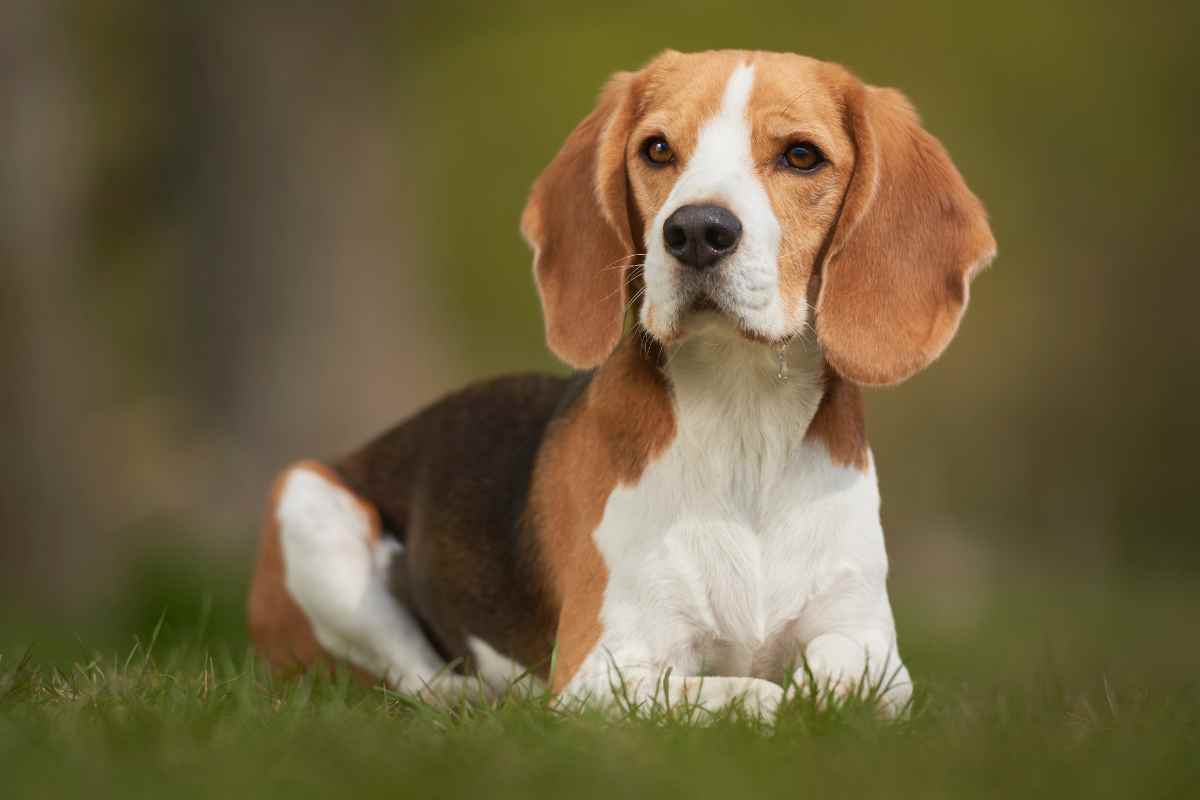
Beagles are curious, merry, and highly affectionate dogs. They are known for being great with children and other pets, making them excellent family companions.
Beagles have a strong instinct to follow scents, which can sometimes lead them to wander, so proper training and a secure yard are important. Their moderate size makes them adaptable to both apartments and homes with yards.
| Characteristic | Details |
|---|---|
| Energy level and exercise | High. Needs daily walks and activities to burn off energy. |
| Compatibility with children and animals | High. Very friendly with children and other animals. |
| Ease of training | Medium. While intelligent, they can be stubborn due to their independent nature. |
| Common health problems | Ear infections and obesity. |
Care Tips: Beagles require plenty of exercise, especially outdoor time to keep them active. Their coat is short and easy to maintain, but they are prone to obesity, so it's essential to monitor their diet.
4. Cavalier King Charles Spaniel
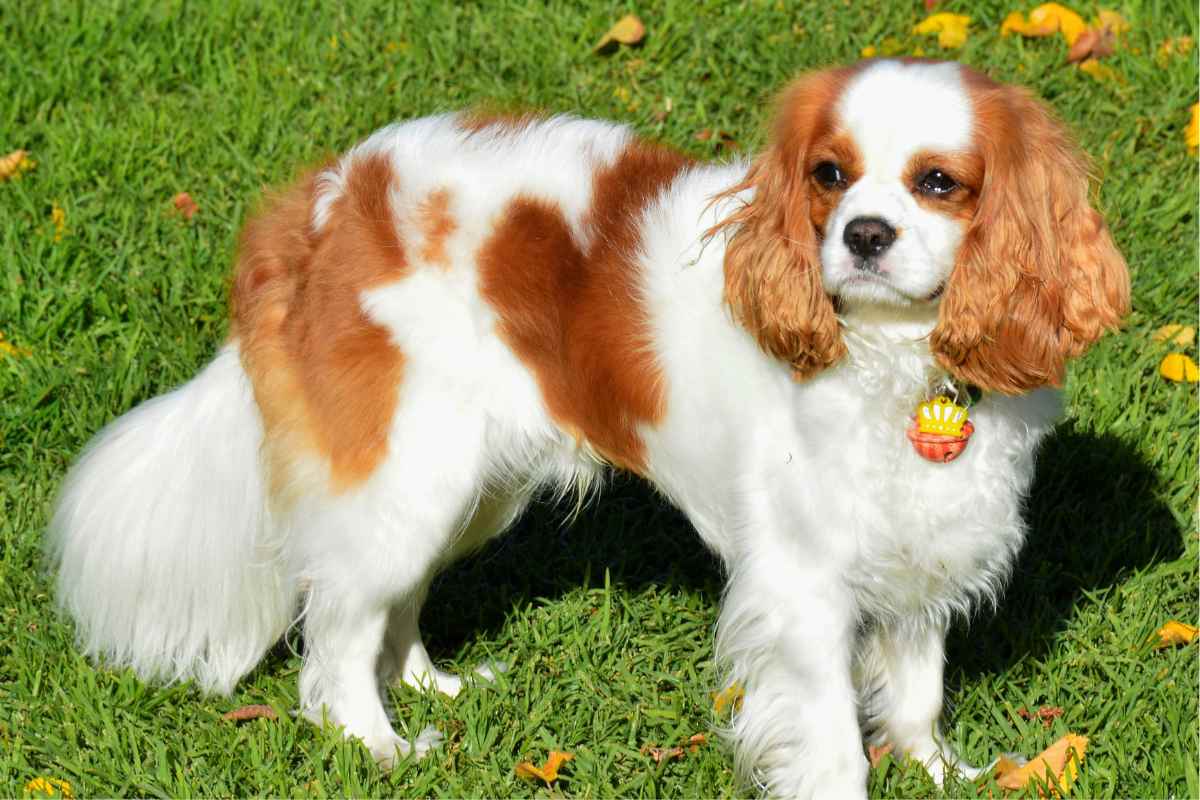
This small, affectionate breed is known for being especially gentle with children and other pets. Cavalier King Charles Spaniels are loyal, calm, and always happy to be part of family activities.
They are ideal for families who want a companionable dog that thrives on human interaction. Despite their small size, they have a lot of energy and enjoy walks and playtime.
| Characteristic | Details |
|---|---|
| Energy level and exercise | Moderate. Enjoys short walks and playtime at home. |
| Compatibility with children and animals | Very high. Excellent with children and other animals, including dogs and cats. |
| Ease of training | High. They are very intelligent and eager to please. |
| Common health problems | Heart and eye issues. It’s important to have regular vet checkups. |
Care Tips: Their long, silky coat requires regular grooming. This breed is also prone to heart conditions, so regular vet check-ups are important.
5. Basset Hound
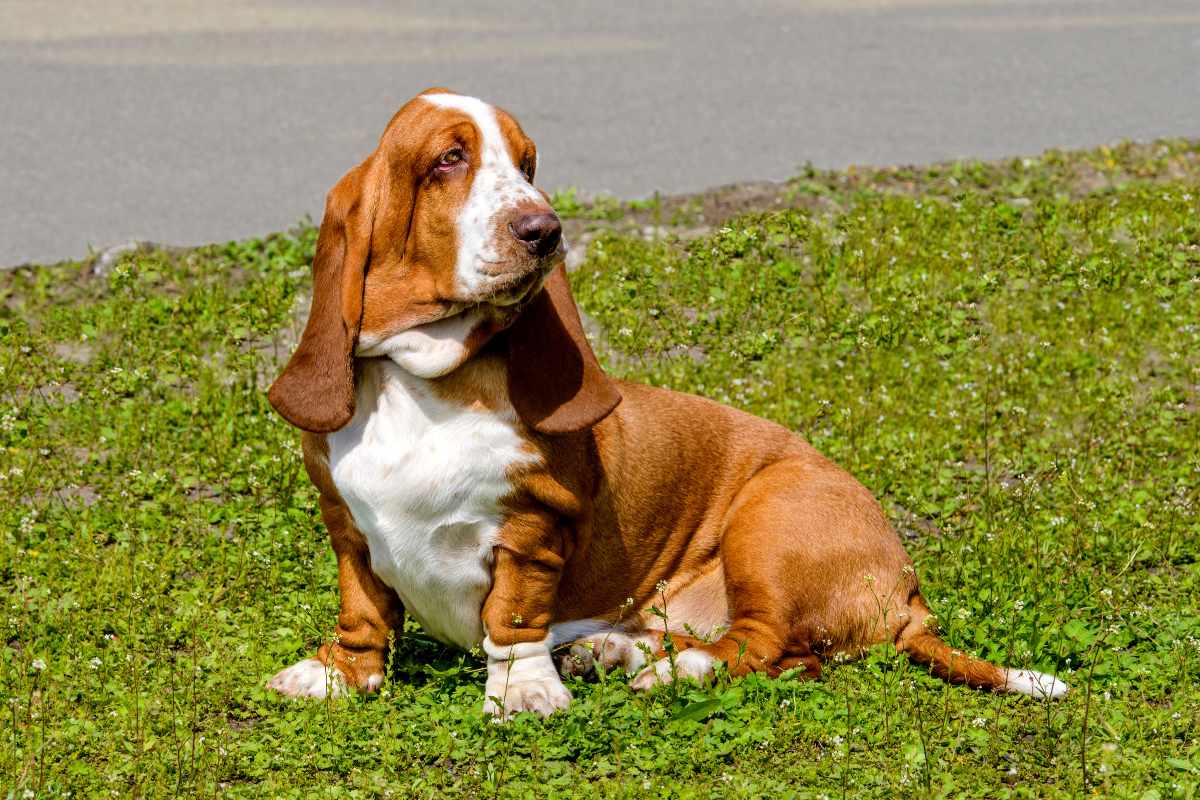
Basset Hounds are relaxed, friendly, and enjoy spending time with their families. They are known for their laid-back demeanor, making them excellent companions for individuals or families who prefer a more low-energy dog.
Despite their calm nature, they are still affectionate and social, always eager to join family activities.
| Characteristic | Details |
|---|---|
| Energy level and exercise | Low to moderate. Enjoys leisurely walks but doesn't need intense exercise. |
| Compatibility with children and animals | High. Very sociable with children and other animals. |
| Ease of training | Low. Independent and often stubborn, which can make training challenging. |
| Common health problems | Ear infections and obesity. |
Care Tips: Basset Hounds require regular ear cleaning due to their droopy ears. Their coat is short, but they do shed, so periodic brushing is necessary.
6. Boxer
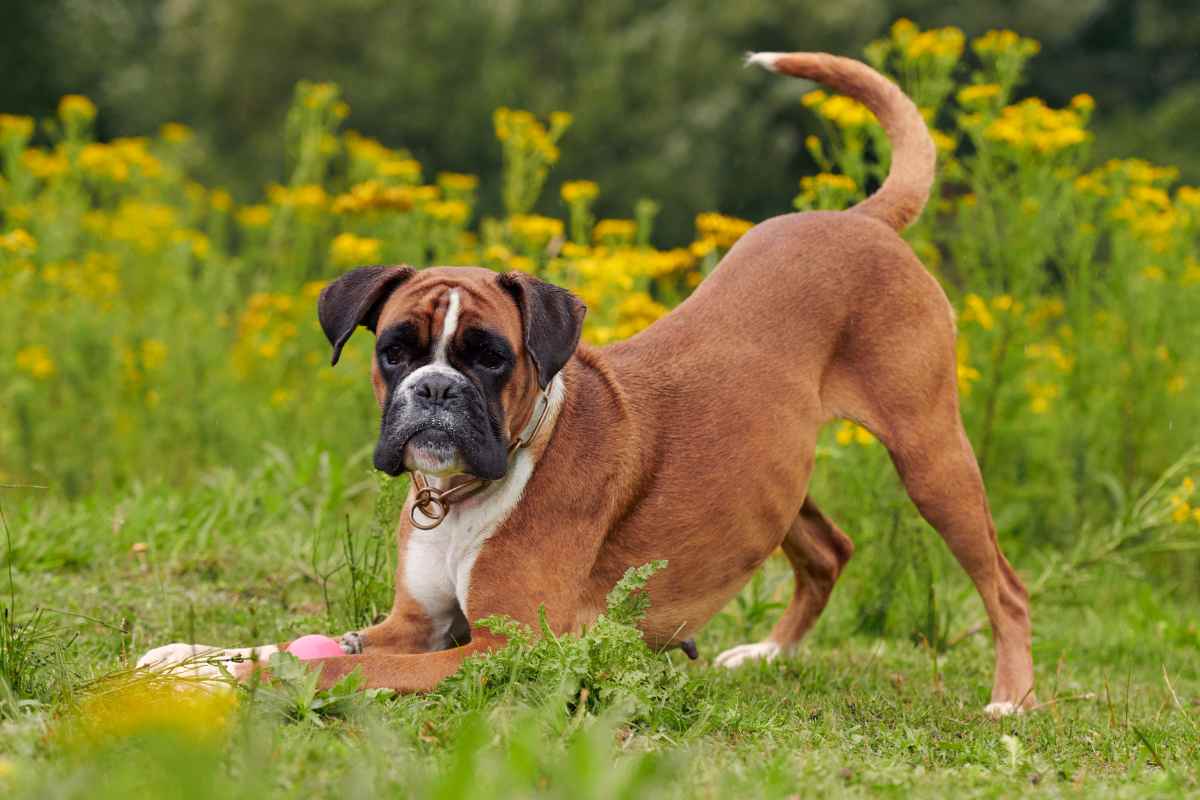
Boxers are energetic, playful, and affectionate dogs that are great for active families. They are known for being especially good with children and enjoy engaging in all sorts of fun activities, from fetch to running.
Boxers also have a protective nature, making them excellent watchdogs, but they are equally loving and loyal to their families.
| Characteristic | Details |
|---|---|
| Energy level and exercise | High. Requires daily exercise and playtime to stay happy. |
| Compatibility with children and animals | High. Great with children and protective of them. |
| Ease of training | High. Intelligent and responsive to training, though they need a firm hand. |
| Common health problems | Heart problems and certain types of cancer. Regular checkups are recommended. |
Care Tips: Boxers require daily exercise to burn off their energy. Their short coat is low maintenance, but they can be prone to certain health issues, such as heart problems and hip dysplasia.
7. Pug

Pugs are charming, sociable, and always ready for fun. Despite their small size, Pugs have big personalities and are very affectionate toward their families.
They are especially good with children and other pets, making them perfect companions for homes with multiple members. Pugs have a moderate energy level and are happy with a few short walks each day.
| Characteristic | Details |
|---|---|
| Energy level and exercise | Moderate. Needs moderate exercise, like short walks and light play. |
| Compatibility with children and animals | High. Very affectionate and loves being with children and other animals. |
| Ease of training | Medium. Intelligent but can be stubborn. |
| Common health problems | Breathing issues and obesity. It's important to monitor their diet. |
Care Tips: Pugs have a short coat, but they shed a lot and are prone to breathing issues due to their flat faces. Regular cleaning of their skin folds and monitoring their diet is crucial.
8. Irish Setter

Irish Setters are energetic and friendly dogs with a joyful personality. They are known for their high energy, and they thrive in homes where they can run and play.
These dogs are particularly affectionate and enjoy being part of family activities. Irish Setters also do well with other pets and children, thanks to their sociable nature.
| Characteristic | Details |
|---|---|
| Energy level and exercise | High. Needs a lot of exercise and space to run. |
| Compatibility with children and animals | High. Very friendly with children and other animals. |
| Ease of training | High. They are intelligent and enjoy being trained, but need mental stimulation. |
| Common health problems | Hip dysplasia and eye problems. |
Care Tips: They require plenty of exercise to stay happy, and their long coats require regular grooming to prevent tangles.
9. Shih Tzu
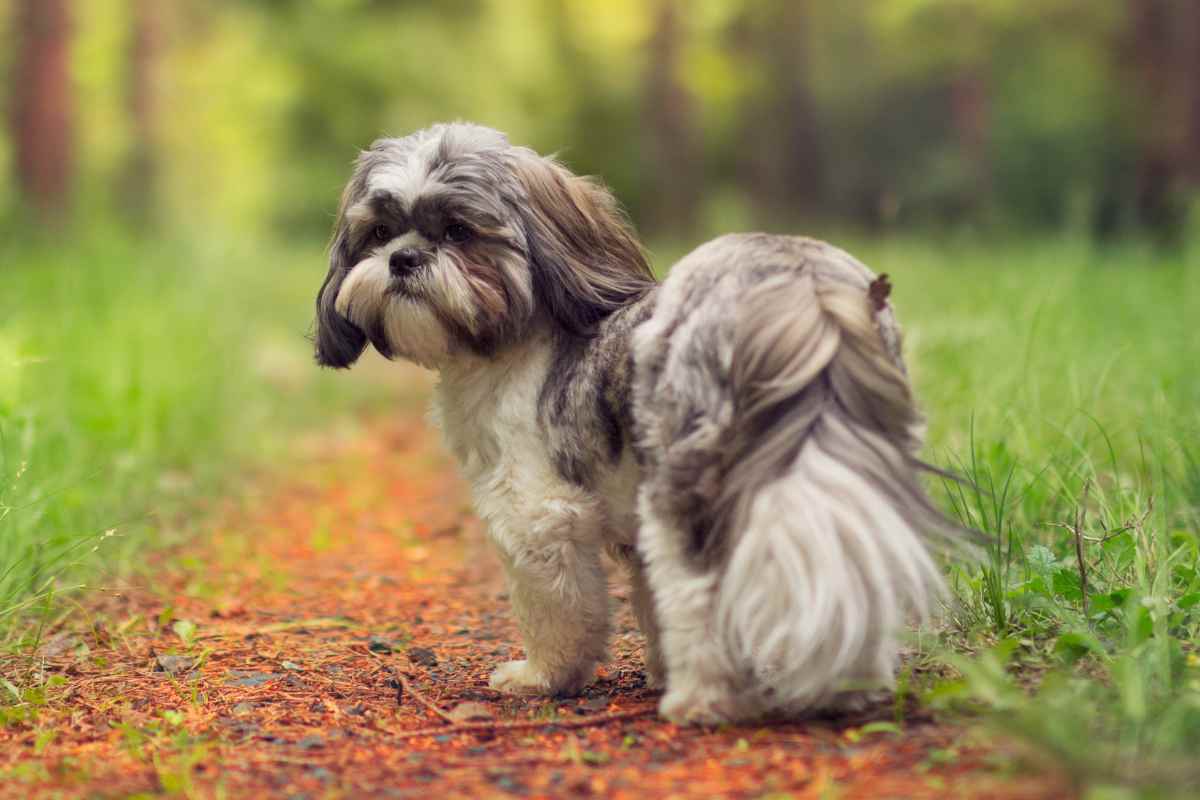
Shih Tzus are lovable and outgoing dogs that form strong bonds with their families. They are known for their calm demeanor and can adapt well to apartment living due to their small size.
Despite their laid-back nature, Shih Tzus enjoy playtime and cuddling with their owners. They are perfect for people looking for a friendly, affectionate companion that doesn’t require excessive exercise.
| Characteristic | Details |
|---|---|
| Energy level and exercise | Low to moderate. Enjoys short walks and playtime at home. |
| Compatibility with children and animals | High. Excellent with children and gets along well with other animals. |
| Ease of training | High. They are intelligent and respond well to training, though they can be a bit stubborn. |
| Common health problems | Breathing issues and dental problems. |
Care Tips: Shih Tzus require regular grooming to keep their coats looking tidy. They are also prone to dental issues, so regular teeth cleaning is essential.
10. Collie

Collies are intelligent and friendly dogs that are great with children and other pets. Their calm and patient nature makes them excellent companions for families seeking a dog that is easy to train.
Collies are known for their beautiful, long coats, which require regular care, but they are otherwise low-maintenance and highly adaptable.
| Characteristic | Details |
|---|---|
| Energy level and exercise | Moderate. Needs regular exercise, but not as much as some more active breeds. |
| Compatibility with children and animals | High. Known for their patience and affection with children. Also gets along well with other animals. |
| Ease of training | High. They are intelligent and easy to train, thanks to their desire to please. |
| Common health problems | Hip dysplasia and eye problems. |
Care Tips: They need regular exercise and mental stimulation. Collies are also prone to certain eye conditions, so routine vet visits are important for their well-being.
Comparison of the 10 Friendliest Dog Breeds
Choosing the Right Friendly Dog for Your Lifestyle
When selecting the right friendly dog breed, it’s important to consider factors such as:
Activity level: Some breeds, like Boxers and Irish Setters, require more exercise, while others, like Basset Hounds and Pugs, are more laid-back.
Living situation: Breeds like the Shih Tzu and Cavalier King Charles Spaniel are perfect for apartment living, while larger breeds, like Golden Retrievers and Labradors, may need more space.
Compatibility with children and pets: Some breeds are more patient and gentle with children and other animals, while others may need additional training to integrate into a household.
For more insights, check out our article on Caring for the Energetic Australian Cattle Dog, which discusses the importance of matching a dog's energy level with your lifestyle.
Conclusion
Choosing a friendly dog breed is an important decision that can greatly enhance your family’s happiness. Remember that proper training, socialization, and love are essential in nurturing a dog’s natural, friendly disposition. Whether you’re seeking a playful puppy or a calm companion, there’s a friendly dog breed for every family.
If you have any experience with friendly dog breeds, feel free to share in the comments below!
Enjoy This Video Tutorial About Dogs

Source: Animaltube.TV
Did you find this post useful or inspiring? Save THIS PIN to your Pets Board on Pinterest! 😊

You may also like