
The 25 Most Surprising Facts About Hamsters You Didn't Know!


Hamsters are small, fascinating, and full of surprises—but “fun facts” only help if they improve how we care for them.
In this guide, you’ll find 25 surprising hamster facts grouped into themes. Under each, you’ll see what that fact means for responsible hamster care, so you can build a happier, healthier habitat and avoid common mistakes.
Safety Box (Quick Wins)
Use a solid wheel: ~28–30 cm (11–12 in) for Syrian, ~20–25 cm (8–10 in) for dwarfs.
Offer deep bedding (aim for 20–25 cm/8–10 in where possible) for real digging.
Skip cotton/fluffy nesting and exercise balls/harnesses; choose paper nesting and a secure playpen.
Keep temperature steady (~20–24°C / 68–75°F); avoid chills that can trigger torpor.
Behavior & Daily Rhythm
Fact 1: Hamsters are crepuscular—not nocturnal.

They’re most active at dawn and dusk, not strictly at night.
Care takeaway: Place their enclosure in a quiet, dim area and expect peak activity when the sun rises/sets. Encourage gentle interaction during these windows to respect their natural rhythm.
Fact 2: “Hamster” means “to hoard”—and they truly do.
They stash food in cheek pouches and corners to feel secure.
Care takeaway: Provide scatter feeding and multiple foraging spots rather than a single dish. It taps into natural behaviors and reduces boredom.
Fact 3: Whiskers and scent > eyesight.
Hamsters have poor distance vision and rely more on whiskers and scent trails.
Care takeaway: Keep the layout consistent, add scent-marked hides, and avoid frequent full rearrangements that erase their “mental map.”
Fact 4: They communicate with scent and ultrasounds.
Scent glands, subtle body language, and even ultrasonic chirps carry messages.
Care takeaway: Provide multiple hides and clean in zones (not all at once) so you don’t remove every scent marker that lowers stress.
Fact 5: Most hamsters prefer to live solo.
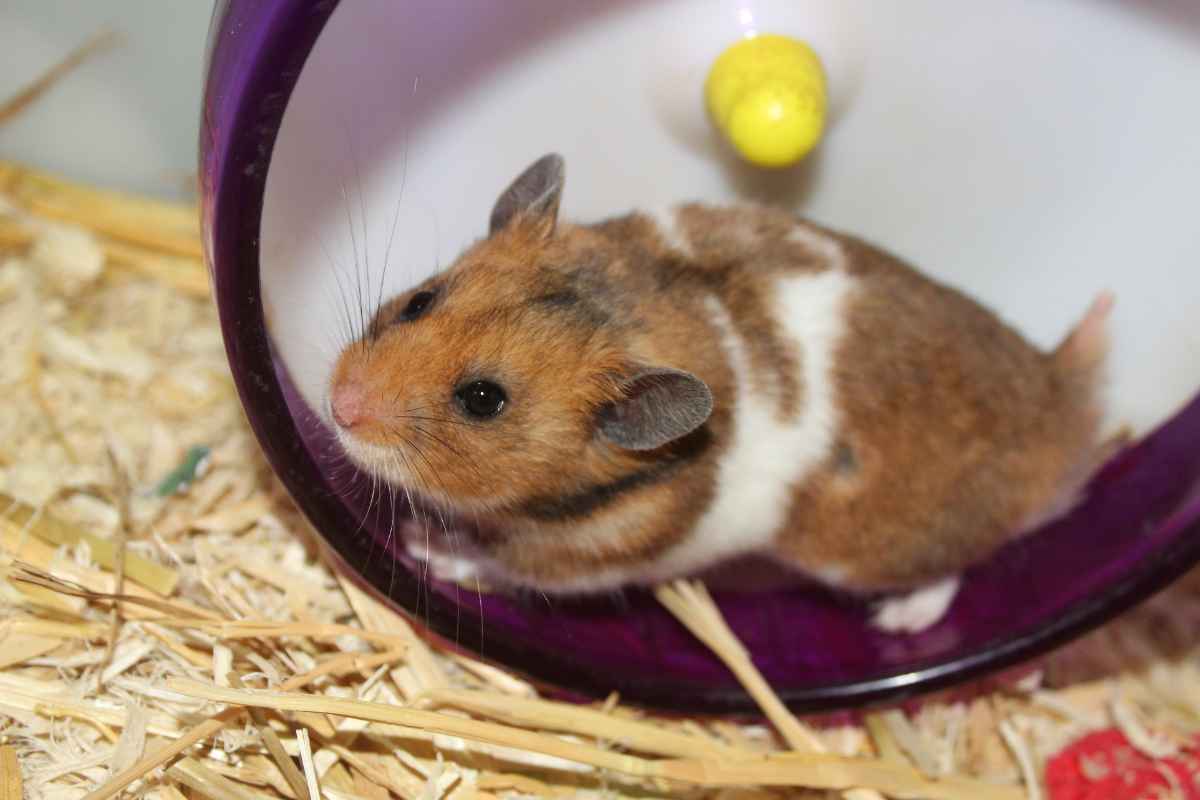
Syrian hamsters must live alone, and many dwarf pairings fail over time.
Care takeaway: House singly unless you have species/experience that supports cautious pairing. Watch for tension, chasing, or wounds and separate if needed—safety first.
Anatomy & Superpowers
Fact 6: Cheek pouches reach their shoulders—and can evert.
Those expandable pouches aren’t just cute; they’re serious storage.
Care takeaway: Avoid stringy fibers (like cotton wool) and sticky treats that can tangle or abrade the pouches.
Fact 7: Teeth never stop growing.
Hamsters need safe gnawing to prevent overgrowth.
Care takeaway: Offer chew-safe woods, compressed hay chews, and hard foods in their mix—not plastic toys or painted items.
Fact 8: They can squeeze through tiny gaps.

A flexible body lets them slip through surprisingly small spaces.
Care takeaway: Choose escape-proof lids, check bar spacing (especially for dwarfs), and block cord holes during free-roam.
Fact 9: Their hearts race.
A resting heart rate can be several hundred beats per minute.
Care takeaway: Keep handling calm and brief, avoid sudden loud noises, and offer predictable routines to reduce stress.
Fact 10: Low-light vision is better than distance vision.
They’re built for dim conditions, not sharp detail.
Care takeaway: Use soft lighting, avoid direct bright lamps, and don’t rely on visual cues for training—scent and sound work better.
Movement, Enrichment & Play
Fact 11: A hamster may run 5–8 km (3–5 miles) in a night.
They’re natural marathoners.
Care takeaway: Provide ample floor space and a properly sized wheel to meet their need for endless exploring.
Fact 12: Wheel size is non-negotiable.
Syrian: ~28–30 cm (11–12 in); dwarfs: ~20–25 cm (8–10 in); solid surface, no rungs.
Care takeaway: The right wheel size prevents back arching and long-term spine issues—this is a top welfare upgrade.
Fact 13: Balls and harnesses can be risky.
Exercise balls often restrict airflow, obscure vision, and cause collisions; harnesses aren’t designed for their anatomy.
Care takeaway: Choose a secure playpen with tunnels, dig boxes, and scatter feeding for safe enrichment.
Fact 14: Digging is a core behavior.

In the wild, they build elaborate burrows with multiple chambers.
Care takeaway: Offer deep bedding (aim 20–25 cm / 8–10 in), layer textures (paper mix + hay + cork), and add dig boxes to reduce stress and stereotypic behaviors.
Housing & Habitat
Fact 15: Floor space beats height and tubes.
Wide, uninterrupted ground encourages natural movement.
Care takeaway: Prioritize large footprints with good ventilation over tall tube mazes. A stable, low layout lowers falls and injuries.
Fact 16: Multi-room burrows are the norm.
They prefer separate areas for sleeping, storing food, and toileting.
Care takeaway: Add multiple hides, cork tunnels, and nesting corners. Let them decide where to put the pan—many will pick a corner themselves.
Fact 17: Temperature swings can trigger torpor.
Below roughly 15°C / 59°F, a hamster might enter torpor, a dangerous energy-saving state if you’re not prepared.
Care takeaway: Keep rooms ~20–24°C (68–75°F), away from drafts. If a hamster seems unusually still and cold, warm the room gradually and call an exotics vet.
Fact 18: Sound matters—especially high-frequency.
Appliances can emit ultrasonic noise we don’t notice.
Care takeaway: Place the habitat away from TVs, speakers, fridges, air purifiers, and gaming consoles. Quiet equals lower stress.
Diet, Drink & Grooming
Fact 19: Hamsters are omnivores.
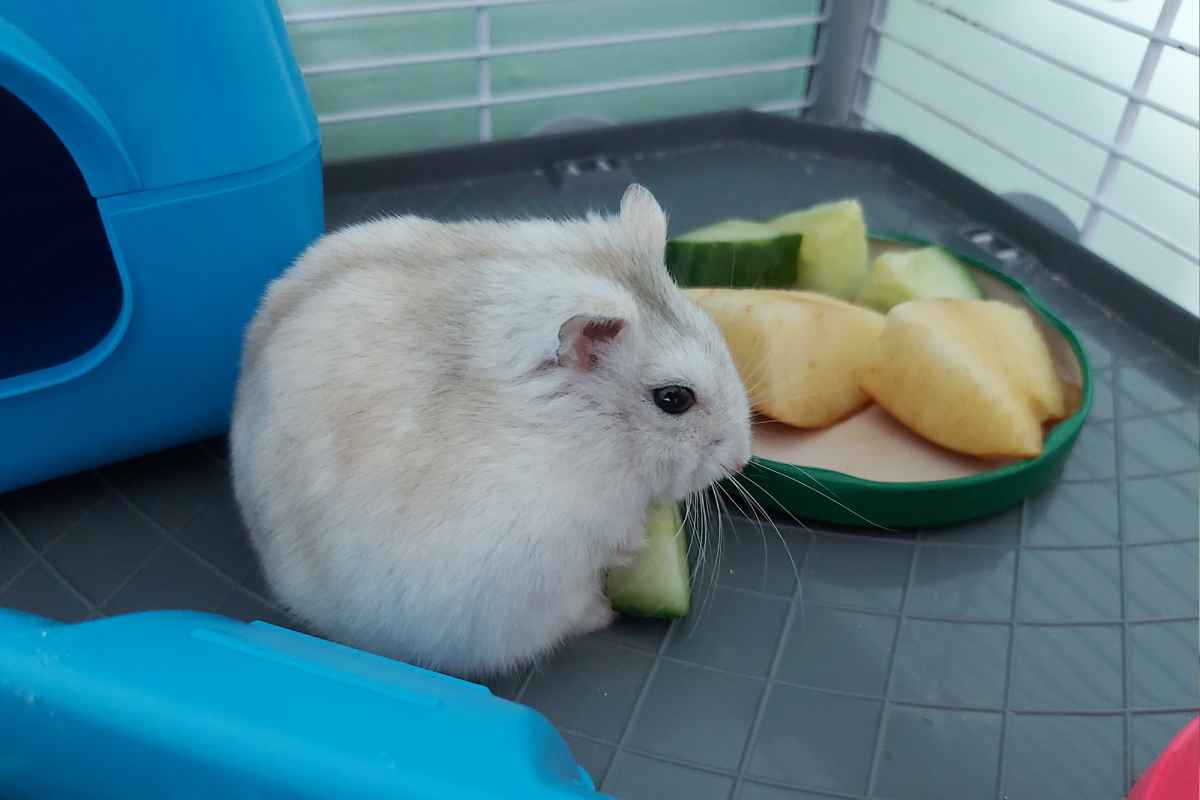
They thrive on a balanced base diet (quality pellets or a measured mix) plus varied seeds, herbs, and occasional protein (like dried mealworms or a tiny bit of cooked egg).
Care takeaway: Avoid sugar-heavy treats and keep portion sizes small—their bodies are tiny.
Fact 20: Water access must be constant—and functional.
Bottles can leak or clog; bowls can tip.
Care takeaway: Pick your preferred method and check daily: Is the spout flowing? Is the bowl clean and stable? Hydration is non-negotiable.
Fact 21: “Fluffy” nesting is unsafe.
Cotton-like fibers can entangle limbs or pack in cheek pouches.
Care takeaway: Offer plain paper bedding or shredded, unscented paper for safe, warm nests.
Fact 22: Sand baths keep coats clean.
Many hamsters love a fine, dust-free sand bath; it removes oils and supports healthy grooming.
Care takeaway: Use reptile-safe sand (baked/sterilized), not cat litter or dusty products. Provide a shallow, stable dish.
Health, Reproduction & Lifespan
Fact 23: Torpor ≠ true hibernation.

Torpor can look frightening—cool body, low activity—and isn’t a care goal.
Care takeaway: Maintain stable warmth, avoid sudden drops, and contact an exotic vet if you suspect torpor or if recovery is slow.
Fact 24: Gestation is very short.
A Syrian’s pregnancy can be about 16 days, and hamsters reach sexual maturity early.
Care takeaway: Separate sexes promptly if you adopted a pair by mistake. Accidental litters are stressful for guardians and risky for moms.
Fact 25: The average lifespan is about 2–3 years.

Some live a bit less or more, depending on genetics and care.
Care takeaway: Plan for regular checks, weigh them weekly to spot subtle changes, and establish a relationship with an exotics-experienced veterinarian.
Putting It All Together (Care You’ll Actually Use)
If you do just three things after reading this, make them these: choose a properly sized solid wheel, give deep, diggable bedding, and keep the habitat warm, quiet, and stable.
Then layer in foraging, a safe playpen, paper nesting, and species-appropriate chews. With those basics in place, you’ll translate interesting trivia into real quality of life—and you’ll see your hamster’s confidence, curiosity, and natural behaviors shine.
We hope you enjoy this video about Hamsters

Source: Victoria Raechel
Did you find this post useful or inspiring? Save THIS PIN to your Pets Board on Pinterest!

You may also like