
- Urbaki Pets
- Dogs
- The Benefits of Snuffle Mats for Dogs and Cats
The Benefits of Snuffle Mats for Dogs and Cats

26/09/2024 · Updated on: 28/10/2025

A snuffle mat is more than a cute fabric puzzle—it taps into your pet’s natural instinct to forage, sniff, and problem-solve.
Whether you share life with a high-energy dog or a contemplative cat, this simple tool can deliver mental stimulation, slower mealtimes, and calmer behavior in just a few minutes a day.
Below you’ll find a complete, practical guide: why they work, how to use them safely, how to choose the right one, and ways to keep everything clean and fun.
Why Snuffle Mats Work

At the heart of a snuffle mat is nose-led exploration. Dogs and cats evolved to hunt and search for food; scattering kibble among fabric “grass” recreates that mini adventure.
This enrichment lowers boredom, channels energy into a focused task, and gives the brain a workout.
Many pets show reduced pacing, whining, or demand behaviors after a short sniff session because they’ve had a chance to do what their bodies and brains expect: use their nose and think.
The Science in Simple Terms
Sniffing triggers a calm, investigative state and can help shift your pet from “go-go-go” to relaxed focus. For fast eaters, searching for each piece naturally slows intake, which may support better digestion and reduce gulping.
For anxious pets, the predictable, low-pressure challenge can become a confidence-building routine.
Key Benefits

Mental Stimulation (Without Overwhelm)
A snuffle mat provides meaningful challenge without requiring advanced training. Pets learn that persistence pays off, which builds resilience and confidence.
It’s perfect for days when long walks or outdoor play aren’t possible.
Slower Eating & Digestive Comfort
If your dog or cat inhales meals, a snuffle mat acts as a gentle slow feeder. The search naturally spaces out bites, which may lessen gas, hiccups, or regurgitation in some pets who eat too fast.
Stress Relief and Calm
Focused sniffing helps many animals self-soothe. Short sessions can take the edge off hyperactivity and offer an outlet for nervous energy—especially helpful for indoor-only cats or high-drive dogs.
Low-Impact Indoor Activity
When weather is extreme or mobility is limited, snuffle mats provide indoor exercise that’s easy on joints and senior pets. It keeps minds busy without overtaxing bodies.
How to Use a Snuffle Mat (Step by Step)

Start simple. Sprinkle a few pieces of kibble on top so your pet “wins” quickly.
Name the game. Introduce a cue like “Find it!” so the routine feels predictable and fun.
Increase difficulty gradually. Tuck treats deeper or mix larger with smaller pieces so the search becomes richer.
Cap the session at 10–15 minutes. Finish while your pet still wants more to keep motivation high.
Supervise every time. Remove the mat after use. Supervision prevents fabric chewing and keeps multi-pet households peaceful.
End with success. If frustration creeps in, scatter a few easy wins and celebrate the final find.
Dog vs. Cat Tips

For Dogs
Match size and texture to your dog. Larger muzzles often do better with deeper, sturdier “grass.”
For powerful chewers, pick reinforced stitching and thicker fleece, and end sessions early if chewing starts.
Incorporate a portion of the daily ration to support weight management and structured mealtimes.
Pair with calm cues (sit, wait, “find it”) to teach impulse control without making the game rigid.
For Cats
Use smaller kibble or tiny treat pieces that are easy to bat and nose through.
Place the mat in a quiet, low-traffic spot; many cats prefer privacy for “hunting.”
Some cats enjoy elevated play—try a stable, non-slip surface on a table or near a window perch.
Keep sessions short and varied. Cats thrive on novelty; rotate the mat with boxes, tunnels, or crinkle toys.
Safety & When to Avoid

Snuffle mats are safe when used correctly. Keep these non-negotiables:
Always supervise. If your pet begins chewing or shredding fabric, end the session.
Separate pets if you see resource guarding or tension.
Avoid for pets that ingest non-food items or are in a medical situation where foraging isn’t advised—ask your vet if unsure.
Time-box the activity and remove the mat afterward to prevent sneaky chewing.
Choosing the Right Snuffle Mat

Size and Depth
Match the mat size and “pile” height to your pet’s muzzle and skill level. Deeper folds create a tougher challenge; shallow folds suit beginners, small dogs, and cats.
Materials and Build
Look for durable, non-toxic fleece with secure stitching and a non-slip backing. Reinforced edges extend life, especially with enthusiastic foragers.
Difficulty Options
Some mats offer multi-texture zones or pockets for variable difficulty. Variety keeps advanced pets engaged and prevents boredom.
Portability and Storage
If space is tight, choose a mat that rolls or folds easily. Snuffle balls are a fun alternative for confident foragers and playful cats.
Cleaning & Maintenance

Cleanliness protects your pet’s health and keeps the game appealing.
Daily quick clean: Shake out crumbs, then air the mat to dry any moisture from pet saliva.
Wash schedule: If used with dry kibble, machine-wash weekly (check label). If using wet food, hand-wash or machine-wash after each session.
Drying: Air-dry fully before storage to avoid odors or mildew.
Rotation: Keep two mats and rotate. A fresh texture maintains novelty and gives you time to wash and dry properly.
Special Use Cases
Puppies & Kittens
Short, 2–5 minute sessions teach problem-solving without overloading young attention spans. Use larger, easy pieces and celebrate quick wins.
Seniors
For older pets, snuffle mats deliver gentle cognitive enrichment. Choose shallow, soft textures and keep sessions calm and unhurried.
Weight Management
Using part of the daily ration in the mat encourages mindful eating and can help reduce extra treat calories while keeping motivation high.
Troubleshooting Common Hurdles

Chewing the mat: Lower the difficulty, shorten the session, and reward more frequent finds so the pet stays focused on sniffing, not shredding.
Losing interest: Refresh with high-value crumbs at the end, rotate mats, or try a different location.
Guarding behavior: Work one pet at a time. Increase distance, keep sessions brief, and consult a trainer if guarding persists.
Bringing It All Together
A snuffle mat is a small change with outsized benefits. In as little as 10–15 minutes, you can offer brain work, calmer behavior, and more satisfying meals—all indoors, all year round.
Start simple, stay supervised, and scale the challenge as your pet learns.
Whether your goal is easing stress on rainy days, slowing down a speedy eater, or giving your indoor cat a richer routine, this nose-first game can become the most rewarding few minutes of your pet’s day.
A Friendly Final Word: Make Every Sniff Count
Consistency beats complexity. Choose a well-made, washable mat, pair it with your daily routine, and keep each session positive and short.
When you honor your pet’s natural instincts—to sniff, search, and succeed—you’ll see the difference not just in mealtimes, but in the whole rhythm of your home.
Enjoy The Video About Pets
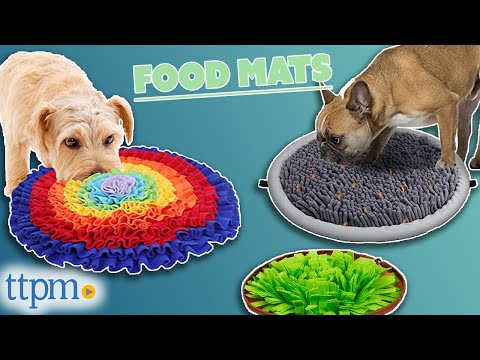
Source: TTPM juguetes para mascotas y comentarios Gear

Urbaki Editorial Team is the collaborative byline behind our pet-care guides. Our writers and editors turn evidence and real-life experience into clear, humane advice on training, wellbeing, nutrition basics, and everyday life with animals. Every article is planned, written, and edited by humans, fact-checked against reputable veterinary sources, and updated over time. This is an editorial pen name—see our Editorial Policy. Educational only; not a substitute for veterinary advice.
You may also like