
The Best Natural Remedies for Common Cat Ailments


Natural care can play a supportive role, but it should never replace a proper diagnosis. Always rule out medical causes first. Cats metabolize substances differently from humans and dogs, so even “gentle” herbs can be risky.
Quick Safety Rules
Do not give human medications (painkillers, cold remedies, essential oils) to cats.
Avoid teas or tinctures unless your veterinarian has approved the exact product and dose.
Patch-test topical products and keep them where your cat can’t lick them off.
Start one change at a time so you can see what actually helps.
Stop immediately and call your vet if symptoms worsen or new ones appear.
Understand the Symptoms First

Before reaching for a home remedy, identify what you’re seeing: stress, mild digestive upset, itchy skin, or urinary discomfort. Matching the remedy to the problem is far more effective than trying everything at once.
Red Flags: See the Vet Now
Straining to urinate with little or no urine, crying in the litter box, or blood in the urine
Repeated vomiting, lethargy, refusal to eat or drink
Open wounds, rapidly spreading rashes, or intense itch with skin damage
Sudden behavior changes (hiding, aggression, confusion)
Urinary blockage—especially in male cats—is an emergency. Don’t attempt home treatment first.
Stress & Anxiety Support

Stress can trigger over-grooming, litter box issues, and tummy troubles. Focus on environmental enrichment and predictable routines.
Enrichment That Actually Works
Daily interactive play (5–10 minutes, 2–3 times a day) with wand toys to mimic hunting
Vertical territory (cat trees, shelves) and safe hiding spots
Scratching posts near naps and entrances to reduce tension
Routine and predictability for feeding, play, and quiet time
Pheromone Options
Synthetic feline facial pheromones aren’t “herbal,” but they are a non-pharmaceutical tool many guardians find helpful for mild stress, inter-cat tension, or scratching. Use diffusers in the rooms your cat frequents; reassess after 4–6 weeks.
Catnip, Silver Vine & Valerian
Not every cat responds to catnip; only about half show interest. If catnip is a miss, try silver vine or valerian toys. These can spark play and curiosity, helping some cats relax afterward. Offer brief sessions and store toys away between uses to keep the effect special.
Sensitive Stomachs & Mild Digestive Upset
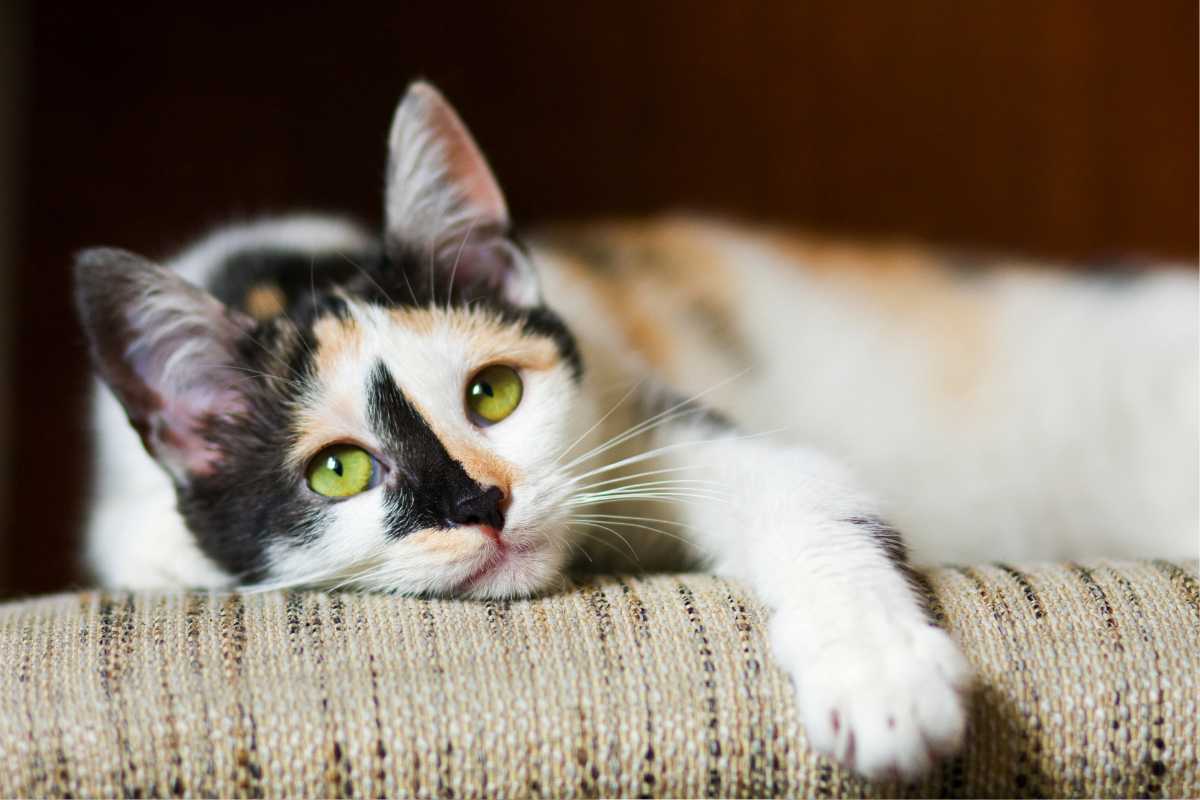
For occasional, mild tummy issues in an otherwise healthy cat, think hydration, gentle diet adjustments, and feline-specific supplements.
Hydration and Food Basics
Wet food boosts water intake, which supports digestion and urinary health.
Small, frequent meals can be easier on sensitive stomachs than large feeds.
Switch foods gradually over 7–10 days to avoid upsets.
Pumpkin & Other Fibers
A little plain pumpkin (steamed or canned, no sugar or spices) may help regulate stool. Start with ¼–½ teaspoon once daily for an average cat and observe for 48 hours. Too much fiber can cause gas or firmer stools, so keep amounts modest.
Probiotics Made for Cats
Choose species-specific probiotics formulated for felines. These can support normal stool quality and may help during diet changes or mild stress. Follow the label dose from a reputable veterinary brand; avoid general human probiotics unless your vet approves them.
Slippery Elm: Use With Care
Slippery elm can soothe the GI tract, but it may bind medications and reduce absorption. If your vet recommends it, separate doses from other meds by at least 2 hours, use a known-quality source, and monitor stool consistency.
Skin & Itch Relief
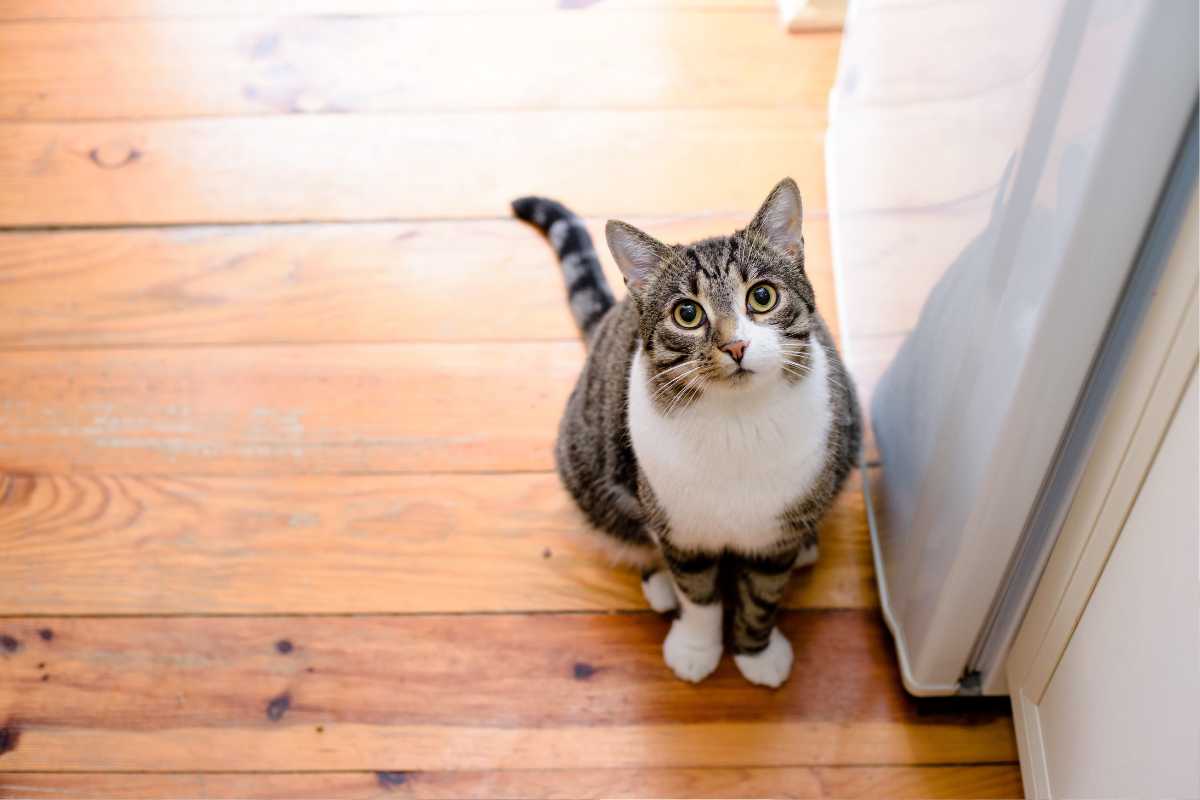
Itchy skin has many causes: fleas, allergies, ringworm, stress, or food reactions. You won’t fix those with a single topical. Focus on comfort while you seek the cause.
When Not to Bathe
Many cats find baths highly stressful, which can worsen skin and behavior. Unless your vet directs otherwise, avoid routine bathing for itch and use gentler comfort strategies.
Topicals: Keep It Cat-Safe
Use vet-approved, cat-specific products only. Be careful with “natural” gels and creams—aloe plants are toxic if ingested, and cats lick their fur. If your vet suggests a topical, apply a thin layer, distract your cat with play or a snack while it absorbs, and stop if redness or licking increases.
Urinary Tract Wellness
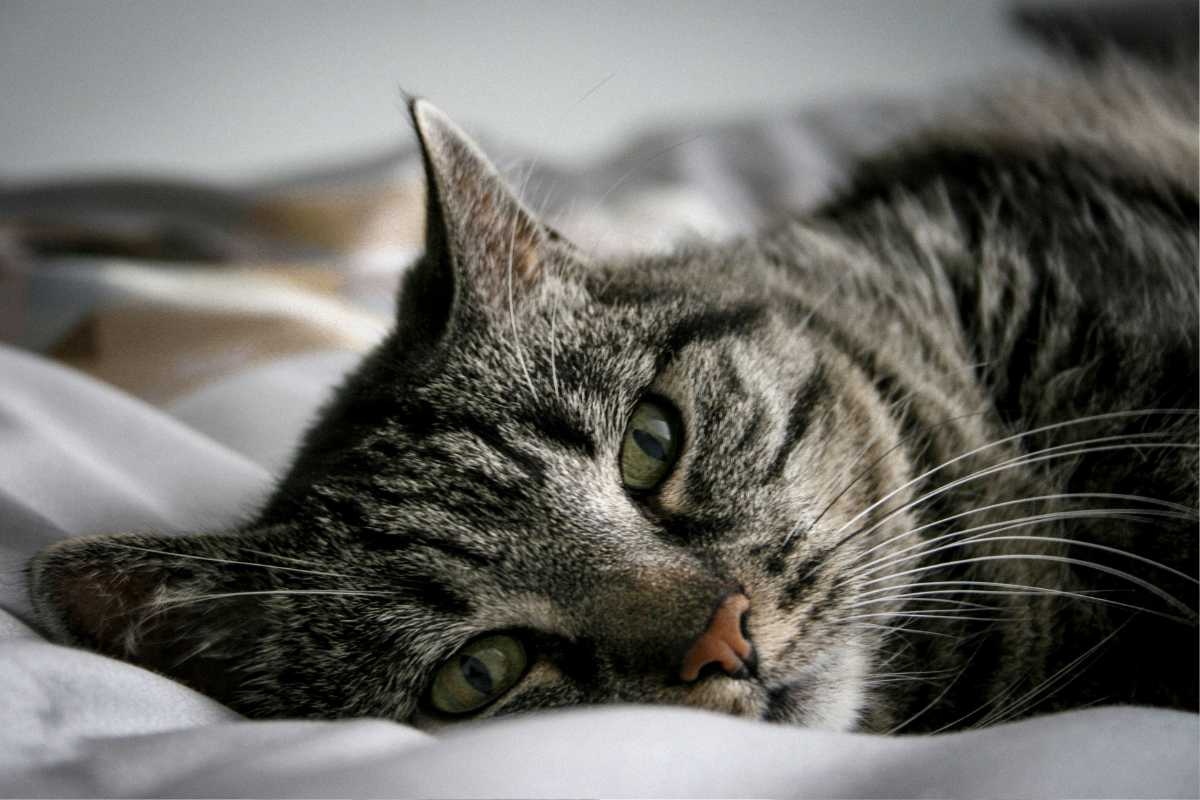
Cats are prone to stress-linked lower urinary issues. The best “natural” support isn’t in a bottle—it’s water, routine, and a cat-friendly environment.
Hydration & Litter Box Hygiene
Wet diets and multiple water stations (wide bowls, fountains) encourage drinking.
Clean litter boxes daily; aim for n+1 boxes (number of cats plus one).
Place boxes in quiet, low-traffic areas and provide unscented litter most cats prefer.
What Not to Try
Avoid apple cider vinegar or other acidifiers without a diagnosis. Urinary signs may come from stones, infection, crystals, or inflammation, and the wrong approach can make things worse. Get a urinalysis before trying supplements.
Cranberry: What to Expect
Cranberry products may help reduce bacterial adherence in some species, but many feline urinary problems aren’t bacterial. If you and your vet decide to try cranberry, choose a cat-specific formula and track symptoms; stop if there’s no benefit in 3–4 weeks.
Simple Daily Habits That Prevent Problems

Play every day to lower stress and maintain a healthy weight.
Feed a moisture-rich diet and keep fresh water in two or more spots.
Groom gently with a soft brush; check skin and coat weekly.
Scoop boxes daily and monitor clumps to notice changes early.
Make changes slowly—food, litter, routines—so your cat can adapt comfortably.
Quick-Look Guide: What Helps vs. What to Skip
Often Helpful
Wet food & water stations for urinary and digestive support
Interactive play and vertical space for stress relief
Feline-specific probiotics for mild digestive issues
Pheromone diffusers as a non-drug calming aid
Use With Caution
Pumpkin (tiny amounts, short term)
Slippery elm (separate from meds; vet guidance)
Topicals (only vet-approved cat products; avoid anything your cat will lick)
Skip/Do Not Use Without Diagnosis
Apple cider vinegar for urinary problems
Human meds, essential oils, or herbal teas not cleared by your vet
Frequent bathing for itch without a cause identified
When to Call the Vet (No DIY)
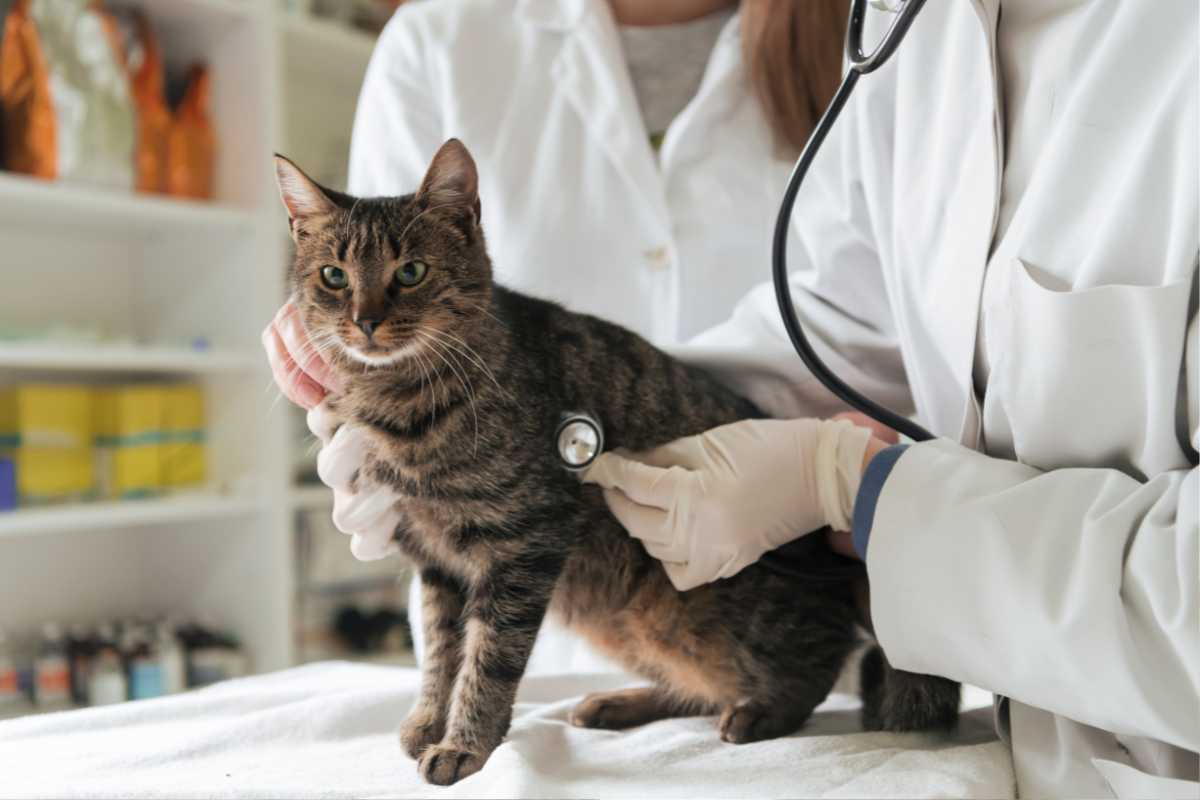
Urinary straining, blood in urine, or frequent tiny trips to the box
Persistent vomiting/diarrhea beyond 24–48 hours or any lethargy/dehydration
Open sores, rapidly worsening rashes, or signs of pain
Kittens, seniors, or cats with chronic disease showing any new symptoms
Friendly Reminder & Disclaimer
Natural care should support—not replace—veterinary medicine. The safest plan is a diagnosis-first approach, then adding targeted, cat-safe strategies like enrichment, hydration, and feline-specific supplements.
This guide is educational and not a substitute for professional veterinary advice.
Enjoy The Video About Cats

Source: Kitten School

You may also like