
The Complete Starter Pack for the Rabbit Owner


Bringing a rabbit into your home is a rewarding experience, but it requires careful consideration and preparation.
Unlike other pets, rabbits need specific care to thrive. From their diet to their living space, there are many factors to consider when adopting a rabbit.
Whether you're a first-time rabbit owner or you're looking to refresh your knowledge, this guide provides a comprehensive starter pack to ensure your rabbit lives a long, happy, and healthy life.
🐇 Diet and Nutrition: Essential Food for Your Rabbit
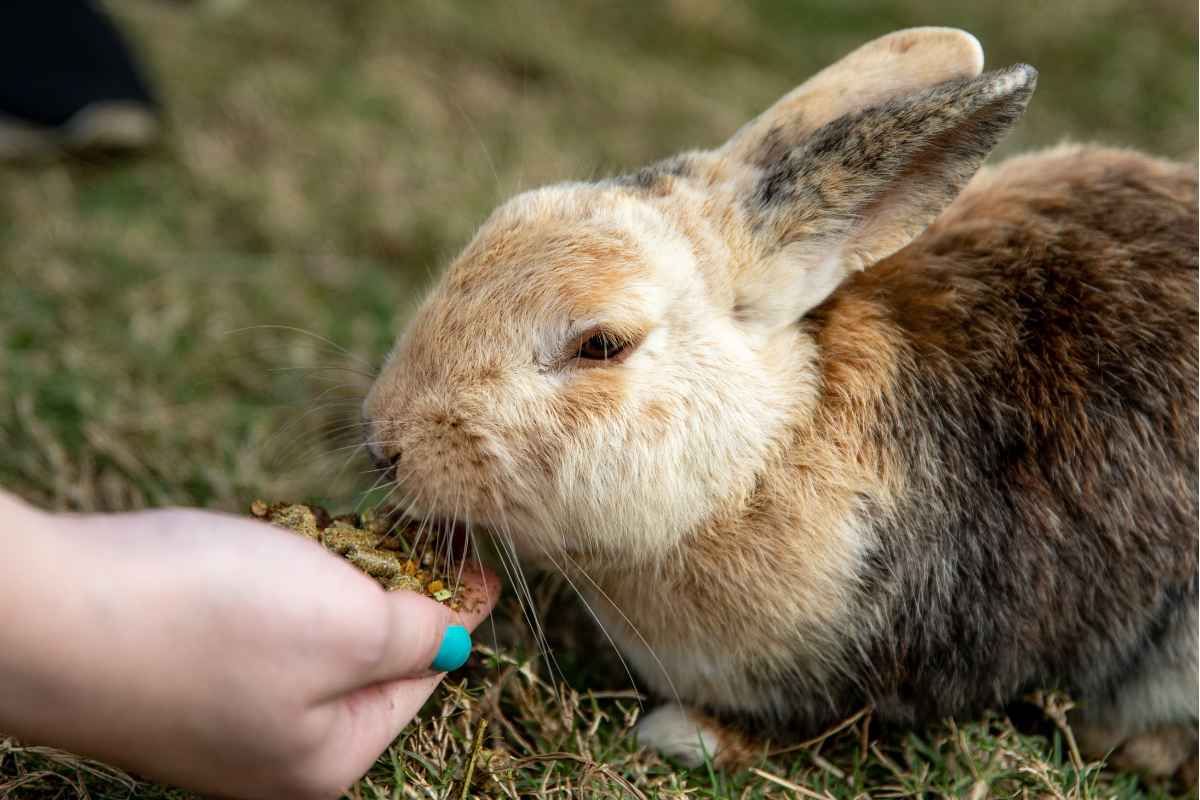
A rabbit’s diet is crucial for their health. Providing the right balance of fresh hay, vegetables, and pellets will help them stay fit and active.
It's important to remember that a rabbit’s digestive system is delicate and requires a high-fiber diet.
🥕 Hay: The Cornerstone of a Rabbit’s Diet
Hay should make up the majority of your rabbit’s diet.
It provides essential fiber, which is important for their digestive system and helps prevent obesity and gastrointestinal problems.
There are various types of hay, such as Timothy hay, meadow hay, and oat hay. Aim to provide unlimited access to hay throughout the day.
🥗 Fresh Vegetables and Herbs

In addition to hay, you can offer fresh leafy vegetables.
Popular options include romaine lettuce, cilantro, parsley, and dandelion greens. Avoid iceberg lettuce, as it has little nutritional value and can cause digestive issues.
Fresh herbs are also a great treat—try mint or basil for a tasty variety.
🍏 Pellets: The Supplement to Fresh Food
Rabbit pellets should be high-quality, free from seeds or added sugars.
Pellets are designed to supplement their fresh food and ensure they’re getting the vitamins and minerals they need.
However, it’s important not to overfeed pellets, as too many can lead to obesity.
🍎 Fruits as Treats
Fruits should only be given sparingly as treats due to their high sugar content.
Safe fruits include apple slices, bananas, strawberries, and blueberries.
Always remove seeds from fruits like apples before offering them to your rabbit.
🏠 Space and Habitat: Creating a Comfortable Environment
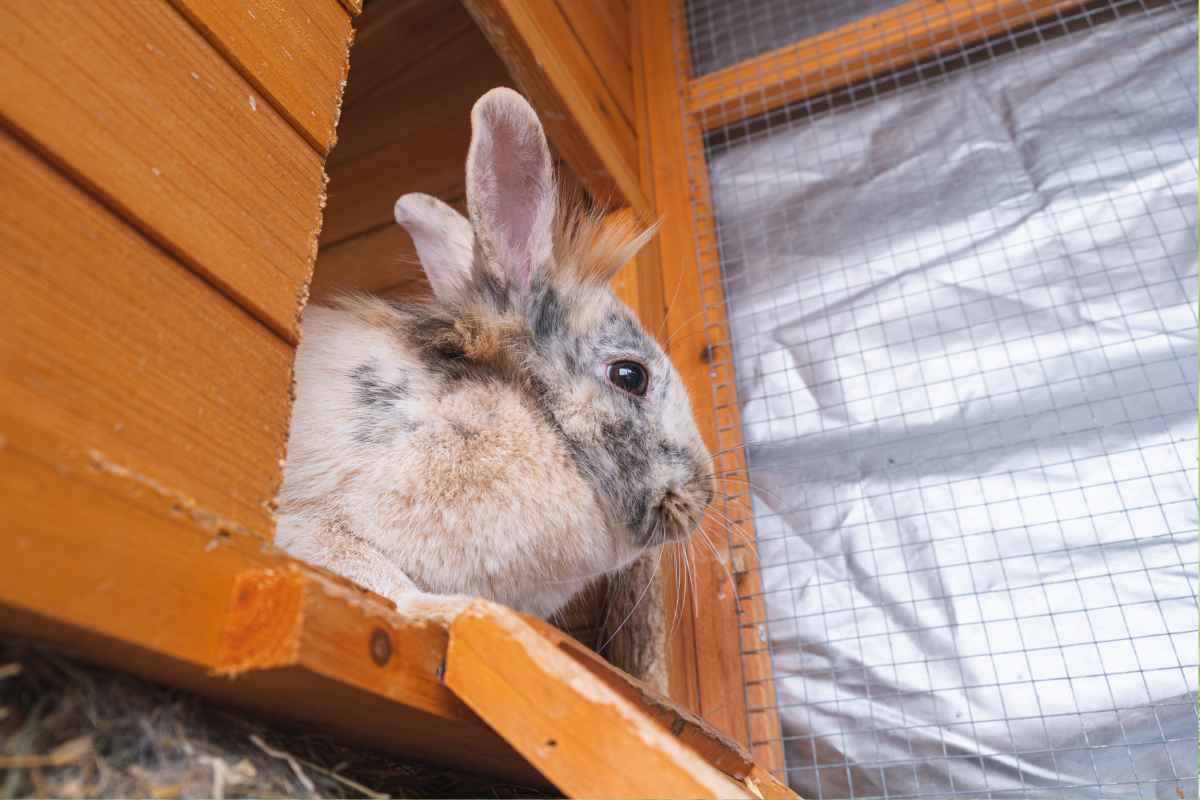
Rabbits need plenty of space to roam, hop, and explore.
Unlike hamsters or guinea pigs, rabbits require larger enclosures and plenty of room for exercise.
🐰 Choosing the Right Enclosure
The best habitat for your rabbit is one that gives them enough room to stretch out and move around.
A large rabbit pen or rabbit cage with high sides is ideal.
The enclosure should be at least four times the size of your rabbit when they’re stretched out.
Make sure it has soft bedding like hay or soft blankets to provide comfort.
If possible, allow your rabbit to roam freely in a rabbit-proofed room. This way, they can have access to more space and experience new environments.
🏡 Rabbit-Proofing Your Home
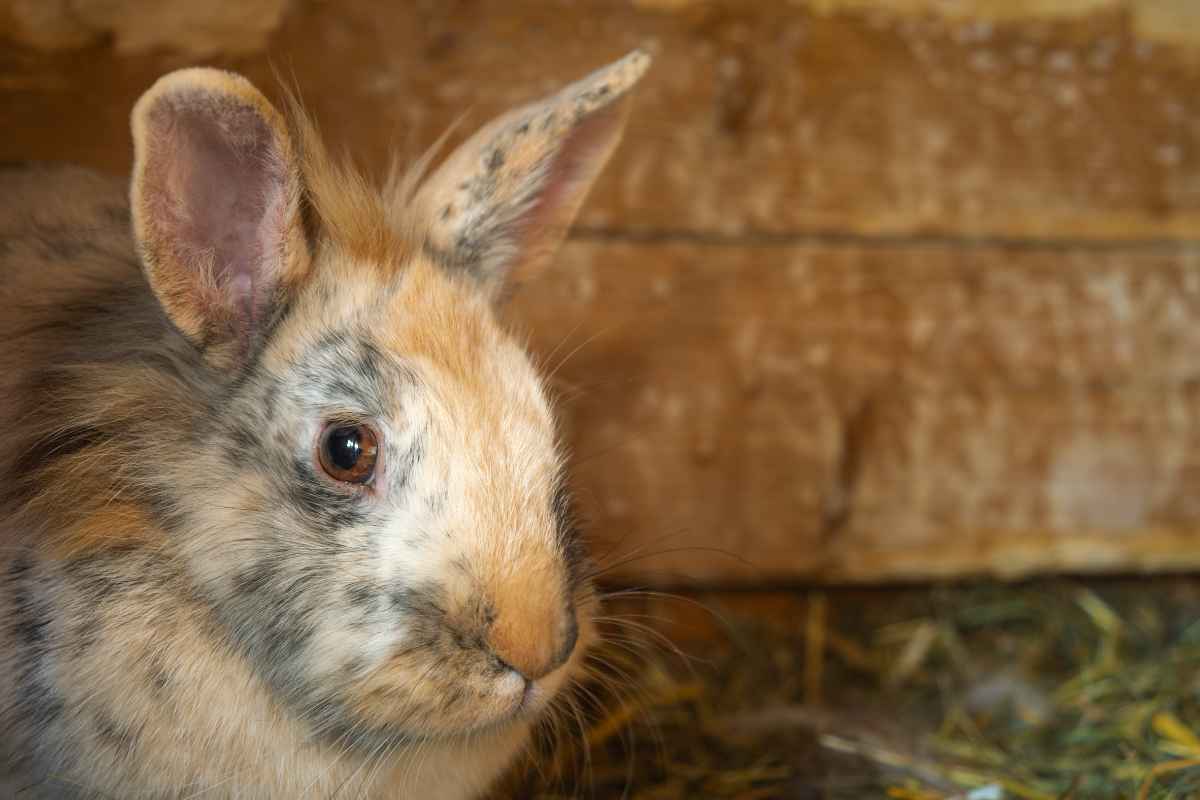
Rabbits love to chew, and they will likely nibble on electrical cords, baseboards, and furniture.
To keep your rabbit safe, it's important to rabbit-proof your space.
Use cord protectors, block off areas they shouldn’t go, and keep hazardous items out of their reach.
🌿 Adding Enrichment to Their Space
Rabbits need more than just food and water—they need mental stimulation too.
Tunnels, ramp systems, cardboard boxes, and chew toys can keep them entertained for hours.
You can even provide foraging toys that encourage them to search for their food.
🧼 Hygiene and Grooming: Keeping Your Rabbit Clean
Rabbits are naturally clean animals and will groom themselves regularly. However, they still need your help to stay tidy and healthy.
🐇 Regular Brushing
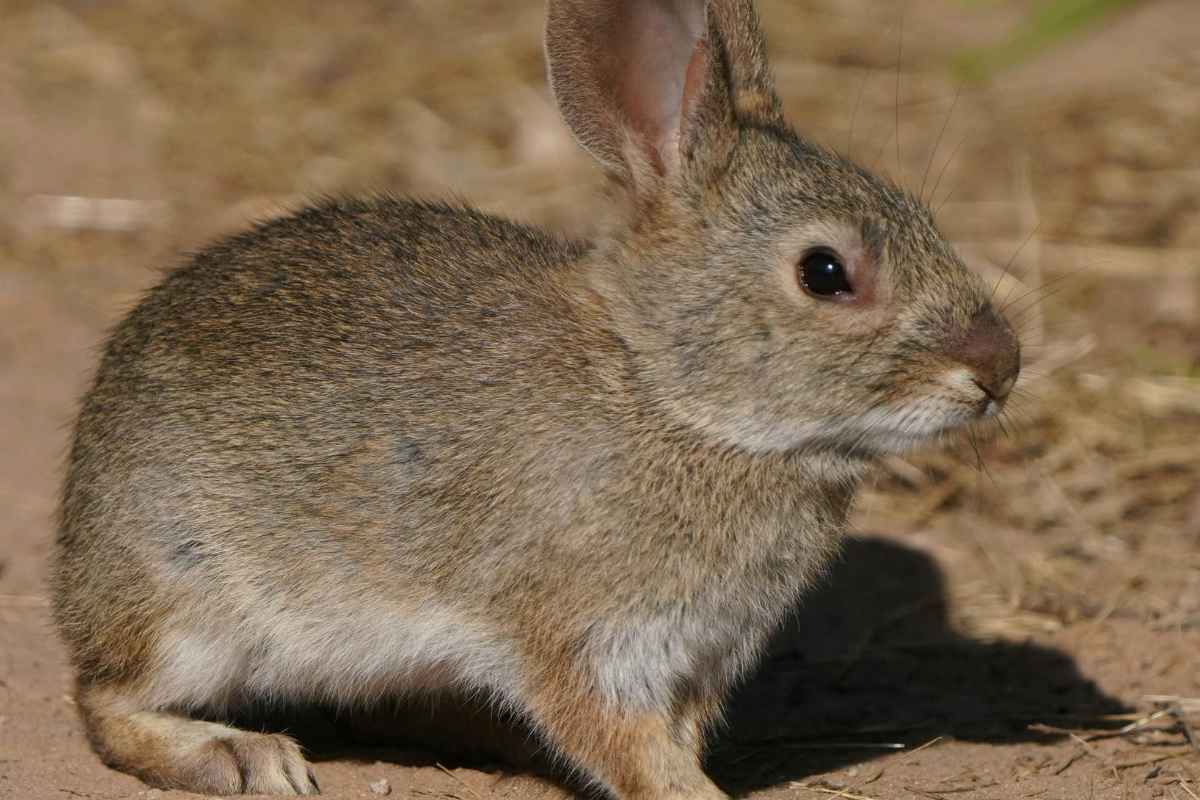
Depending on the breed, your rabbit may require regular brushing. Long-haired breeds, like Angora or Himalayan rabbits, need to be brushed daily to avoid matting.
Short-haired rabbits can be brushed once a week to remove loose fur and reduce the chances of hairballs. Regular grooming also helps keep their skin healthy and free from parasites.
🧼 Litter Training
Rabbits are often easy to litter train due to their natural instincts to use one corner of their enclosure as a bathroom.
Choose a litter box that’s low-sided so your rabbit can easily hop in and out. Use unscented, dust-free litter (avoid clumping clay litters) to keep your rabbit comfortable.
🧴 Nail Trimming
Rabbits' nails grow quickly, and they may require trimming every 4-6 weeks.
Use rabbit-specific nail clippers to avoid injury. If you're unsure how to trim their nails, ask a veterinarian for guidance.
🐇 Mental Health and Socialization: Keeping Your Rabbit Happy
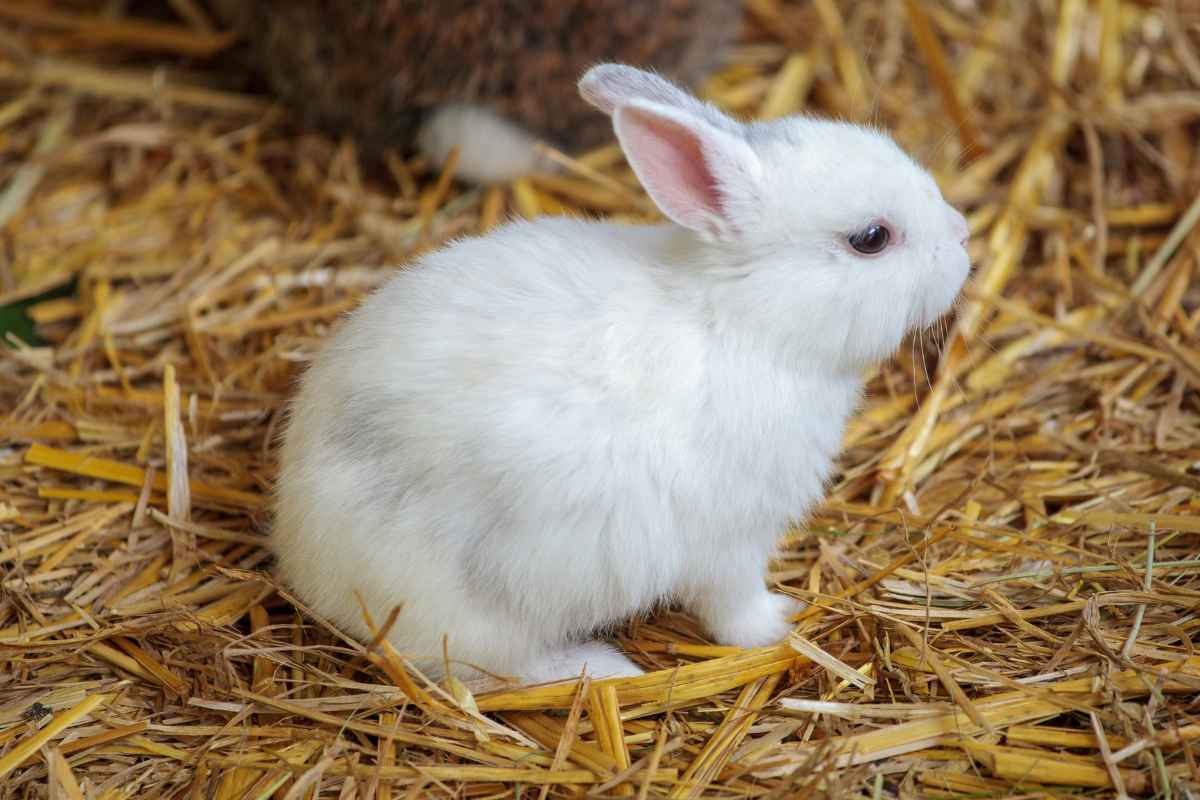
Rabbits are social animals and thrive when they have companionship and mental stimulation.
They are also highly sensitive to their environment, so it’s essential to ensure they feel safe and comfortable.
🐰 Bonding with Your Rabbit
Spend time interacting with your rabbit daily. Rabbits enjoy being petted, but they are also independent and may not always want cuddles.
Pay attention to their body language and respect their boundaries. Use treats and positive reinforcement to help them associate you with positive experiences.
🐇 Offering Companionship
If possible, consider adopting a second rabbit. Rabbits are often happier when they have a companion to bond with, especially if they are spayed or neutered.
It’s important to introduce them gradually and make sure they get along well before giving them full access to each other.
🧑⚕️ Regular Vet Visits
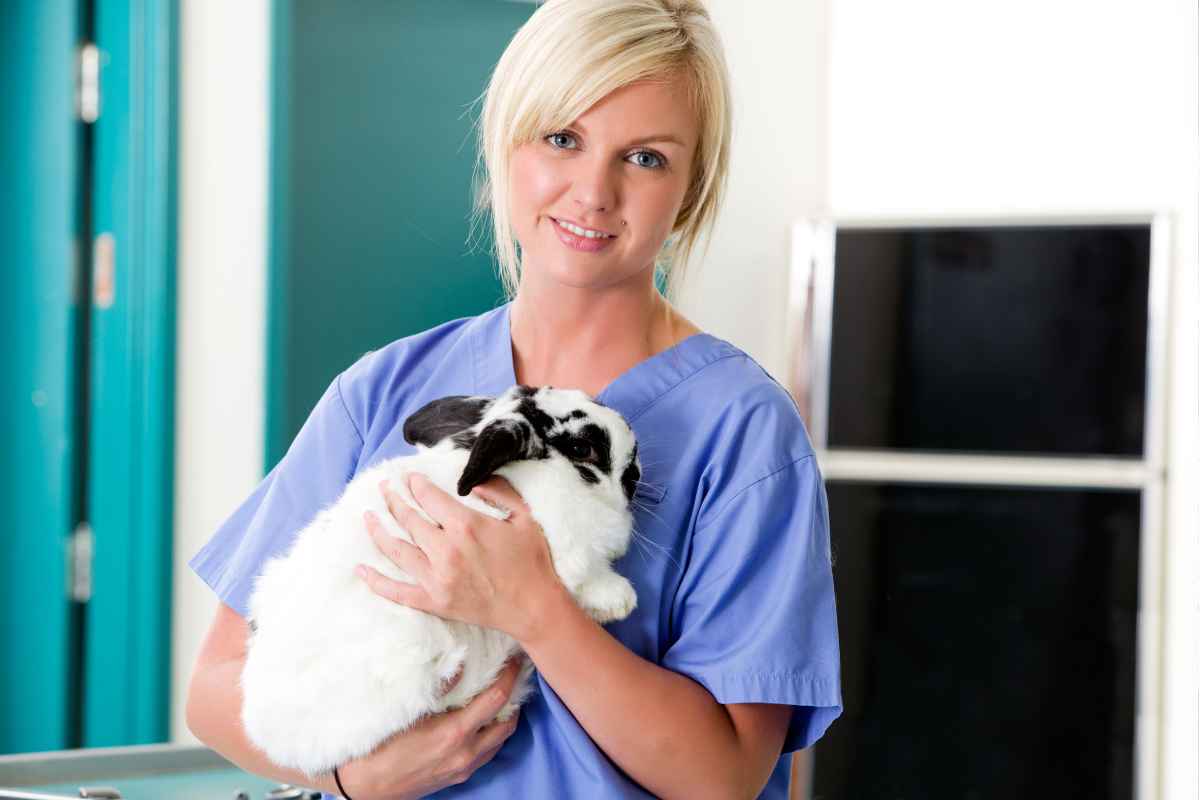
Rabbits need to see a veterinarian who specializes in exotic pets to ensure they stay healthy.
Regular checkups can help detect potential health issues, such as dental problems, parasites, or gut issues, before they become serious.
Your vet can also recommend vaccines and provide advice on general care.
🧴 Common Health Concerns: What Every Rabbit Owner Should Know
As prey animals, rabbits are known for hiding illnesses until they’re serious, so it’s important to observe them closely.
🐰 Digestive Health
A rabbit's digestive system is highly sensitive. Gastrointestinal stasis is a common condition that occurs when a rabbit's digestive system slows down.
This can be caused by stress, poor diet, or lack of exercise.
Ensure your rabbit has a constant supply of fresh hay and water, and consider supplementing with digestive enzymes if recommended by your vet.
🐇 Dental Health
Rabbits’ teeth grow continuously, so they need to chew on fibrous materials, like hay, to keep them worn down.
If their teeth become too long, they can cause painful dental problems.
Look for signs like drooling or a loss of appetite, which may indicate dental issues.
🧴 Respiratory Issues
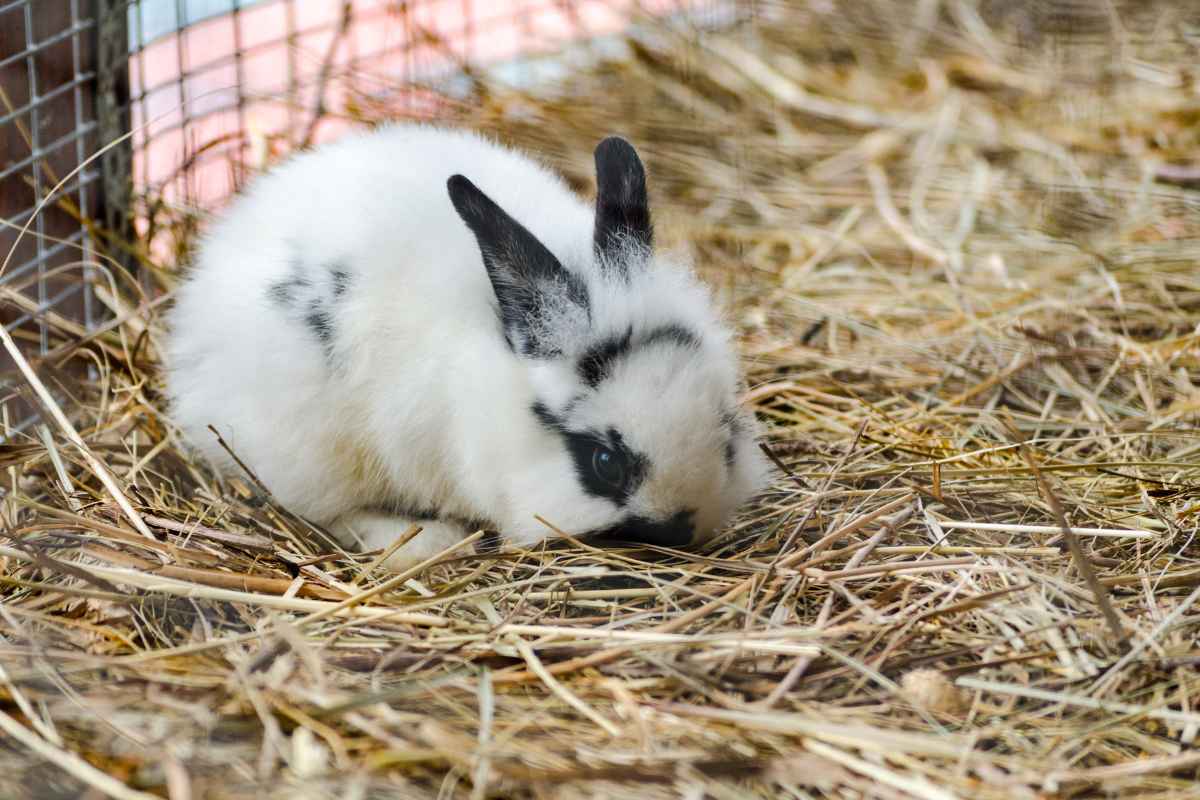
Rabbits are also prone to respiratory problems.
If your rabbit begins sneezing, has nasal discharge, or seems lethargic, it may have a respiratory infection.
Early treatment is key to preventing more serious complications.
🐇 Conclusion: Creating a Happy and Healthy Life for Your Rabbit
Owning a rabbit is a fulfilling and rewarding experience, but it comes with responsibilities.
Providing the right environment, food, and care is essential for their health and happiness.
By following these tips and understanding your rabbit's needs, you’ll ensure they thrive in your home.
Adopting a rabbit is just the beginning. With the right tools and a little bit of effort, your rabbit will be a loving and loyal companion for years to come.
Source: Lennon The Bunny
Did you find this post useful or inspiring? Save THIS PIN to your Pets Board on Pinterest!

You may also like