
The Do's and Don'ts of Your Pet Rabbit

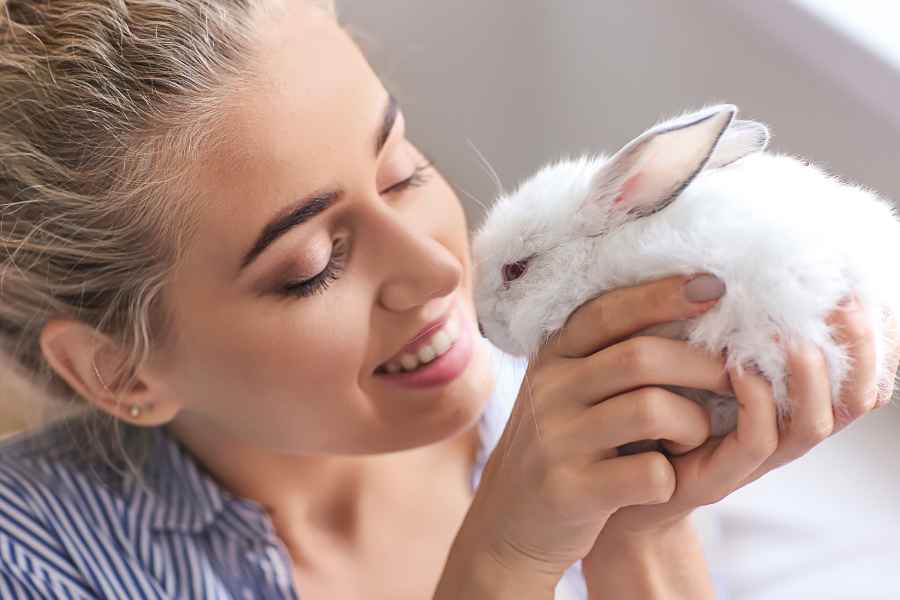
Taking care of a pet rabbit involves more than just providing food and shelter. Rabbits are unique animals with specific needs, and understanding their natural behaviors is essential for ensuring their health and happiness.
This comprehensive guide will help you learn the do's and don'ts of rabbit care, so you can create a safe and comfortable environment for your furry friend.
Dos for Your Pet Rabbit
1. Provide a Safe and Spacious Living Area
Rabbits need plenty of space to hop, stretch, and explore. It’s essential to provide a large, comfortable living area. The ideal rabbit hutch or pen should measure at least 120 cm (4 feet) in length and 60 cm (2 feet) in width for a single rabbit. However, it’s even better if you can allow your rabbit to roam freely in a rabbit-proofed room for added exercise.
Tip: Invest in a large exercise pen or rabbit playpen to give your rabbit more space.
2. Offer a Balanced Diet with Fresh Hay and Vegetables
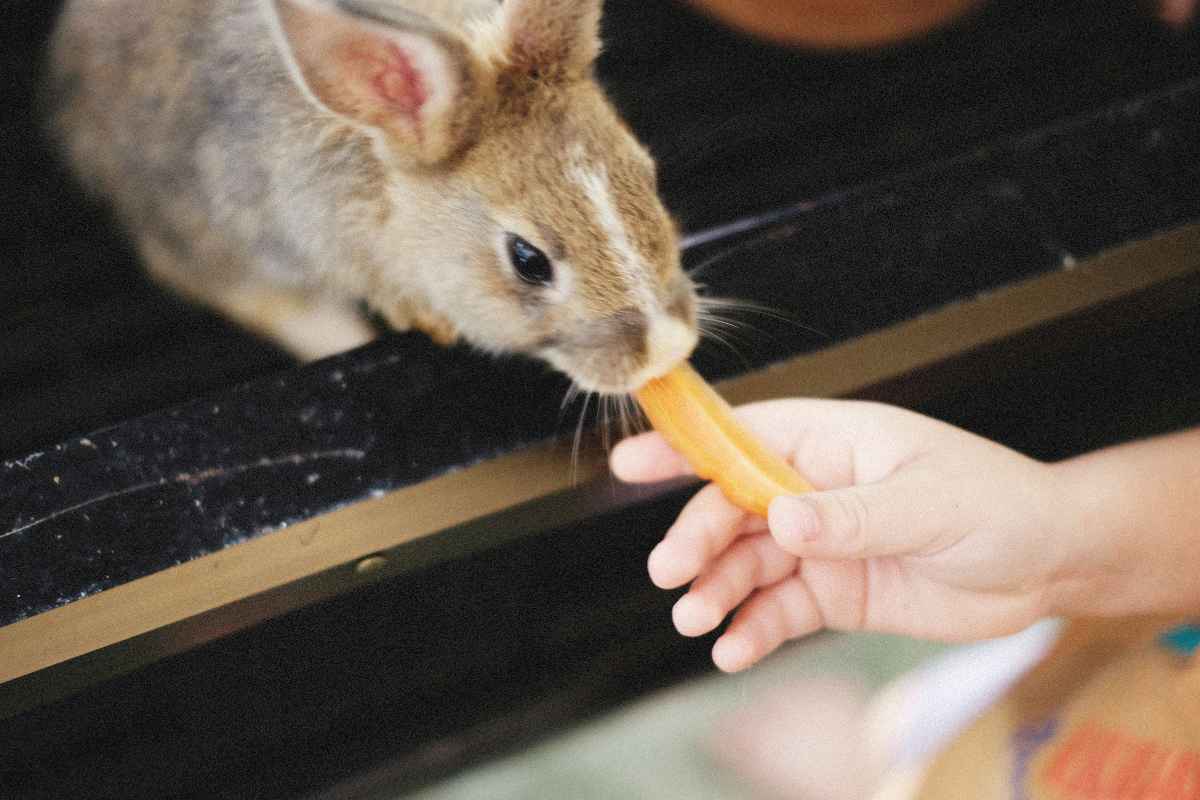
A proper diet is crucial to your rabbit's well-being. The foundation of a rabbit's diet should be high-quality hay, such as Timothy hay, which aids in digestion and maintains dental health. About 80-90% of your rabbit’s diet should consist of hay. The rest can be made up of fresh vegetables, pellets, and limited amounts of fruit.
Recommended Vegetables: Fresh herbs like cilantro, parsley, and dandelion greens are perfect for your rabbit. Leafy greens like romaine lettuce and spinach are also great options.
Avoid: Iceberg lettuce, as it lacks nutritional value, and cabbage, which can cause bloating in rabbits.
3. Ensure Plenty of Exercise and Mental Stimulation
Rabbits are naturally curious animals that enjoy exploring their environment. Provide them with a rabbit-proofed area to hop around freely, where they can explore safely. You can enhance their environment with toys and enrichment activities.
Toys: Use cardboard tubes, wooden chew toys, and baskets to keep your rabbit entertained and mentally stimulated.
Interactive Play: Training with a clicker or providing tunnels to explore can also keep your rabbit engaged and prevent boredom.
4. Keep Their Living Space Clean
A clean living environment is key to maintaining your rabbit's health. Regularly clean the litter box, replace bedding, and disinfect surfaces to prevent the buildup of harmful bacteria. Rabbits are sensitive to odors, and a clean hutch will keep them comfortable.
Tip: Use unscented, paper-based bedding instead of clumping cat litter, which can be harmful if ingested.
5. Schedule Regular Vet Check-ups
Rabbits require regular health check-ups with a veterinarian who is experienced with rabbits. Keep track of their vaccinations and ensure they are spayed or neutered to prevent unwanted behavior and health complications. Regular vet visits help monitor your rabbit's overall health, including their teeth, weight, and digestive system.
Don’ts for Your Pet Rabbit
1. Don’t Use Harmful Bedding or Litter
Avoid using clay-based or clumping cat litter, as it can be dangerous if ingested. Some litters contain chemicals or scents that are harmful to rabbits’ sensitive respiratory systems. Instead, opt for paper-based bedding or safe hay products.
Safe Alternatives: Use paper pellets, aspen shavings, or shredded newspaper as safe bedding options.
2. Don’t Overfeed Carrots or Fruit
While it’s tempting to give rabbits sweet treats like carrots or fruit, they should only be offered in moderation. Excessive sugar from these foods can lead to obesity, digestive issues, and other health problems.
Do Not Feed: Carrots and fruits should only account for 10-15% of your rabbit’s diet. Limit sugary fruits like apples and bananas to prevent weight gain and digestive problems.
3. Don’t Keep Your Rabbit in a Small Cage
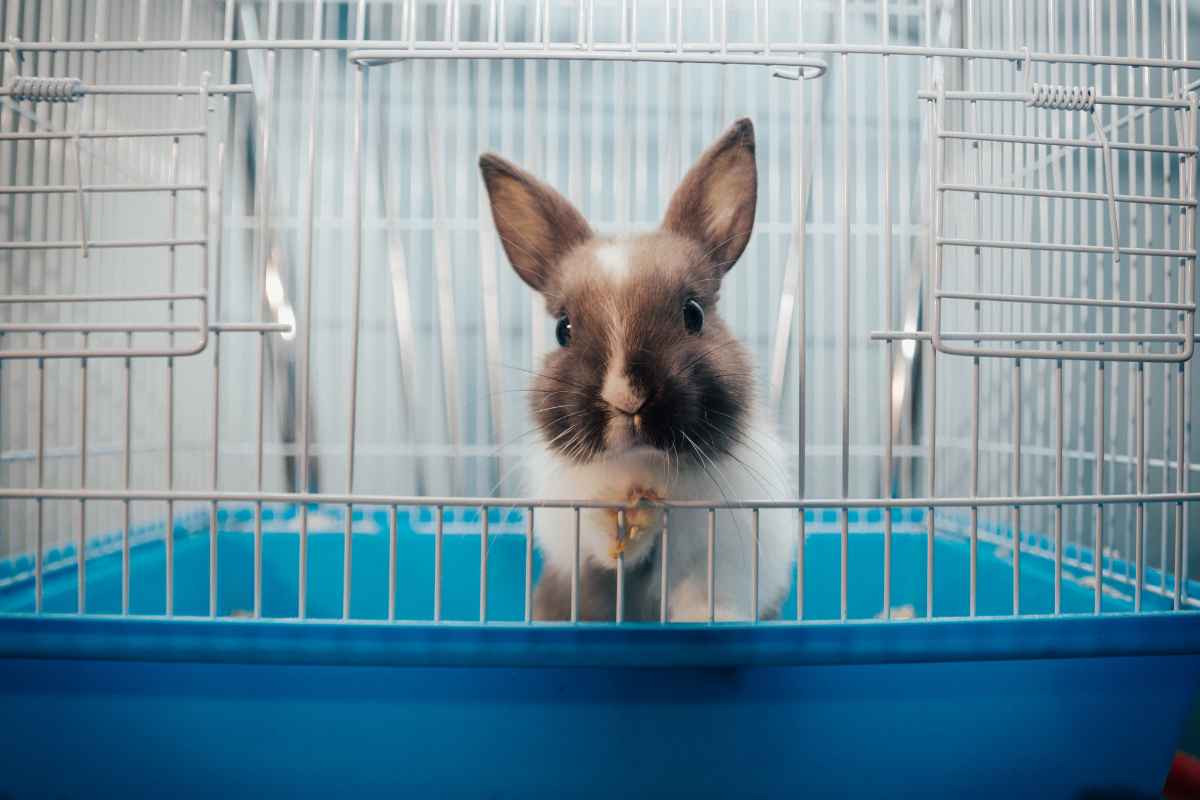
Rabbits are active creatures and need space to move around. A small cage will not provide them with enough space to exercise or explore, leading to stress, frustration, and potentially harmful behavior.
Tip: If possible, provide your rabbit with a room or large playpen where they can freely hop around and interact with their environment.
4. Don’t Allow Your Rabbit to Chew on Electrical Cords
Rabbits have an instinct to chew, which can be destructive. Electrical cords are a significant danger, and your rabbit could be injured or even electrocuted if they chew on them.
Preventative Measures: Rabbit-proof your home by covering cords with protective tubing or hiding them behind furniture.
5. Don’t Handle Your Rabbit Roughly

Rabbits are sensitive creatures, and rough handling can cause stress or injury. Always support their back and hind legs when picking them up and avoid picking them up by their ears or scruff. It's essential to handle them gently and with care.
Proper Handling: Place one hand under their chest and the other supporting their hind legs. Always be calm and gentle to ensure your rabbit feels safe.
Additional Tips for a Happy and Healthy Rabbit
6. Keep Your Rabbit’s Environment Stress-Free
Rabbits are easily stressed, so it’s important to provide them with a peaceful environment. Keep their living space away from loud noises or sudden changes. If you have other pets, ensure that your rabbit has a quiet, secure space where they can feel safe.
Tip: If you have dogs or cats, supervise their interactions with your rabbit to prevent accidents.
7. Provide Proper Grooming
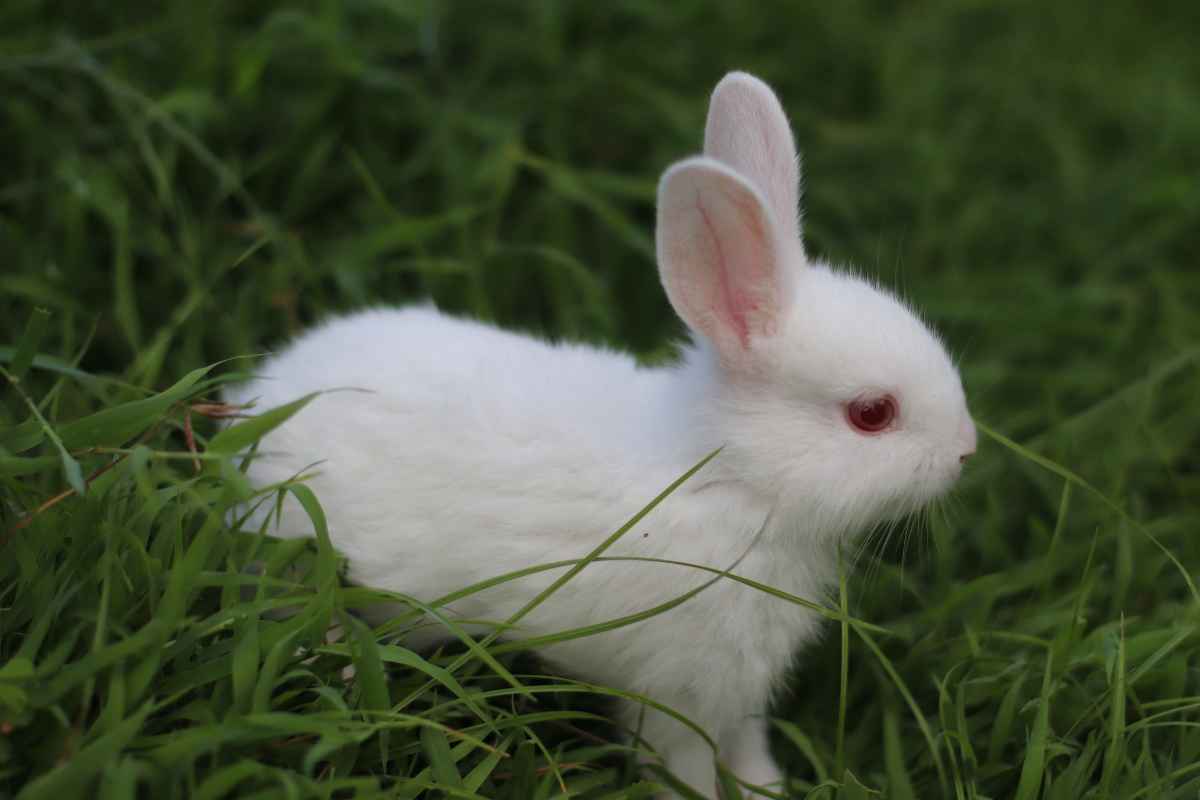
Regular grooming is essential, especially for long-haired breeds. Brush your rabbit’s fur to prevent matting and reduce shedding. If you have a long-haired breed, such as an Angora, grooming should be done several times a week.
Tip: Regular brushing also helps reduce hairballs, which can lead to digestive problems if ingested.
8. Create a Bond with Your Rabbit
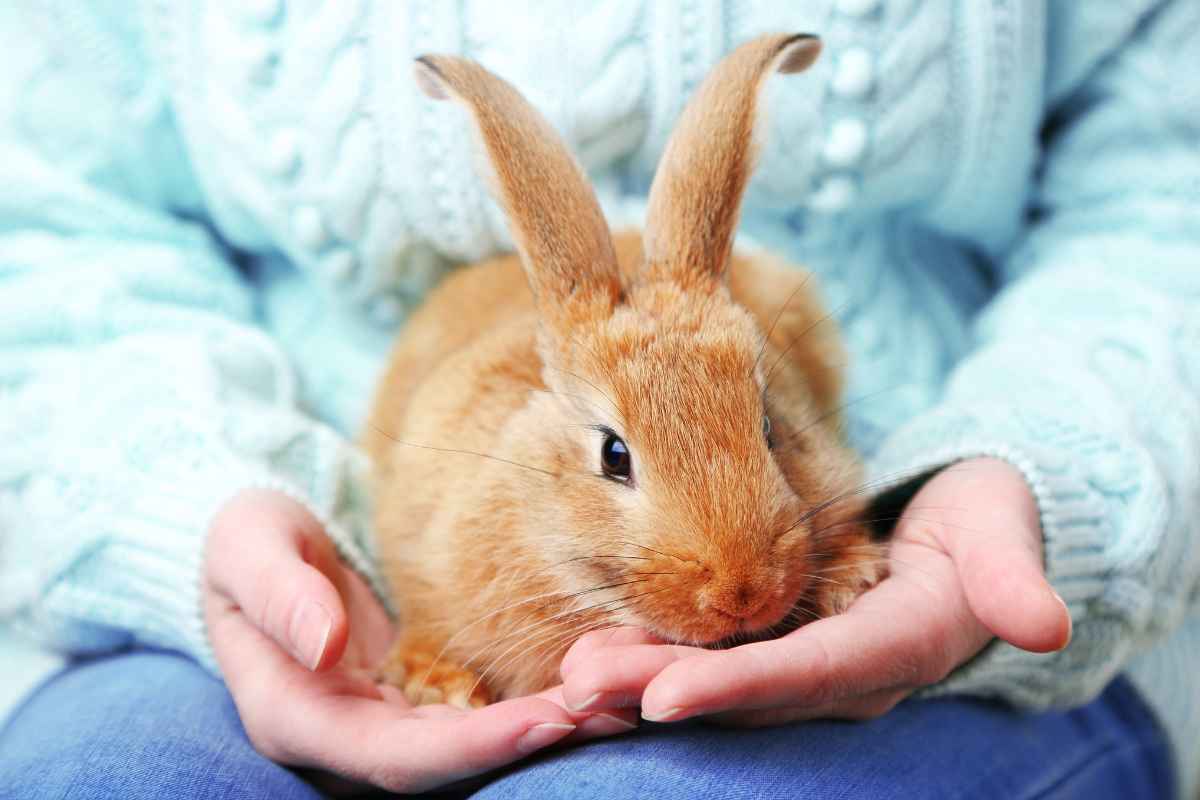
Rabbits are social animals that enjoy interaction. Spend quality time with your rabbit to build trust and create a bond. Bonding with your rabbit can make them feel comfortable and reduce anxiety, especially during handling or vet visits.
Conclusion: A Happy and Healthy Rabbit Is a Well-Cared-For Rabbit
By following these dos and don’ts, you will be able to create a safe, comfortable, and stimulating environment for your pet rabbit. Remember, regular vet visits, proper nutrition, plenty of space, and mental stimulation are essential components of a happy and healthy rabbit.
With the right care and attention, your rabbit can live a long, happy life full of adventures and companionship.
We hope you enjoy this video about Rabbits

Source: Lennon The Bunny
Did you find this post useful or inspiring? Save THIS PIN to your Pets Board on Pinterest! 😊

You may also like