
The History and Characteristics of Draft Horse Breeds


Draft horses, known for their impressive size and strength, have been working alongside humans for centuries.
These majestic animals have played a crucial role in agriculture, transportation, and various industries, from pulling plows in fields to carrying heavy loads across long distances.
Today, they are still valued for their strength, calm demeanor, and historical significance.
In this article, we will explore the history, characteristics, and popular breeds of draft horses.
The History of Draft Horses
Draft horses have been integral to human civilization for thousands of years.
Their role in agriculture and industry dates back to the early stages of human settlement, where they were used primarily for heavy labor tasks that required strength and endurance.
Early Use of Draft Horses
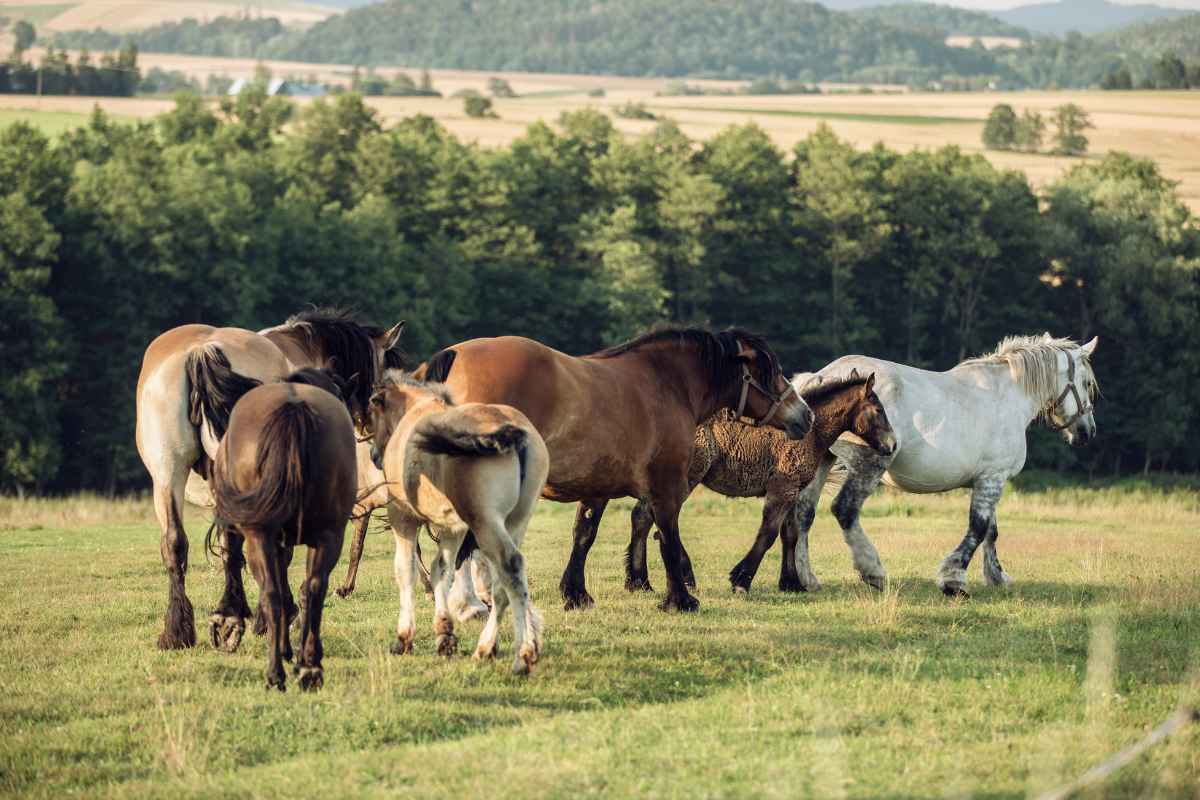
The history of draft horses can be traced back to ancient civilizations, particularly in Europe and Asia.
The first known use of draft horses was in ancient Mesopotamia around 3000 BC, where they were used to pull chariots and carts.
These early horses were likely a mix of wild horses and domesticated animals. The Celtic tribes in Europe were among the first to harness horses for agricultural work, which allowed for more efficient farming practices.
As the centuries passed, the demand for stronger horses grew, especially with the rise of agriculture and trade.
Horses were needed to pull plows, wagons, and even large carts for transporting goods across vast distances. This led to the development of larger, stronger breeds specifically bred for heavy work.
The Rise of Draft Horses in the Middle Ages
During the Middle Ages, draft horses began to play an even more significant role.
Feudal lords and farmers used these strong horses to pull plows, mills, and other farming equipment.
By the 16th century, large draft horses were being used to pull carriages and carts for the wealthy, making them symbols of power and prestige.
In the 18th and 19th centuries, with the advent of the industrial revolution, the need for draft horses in various industries grew.
They were used to pull coal and iron in mines, operate mills, and even assist with transportation of materials for the construction of railroads and cities.
This period marked a significant boom for draft horse breeds, as they became an essential part of economic development and industrial growth.
Decline and Revival

With the development of mechanized farming equipment and the rise of motor vehicles in the 20th century, the demand for draft horses began to decline.
However, they did not disappear entirely.
Today, draft horses are still used in agricultural communities, in parades, festivals, and for leisure activities like carriage rides.
They are also maintained by equestrian enthusiasts and breeders who work to preserve these magnificent animals for future generations.
Characteristics of Draft Horses
Draft horses are easily recognizable due to their imposing size and muscular build.
They were specifically bred for strength, stamina, and calm temperaments, making them excellent workers.
Let’s explore some of the key physical and behavioral traits that define draft horses.
Physical Characteristics
Size and Weight: Draft horses are significantly larger than most other horse breeds. They typically stand between 16 to 18 hands (64 to 72 inches at the withers) and can weigh between 1,400 to 2,000 pounds. Their size allows them to pull heavy loads with ease and stability.
Muscle Structure: These horses have powerful muscles, especially in their shoulders, haunches, and neck, which provide the strength needed for heavy labor. Their sturdy legs are built to support their massive frames and allow them to work for long periods without tiring.
Coat and Mane: Draft horses typically have dense, thick coats to protect them from the elements. Their coats can come in various colors, including bay, black, chestnut, gray, and roan. Their long manes and tails often require grooming and care to prevent tangles and mats.
Hooves: One of the most defining characteristics of draft horses is their large, solid hooves, which allow them to carry heavy loads over various types of terrain. Regular care and trimming are essential to keep their hooves in optimal condition.
Temperament and Behavior
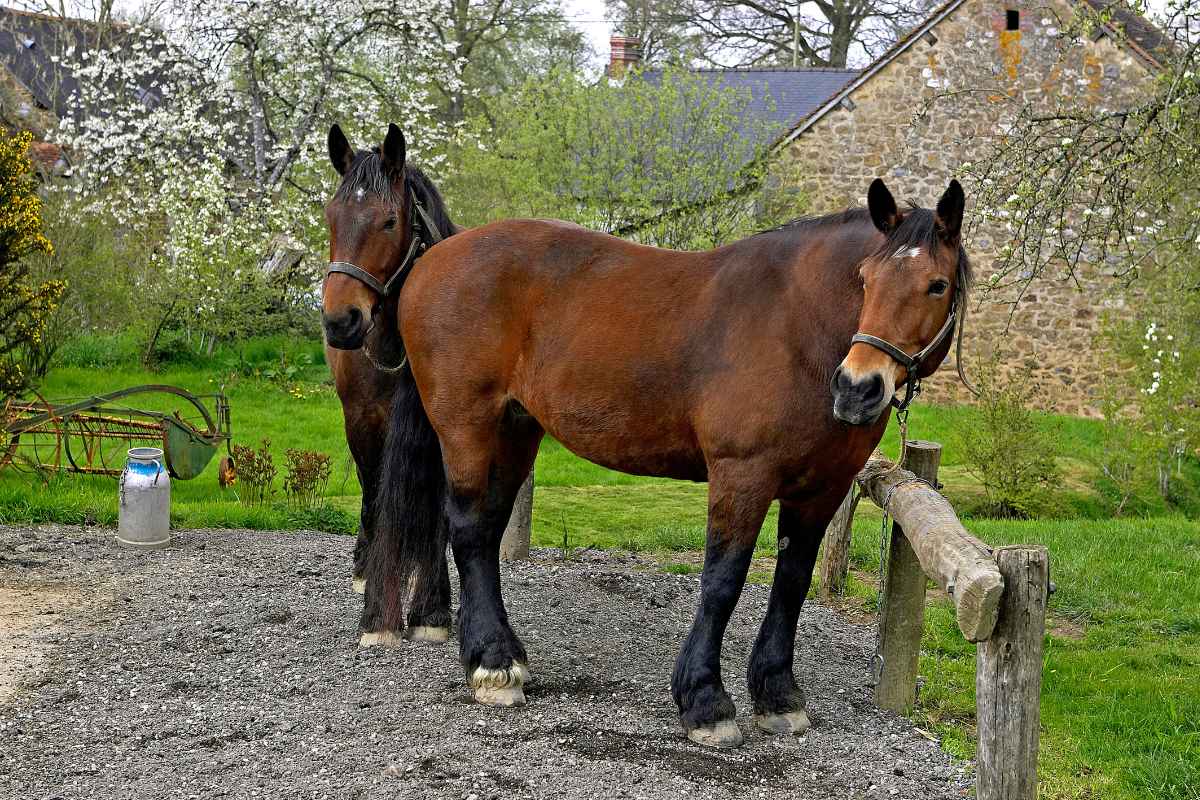
Calm and Patient: Draft horses are generally known for their gentle and patient nature. Their calm demeanor makes them excellent choices for people who are looking for a reliable, steady companion. They tend to be less excitable than lighter breeds, which makes them easier to work with.
Intelligent and Trainable: These horses are highly intelligent and can be trained for a variety of tasks. Draft horses often excel at pulling plows, carts, and other heavy equipment because of their ability to understand commands and work with humans.
Hardworking: Draft horses are often described as industrious animals that are willing to work hard for long hours. They have an innate drive to complete tasks, which makes them incredibly reliable and steadfast.
Popular Draft Horse Breeds

Throughout history, several breeds of draft horses have become particularly well-known for their size, strength, and work ethic. Here are some of the most prominent draft horse breeds:
Clydesdale
Perhaps the most famous of all draft horses, the Clydesdale is known for its impressive size and distinctive markings.
Originating in Scotland, these horses were initially bred for agricultural work and pulling heavy carts in industrial settings.
Today, they are synonymous with the Budweiser beer commercials and are often used for parades, carriage rides, and as show horses.
Size: Clydesdales typically stand between 16 and 18 hands and weigh around 1,800 pounds.
Appearance: They have long, flowing manes and tails, with distinctive white markings on their faces and legs. Their feathered legs—long hair covering the lower part of the legs—are another defining feature.
Percheron

The Percheron is a French breed that is known for its versatility and strong work ethic. These horses are widely used in both agriculture and urban environments, as well as in modern-day competitions and shows.
Size: Percherons are slightly smaller than Clydesdales but still impressive, standing between 16 and 17 hands and weighing between 1,800 and 2,000 pounds.
Temperament: Known for their calm and docile nature, Percherons are easy to work with and are often used for both driving and farm work.
Shire
The Shire horse, originating from England, is one of the largest draft horse breeds. These horses were historically used for farm work, but they are also known for their military and industrial applications.
Size: Shires are among the largest draft horses, standing 17 to 19 hands and weighing between 1,800 and 2,400 pounds.
Appearance: Shires have a majestic appearance with broad chests, muscular hindquarters, and feathered legs. They are often seen in black, bay, and grey colors.
Belgian Draft Horse
Originating in Belgium, the Belgian draft horse is known for its exceptional strength and stocky build. These horses have been widely used in agriculture, particularly for pulling plows and heavy carts.
Size: Belgian draft horses stand between 16.2 and 17.2 hands and weigh around 1,800 to 2,200 pounds.
Temperament: They are known for their calm and kind temperament, making them great for both work and companionship.
The Role of Draft Horses Today

While the industrial age led to a decline in the need for draft horses in many industries, they are still utilized in various areas today.
Many draft horses are used in farming, especially in areas where modern machinery cannot access. They are also used in tourism for carriage rides and parades, especially in cities with historic districts.
Horse-drawn farming: Draft horses are making a comeback in small, sustainable farming operations that prefer low-impact methods.
Therapeutic Riding: Due to their calm nature, draft horses are often used in therapeutic riding programs for children and adults with disabilities.
Show competitions: Draft horses are still seen in draft horse competitions, where they show off their strength and pulling abilities in various events.
Final Thoughts on Draft Horse Breeds
Draft horses, with their incredible strength, gentle temperament, and historical significance, continue to captivate horse enthusiasts and professionals alike.
Whether you’re drawn to their majestic appearance or their hardworking nature, draft horses have earned their place in history and remain invaluable to many communities.
By understanding the history, characteristics, and the major draft horse breeds, we can continue to appreciate and protect these magnificent animals for generations to come.
Did you find this post useful or inspiring? Save THIS PIN to your PETS Board on Pinterest!

You may also like