
The Meaning Behind 14 Strangest Cat Behaviors


Cats are mysterious creatures, often displaying behaviors that leave us scratching our heads in confusion. Whether it’s a strange gesture, quirky habit, or puzzling action, there’s always a reason behind their actions.
Understanding why cats act the way they do can help strengthen the bond between you and your feline companion, and ensure they stay happy and healthy.
In this article, we’ll dive deep into the meaning behind 14 of the strangest cat behaviors. By the end, you’ll have a greater appreciation for your cat's actions and learn how to respond to them in a way that enhances your relationship.
1. The Kneading Behavior
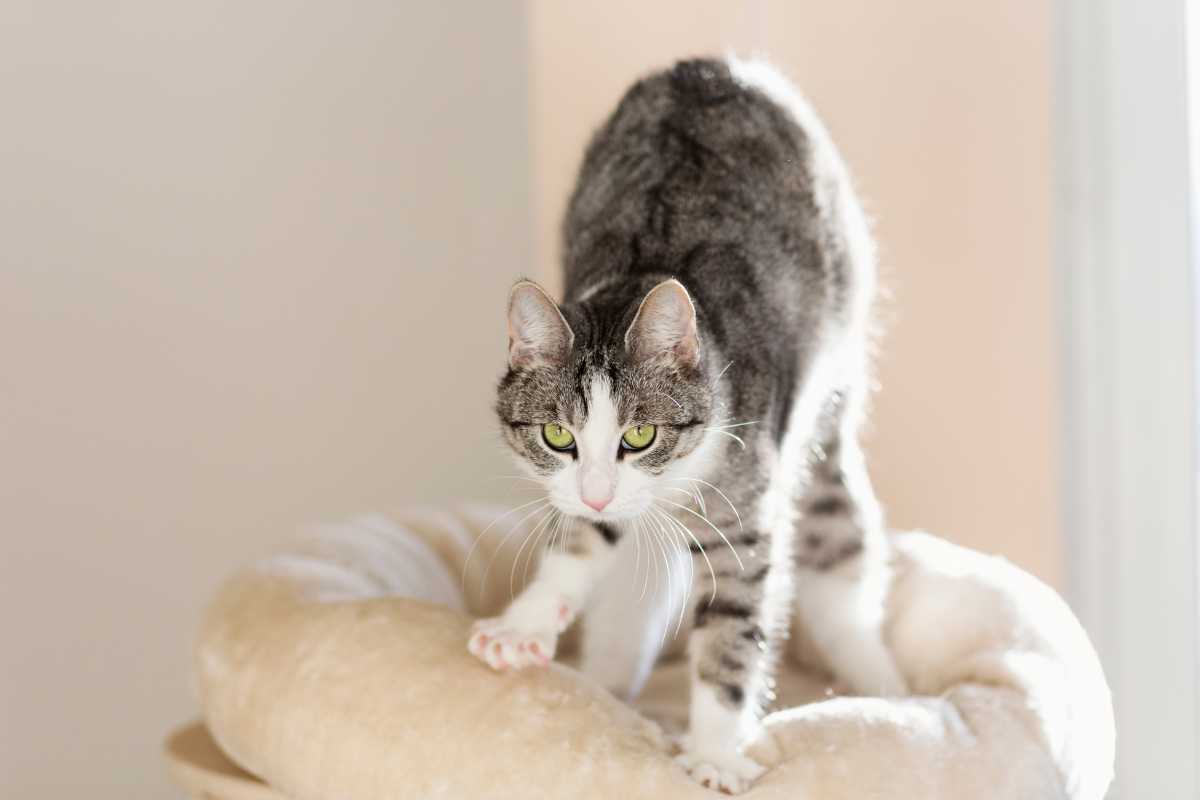
Many cats engage in a behavior known as "kneading," where they rhythmically push their paws in and out against a soft surface, such as a blanket or your lap.
While this may seem odd, it's a deeply ingrained behavior that stems from kittenhood. Kneading is a sign of comfort and affection, as kittens knead their mother’s belly to stimulate milk production.
Adult cats often retain this behavior as a way of showing contentment and feeling secure.
2. Chattering at Birds
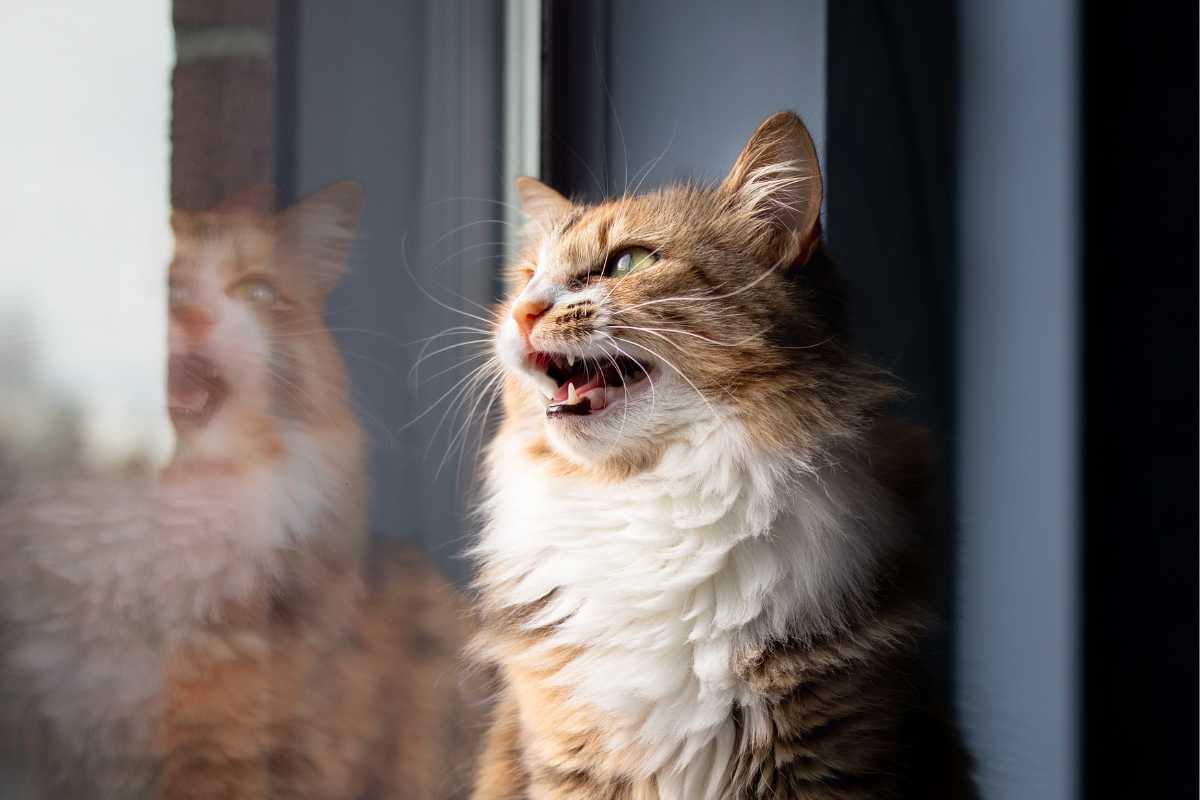
If you've ever seen your cat staring out the window and "chattering" at birds, you’ve witnessed one of their most curious behaviors.
Chattering is often a sign of predatory instinct, and cats may do this when they see prey outside but can’t reach it.
It’s their way of expressing frustration or excitement. This behavior can also indicate that they’re visualizing how they would capture the prey.
3. Bringing You "Gifts"
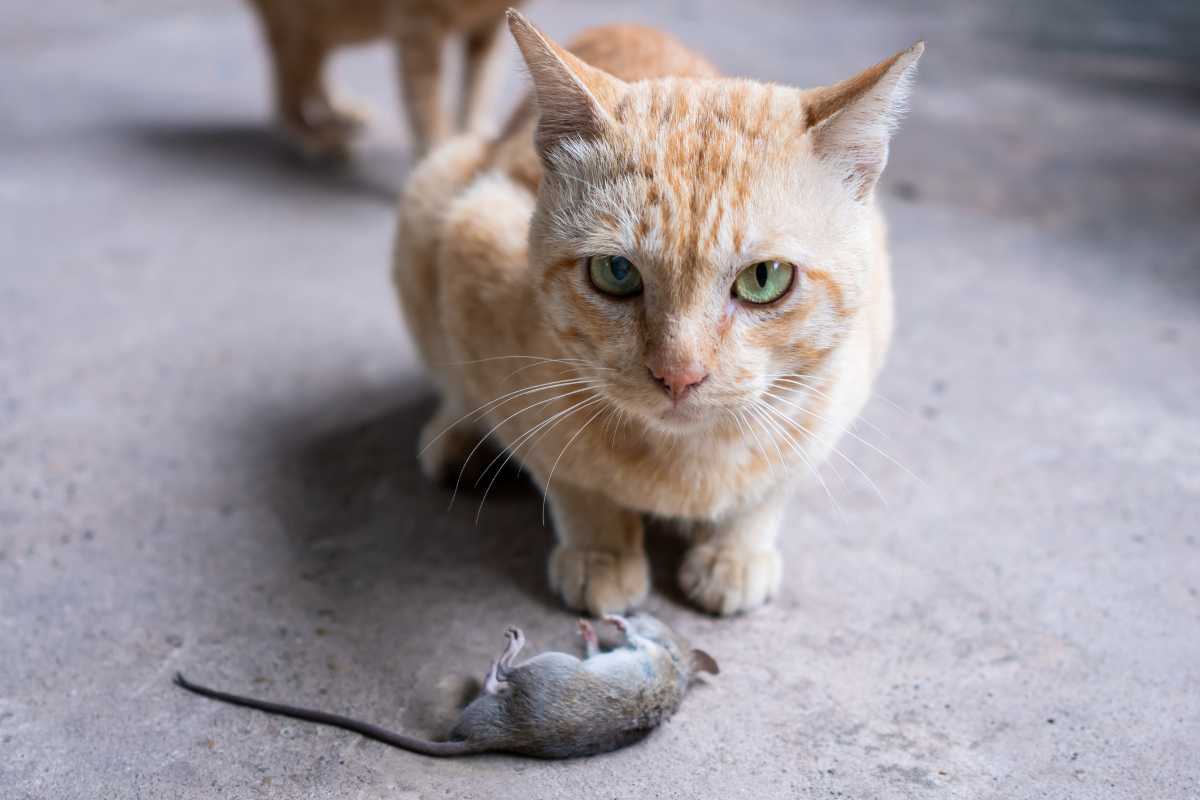
A common behavior that may leave you perplexed is when your cat brings you a "gift," such as a dead mouse or bird.
While this might seem strange or even unsettling, it’s an instinctual act of sharing their hunt with their family.
In the wild, a mother cat will teach her kittens to hunt, and domestic cats might see you as part of their family, sharing their successes with you.
4. Purring While Sitting on Your Lap
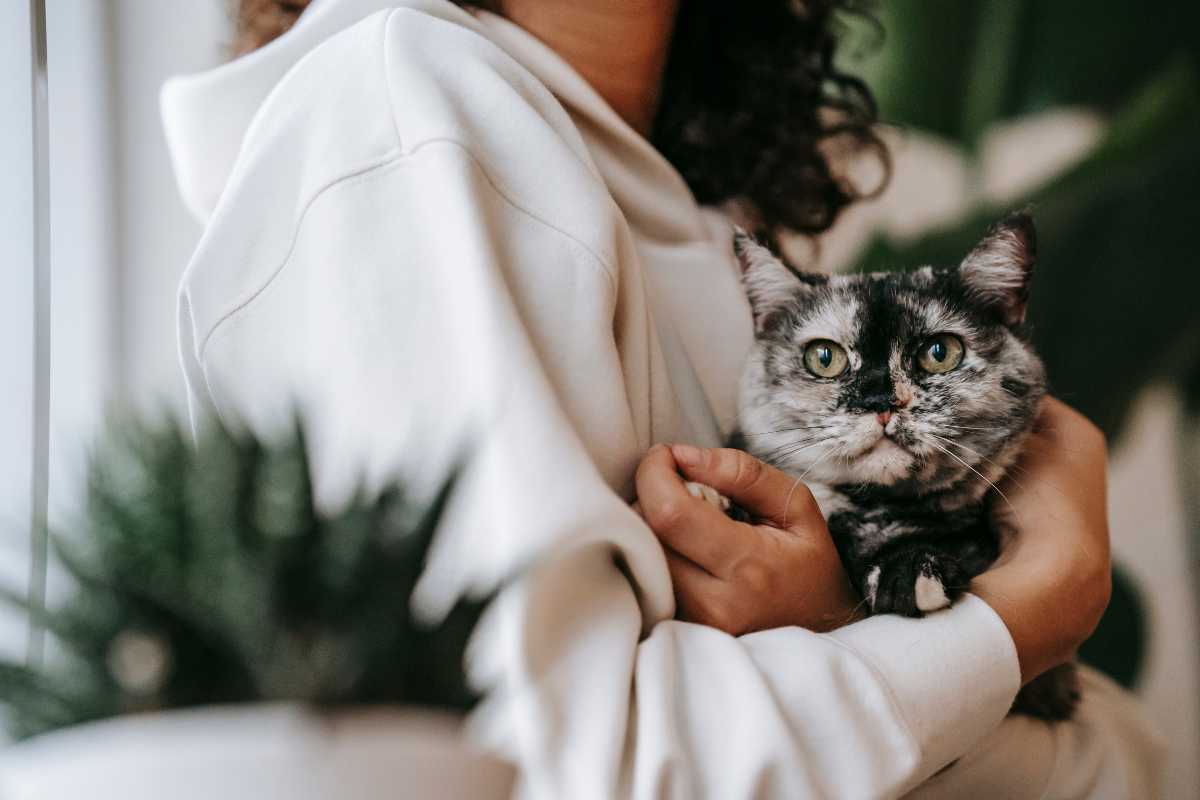
Purring is one of the most common and recognizable behaviors in cats. While purring often signals contentment, it can also occur when a cat is in pain or stressed.
If your cat purrs while sitting comfortably in your lap, it's most likely a sign of affection and relaxation, but if it happens in other situations, it's a good idea to check if they're feeling unwell.
5. Head-Butting (Bunting)
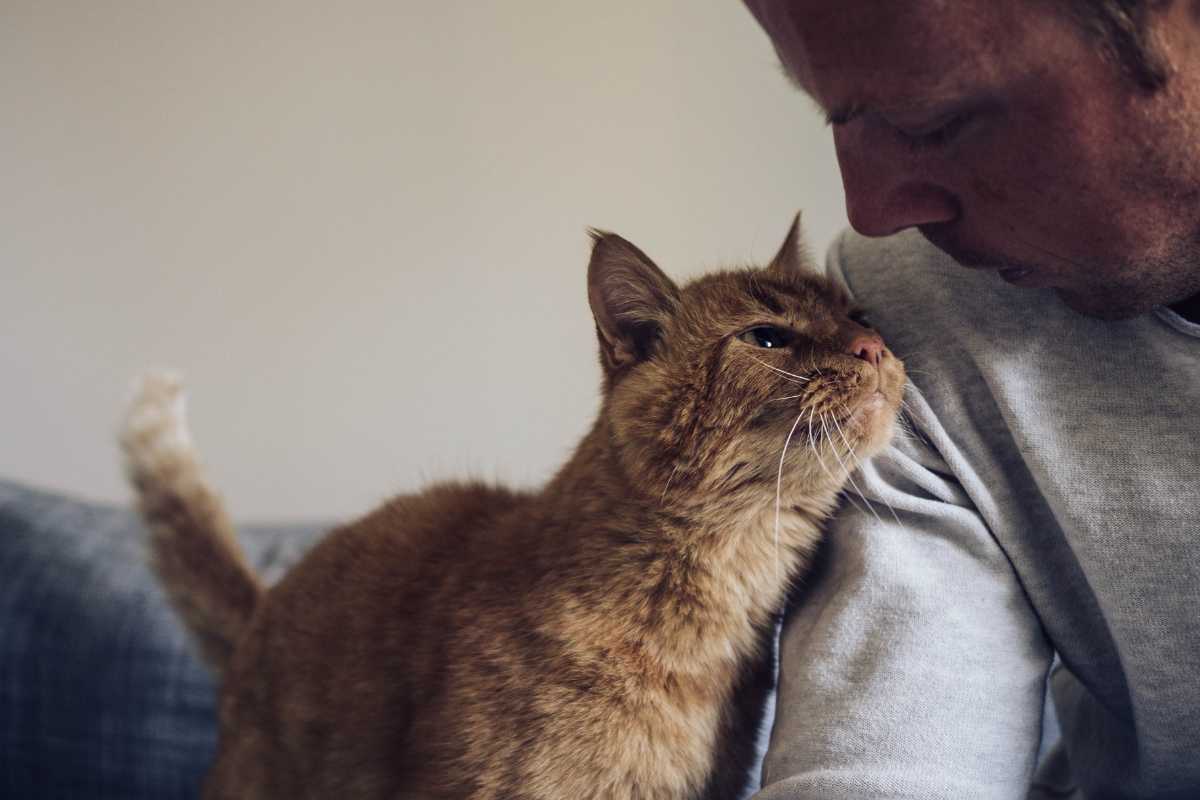
When your cat presses its head against you or an object, it’s known as “bunting.” This behavior is a way for your cat to mark you with scent glands located on their face.
It's a sign of affection and a way to establish their territory. When your cat bunts you, it’s essentially telling you that you're a trusted part of their social group.
6. Hiding or Seeking Solitude
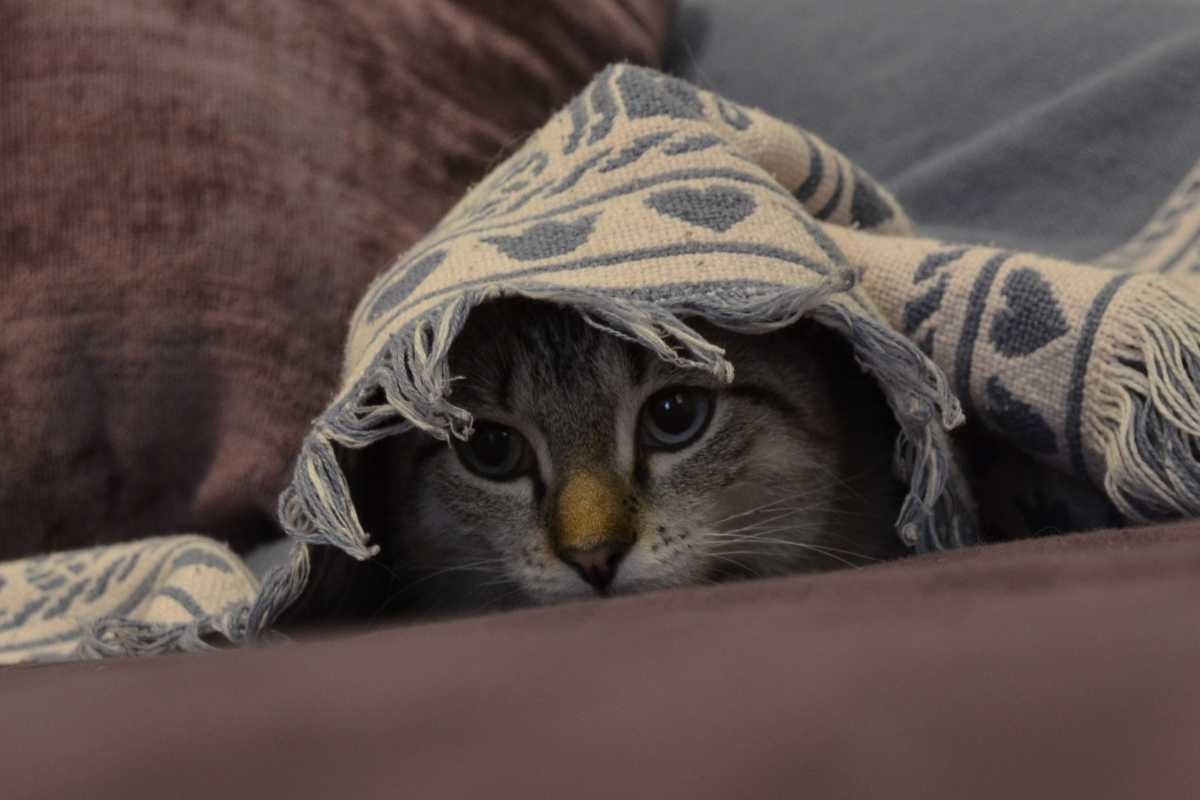
Cats are known for their love of quiet, secluded spaces. When your cat hides, especially when it's not feeling well, it may be seeking peace and comfort away from the hustle and bustle.
Cats are very independent creatures, and they may need time alone to recharge. However, if this behavior is new or occurs with signs of illness, it may be worth monitoring for other symptoms.
7. Chasing Shadows or Lights
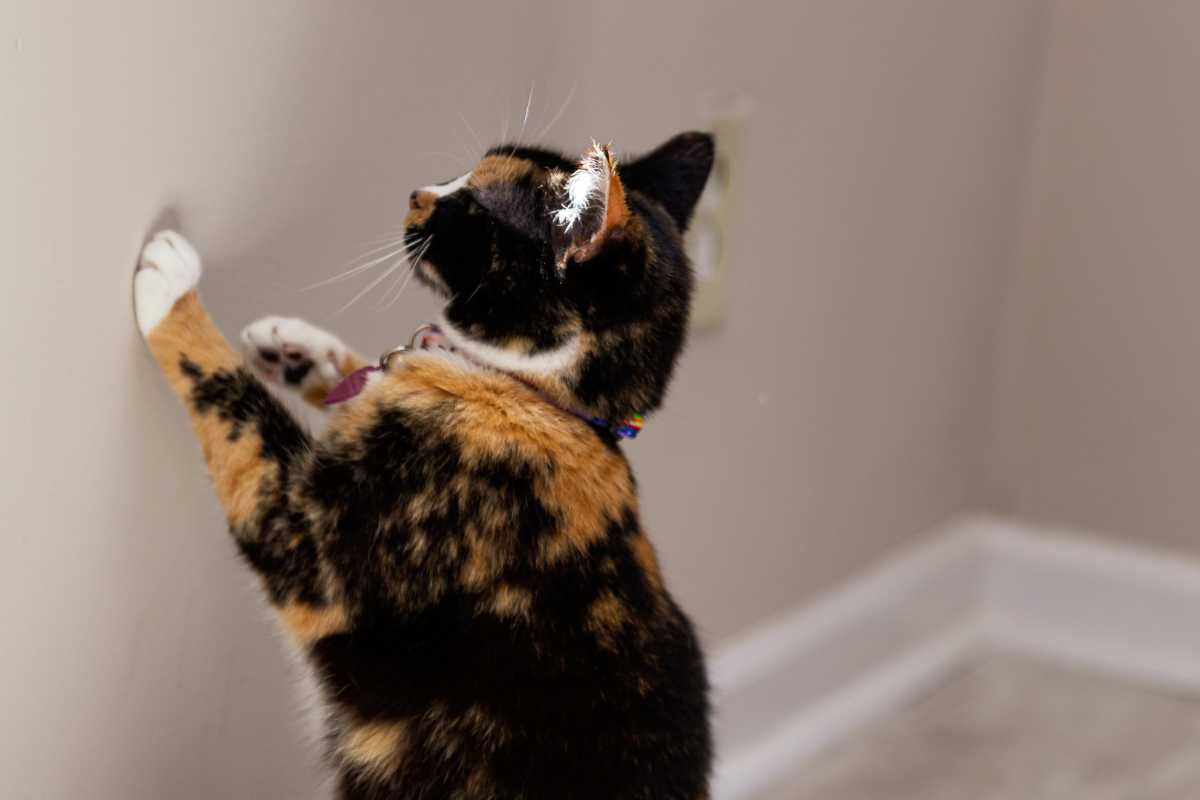
Many cats will engage in play that involves chasing shadows or lights. This behavior is rooted in their natural hunting instincts, as cats love to stalk and pounce on things.
While it may look like simple entertainment, it’s a way for your cat to practice its predatory skills. If your cat seems obsessed with shadows or lights, it’s likely just a fun way for them to expend energy.
8. Scratching Furniture
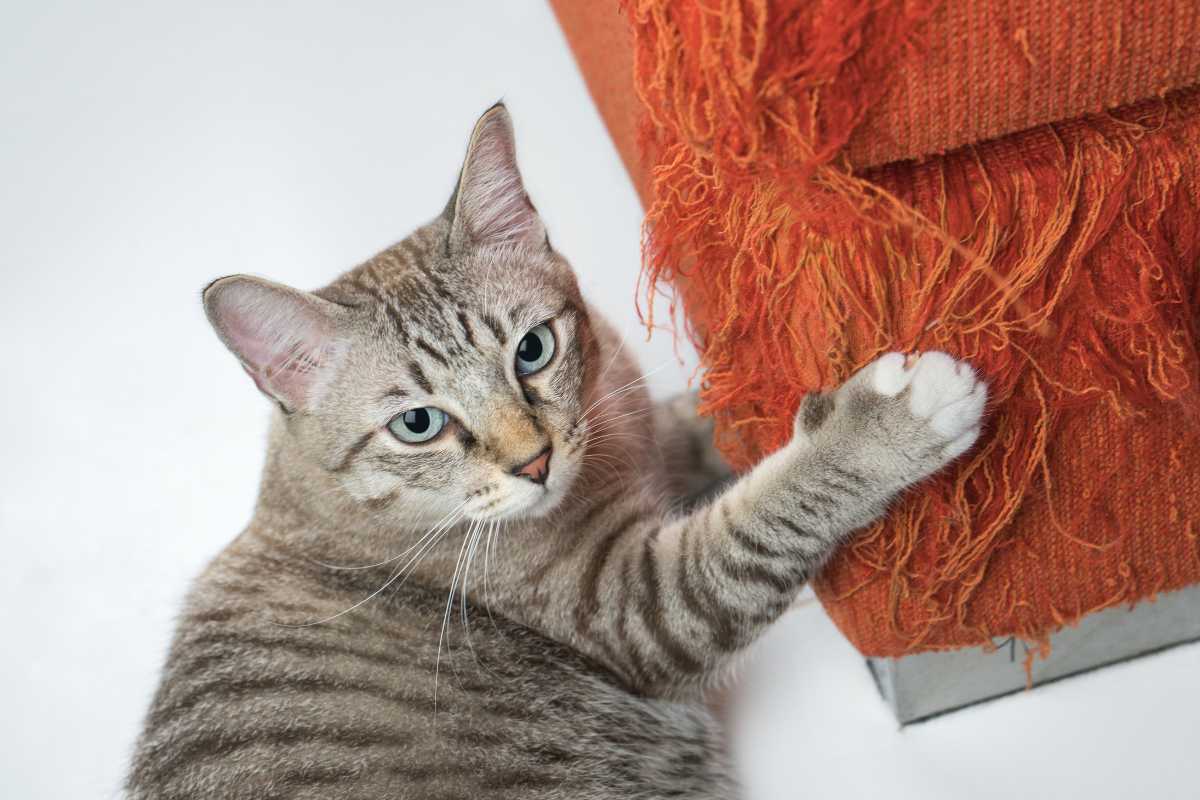
Scratching is a natural and healthy behavior for cats. It helps them mark their territory, stretch their muscles, and maintain their claws.
While it can be frustrating when your cat scratches your furniture, providing appropriate scratching posts can redirect this behavior.
It's important to understand that scratching isn’t a sign of bad behavior—it’s an essential part of your cat’s well-being.
9. Licking You
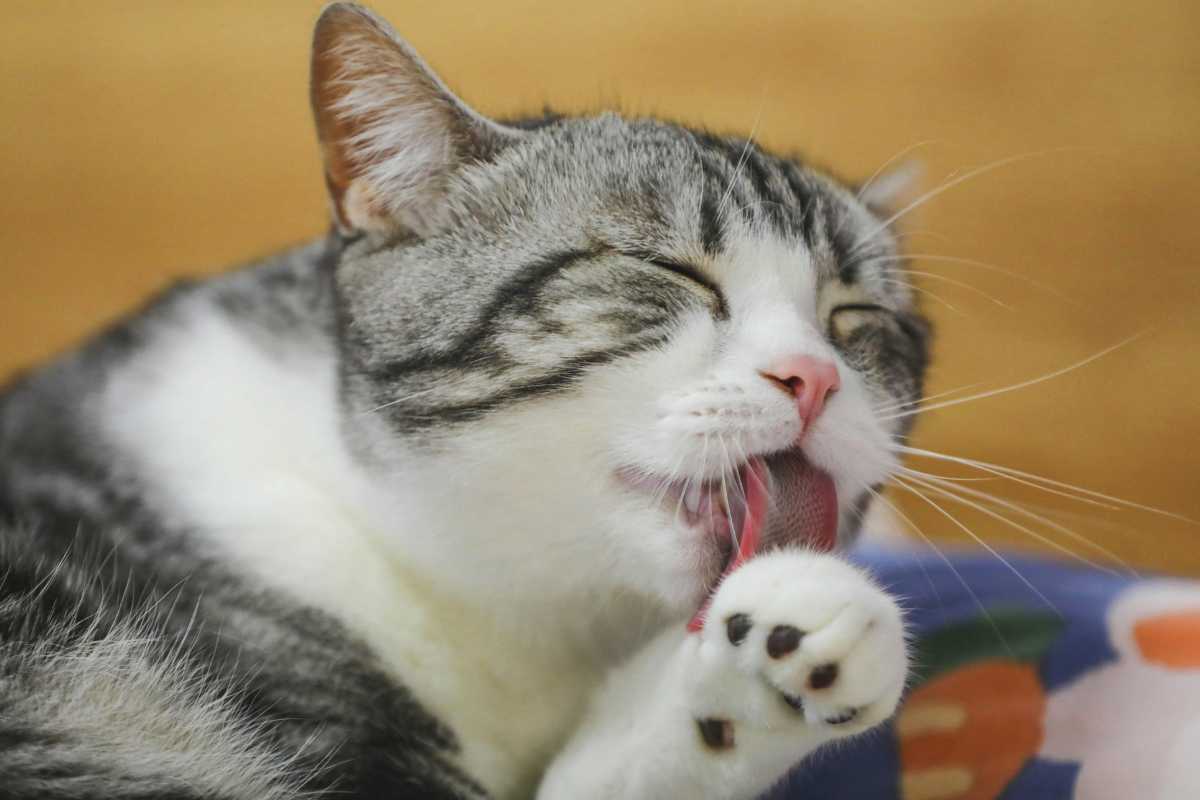
When your cat licks you, it’s often seen as a form of grooming or bonding. Cats lick their fur to keep it clean, and when they lick you, they’re extending that same grooming behavior.
This is a sign of affection and trust. They may also lick to comfort you if they sense you’re upset or anxious.
10. Following You Around the House
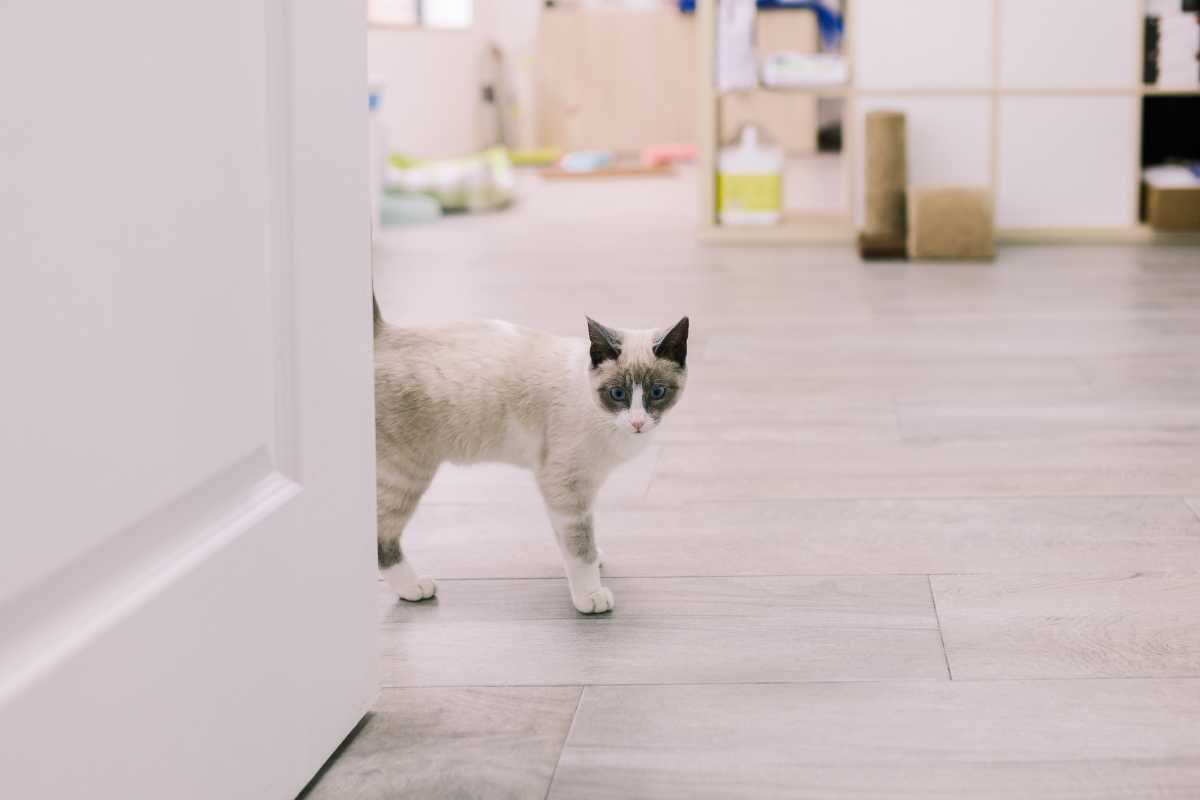
If your cat follows you from room to room, it’s often a sign that they enjoy your company and want to be near you.
Cats are known for being independent, so when they actively seek your presence, it’s a clear indication of their affection. They might simply enjoy observing your activities or feel more secure with you nearby.
11. The “Zoomies”
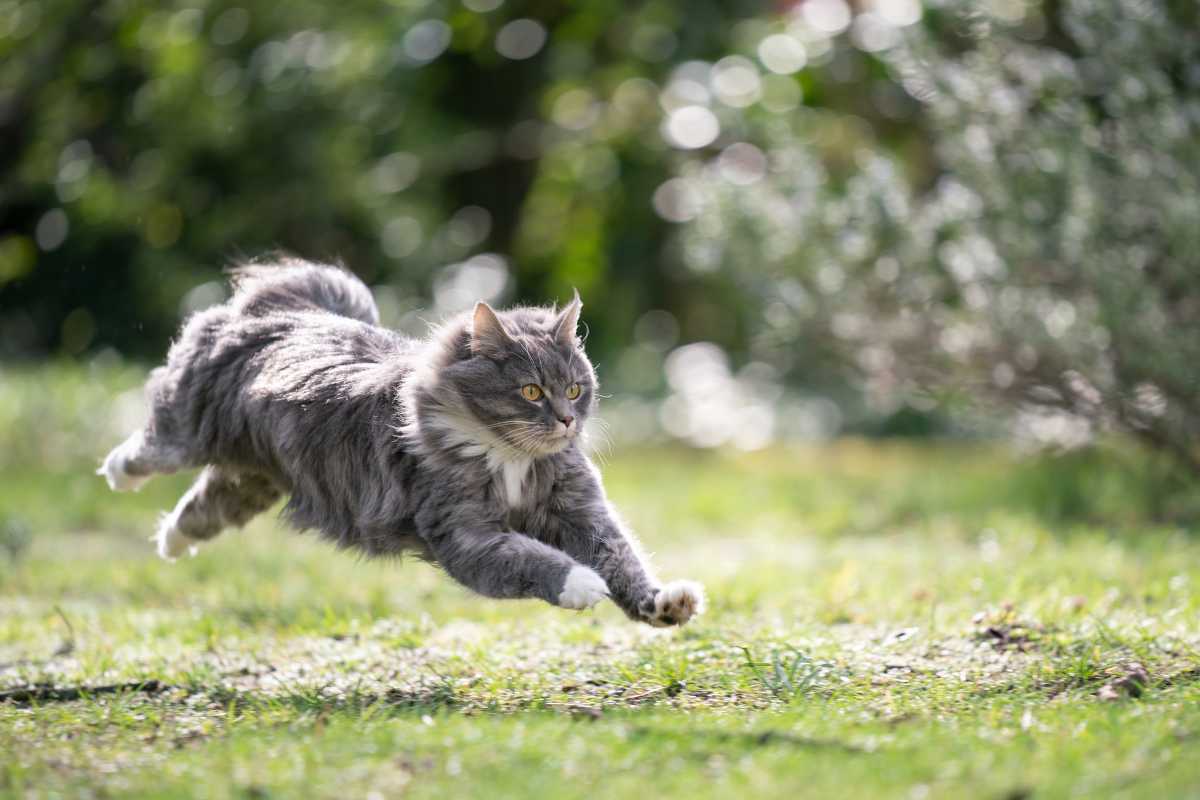
The “zoomies” refer to a cat suddenly running around the house at top speed for no apparent reason. This behavior can be triggered by a variety of factors, including excitement or pent-up energy.
Zoomies are a normal part of a cat’s play behavior, especially in younger cats. It’s a way for them to burn off energy, so be prepared for a burst of activity followed by a calm period.
12. Sleep Position Reveals Personality
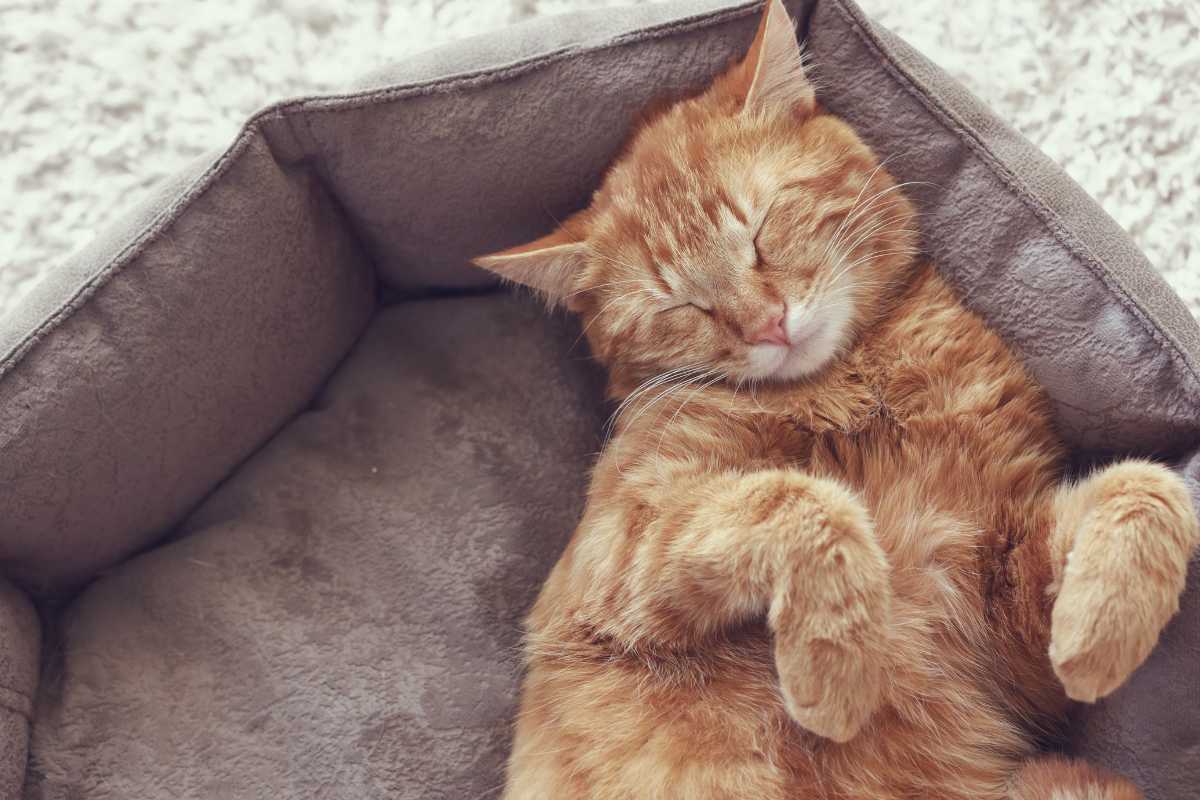
The way your cat sleeps can reveal a lot about their personality and comfort level. Cats that sleep on their backs, with their paws in the air, are showing that they feel safe and relaxed.
Cats that sleep curled up in a ball may be feeling more cautious or less secure. Paying attention to these sleeping positions can give you insight into how your cat is feeling at any given time.
13. Twitching Tail
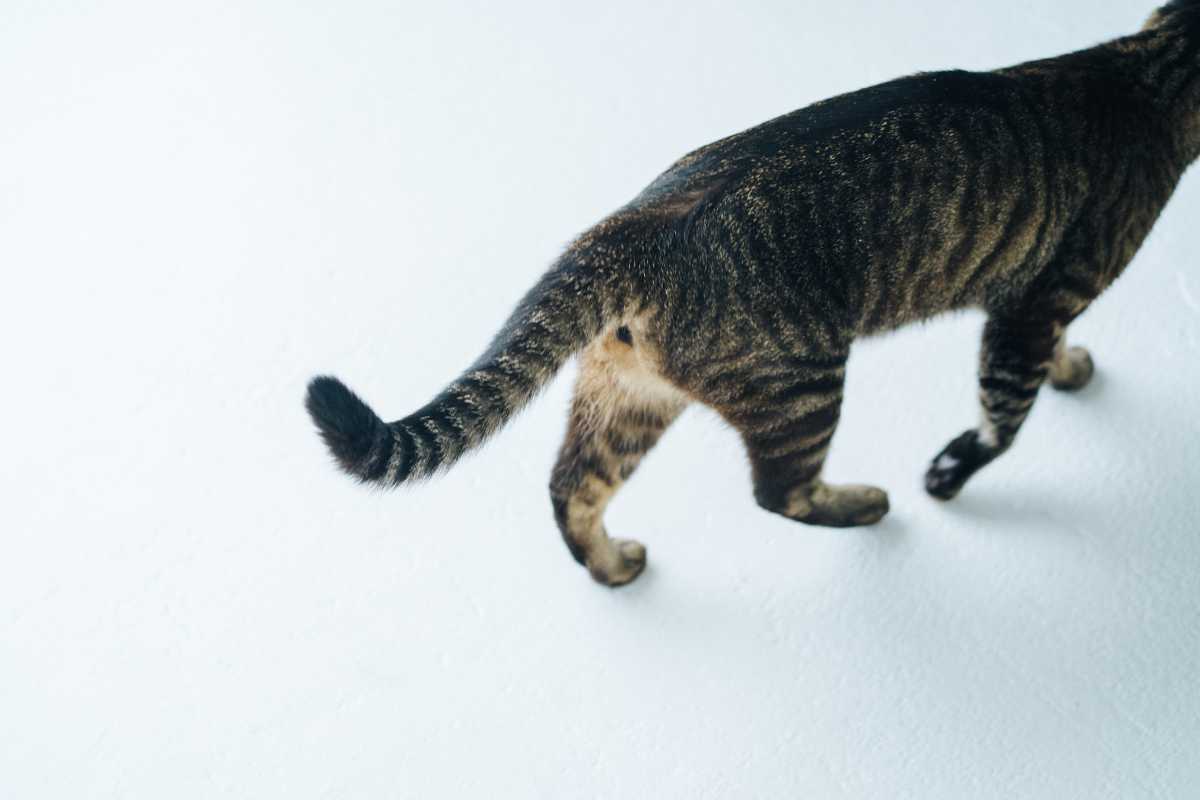
A twitching tail can be a sign of a variety of emotions, from excitement to frustration. If your cat’s tail is twitching rapidly, they might be experiencing heightened interest or agitation.
It could happen during playtime, when they see prey, or when they’re feeling particularly overstimulated. Understanding your cat’s body language, including tail movements, will help you better interpret their emotional state.
14. Coughing or Sneezing

While occasional coughing or sneezing is normal for cats, persistent coughing or sneezing could be a sign of a respiratory infection or allergy.
If your cat is coughing frequently or seems to be struggling to breathe, it’s important to consult with a vet. Cats often hide their discomfort, so paying attention to these symptoms can help you catch potential issues early.
Conclusion: Understanding Your Cat’s Behavior

Cats are incredibly complex animals, and their behaviors can sometimes seem mysterious. However, by paying attention to their actions and understanding the reasons behind them, you can form a deeper bond with your feline companion.
Whether they’re purring in your lap, bringing you a "gift," or chasing a shadow, each behavior is a piece of the puzzle that makes your cat unique.
By observing these behaviors and responding appropriately, you’ll create a more harmonious relationship with your cat and ensure they live a happy and healthy life.
Always remember that understanding your cat’s needs and providing a safe and comfortable environment is key to a thriving feline friend.
Enjoy The Video About Cats
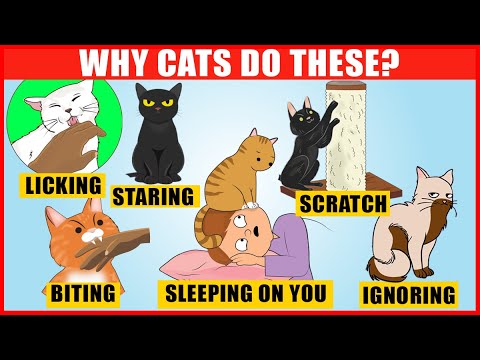
Source: Jaw-Dropping Facts
Did you find this post useful or inspiring? Save THIS PIN to your Pets Board on Pinterest!

You may also like