
The Most Popular PET BIRD Breeds


Choosing a pet bird is exciting—but the right match depends on your time, space, noise tolerance, and experience.
Below you’ll find a practical, side-by-side look at the most popular pet birds, from beginner-friendly budgies to advanced parrots that require seasoned owners.
Please note: In many countries, it’s illegal to keep wild-caught native birds; in the U.S., most native species are protected under federal and state law.
Always verify local regulations (for example, monk parakeets are restricted in some states, including California).
How to Choose Your First (or Next) Pet Bird

Space & time. Birds need daily interaction and out-of-cage time. A larger cage is always better, but enrichment matters just as much—rotate toys, offer foraging, and set a simple training routine.
Noise & dust. Every bird vocalizes. Conures and Amazons can be loud; finches and canaries are gentler. Some species (cockatiels, cockatoos, African greys) produce powdery dander—consider allergies, air purifiers, and cleaning habits.
Lifespan & budget. Many parrots live decades. Be realistic about long-term vet care, quality pellets, fresh produce, and periodic cage/toy upgrades.
Talkability vs. temperament. A great talker isn’t automatically a great fit. Prioritize compatibility with your lifestyle over the novelty of speech.
Single or pair? Some species do well solo with daily attention; others thrive with a companion. If you keep a pair, expect more flock behavior and potentially less focus on you.
Species Profiles
Budgerigar / Budgie (Melopsittacus undulatus)

Small, social, and playful, budgies are classic beginner birds. They bond readily, enjoy gentle training, and can learn simple phrases when worked with consistently.
Ideal for apartments that can tolerate light chatter.
Quick facts:
• Size: ~7 in (18 cm) • Lifespan: 8–15 yrs • Noise: low–moderate • Dander: light
• Talkability: basic–moderate • Experience: beginner-friendly • Min. cage: 30" wide flight style
Care tip: Focus on the flight room and foraging. A flight cage or safe indoor flight time reduces boredom and improves fitness.
Cockatiel (Nymphicus hollandicus)
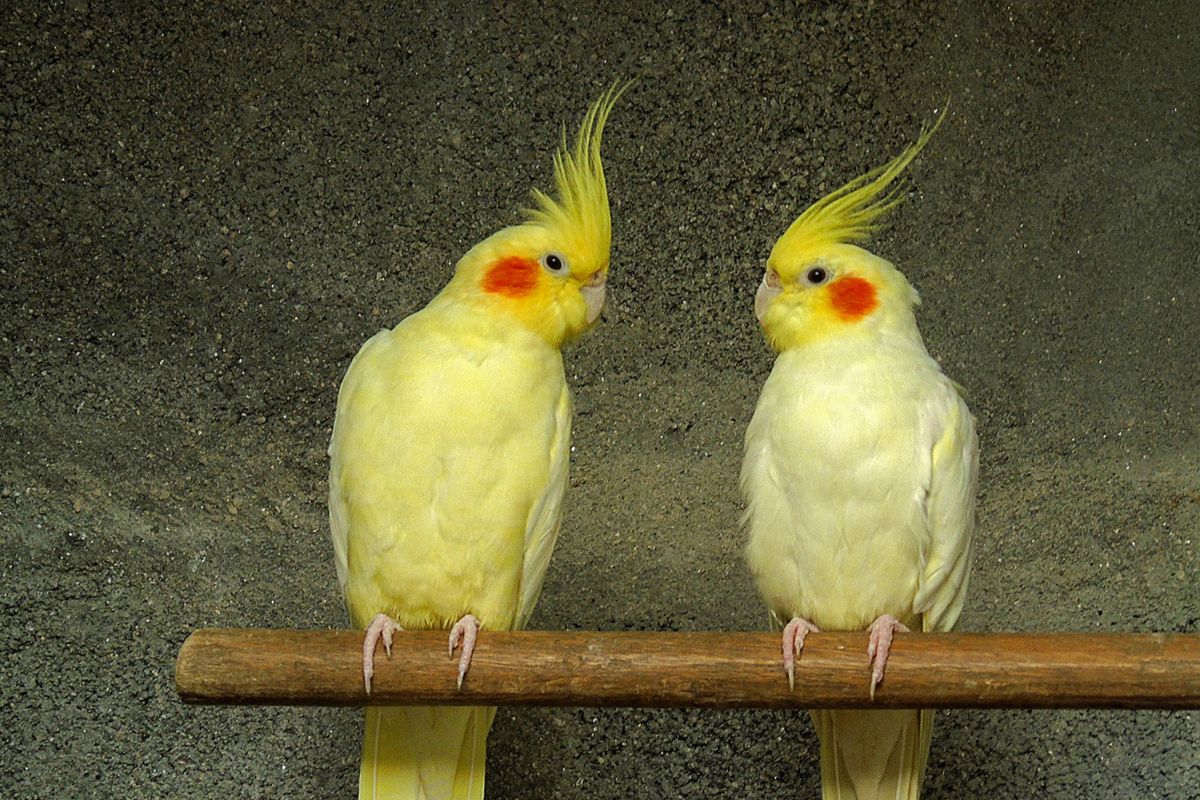
Affectionate and expressive with those iconic crests. Cockatiels whistle more than they speak; males often pick up tunes.
They’re powder-down birds, so plan for extra dust control.
Quick facts:
• Size: ~12 in (30 cm) • Lifespan: 15–25 yrs • Noise: moderate whistles • Dander: powder-down
• Talkability: low–basic • Experience: beginner–intermediate • Min. cage: 32–36" wide
Care tip: Offer frequent shoulder time and varied perches. Many cockatiels enjoy gentle head scritches once bonded.
Lovebird (Rosy-faced; Agapornis roseicollis)

Compact and bold, lovebirds are energetic nibblers with big personalities.
Hand-raised individuals can be cuddly; pairs are entertaining to watch but may be more independent.
Quick facts:
• Size: ~6 in (15 cm) • Lifespan: 12–18 yrs • Noise: sharp chirps • Dander: light
• Talkability: low • Experience: intermediate • Min. cage: 30" wide, bar spacing ≤ 1/2"
Care tip: Provide chewable woods, palm leaves, and safe shreddables to channel that busy beak.
Parrotlet (Forpus spp.)

“Small bird, big parrot attitude.” Parrotlets are intelligent, confident, and trainable.
They need daily interaction to avoid becoming nippy, but they’re wonderfully engaging in the right home.
Quick facts:
• Size: 4–5 in (10–13 cm) • Lifespan: 12–20 yrs • Noise: low • Dander: light
• Talkability: basic words possible • Experience: intermediate • Min. cage: spacious flight style for size
Care tip: Short, upbeat training sessions build trust. Keep enrichment fresh to prevent possessiveness.
Finches (e.g., Zebra, Society)

Gentle, social, and best enjoyed as watch-and-listen companions rather than hands-on pets.
Their soft chorus suits small spaces and quieter households.
Quick facts:
• Size: 4–5 in (10–13 cm) • Lifespan: 5–9 yrs • Noise: soft chirping • Dander: light
• Talkability: none • Experience: beginner • Min. cage: wide flight cage; keep in groups/pairs
Care tip: Horizontal space matters more than height. Add natural branches and seeding grasses for foraging.
Canary (Serinus canaria domestica)

Beloved for melodious song (primarily males). Canaries are more independent, preferring minimal handling but excellent husbandry.
Quick facts:
• Size: ~5 in (13 cm) • Lifespan: 8–12 yrs • Noise: musical but not harsh • Dander: light
• Talkability: none • Experience: beginner • Min. cage: roomy single flight cage
Care tip: Stable light cycles support health and song. Avoid drafts and sudden environmental changes.
Green-cheeked Conure (Pyrrhura molinae)

Curious, clownish, and less ear-splitting than many Aratinga conures (though still not “quiet”).
Great match for families willing to train and provide daily engagement.
Quick facts:
• Size: 10–11 in (25–28 cm) • Lifespan: 15–25 yrs • Noise: moderate bursts • Dander: light
• Talkability: limited words • Experience: intermediate • Min. cage: 32–36" wide
Care tip: Teach a reliable step-up and “station” behavior. Foraging trays tame mischief and reduce screaming for attention.
Senegal Parrot (Poicephalus senegalus)

Steady, observant parrots with a calm presence and manageable size. Typically quieter than similarly sized species, making them attractive to close neighbors.
Quick facts:
• Size: ~9 in (23 cm) • Lifespan: 20–30 yrs • Noise: low–moderate • Dander: light
• Talkability: basic–moderate • Experience: intermediate • Min. cage: 32" wide with sturdy toys
Care tip: Rotating wood blocks and puzzle feeders prevents perch-potato habits.
Blue-headed Pionus (Pionus menstruus)

Easygoing, thoughtful parrots known for a gentle demeanor. Not famed talkers but prized for companionship and relatively moderate noise.
Quick facts:
• Size: 11–12 in (28–30 cm) • Lifespan: 25–35 yrs • Noise: moderate • Dander: light–moderate
• Talkability: limited • Experience: intermediate • Min. cage: 36"+ wide
Care tip: Prioritize a balanced diet and moderate exercise; Pionus can be prone to inactivity if understimulated.
Orange-winged Amazon (Amazona amazonica) — Advanced

Amazons are charismatic, intelligent, and vocal. They can be affectionate but require confident handling, consistent boundaries, and tolerance for volume.
Quick facts:
• Size: 13–14 in (33–36 cm) • Lifespan: 40–60+ yrs • Noise: high • Dander: moderate
• Talkability: moderate • Experience: advanced • Min. cage: 40–48" wide
Care tip: Daily training is non-negotiable. Teach “inside voice” cues and provide robust chew toys.
African Grey Parrot (Psittacus erithacus / P. timneh) — Advanced

Famous for cognition and speech, greys are sensitive, routine-oriented parrots that need serious mental stimulation.
They’re powder-down birds and can be prone to stress if understimulated.
Quick facts:
• Size: 12–14 in (30–36 cm) • Lifespan: 40–60+ yrs • Noise: moderate but persistent • Dander: powder-down
• Talkability: excellent • Experience: advanced • Min. cage: 40–48" wide with foraging setup
Care tip: Foraging trees, target training, and daily problem-solving tasks help prevent anxiety and feather issues.
Cockatoos (Cacatua spp.) — Advanced

Deeply social, tactile parrots with big emotions and bigger voices. Incredible companions for experienced keepers with ample time; overwhelming for casual homes.
Quick facts:
• Size: 12–24 in (30–61 cm) • Lifespan: 50–70+ yrs • Noise: very loud • Dander: powder-down
• Talkability: variable • Experience: advanced only • Min. cage: 48"+ wide plus play gym
Care tip: Plan for hours of interaction and robust enrichment. Without it, screaming and destructive behavior escalate quickly.
FAQs
Which bird is best for beginners?
Budgies and cockatiels top the list for many new keepers thanks to their size, manageable noise, and trainability.
Finches and canaries are great if you prefer a hands-off, low-handling companion.
Which pet birds are “quietest”?
No bird is silent, but finches, canaries, budgies, and many Poicephalus (like Senegals) are gentler on neighbors.
Conures, Amazons, and cockatoos can be loud.
Do I need two birds?
It depends on the species and your routine. A single bird can thrive with daily, high-quality interaction; social species often enjoy a compatible companion.
If keeping a pair, provide a larger cage and multiple stations.
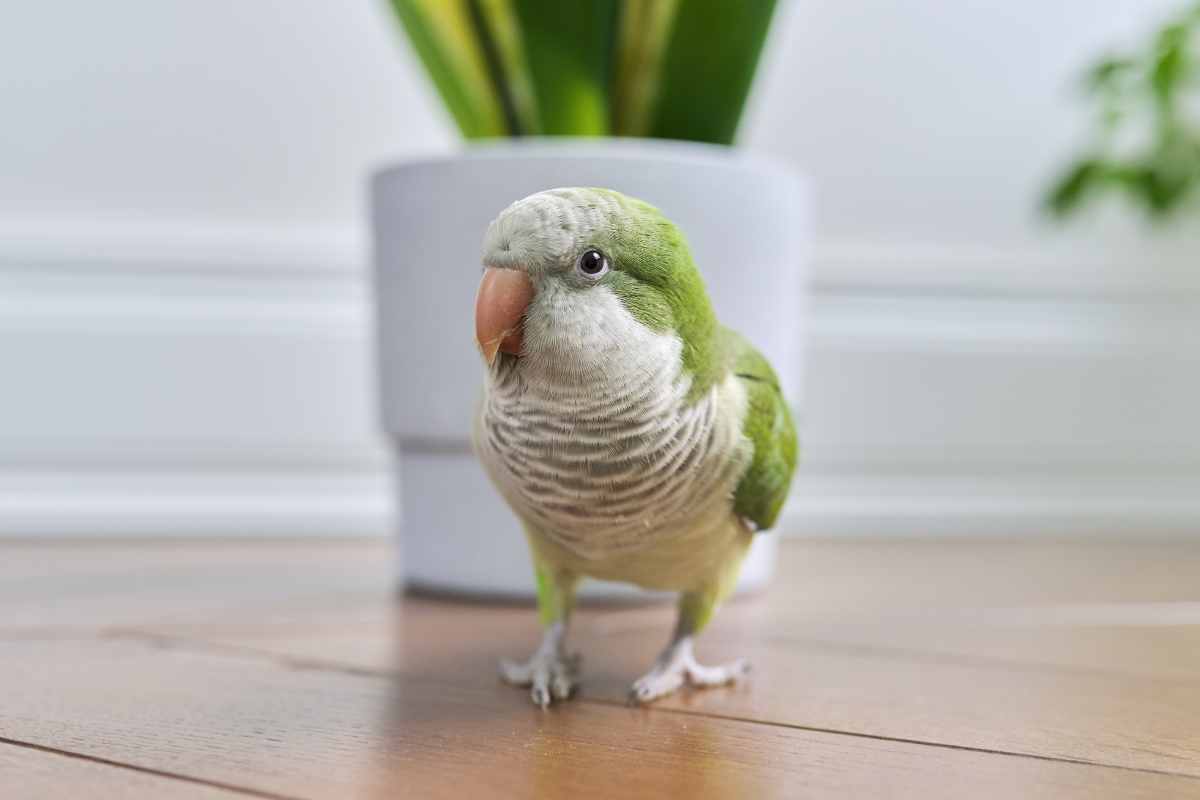
Are monk parakeets (Quakers) legal?
Laws vary by region. Some places restrict or prohibit them due to agricultural concerns. Always confirm regulations before you adopt or purchase.
Care Essentials at a Glance
Diet: High-quality pellets as a base, fresh vegetables/greens daily, measured seeds/nuts as treats.
Enrichment: Rotate toys weekly; include shreddables and foraging. Teach simple behaviors (step-up, station).
Health: Annual wellness exams with an avian-experienced veterinarian; weigh weekly to catch changes early.
Environment: Largest cage you can accommodate, horizontal bar spacing appropriate to species, stable light cycles, and safe out-of-cage time.
Ethical & Legal Notes
Choose captive-bred birds from reputable sources or adopt from rescues when possible.
Avoid wild-caught animals. Verify national and local laws regarding species ownership, import, and transport.
When in doubt, consult your wildlife authority or an avian vet.
Enjoy This Video Tutorial About Birds

Source: Trend Max
Did you find this post useful or inspiring? Save THIS PIN to your Pets Board on Pinterest! 😊

You may also like