
The Secret Language of Hamsters: 8 Things Your New Pet Wants You to Know


Hamsters are small, adorable creatures, but as new pet owners, it can be challenging to understand their needs and feelings.
Learning to interpret their behavior and body language is crucial for creating a strong bond and ensuring they are comfortable in their environment.
In this guide, we'll explore 8 important signs your hamster might give you, helping you understand its needs, fears, and desires.
1. "I'm Hungry": Understanding Your Hamster’s Appetite
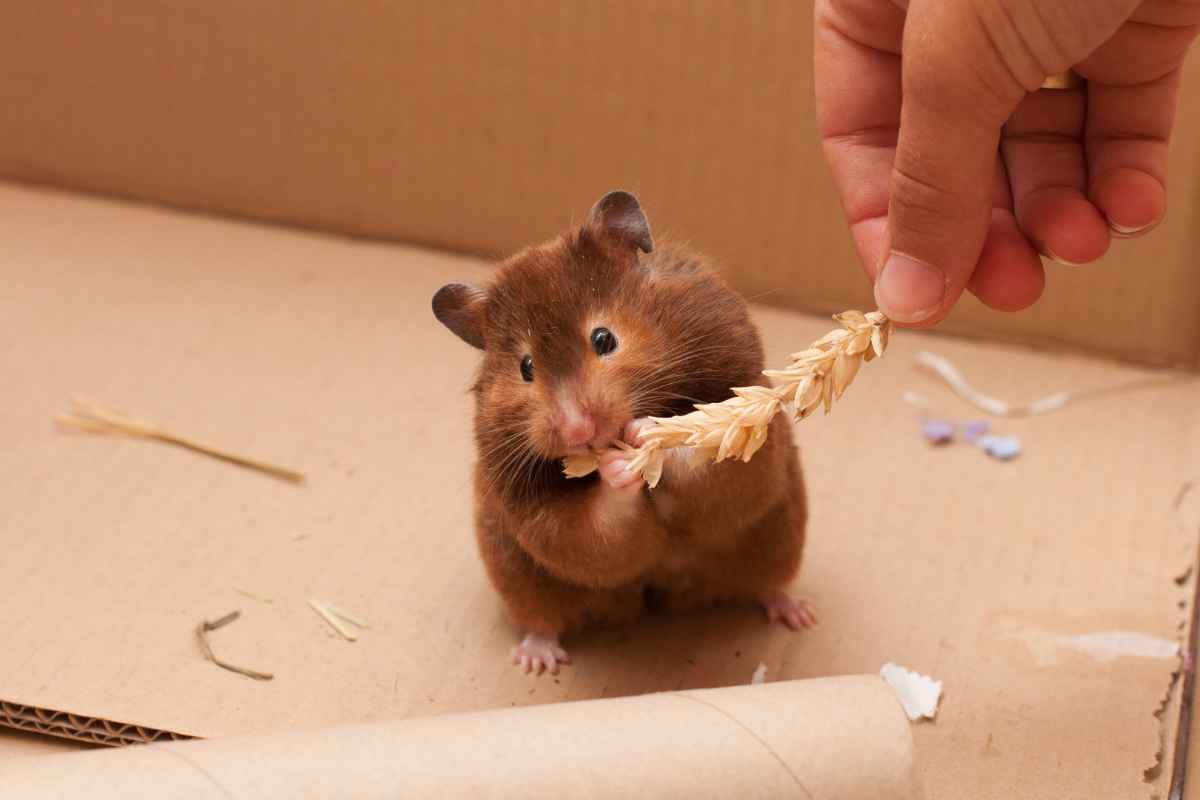
Hamsters are active eaters, and their appetite can vary depending on their mood, age, and health.
If your hamster is constantly foraging, it's likely trying to tell you it’s time for a snack. You might also notice it nibbling or hoarding food in its cheeks or bedding.
What to Do:
Provide fresh fruits and vegetables in moderation, along with hamster pellets that are high in fiber.
Avoid giving too many sugary foods or foods that are hard to digest, such as citrus fruits.
It's also essential to offer fresh water daily. Hamsters may show interest in their water bottle or dish, signaling their need for hydration.
2. "I'm Scared": Signs of Stress or Fear
If your hamster is suddenly very skittish or is hiding in its cage, it could be feeling scared. Loud noises, new environments, or a lack of privacy can cause a hamster to feel vulnerable.
What to Do:
Provide a quiet, secure environment for your hamster to thrive in.
Ensure its cage is not in a high-traffic area where it might feel threatened by sudden movements.
Avoid handling your hamster too much if it's showing signs of fear. Let it adjust to its surroundings at its own pace.
Also, pay attention to its body language; if the hamster is puffing up, it might be feeling threatened and trying to make itself appear larger.
3. "I'm in Pain": How to Recognize Discomfort
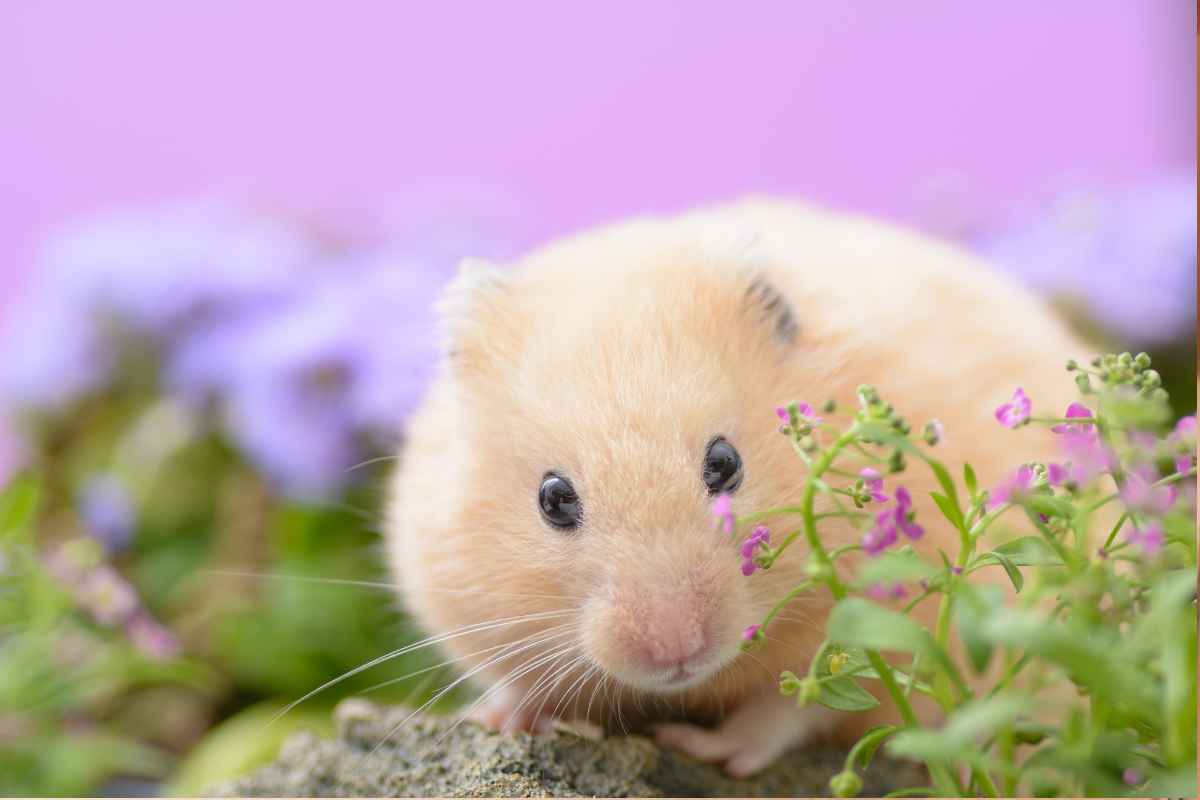
A hamster in pain may exhibit strange behaviors such as limping, favoring a leg, or avoiding movement altogether. You might also notice your pet becoming more irritable or aggressive if it's hurting.
What to Do:
If you notice any unusual behavior or physical signs, such as swelling or lethargy, it’s important to consult a veterinarian familiar with small mammals.
Keep an eye on the condition of its teeth, as overgrowth can cause discomfort and prevent eating.
Pain may also be linked to injuries or illnesses, so observing your hamster closely is key to ensuring its well-being.
4. "I'm Happy": How to Spot a Content Hamster
When hamsters are content, they’ll show it in several ways. You might notice them grooming themselves or exploring their cage energetically. They may also nibble on their toys or run in their wheel.
What to Do:
Encourage physical and mental stimulation by providing a variety of toys and play areas.
Keep their living space clean and spacious to allow for exploration.
A hamster that is content will also often stretch out and sleep in comfortable positions, showing that it feels safe in its environment.
5. "I'm Tired": Understanding Your Hamster’s Sleep Patterns
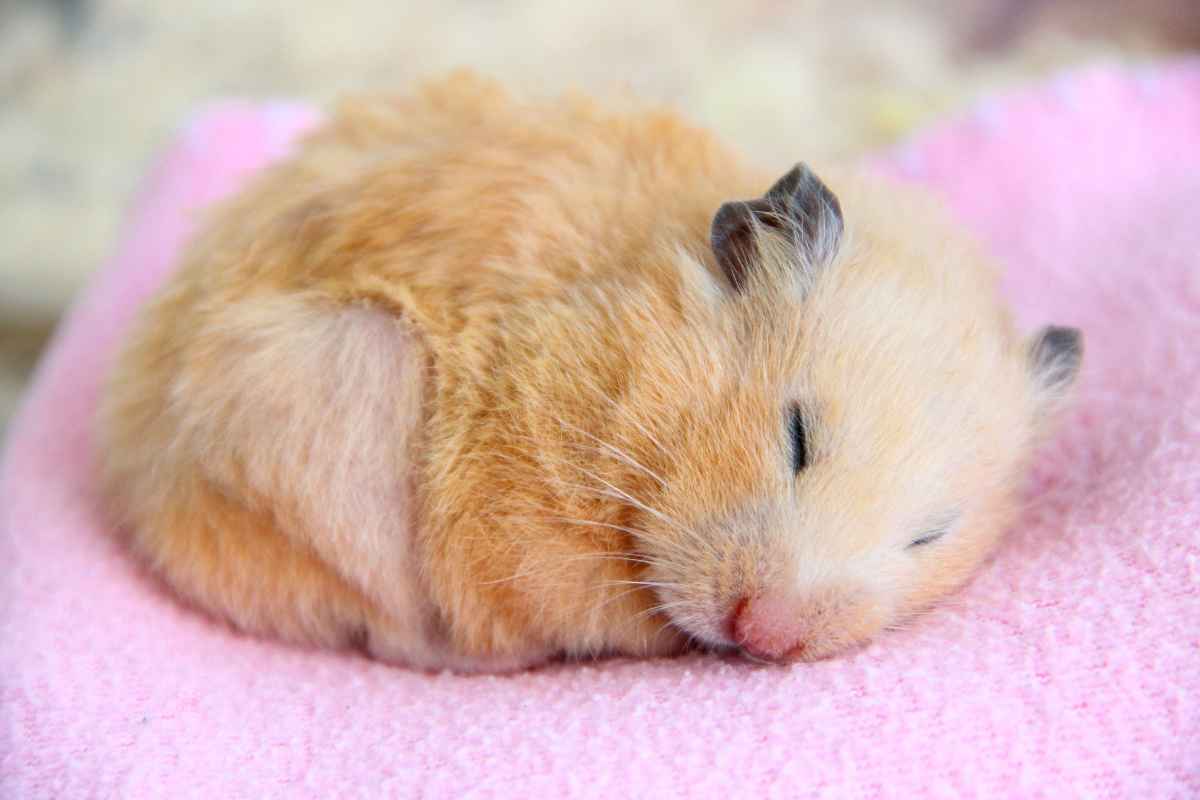
Hamsters are crepuscular, meaning they are most active during dusk and dawn.
If you notice your hamster sleeping during the day, don’t worry—this is perfectly normal behavior. However, it’s important to ensure they have a dark, quiet space to rest.
What to Do:
Provide a dark corner in its cage where it can retreat and get undisturbed sleep.
Avoid waking your hamster up during the day unless necessary.
Sleep is essential for a hamster’s overall health, and respecting its sleep schedule will help keep your pet happy and healthy.
6. "I'm Curious": Signs Your Hamster Wants to Explore
Hamsters are naturally curious creatures. If you notice your hamster digging, climbing, or trying to escape from its cage, it’s a sign that it wants to explore its environment.
What to Do:
Create a safe and stimulating space for your hamster to explore. This could include tunnels, climbing structures, or a hamster playpen.
Allow your hamster some supervised time outside the cage to explore, but make sure the area is free from hazards.
Curiosity also means your hamster needs plenty of opportunities to explore and exercise, so make sure to rotate toys regularly.
7. "I’m Feeling Frisky": Hormonal Behavior in Hamsters
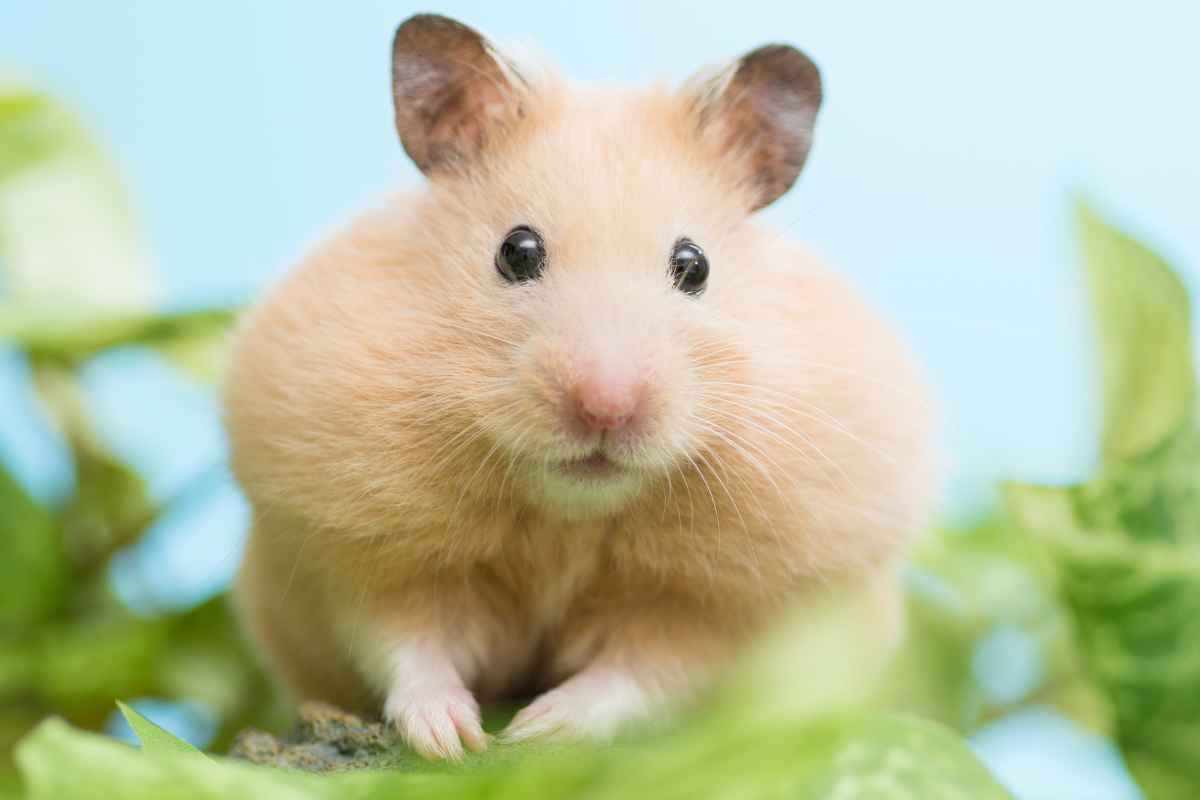
Hamsters, especially those that are not spayed or neutered, can exhibit frisky behavior when they are in heat. This can include increased activity, chasing, and even barking or squeaking.
What to Do:
If you have a female hamster, monitor her for signs of being in heat. If you're concerned about mating behavior, consider speaking with a veterinarian about spaying.
For male hamsters, providing more territorial space can help reduce frustration.
Hormonal changes can cause behavioral shifts, so it's important to stay observant and make adjustments as needed.
8. "I Need Your Attention": How to Build Trust with Your Hamster
A hamster may approach you, climb on your hand, or even nudge you with its nose when it wants affection or attention. This is its way of building trust and trying to interact.
What to Do:
Spend time bonding with your hamster through gentle handling. Start slowly to avoid stressing it out.
Offer treats or positive reinforcement when it approaches you, helping to foster a trusting relationship.
Building trust takes time, but with patience and consistency, your hamster will learn to trust you and enjoy your company.
Conclusion: Understanding Your Hamster's Needs
Your hamster’s behavior can reveal a lot about how it’s feeling and what it needs.
By paying attention to its body language, sounds, and actions, you’ll be better equipped to care for your pet. Always keep an eye out for changes in behavior, as these may indicate health issues or stress.
By following these tips, you’ll build a strong bond with your hamster and ensure that it lives a healthy and happy life.
Remember, your hamster depends on you to be its caregiver, friend, and companion. Embrace the challenge, and you’ll both benefit from a joyful relationship.
We hope you enjoy this video about Hamsters

Source: Petco
Did you find this post useful or inspiring? Save THIS PIN to your Pets Board on Pinterest!

You may also like