
The Ultimate Checklist for First-Time Horse Owners


Bringing a horse into your life is thrilling—and a big responsibility.
This first-time horse owner checklist distills the essentials so you can start strong, avoid costly mistakes, and keep your new partner healthy and happy.
Expect to commit daily hands-on time, plan a reliable budget, and build a small team (veterinarian, farrier, trainer, saddle fitter) you can trust.
Below you’ll find what to do, what to buy, and how to organize it all—without drowning in information.
Daily Care Essentials
Forage, Water & Salt Basics
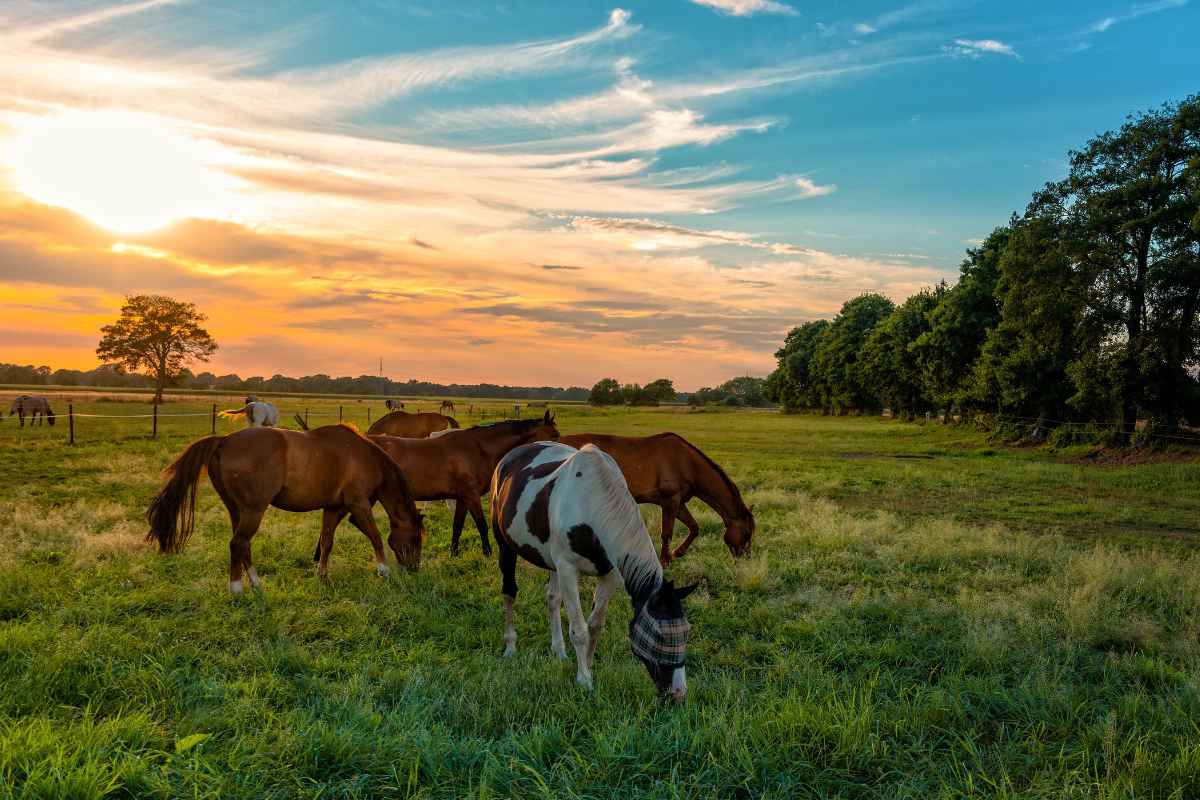
Horses are built to graze. As a rule of thumb, aim for forage at ~1.5–2% of body weight per day (pasture and/or hay), split into multiple feedings if stalled.
Provide fresh water 24/7 and a plain salt source; in hot weather or after hard work, consider electrolytes as advised by your vet or trainer.
Keep concentrates (grain) conservative for most leisure horses—forage first protects the gut and behavior.
Avoid sudden diet changes; when you must adjust, transition over 7–10 days to protect the digestive system.
Hoof & Dental Rhythm (And Why It Matters)
Healthy feet are non-negotiable. Plan farrier visits every 6–8 weeks (trim or shoe depending on your horse’s needs and workload).
Pick out hooves daily to spot thrush, stones, or loose shoes early. Schedule annual dental exams (some horses, especially seniors, may need more frequent care).
Track your horse’s Body Condition Score (BCS) monthly; aim for a steady, moderate condition so you can adjust forage before weight changes become problems.
Health Calendar You Can Stick To
Core Vaccines & Preventive Care
Work with your veterinarian on an annual wellness plan. At minimum, most regions follow core vaccines (e.g., tetanus, EEE/WEE, West Nile, rabies).
Depending on your location and show/travel schedule, your vet may add risk-based vaccines (e.g., influenza, strangles, rhinopneumonitis).
Keep a simple record—date, product, lot, and the vet who administered—so paperwork is always at hand.
Parasite Control That Actually Works
Skip the old “rotate dewormers by the calendar” habit.
Modern best practice is selective deworming: run Fecal Egg Counts (FEC) to identify high shedders and treat only when needed, then check effectiveness with a Fecal Egg Count Reduction Test (FECRT).
Pair this with pasture hygiene (remove manure, avoid overcrowding, rotate turnout) to reduce parasite pressure naturally.
Safe Housing & Pasture Management
Stall Size, Bedding & Ventilation
If your horse is stabled, aim for a well-ventilated, clean stall (commonly 10×12 ft for average-sized horses; larger for drafts or mares with foals).
Prioritize low-dust bedding, daily mucking, and ammonia control. Check hardware, latches, and walls weekly; add quick-release cross-ties and a breakaway halter for safety.
Even stall-kept horses need daily turnout for joints, gut motility, and mental health.
Pasture, Fencing & Manure 101
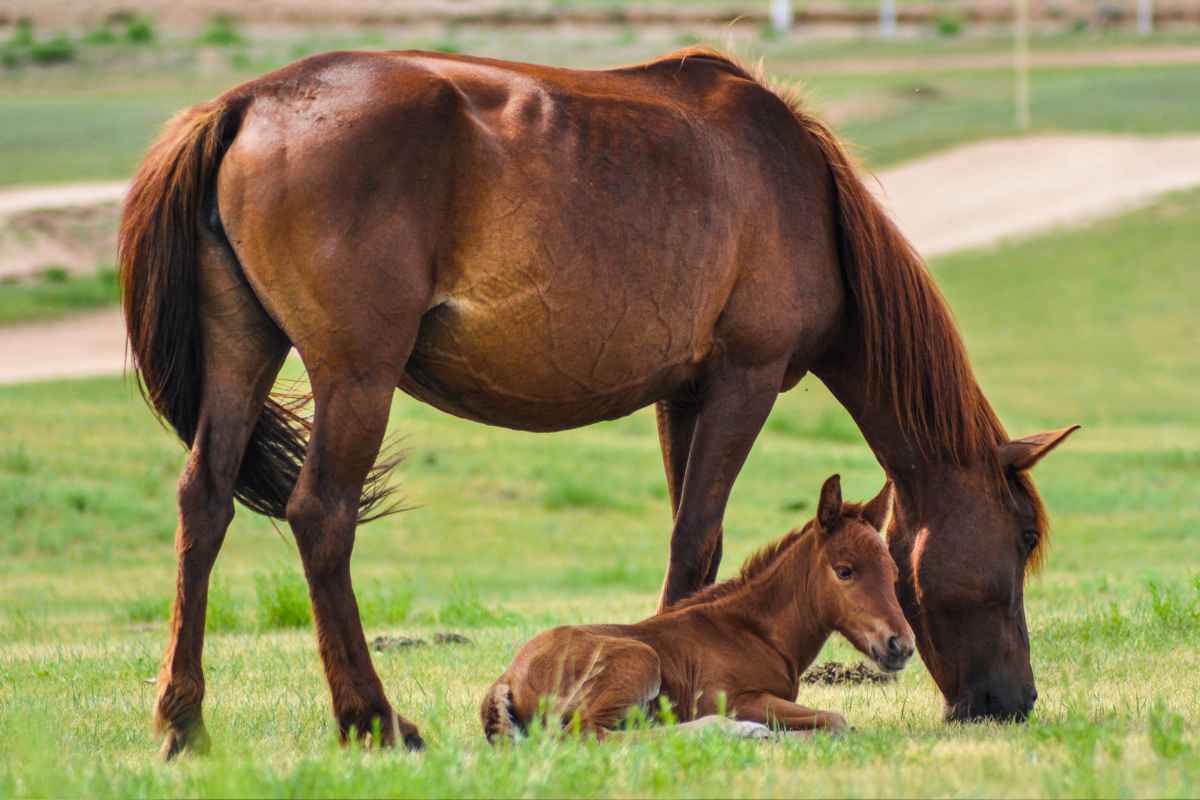
Turnout areas should have safe, visible fencing (no barbed wire), shade/shelter, and reliable water.
Use rotational grazing to rest sections, protect grass, and support hoof health. Drag or remove manure to limit parasites and flies; consider composting to turn waste into a garden resource.
Walk fence lines often, trim low branches, and fix loose boards before they become emergencies.
Tack Fit & Rider Safety
Saddle and Bridle Fit Checks
Ill-fitting tack can cause soreness and behavior issues. Aim for 2–3 fingers of wither clearance, a level saddle that doesn’t bridge, and even sweat marks under the pad.
The gullet should not press on the spine, and the panels should distribute pressure smoothly. For bridles, a two-finger rule under the noseband is a helpful starting point; watch for bit acceptance (quiet mouth, no head-tossing).
If you’re unsure, book a qualified saddle fitter—it’s cheaper than rehabbing a sore back.
Helmets & Riding Gear That Protect
Always ride in an ASTM/SEI-certified helmet that fits snugly and sits level on your head.
Pair with sturdy, heeled boots, gloves for grip and skin safety, and—if you jump or ride green horses—consider a body protector or air vest.
For road hacking, add hi-viz gear and lights; visibility saves lives.
Transport, Paperwork & Biosecurity
Coggins, Health Certificates & IDs
In many places (especially across U.S. states), you’ll need a negative Coggins test (for Equine Infectious Anemia) and sometimes a Certificate of Veterinary Inspection to travel or enter events. Some regions require brand inspections; microchipping is increasingly recommended for proof of identity. Keep laminated copies in your trailer and digital scans on your phone.
Quarantine New Arrivals & Event Hygiene
When a new horse comes home—or your horse returns from a show—practice biosecurity. Quarantine 14–21 days if possible, use separate tools, and monitor temperature daily (fever is an early red flag). At events, don’t share water buckets or nose-to-nose tie rails; sanitize hands and equipment before they go back in the tack room.
Training, Time, and the Human Side
Plan for consistent, calm handling and short, frequent training sessions—especially with a green or newly acquired horse. Build a relationship with a qualified trainer or coach who aligns with your goals (trail confidence, dressage basics, jumping foundations). Horses thrive on routine and clarity; your horse will progress faster when your cues, schedule, and expectations are steady.
Starter Budget: What New Owners Actually Spend
Every barn and region is different, but organizing costs by one-time vs. recurring keeps you honest:
One-time (or rare) purchases: properly fit saddle & bridle, helmet, girth/cinch, pads, grooming kit (curry, stiff/soft brushes, hoof pick, mane comb), halter & lead, first-aid kit (thermometer, digital stethoscope optional, non-stick pads, vet wrap, gauze, antiseptic, saline, gloves, bandage scissors), buckets & feed pans, tags/ID, trailer safety kit (if you haul).
Recurring: hay/forage, bedding, supplements or concentrates (if needed), farrier (trim/shoes every 6–8 weeks), vaccines & annual wellness, FEC tests and targeted deworming, dental, insurance or emergency fund, boarding or pasture lease, and lessons/training.
Create a simple spreadsheet with monthly projections and a dedicated emergency fund for unexpected vet care. Horses are athletes and accidents happen—planning ahead reduces stress when it counts.
Grab-and-Go Checklist (Condensed)
Identity & legal: current Coggins, health certificate if required, microchip/brand/ownership docs.
Daily care: forage 1.5–2% BW, fresh water, salt, gradual feed changes, routine turnout.
Health: core vaccines, annual dental, BCS tracking, selective deworming with FEC, fly control.
Hooves: pick daily, farrier every 6–8 weeks, address chips, long toes, or tenderness fast.
Housing: safe fencing, clean stall/shelter, ventilation, ammonia control, mud management.
Tack & fit: saddle with wither/spine clearance, even contact, noseband two-finger rule, bit acceptance.
Safety: ASTM/SEI helmet, heeled boots, gloves, hi-viz for roads, body protector if appropriate.
Biosecurity: quarantine new horses 14–21 days, don’t share buckets, disinfect & monitor temps.
Transport: trailer checks (tires, brakes, floor, camera), breakaway halter, spare lead ropes.
First-aid kit: thermometer, vet wrap, gauze, povidone-iodine/chlorhexidine, saline, scissors, gloves.
Print this, tape it inside your tack trunk, and revisit it every season.
FAQ for First-Time Owners
How much time should I plan to spend each day?
Count on at least 45–90 minutes between feeding, turnout, grooming, stall cleaning, and a short ride or groundwork session. Boarded horses may reduce your daily chores, but hands-on time is still essential for bonding and early problem detection.
Do all horses need shoes?
Not necessarily. Many horses go barefoot with regular trims; others need fronts or full sets depending on terrain, workload, conformation, or hoof health. Your farrier and vet can recommend the best plan; comfort and soundness are the priorities.
What’s a good “first horse”?
Temperament and training matter more than breed. Look for a forgiving, experienced horse that suits your goals (trail, flatwork, low jumps).
Bring a trainer to try rides, ask for a trial period if possible, and vet-check (pre-purchase exam) before signing.
How do I know if my saddle really fits?
Your horse should move freely, lift through the back, and finish a ride without hot spots or soreness.
Look for even sweat patterns, no bridging, and stable balance at halt and in motion. If you’re unsure, schedule a saddle fit assessment—it often fixes “behavioral” issues overnight.
What should be in my barn binder?
A one-page care profile (diet, turnout, supplements), vaccine & dental records, farrier dates, FEC results, emergency contacts (owner, vet, farrier, trainer), and a laminated stall card with your horse’s name, microchip, and your phone number.
Build Your Team and Enjoy the Ride
Owning a horse is a journey of patience, pattern, and partnership. With forage-first nutrition, routine hoof and dental care, core vaccines, selective deworming, safe housing, and proper tack fit, you’ll prevent most common issues before they start.
Use the grab-and-go checklist to stay organized, lean on your vet, farrier, and trainer for decisions, and track small changes early.
If you’d like, I can also turn this into a printable checklist and annual care calendar you can keep in your tack trunk.
Ready to take the next step? Save this first-time horse owner checklist, share your questions, and tell me about your horse—its discipline, routine, and goals—so we can tailor a plan that suits you both.
We hope you enjoy this video about Horses
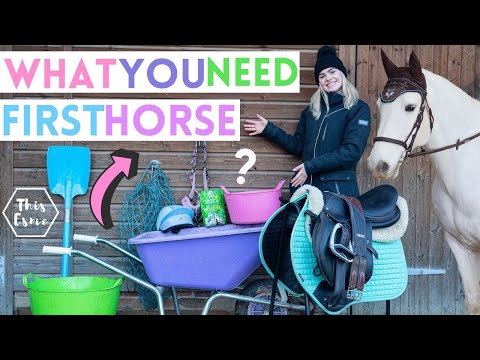
Source: This Esme
Did you find this post useful or inspiring? Save THIS PIN to your Pets Board on Pinterest!
You may also like