
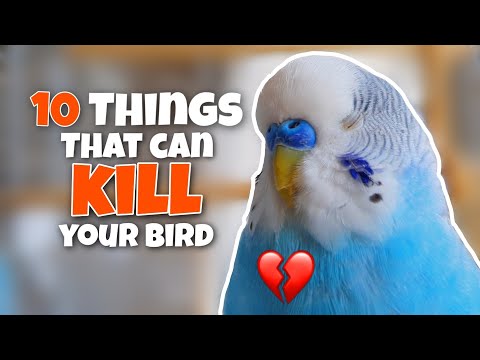
These 10 Things Can KILL Your Bird


As bird owners, we all want to ensure that our feathered friends stay healthy and happy. Unfortunately, many common household items can pose serious threats to their well-being.
Birds have sensitive respiratory systems and are incredibly susceptible to toxins and hazards that may not seem dangerous to us.
In this article, we’ll explore the top 10 dangers that could harm or even kill your bird, and most importantly, how you can prevent them from causing harm.
1. Teflon and PTFE Coated Cookware – A Silent Killer

Teflon is often used in non-stick cookware, but it can be deadly to birds. When heated to high temperatures, teflon and PTFE (polytetrafluoroethylene) release toxic fumes that can cause respiratory failure in birds.
These fumes are odorless and can easily go unnoticed, but their effects on a bird’s respiratory system are severe and often fatal.
How to Prevent:
Avoid using teflon-coated cookware when you have birds in your home.
Use alternative cookware like stainless steel, cast iron, or ceramic, which are much safer.
If you must use teflon, never leave it unattended on high heat.
2. Aerosols, Perfumes, and Air Fresheners
Many common household products like air fresheners, aerosol sprays, perfumes, and cleaning agents contain chemicals that can be extremely harmful to birds.
Birds have a highly sensitive respiratory system, and exposure to strong chemicals can lead to severe lung damage or even death.
How to Prevent:
Use natural air fresheners like essential oils (with caution) or open windows for ventilation.
Always remove your bird from the area when using sprays or cleaning chemicals.
Opt for non-toxic cleaning products and avoid using scented candles or incense around your bird.
3. Heavy Metals (Lead, Zinc, and Copper)

Many household items, including toys, jewelry, and furniture, can contain heavy metals like lead, zinc, or copper, which are toxic to birds. Birds often chew on items to explore their surroundings, and ingesting these metals can result in poisoning, seizures, or even death.
How to Prevent:
Inspect toys and objects your bird interacts with to ensure they don’t contain harmful metals.
Remove any objects that may contain lead or zinc, such as painted toys, keys, or coins.
Consult with your vet if you suspect your bird has been exposed to heavy metals.
4. Avocado (Persin)
Avocado contains a substance called persin, which is highly toxic to birds. This toxin can cause respiratory distress, congestion, and even sudden heart failure. Many bird owners are unaware of the dangers of avocado, especially since it’s often considered a healthy snack for humans.
How to Prevent:
Never feed your bird avocado in any form.
Be cautious of dishes prepared with avocado and ensure your bird cannot access them.
5. Chocolate and Caffeine

Chocolate and caffeine are harmful to birds, as they can cause increased heart rate, seizures, and even death. The compounds in chocolate, such as theobromine, are particularly dangerous to small animals like birds.
How to Prevent:
Keep chocolate, coffee, and caffeine-containing products away from your bird.
Be mindful of food and drink preparations that could contain these substances, including cakes, cookies, and coffee cups.
6. Apple Seeds and Fruit Pits (Cyanide)
Many fruits, such as apples, cherries, peaches, and apricots, contain seeds or pits that contain cyanide. Cyanide is a potent toxin that can cause vomiting, difficulty breathing, and even death in birds.
How to Prevent:
Remove seeds and pits from all fruits before offering them to your bird.
Educate yourself on which fruits are safe and which should be avoided entirely.
7. Xylitol – A Hidden Danger

Xylitol, a sugar substitute found in sugar-free gum, candies, and baked goods, is extremely toxic to birds. Just a small amount can cause severe drops in blood sugar, leading to seizures and organ failure.
How to Prevent:
Avoid giving your bird any processed foods that contain xylitol.
Be mindful of household products like gum, toothpaste, and baked goods that could pose a risk.
8. Excessive Salt and Fat
Salt and fatty foods, while common in human diets, can be very dangerous for birds. Excessive salt can cause dehydration, kidney failure, and even death, while high-fat foods can lead to obesity and liver disease.
How to Prevent:
Limit salty and fatty foods in your bird’s diet.
Stick to a diet of fresh fruits, vegetables, and specially formulated bird pellets to ensure balanced nutrition.
9. Toxic Plants

Many plants commonly found in homes and gardens are toxic to birds. Plants like lilies, pothos, azaleas, and oleander can be deadly if ingested by birds. Birds love to nibble on plants, and exposure to these toxic plants can lead to severe poisoning.
How to Prevent:
Research the plants in your home and garden before allowing your bird to roam freely.
Keep all toxic plants well out of your bird’s reach or choose bird-safe plants like spider plants or Boston ferns.
10. Physical Hazards – Windows, Ceiling Fans, and Cords
Accidents can happen when birds fly into windows, ceiling fans, or get tangled in cords. These physical hazards can cause severe injuries or death.
How to Prevent:
Place window decals or frosted glass to prevent birds from flying into them.
Always turn off ceiling fans when your bird is out of its cage, and secure cords or wires so your bird cannot chew on them.
Supervise your bird when out of the cage to avoid accidents.
Signs of Toxic Exposure and What to Do

It’s essential to recognize the signs of poisoning or other health issues in birds. Some common symptoms include:
Labored breathing or wheezing
Drooping wings or lethargy
Vomiting or diarrhea
Seizures or convulsions
Loss of balance or inability to fly
What to Do:
Remove the source of exposure immediately.
Take your bird to the vet as soon as possible. If you suspect your bird has ingested a toxic substance, try to identify what it was and provide that information to the vet.
Quick Home Safety Checklist for Your Bird

Secure all windows or add bird-safe decals to prevent crashes.
Remove any toxic plants and ensure all household items are safe.
Ensure all cookware is free of Teflon or PTFE.
Avoid using aerosol sprays or strong perfumes around your bird.
Remove access to small objects that could be chewed and ingested, like coins or jewelry.
Check all cleaning products to make sure they are non-toxic.
Conclusion – Protecting Your Feathered Friend

Your bird’s safety starts with your awareness and the choices you make at home.
By eliminating toxic substances, securing your environment, and feeding your bird a balanced diet, you can keep your feathered companion healthy and happy for years to come.
Always stay informed about the potential hazards in your home and consult your vet if you suspect any health issues. A little prevention goes a long way in protecting your precious pet.
By following these simple steps, you’ll create a safer, healthier home for your bird and enjoy years of companionship together.
Source: Bird Nuggets
Did you find this post useful or inspiring? Save THIS PIN to your Pets Board on Pinterest!

You may also like