
This is the First Thing you Should Teach your Horse


When starting the journey of training a horse, it’s essential to establish a strong foundation based on trust and respect.
The first thing you should teach your horse is not a specific trick or command, but rather how to trust you and see you as a leader.
This will form the cornerstone of your entire relationship with the horse and ensure that the rest of your training goes smoothly and effectively.
Why Trust and Respect Are Crucial in Horse Training
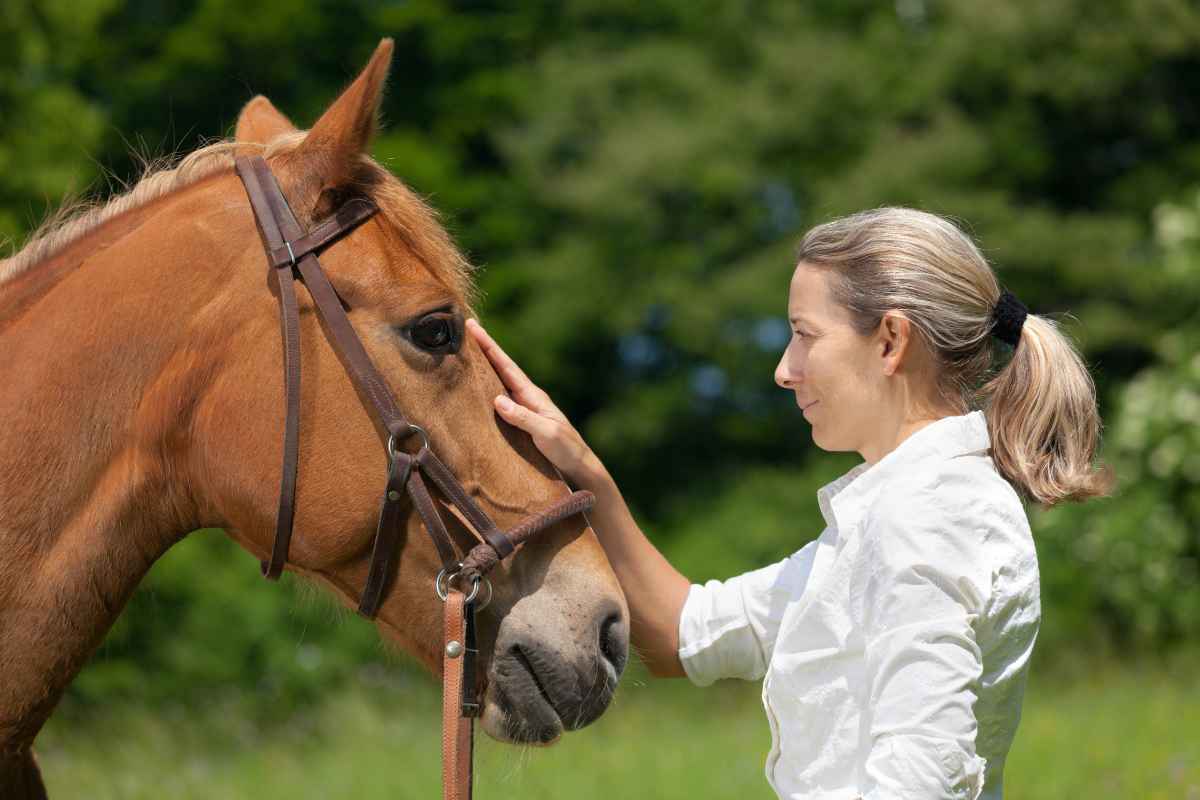
Building trust and respect is the first step in any successful horse training program. Without these two elements, it is incredibly difficult to foster a healthy and productive relationship with your horse.
Horses are prey animals, which means they are naturally inclined to be cautious of their surroundings and any potential threats.
To make them feel comfortable with you, you need to prove that you are someone they can trust.
What Trust Looks Like in Horses
Trust in horses is earned over time through consistency, calmness, and clear communication.
When a horse trusts you, they will follow your lead, listen to your cues, and remain relaxed around you.
Trust is not just about physical actions; it’s also about emotional security. If your horse is scared or uncertain, they need to feel safe with you before they can fully engage in the training process.
What Respect Means for Your Horse
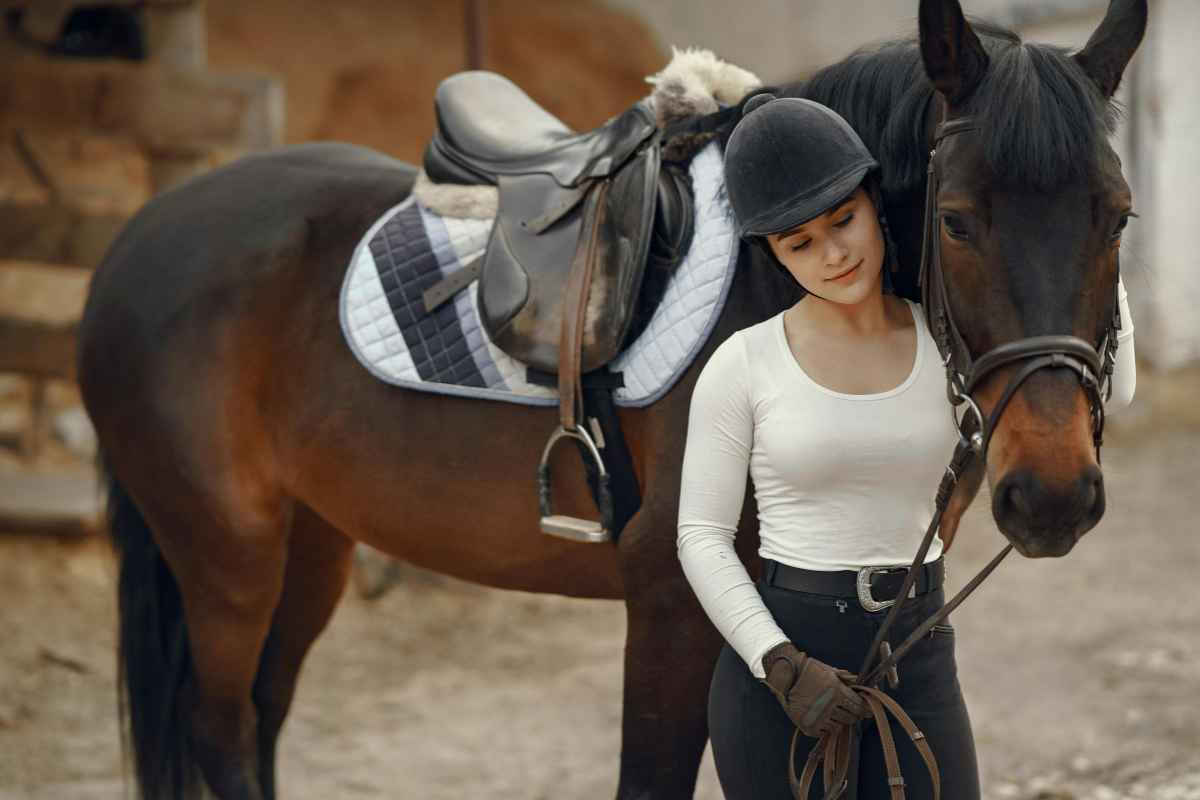
Respect goes hand-in-hand with trust. While trust allows the horse to feel safe with you, respect ensures that they follow your cues and recognize you as their leader.
When a horse respects you, they are more likely to obey commands and stay calm even in stressful situations.
Respect is gained by demonstrating leadership without using force or intimidation, creating an environment where the horse feels secure but also understands boundaries.
How to Build Trust and Respect: Practical Exercises
Now that we understand why trust and respect are essential, let’s dive into some practical exercises you can do with your horse to build these qualities.
1. Groundwork Exercises for Better Communication
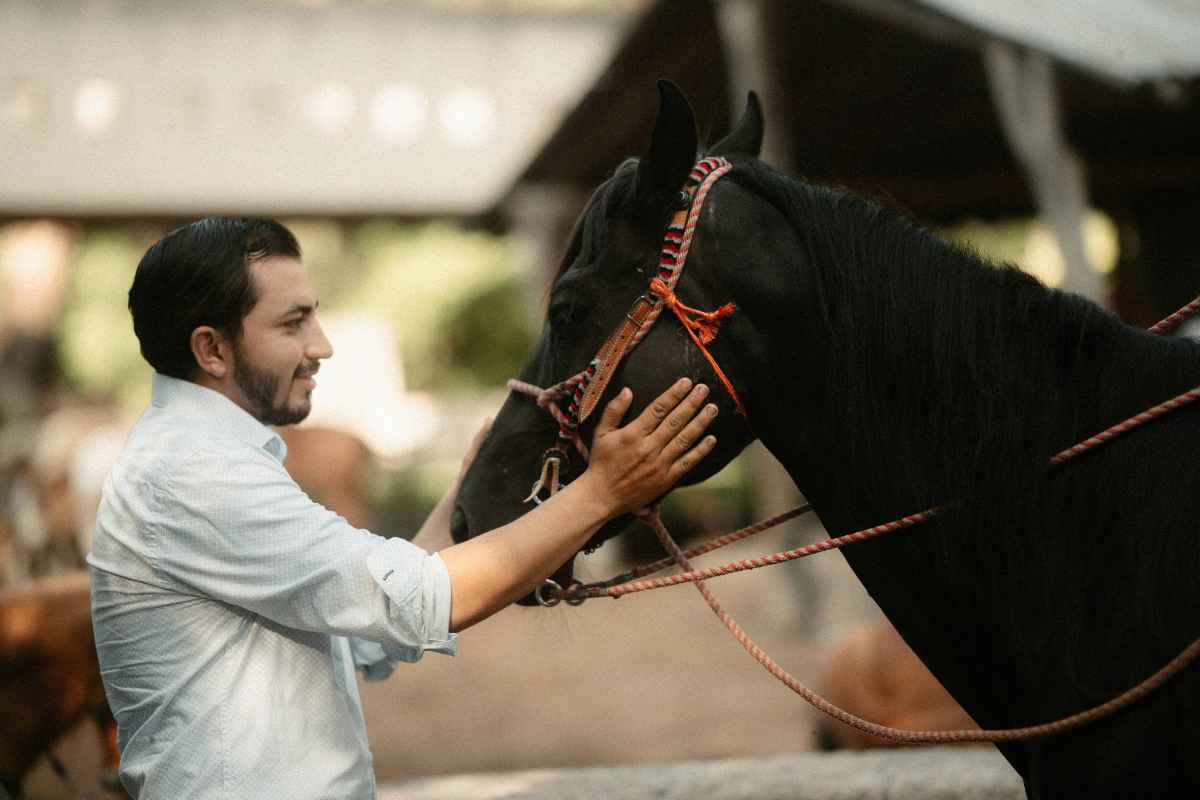
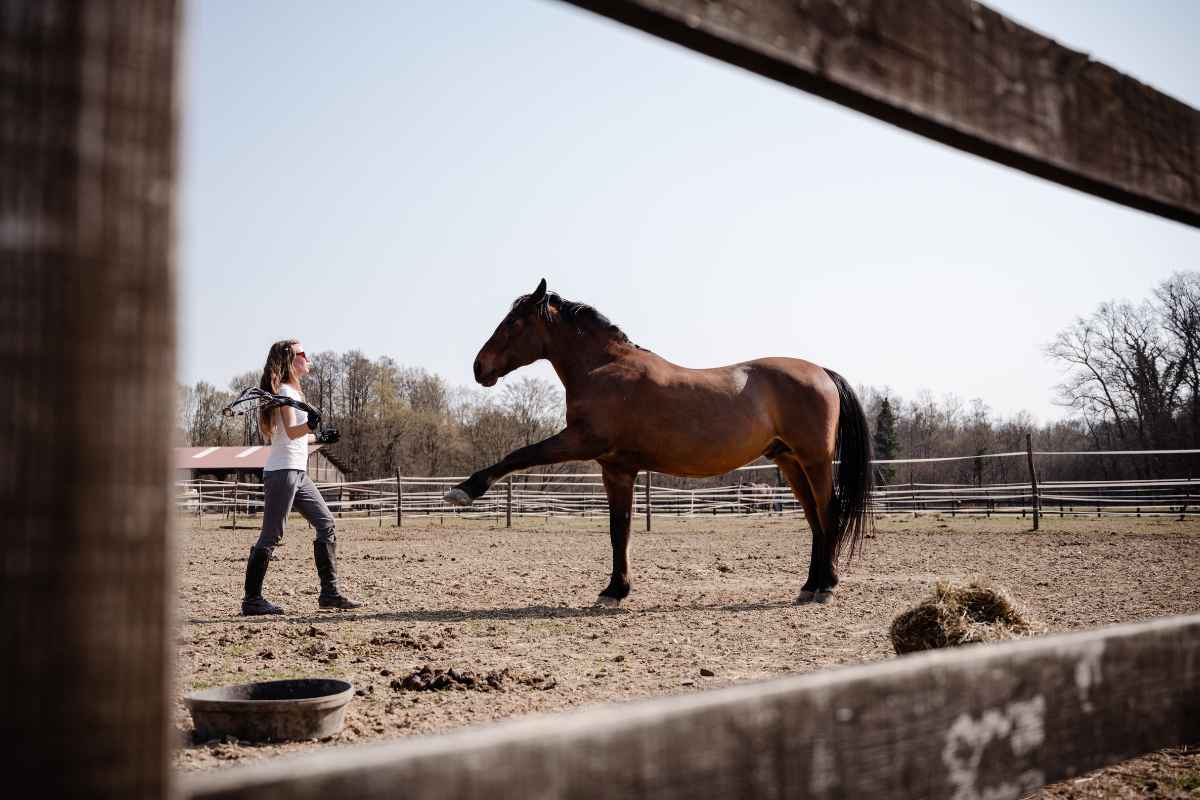
Before you even think about riding or teaching specific commands, it’s crucial to focus on groundwork exercises.
Groundwork teaches your horse to pay attention to you and respond to your cues without the distractions of riding. Some of the best groundwork exercises to establish trust and respect include:
Leading: Lead your horse with a relaxed but firm hold on the lead rope. Your horse should walk alongside you at your pace, not dragging behind or rushing ahead. This exercise shows your horse that you are the leader and they need to follow your movement.
Respecting Personal Space: Horses have a natural instinct to protect their personal space. Teaching your horse to respect your space will foster trust and ensure that they do not become aggressive or defensive. Use your body to gently encourage your horse to move away from you when necessary.
Change of Direction: Leading your horse in a circle and asking them to change direction on command is a great way to establish control. Make sure you are clear and consistent with your signals so that your horse knows what to expect.
These exercises should be done in short, consistent sessions. Always end on a positive note, where the horse feels comfortable and relaxed, as this will build their trust in you.
2. Teaching the Basics of Desensitization
Desensitizing your horse to various stimuli helps them become less fearful and more confident in different situations.
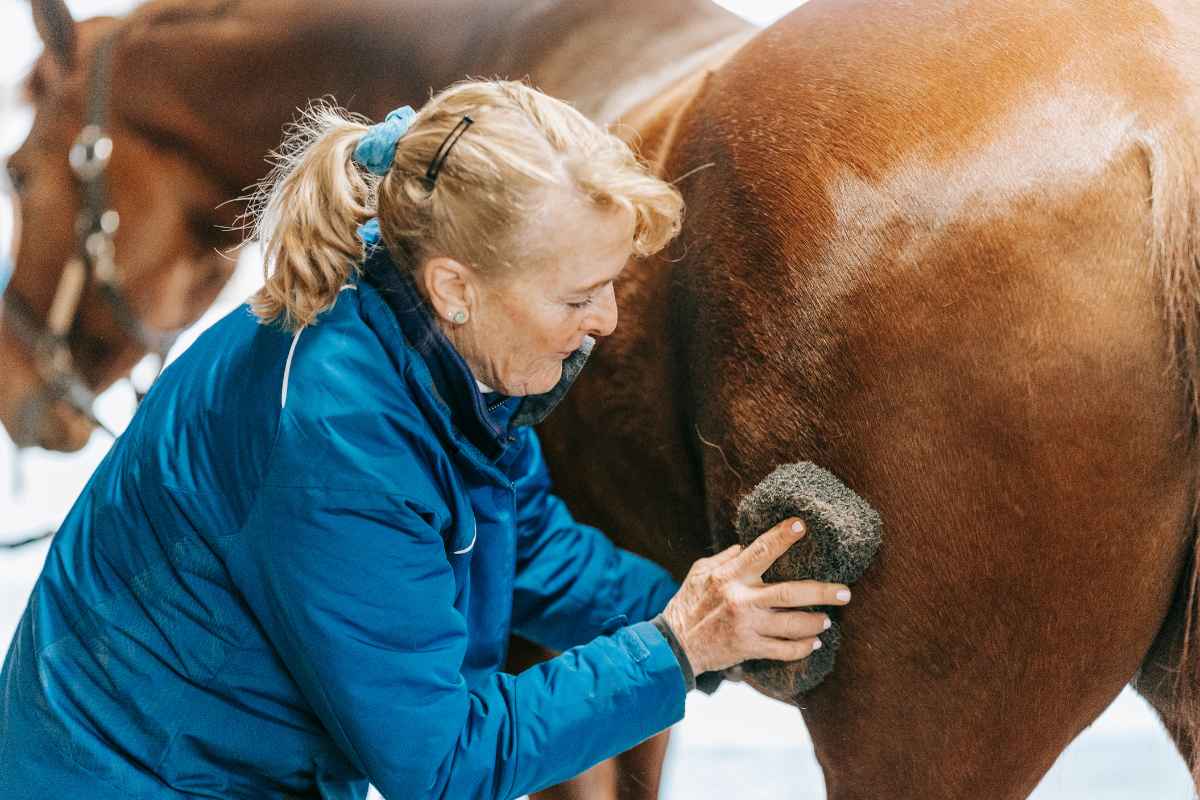
Start with non-threatening objects like ropes, flags, or tarps and gradually introduce them to your horse. Gently rub these objects on their body and reward them when they remain calm.
This process teaches your horse that new things are not something to fear, and it builds their confidence in you as their leader.
3. Establishing Leadership Through Consistency
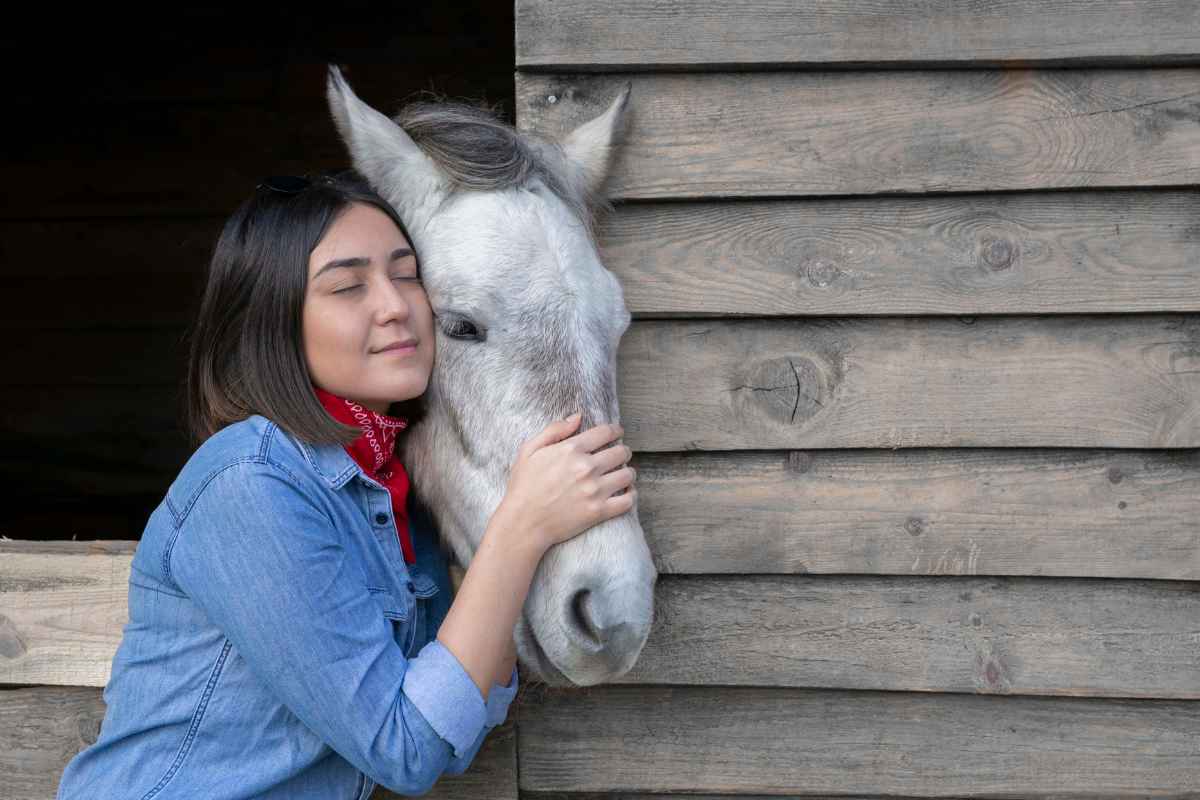
Horses thrive on routine and clear expectations. Be consistent in your commands and actions so your horse knows exactly what to expect from you.
For example, if you always reward calm behavior and never tolerate aggression, your horse will quickly learn what is acceptable and what isn’t.
Consistency helps your horse understand boundaries, which is a key part of establishing respect.
The Role of Patience in Training
One of the most important qualities to have when training a horse is patience. Horses are sensitive creatures, and rushing the process can lead to setbacks.
While some horses may learn quickly, others may take more time to build trust and respect. It’s essential to stay patient and persistent, always keeping your horse’s comfort in mind.
If you find yourself getting frustrated, take a step back and reassess your approach.
How to Stay Patient During Training
Here are a few tips to stay patient during the training process:
Set realistic expectations: Understand that building trust and respect takes time. Every horse is different, and they all learn at their own pace.
Celebrate small victories: Even if your horse only takes a small step forward, celebrate it! Positive reinforcement will encourage more progress.
Take breaks: Horses need rest just like humans. Taking breaks during training sessions helps prevent burnout and gives your horse a chance to absorb what they’ve learned.
Additional Tips for Successful Training
While trust and respect form the foundation of your training, there are additional tips you can use to ensure success:
1. Be Aware of Your Body Language
Your horse is constantly reading your body language. Horses are highly sensitive to your posture, movements, and energy.
If you’re feeling tense or anxious, your horse will pick up on it and may become nervous as well.
Stay relaxed, breathe deeply, and remain calm during your training sessions to encourage the same behavior from your horse.
2. Use Positive Reinforcement
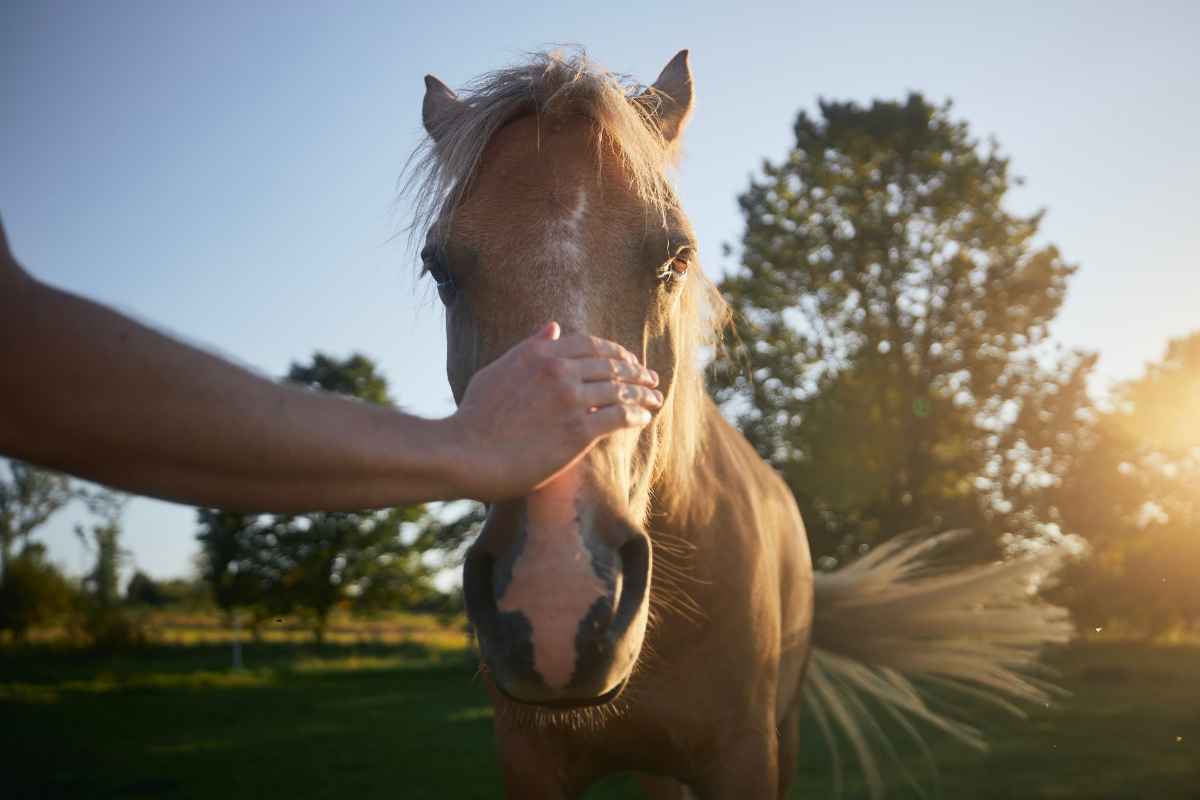
Positive reinforcement, such as treats or praise, is one of the most effective ways to encourage good behavior.
Reward your horse when they follow your commands or show calmness in a stressful situation. This will reinforce the idea that listening to you results in something positive, which builds trust and respect.
3. Train Regularly But Keep Sessions Short
Consistency is key, but so is avoiding overtraining. Horses can lose focus and become frustrated if sessions are too long.
Aim for short, focused training sessions that last between 20 to 30 minutes. This keeps your horse engaged and allows them to absorb the lessons more effectively.
Conclusion: A Strong Foundation for Lifelong Success
Building trust and respect with your horse is the first and most crucial step in any training program.
By focusing on groundwork exercises, desensitization, and consistency, you’ll create a strong foundation for a healthy, productive relationship with your horse.
Remember, patience is key. Horses are sensitive, intelligent animals that thrive when they feel safe and respected.
Through consistent training, clear communication, and plenty of positive reinforcement, your horse will not only learn to trust and respect you but will also become a more responsive and well-rounded companion.
Embrace the journey, and your efforts will pay off in the form of a deep bond with your equine partner.
We hope you enjoy this video about Horses

Source: Basic Horse Training
Did you find this post useful or inspiring? Save THIS PIN to your Pets Board on Pinterest!

You may also like