
Tips and Techniques for Nurturing Your New Puppy


Bringing home a puppy is exciting, and a little preparation makes those first weeks smoother for everyone. Set up a safe, quiet zone the puppy can call home—somewhere away from heavy foot traffic, drafts, and loud appliances.
A roomy crate or a sturdy playpen works well as the base camp where they can rest, observe, and acclimate.
Add a supportive bed, two bowls (one for water, one for food), and a few age-appropriate chew toys to redirect those curious teeth.
If possible, bring home a blanket or cloth that carries a familiar scent from the breeder or shelter. That comforting smell eases the transition and reduces first-night jitters.
The First Day at Home
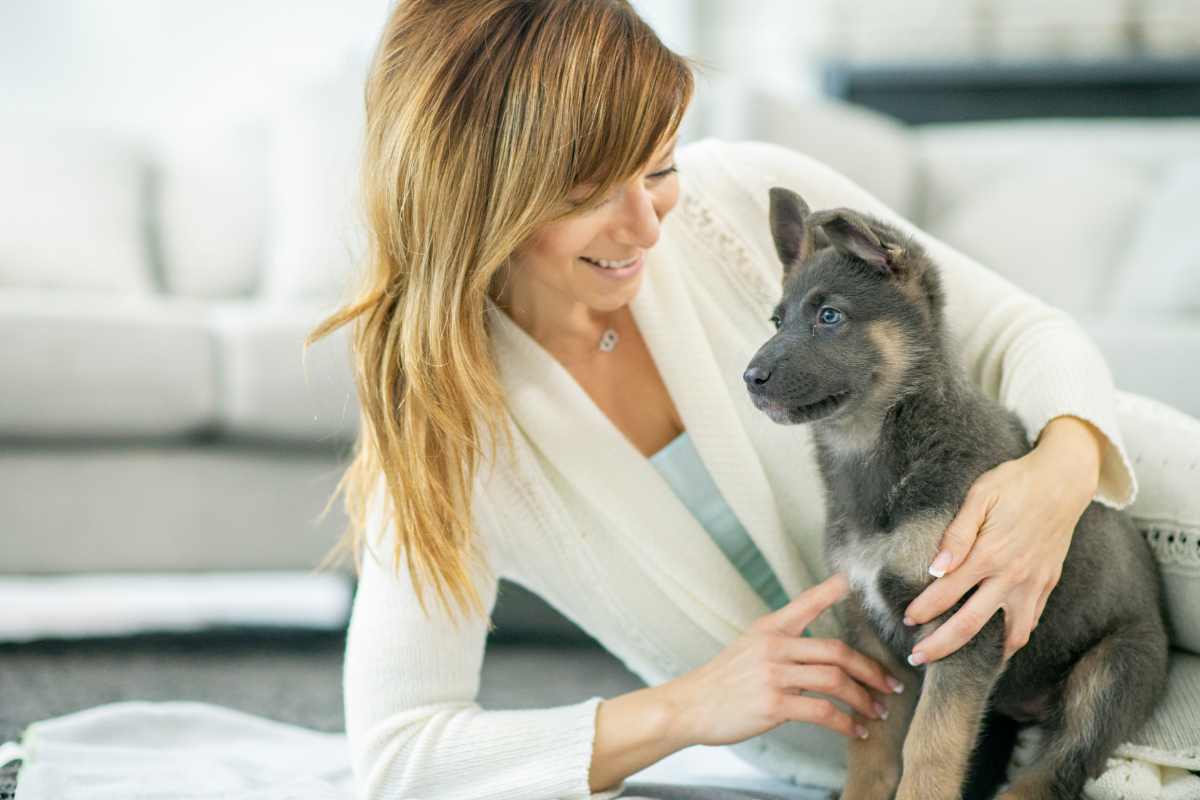
First impressions matter. Keep the welcome calm and unhurried so your puppy can take in new sights and smells without overwhelm.
Introduce family members one at a time, and resist the temptation to overhandle. Guide your puppy to the designated potty area right away so expectations are clear from the start.
Offer short, positive interactions followed by rest—new environments are tiring, and overstimulation can lead to fussiness and setbacks.
Early structure builds confidence: meals in the same spot, naps in the same cozy place, and gentle, predictable patterns throughout the day.
Daily Rhythm and Structure
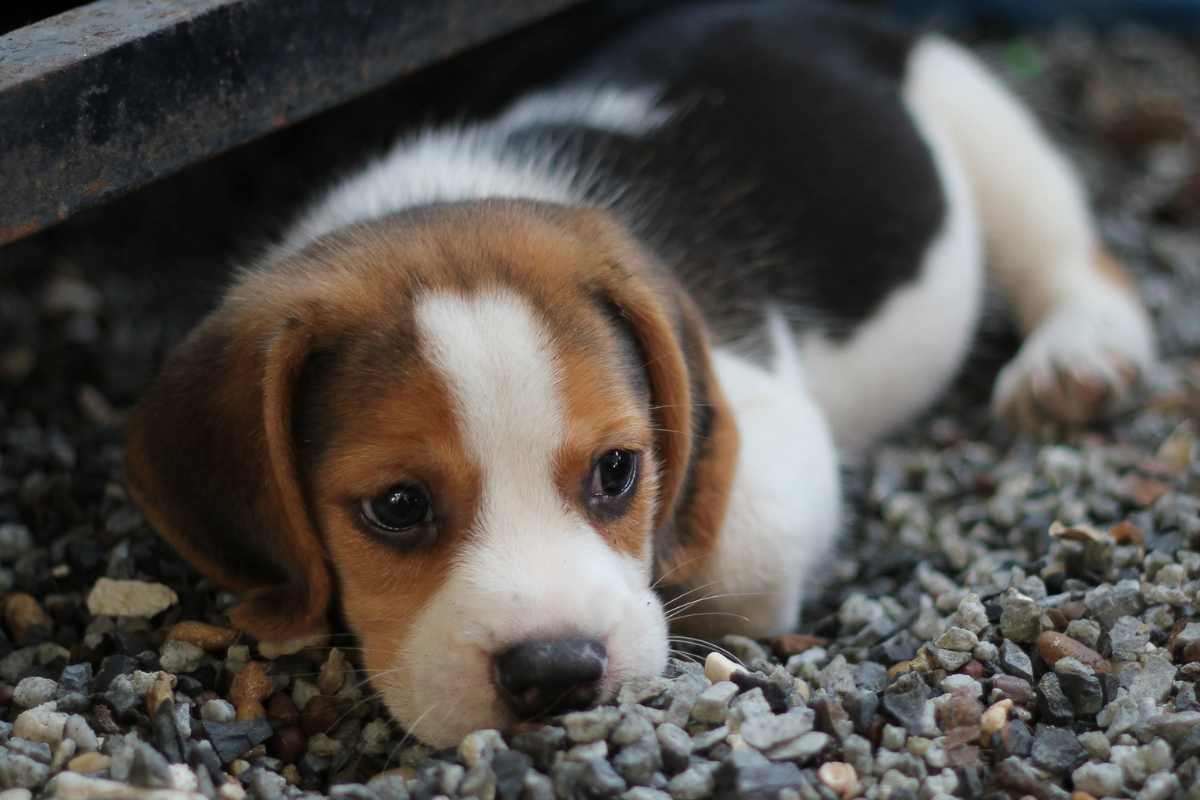
Puppies thrive on consistent routines. Think of the day as a repeating rhythm of eat, potty, play, train, and sleep.
Young puppies need frequent bathroom breaks, especially after waking, eating, or vigorous play. Hydration matters too—keep fresh water available and watch intake during hot weather or after romps.
On nutrition, choose age-appropriate food formulated for growth and aim for small, frequent meals.
Very young puppies often do well with three to four meals daily, then gradually transition to two as they mature, guided by your veterinarian’s advice and the pup’s body condition.
Rest is equally important: most puppies need long naps and early bedtimes to process all the learning they’re doing.
A Day That Works
A useful approach is to keep activities short and purposeful. Offer mental enrichment in the morning when your puppy is most alert, sprinkle in brief training moments, and protect quiet windows for naps.
Late-day play should be calmer—soft tug or a puzzle feeder—so bedtime is not a wrestling match. This gentle cadence helps regulate energy, supports house training, and reduces overtired mischief.
Training Fundamentals

Training isn’t a bootcamp; it’s a conversation you have every day. Focus on positive reinforcement, mark desired behaviors quickly, and reward with tiny treats, praise, or play.
Start with foundational cues—name recognition, “sit,” “down,” “come,” and “leave it.” Keep sessions short (one to three minutes), finish on a win, and build difficulty slowly.
House training improves when you supervise smartly: limit free roaming, escort your puppy to the potty spot often, and reward immediately after success.
For nighttime, a crate can be a game-changer. Used kindly, the crate becomes a safe den that supports sleep, routine, and toilet habits while preventing destructive adventures.
Managing Chewing and Nipping
All puppies explore with their mouths. Offer a rotation of chewable textures—rubber, rope, and soft plush designed for dogs—so novelty stays high and furniture stays intact.
If nipping escalates during play, pause briefly, redirect to a toy, and resume when your puppy is calm. Consistency teaches bite moderation faster than scolding ever could.
Socialization Done Right
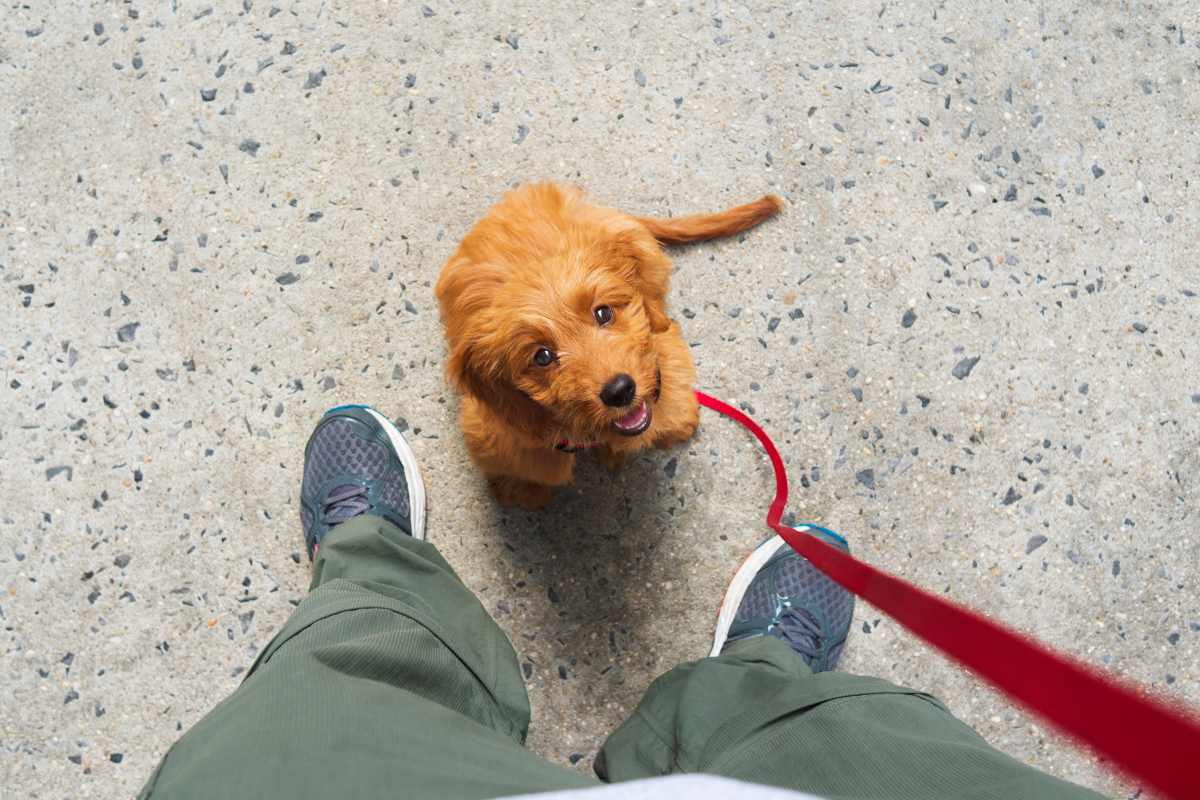
The socialization window is brief yet powerful. During the first months, your puppy is forming opinions about the world, so curate experiences that feel safe and rewarding.
Introduce new environments, gentle people of different ages, and everyday noises at a pace your puppy can handle.
Pair each novelty with something enjoyable: treats, praise, or play.
If your vet advises caution around unfamiliar dogs before vaccine series are complete, you can still socialize creatively—car rides to observe the neighborhood, stroller time at a distance from busy areas, or carefully arranged meetups with healthy, vaccinated dogs you trust.
The goal is curious, confident exploration, not pushing through fear.
Reading the Room
Watch body language: soft eyes, a loose posture, and a waggy tail signal comfort; tucked tails, yawns, or freezing tell you it’s time to dial back.
When in doubt, step away, offer reassurance, and try again later at a lower intensity. Building resilience now prevents anxiety later.
Health and Veterinary Care
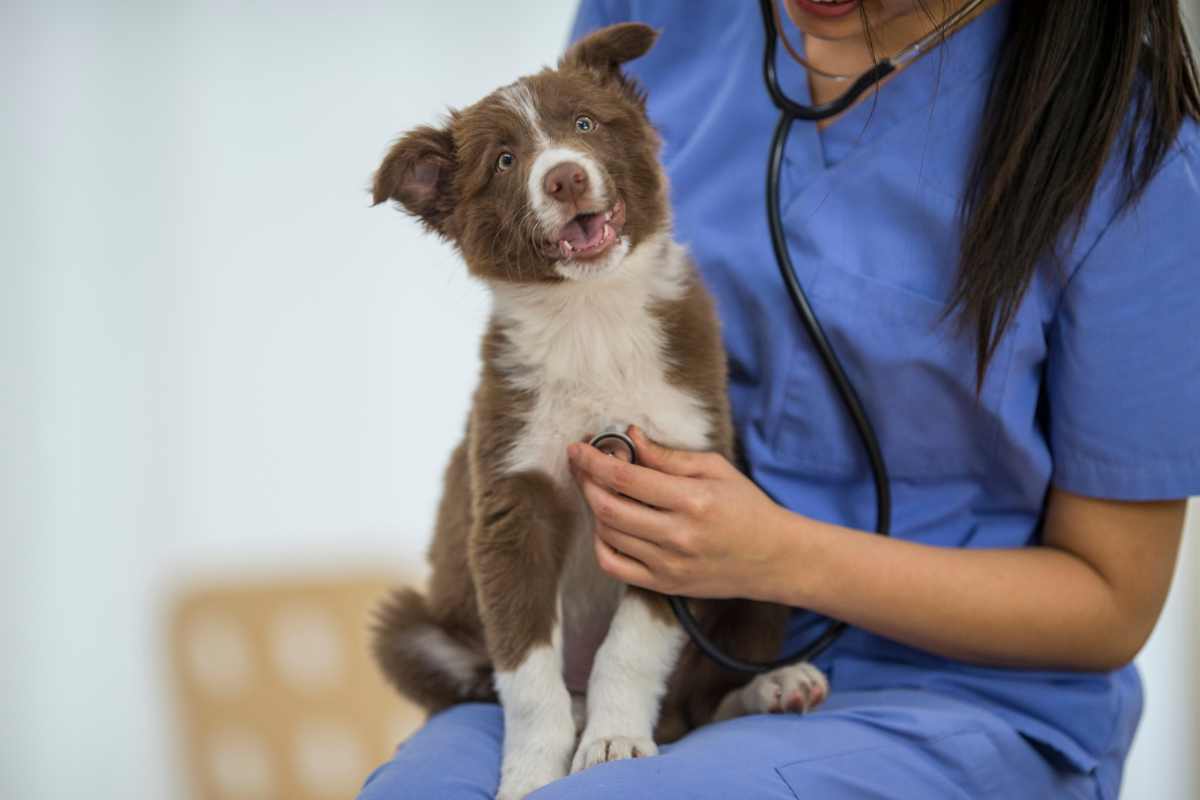
Your veterinarian is your partner in the journey. Discuss a vaccine schedule tailored to your puppy’s age and lifestyle, as well as deworming, flea and tick prevention, and microchipping.
Keep a simple health log—weight, appetite, stool quality, energy, and any new quirks. Many common concerns (occasional soft stools, brief appetite dips during big transitions) are manageable, but persistent changes warrant a call to the clinic.
Ask about safe exercise levels for growing joints, and learn to check ears, teeth, nails, and coat at home. These calm, regular touch-ins double as bonding time and make future grooming or vet visits far less stressful.
Nutrition, Growth, and Body Condition
Puppy bodies change fast. Aim for a body condition that feels athletic, not round. You should be able to feel ribs under a light fat cover and see a gentle waist.
Adjust portions gradually—large swings in food volume can upset digestion—and schedule rechecks to ensure your plan is supporting steady, healthy growth.
Sleep, Calm, and Attachment
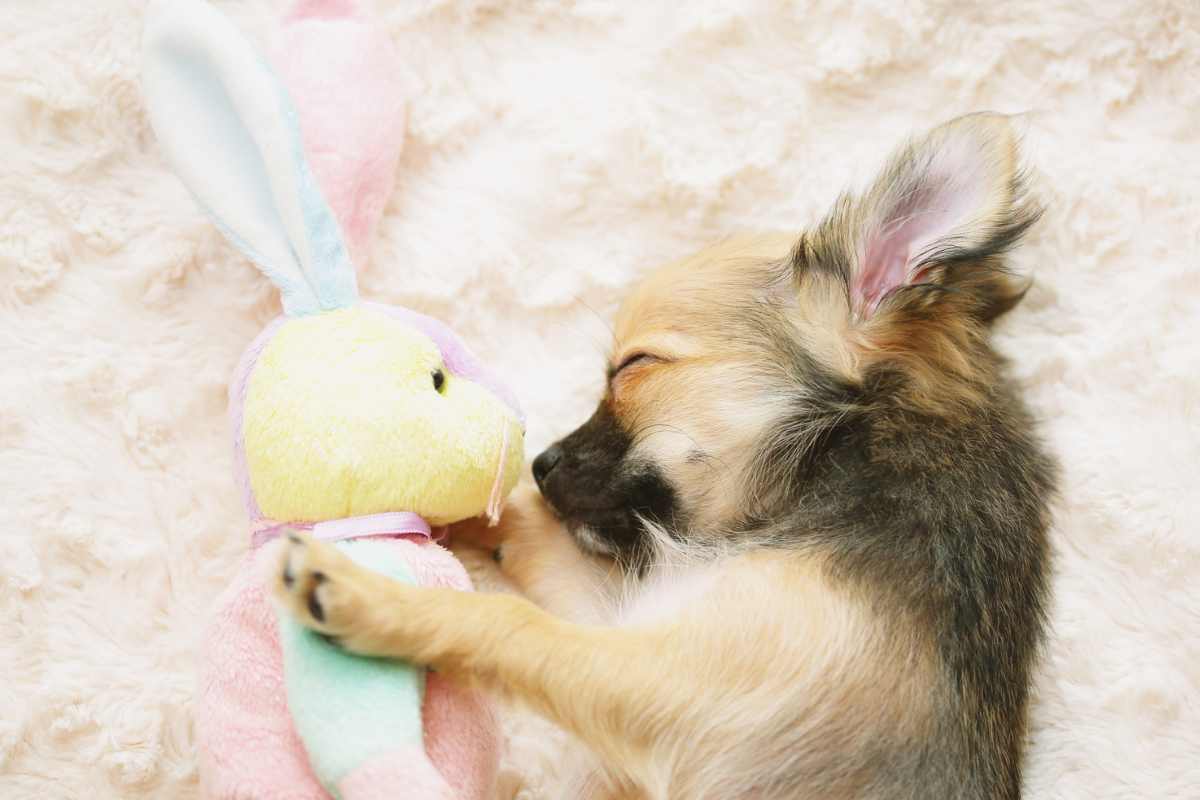
Calm is a skill. Create a consistent bedtime routine—dim lights, last potty break, then settled time in the crate or bed.
If night whining happens, confirm needs, keep interactions brief and boring, and return your puppy to the sleep space once settled.
During the day, teach relaxation on a mat by rewarding moments of natural calm. Short separations also help puppies learn that alone time is safe: step out, come back, and build duration slowly so your puppy gains confidence rather than worry.
Handling Big Feelings
Zoomies and the “witching hour” are normal. Prevent the spirals with earlier nap breaks, gentle sniff walks, or a food puzzle that channels energy into problem-solving.
When excitement tips into frenzy, pause the game, offer a chew, and let the nervous system reset.
Enrichment and Play
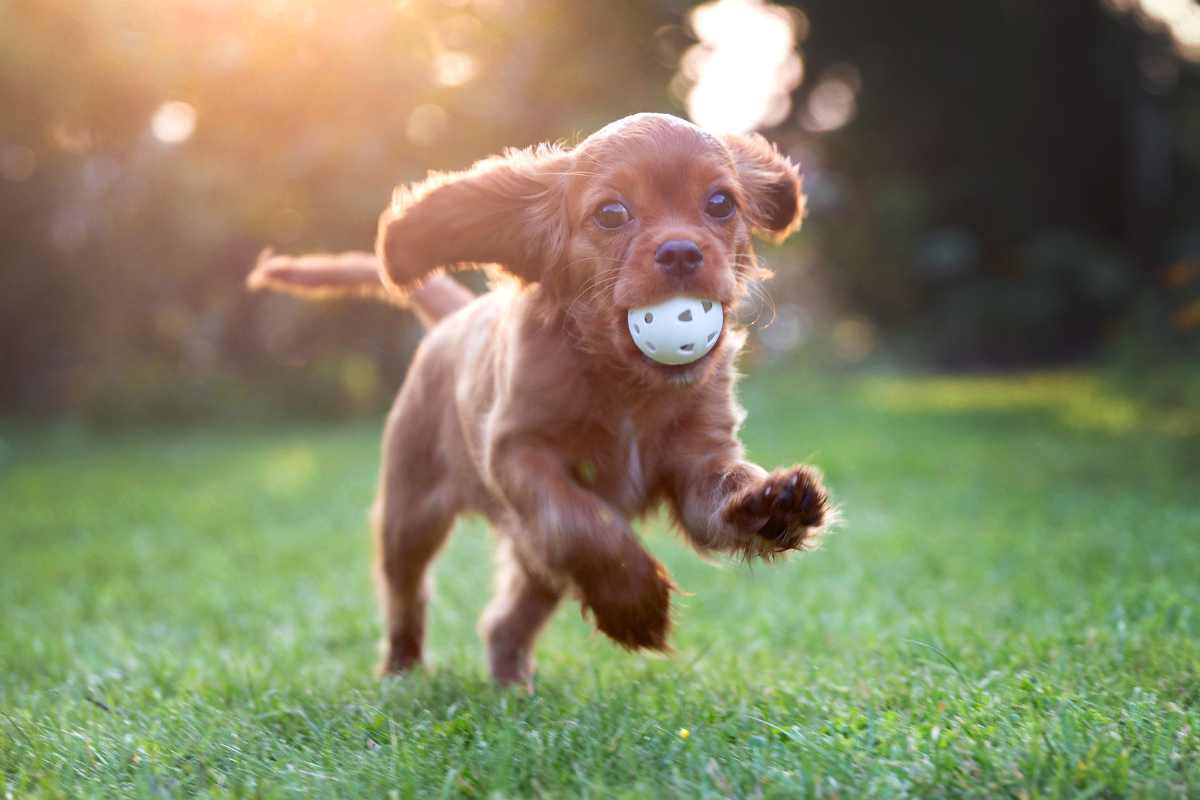
Puppies need more than walks. Use brain games—snuffle mats, scatter feeding, and simple puzzle toys—to refine focus and self-control. Alternate toy types and frequently swap them out to keep interest high.
Play with rules teaches manners: release cues for fetch, easy tug with a calm start and a clear “drop,” and brief pauses that let your puppy practice re-engaging politely.
Sniffing is not a detour; it’s a fundamental need that lowers stress and deepens satisfaction. Build short, sniff-rich outings into your routine, even if they’re just five minutes in the yard.
Safe Outings for Growing Bodies
Hard sprinting and repetitive jumping can strain developing joints. Choose soft surfaces, avoid stairs when possible, and scale intensity to your puppy’s age.
Structured, short sessions throughout the day beat one oversized workout every time.
Troubleshooting Early Challenges

Mouthing, accidents, and occasional stubbornness are part of the package. The fix is rarely harsher rules; it’s usually better management.
If your puppy is failing, the environment is too open or the task too hard. Use gates to limit access, revisit the basics, and catch good choices often.
For separation distress, build independence slowly: give a chew in a nearby crate while you work, then increase distance and duration.
For sensitive personalities, prioritize predictable routines and low-pressure exposures over busy parks and chaotic meetups.
When to Call a Professional
If you see persistent fear, growling over resources, or escalating reactivity, reach out to a qualified, reward-based trainer or behavior professional early. Small, targeted interventions in puppyhood prevent entrenched habits later.
Building a Bond That Lasts
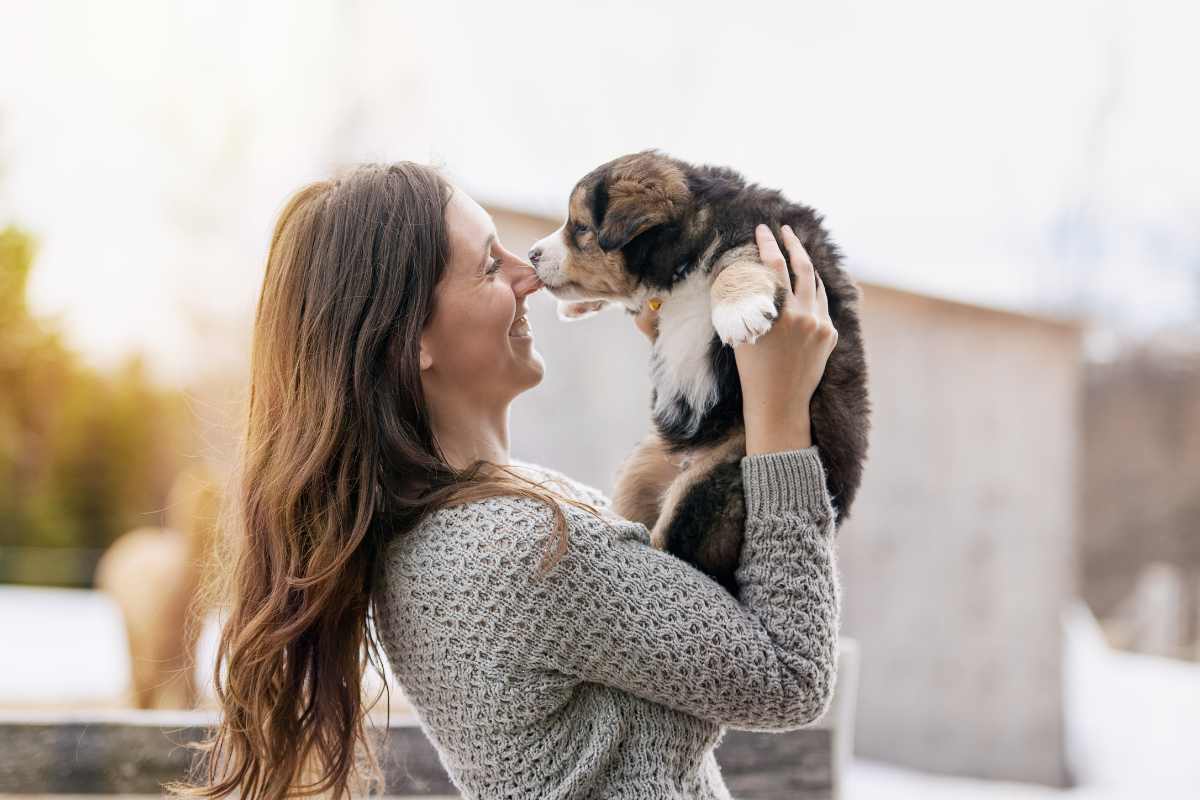
Your relationship is the greatest training tool you’ll ever have. Make yourself the center of the good stuff—meals, games, outdoor adventures, and restful cuddles.
Speak with warmth, be clear with your cues, and celebrate the tiny wins you see each day. Confidence grows where puppies feel safe, understood, and fairly guided.
Over time, your consistent kindness shapes a dog who checks in often, listens well, and trusts you in new situations.
Final Thoughts
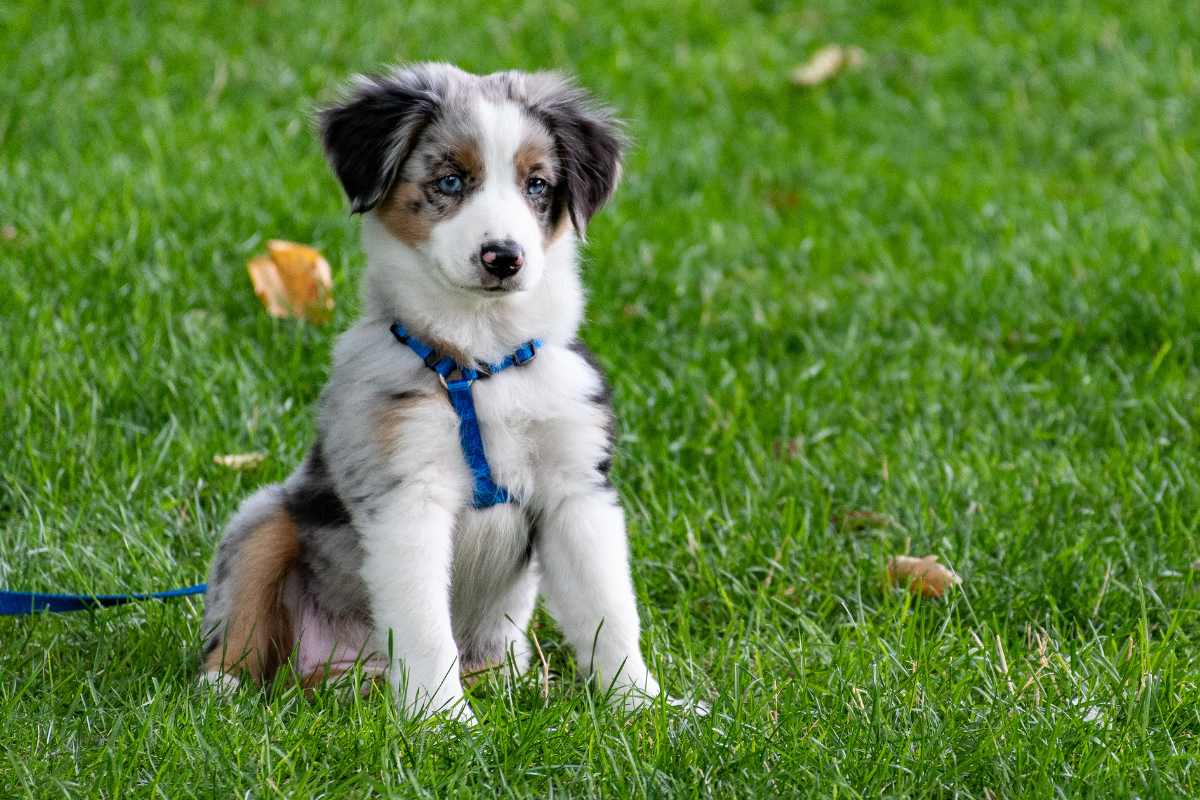
Raising a puppy is a season of fast learning and faster growth. With consistent routines, gentle structure, and rich opportunities to explore the world safely, your puppy will develop into a confident companion who is a joy to live with.
Keep sessions short, rewards frequent, sleep sacred, and your sense of humor intact. When questions arise, lean on your veterinary team and positive-reinforcement professionals.
The early investment pays off for years—in better behavior, a resilient mind, and a bond that only deepens with time.
Enjoy The Video About Dogs

Source: At Mix
Did you find this post useful or inspiring? Save THIS PIN to your Pets Board on Pinterest!

You may also like